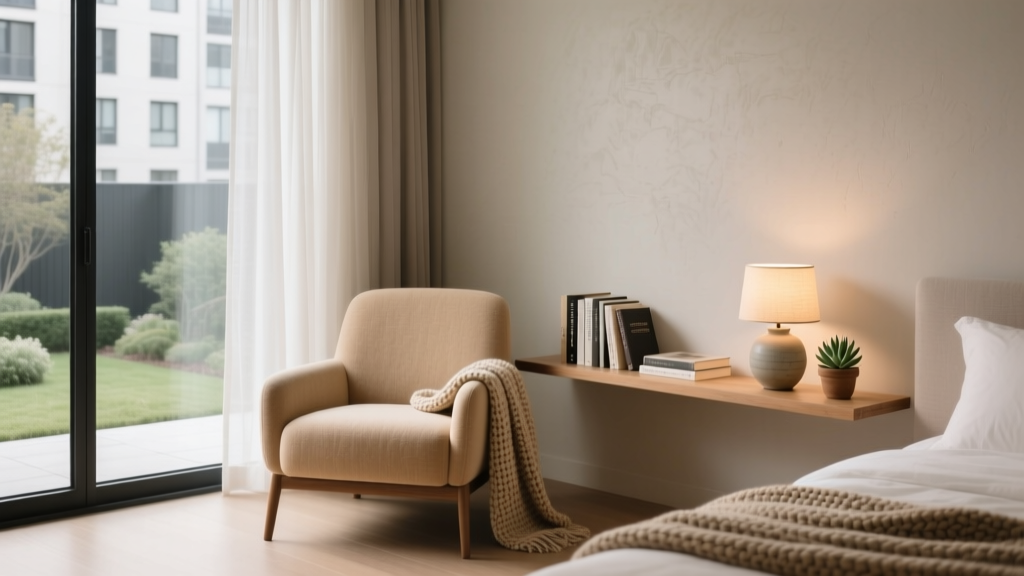
Reading Corner in Bedroom: Decor Ideas (2026)
A bedroom reading corner is more than a design moment—it’s a small, intentional space that supports rest, stress relief, and a calmer mind at the end of the day. When your bedroom feels organized and inviting, it’s easier to wind down. A cozy place to read can help separate “awake time” from “sleep time” while still keeping you in a soothing sleep environment.
Many people scroll in bed because it’s convenient, but bright screens and endless content can keep the brain alert. A reading nook offers a gentle alternative: a comfortable seat, warm lighting, and a stack of books that encourage slower breathing and a quieter nervous system. Done well, it improves your bedroom design and decor while protecting sleep quality—especially if you choose lighting and layout that reduce stimulation.
This guide walks through layout planning, furniture choices, lighting, colors, textiles, and practical wellness tips—whether you’re working with a spacious primary suite or a compact rental bedroom.
Step 1: Choose the Right Spot (and Protect Your Sleep Zone)
The best reading corner feels separate from the bed, even if it’s only a few feet away. That small boundary helps your brain associate the bed with sleep, not stimulation. Look for areas that already have natural “edges,” such as:
- Near a window (ideal for daytime reading and mood-boosting light)
- An unused corner opposite the bed
- A nook beside a dresser or between the closet and wall
- At the foot of the bed (works well with a compact chair or bench)
Quick layout guidelines
- Keep a clear walking path: aim for 24–30 inches of clearance where you pass through often.
- Give your chair breathing room: allow about 30 x 30 inches minimum for a small accent chair; 36 x 36 inches is more comfortable.
- Angle the seating slightly away from the bed to create a “mini-room” feel.
- Avoid blocking vents and make sure the space doesn’t interfere with closet doors or drawers.
If your bedroom is small
You can still create a functional reading corner with a lighter footprint:
- Swap a chair for a wall-mounted sconce + pillow-backed bench at the foot of the bed.
- Use a slim armless chair or butterfly chair that tucks partially under a console.
- Choose a floating shelf instead of a side table.
Step 2: Pick Seating That Supports Your Body (Not Just the Look)
Comfort is the foundation of a bedroom reading nook. If your hips, neck, or lower back aren’t supported, reading becomes restless—and restlessness close to bedtime can carry into your sleep routine.
Best seating options for a bedroom reading corner
- Upholstered accent chair (most versatile): Look for a supportive back and a seat depth that lets you sit with feet flat or comfortably on an ottoman.
- Chaise lounge (luxurious for long reads): Great if you have the space; choose one with a slightly upright angle rather than fully reclined.
- Glider or rocker (calming motion): Helpful for nervous-system downshifting; keep the movement gentle and quiet.
- Small loveseat (shared nook): Works in larger bedrooms; add a throw and two reading pillows.
- Floor cushion setup (budget-friendly): Choose a firm meditation cushion plus a supportive backrest; best for shorter sessions.
What to look for (comfort checklist)
- Seat height around 16–19 inches (most people feel stable and supported here).
- Back support: a higher back is ideal if you read for 20+ minutes.
- Arm support: arms reduce shoulder tension while holding a book or e-reader.
- Quiet materials: avoid squeaky frames; check reviews for noise.
Budget ranges (typical)
- $80–$200: basic accent chair, papasan-style chair, floor cushion setup
- $200–$600: well-constructed accent chair, small chaise, upholstered bench
- $600–$1,500+: designer chair, performance upholstery, premium glider/chaise
Step 3: Add a Soft Landing with Textiles (Throws, Pillows, and a Rug)
Textiles are where a reading corner becomes a cozy retreat. They also support sleep wellness: soft, natural materials feel soothing, regulate temperature better, and reduce the sensory “itch” that can keep you alert.
Best fabric and fill choices for comfort
- Cotton: breathable, easy to wash (great for throws and pillow covers)
- Linen: airy and relaxed; ideal if you run warm
- Wool: cozy but temperature-regulating; good for rugs and winter throws
- Velvet: plush and cocooning; choose performance velvet for durability
- Down-alternative inserts: supportive without allergens for many households
Reading-corner textile formula
- 1 throw blanket (50 x 60 inches is a flexible standard)
- 1 lumbar pillow for lower-back support
- 1 softer “hug” pillow to hold while reading (especially relaxing near bedtime)
- 1 small rug (2' x 3' or 3' x 5') to define the zone and warm up bare floors
If your bedroom has wall-to-wall carpet, a rug is still useful—it visually anchors the nook and makes it feel intentional.
Step 4: Get the Lighting Right (Warm, Focused, and Sleep-Friendly)
Lighting is where bedroom decor meets sleep environment science. Bright, cool-toned light can suppress melatonin and delay sleepiness. A reading corner should provide enough illumination for your eyes while staying gentle on your circadian rhythm.
Best lighting types for a bedroom reading nook
- Floor lamp with adjustable head: easy to place behind or beside a chair
- Wall sconce: ideal for small bedrooms; frees up table space
- Table lamp on a side table: classic, cozy, and easy to style
- Clip-on reading light: great for renters and tight corners
Bulb recommendations for sleep-friendly reading
- Color temperature: 2200K–2700K (warm white) for evening use
- Brightness: 400–800 lumens for most reading corners (use dimmable if possible)
- Feature: dimmer or 3-way bulb so you can gradually lower light as bedtime approaches
Placement tips to reduce eye strain
- Place the light slightly behind and to the side of your reading shoulder to reduce glare.
- Avoid an exposed bulb directly in your line of sight.
- If you wear glasses, choose a shade that diffuses rather than a clear glass globe.
Step 5: Add a Surface for Books, Tea, and the Little Rituals
A reading corner feels calming when everything has a home. A surface nearby prevents book stacks from creeping onto the bed (a common clutter trigger) and supports a soothing wind-down routine.
Side table options (choose based on space)
- Round pedestal table: compact footprint, easy to slide next to a chair
- C-table: tucks under chairs and works well in tight layouts
- Wall shelf + hook: renter-friendly way to hold a book and hang headphones or an eye mask
- Storage ottoman: doubles as a footrest and hides extra throws or magazines
Practical add-ons
- Coaster (protects wood finishes and reduces noise)
- Small tray (corrals lip balm, hand cream, bookmarks)
- Book basket (keeps the corner tidy and reduces visual clutter)
Step 6: Choose Colors That Feel Quiet (and Work With Your Bedroom Design)
Color affects mood, and mood affects sleep. A reading corner should blend into the bedroom’s overall sleep-friendly palette—soft, muted, and cohesive—so it feels like part of a restful sanctuary rather than a high-energy workspace.
Sleep-supportive color families
- Warm neutrals: ivory, oatmeal, sand, clay
- Soft greens: sage, olive-gray (nature cues can feel grounding)
- Dusty blues: muted denim, blue-gray (calming without feeling cold)
- Gentle blush tones: muted rose, warm taupe-pink (cozy and flattering)
How to add color without overstimulation
- Keep big pieces neutral (chair, rug) and use color in pillows and throws.
- Choose matte finishes over glossy ones to reduce reflected light.
- If you love bold color, use it in a single accent item (a framed print or cushion) rather than multiple competing pieces.
Step 7: Style It Simply (So It Stays Relaxing)
A reading nook should feel curated, not crowded. Too many decorative objects can create visual noise, which subtly keeps the brain “on.” Aim for a few comforting elements that support your routine.
A simple styling checklist
- One piece of wall art or a small gallery pair above the chair
- A plant (real or realistic faux) to soften lines and add life
- A candle alternative (amber LED candle) if you want glow without fragrance sensitivity or fire risk
- A book stack of 2–4 current reads, rotated regularly
Sleep wellness tip: manage scent carefully
Fragrance can be relaxing for some and irritating for others. If you use scent, choose a subtle option (like a lightly scented linen spray) and avoid heavy diffusers right before bed—especially if you’re prone to headaches, allergies, or nighttime congestion.
Reading Corner Ideas for Different Bedroom Layouts
1) The window-side retreat
- Place a chair angled toward the window
- Add a small side table and a floor lamp for night
- Use light-filtering curtains to reduce glare and keep the room calm
2) The corner “capsule”
- Use a high-back chair and a small rug to define the space
- Add a wall sconce and a narrow bookshelf
- Choose a taller plant for a soft privacy effect
3) The foot-of-bed lounge
- Try a petite chaise or upholstered bench with pillows
- Keep lighting warm and directed downward
- Use a storage ottoman nearby to prevent clutter
Sleep-Friendly Habits to Pair With Your Reading Corner
The right setup supports better bedtime routines. A reading corner works best when it helps you transition out of the day without pulling you into “just one more chapter” at midnight.
- Set a gentle time boundary: 10–20 minutes of reading can be enough to cue relaxation.
- Dim lights gradually: use a dimmer or 3-way bulb to lower brightness as you get sleepy.
- Choose calmer content at night: save thrillers or work-related reading for earlier in the day.
- Keep screens out of the nook: if you use an e-reader, prefer a warm-light setting and low brightness.
- Support your posture: add a lumbar pillow so your body can fully settle.
Common Mistakes to Avoid
- Using cool-white bulbs (4000K+): they feel harsh at night and can disrupt your sleep environment.
- Skipping support pillows: discomfort turns reading into tossing, shifting, and tension.
- Overfilling the corner: too many baskets, décor pieces, or stacks create visual clutter.
- Placing the nook too close to the bed: it blurs the boundary between reading and sleeping.
- Choosing scratchy or heat-trapping fabrics: comfort matters; breathable materials feel better and support temperature regulation.
- Forgetting outlets and cords: plan for lamp placement so cords don’t cross walkways (use a cord cover if needed).
FAQ: Bedroom Reading Corner Essentials
What is the best light for reading in the bedroom without hurting sleep?
Use a warm bulb in the 2200K–2700K range, ideally dimmable. Aim for focused light on the pages rather than bright overhead lighting that floods the whole bedroom.
How do I create a reading nook in a small bedroom or rental?
Choose a slim chair or a bench, add a plug-in wall sconce or clip-on reading light, and use a floating shelf instead of a side table. These bedroom decor upgrades are renter-friendly and space-efficient.
Should my reading corner match my bedroom furniture?
It should feel cohesive, but it doesn’t need to be a perfect match. Repeat one or two elements—like wood tone, metal finish, or a color from your bedding—to tie the bedroom design together.
Is it okay to read in bed instead of a reading corner?
Occasionally, sure. For better sleep quality, many sleep experts recommend reserving the bed for sleep and intimacy. A dedicated reading corner helps keep the bed associated with rest, especially if you struggle with insomnia or racing thoughts.
What’s the most budget-friendly way to make a cozy reading corner?
Start with a comfortable chair (or floor cushion), a warm bulb in an existing lamp, and a throw blanket. You can often build a satisfying nook for $100–$250 by shopping sales, secondhand, or using pieces you already own.
What materials are best for a calm, cozy bedroom reading nook?
Natural, breathable materials like cotton, linen, wool, and wood tend to feel soothing and timeless. For upholstery, performance fabrics are practical if you snack or sip tea while reading.
Next Steps: Build Your Corner, One Piece at a Time
Start by choosing the location and lighting—those two decisions set the mood and protect your sleep environment. Then add comfortable seating, one supportive pillow, a soft throw, and a small surface for books. Once it feels good to use, layer in a rug, art, or a plant to make it feel like a true retreat.
For more calming bedroom ideas, sleep-friendly decor tips, and practical layout inspiration, explore the latest guides on thedecormag.com.
More Articles
 Beyond the Accent Lamp: 7 Thoughtful, Functional Bedside Alternatives for Modern Bedrooms
 Best Bedroom Sconce Lighting Options - The Decor Mag
 Best Bedroom Watch Box Display - The Decor Mag
 Best Bedroom Sleep Mask and Pillow Spray - The Decor Mag
 Modern Bedroom Design on a Budget: Smart, Stylish, and Sustainable Solutions
 Bedroom Reeded Wood Nightstand Trend - The Decor Mag
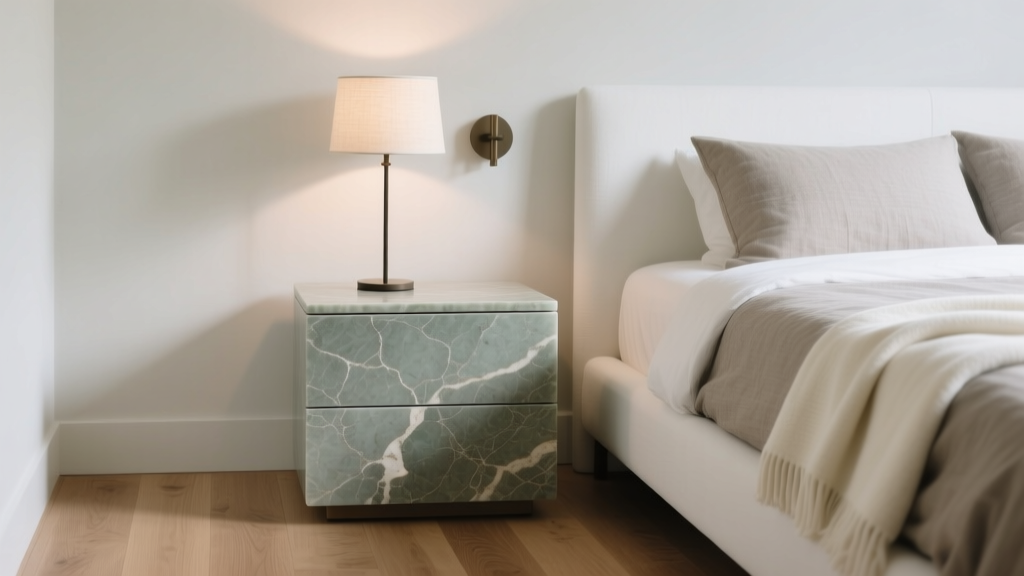 Bedroom Natural Stone Nightstand Top - The Decor Mag
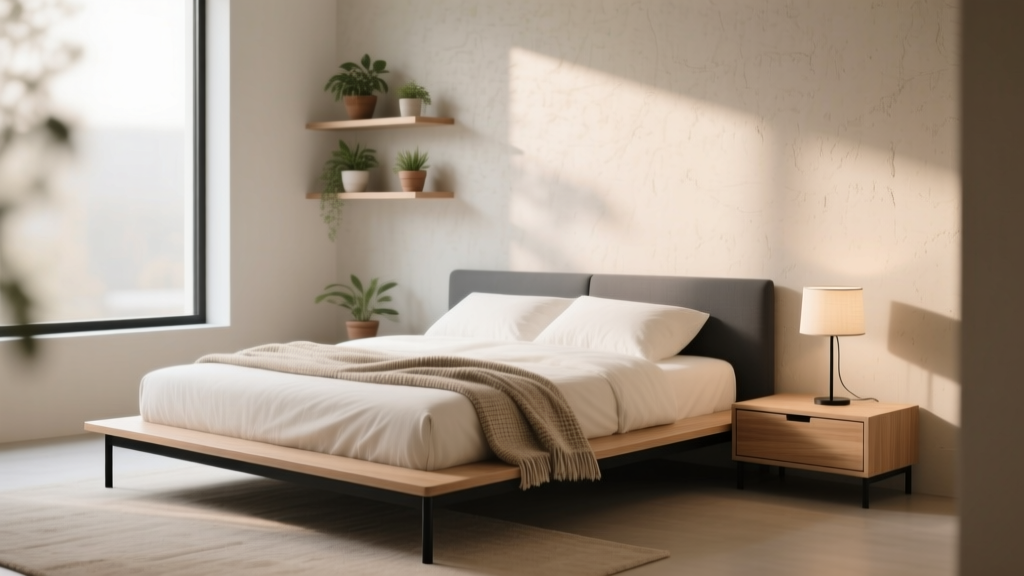 Bedroom Platform Bed Design Ideas - The Decor Mag
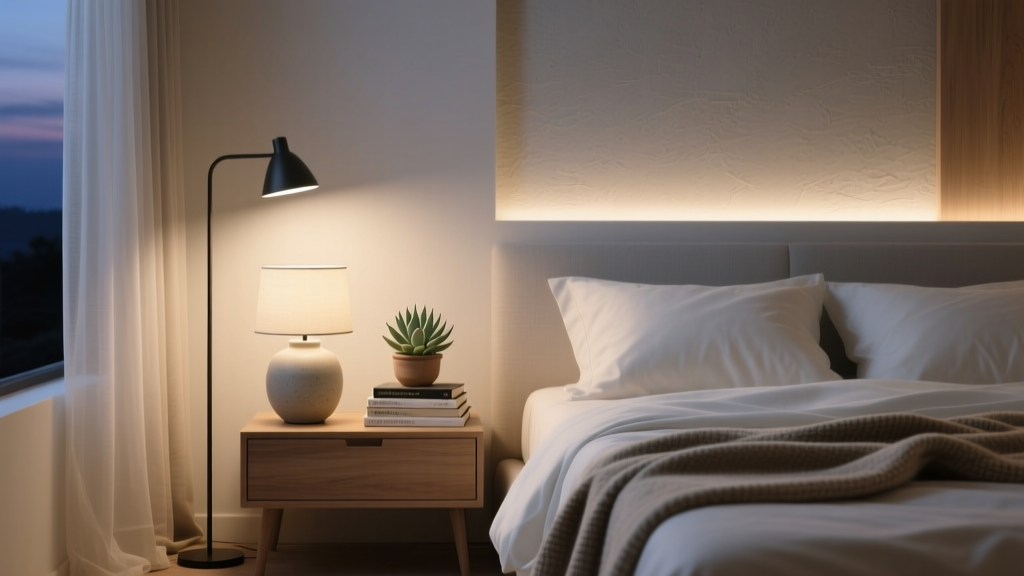 Best Bedroom Nighttime Routine Essentials - The Decor Mag
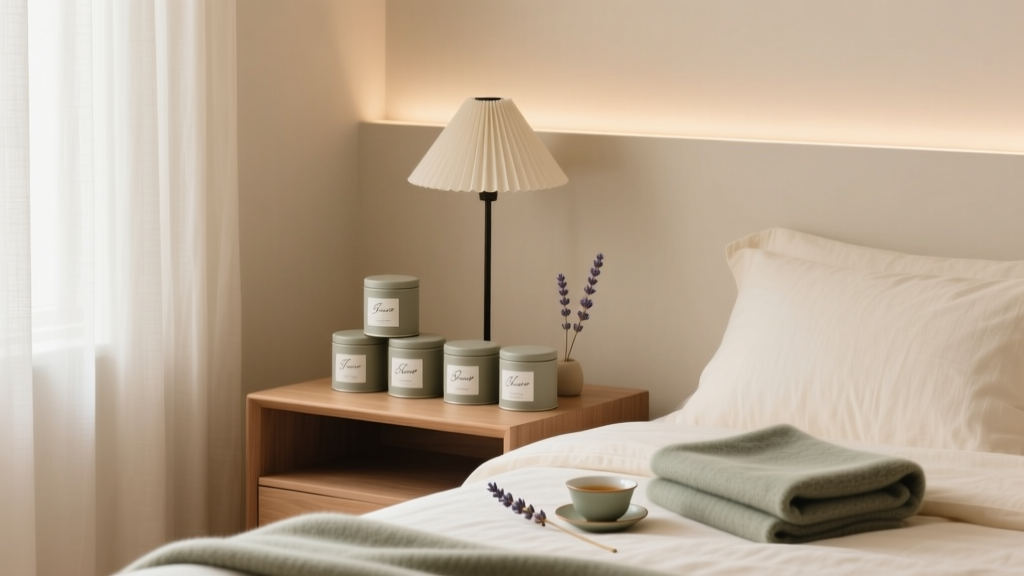 Best Bedroom Sleep Tea Collection - The Decor Mag