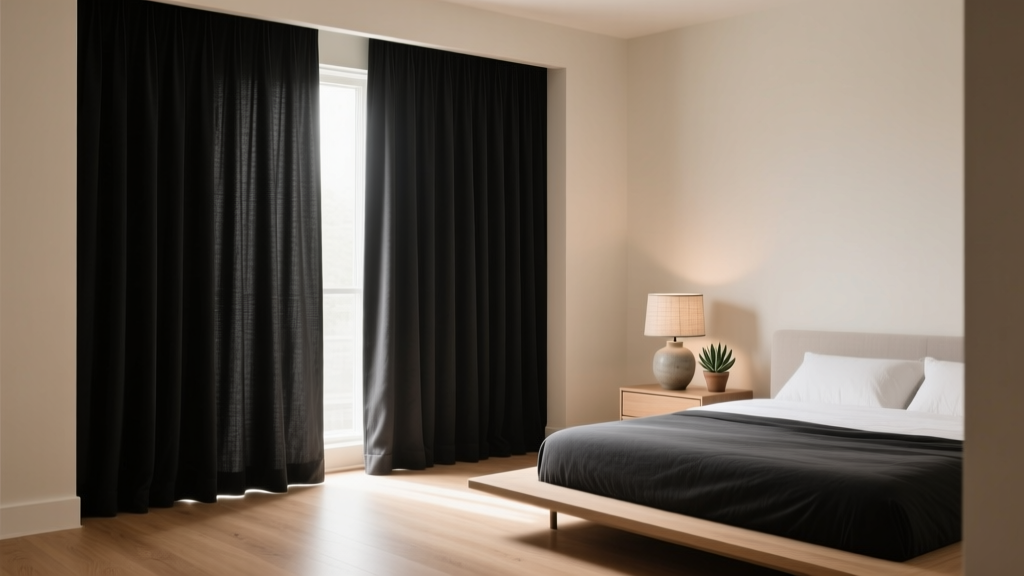
Best Bedroom Blackout Curtain Options - The Decor Mag
A bedroom that truly supports rest feels quieter, softer, and more protected from the outside world. Light control is one of the most overlooked parts of bedroom design—yet it has an outsized effect on how quickly you fall asleep, how often you wake, and how refreshed you feel in the morning. If streetlights, early sun, neighbor security lighting, or late-night city glow spill into your room, your brain receives “daytime” signals even when you’re exhausted.
Blackout curtains are a practical, design-forward solution. Beyond darkening the room, the right blackout window treatment can improve temperature comfort, reduce noise, and create a calmer, more finished look. This guide breaks down the best bedroom blackout curtain options, what to look for by fabric and construction, and how to choose styles that elevate your decor while supporting a sleep-friendly environment.
Why Blackout Curtains Matter for Sleep Quality
Your sleep environment influences your circadian rhythm—the internal clock that responds strongly to light. Even low levels of light can interfere with melatonin production for some people, especially if you’re sensitive to brightness, work night shifts, travel across time zones, or live in an area with strong outdoor lighting.
- Darker rooms can support deeper sleep and fewer awakenings.
- Light-blocking window treatments help you maintain a consistent sleep schedule, even during long summer days.
- Layered textiles (curtains + rugs + bedding) reduce the “echoey” feel that can make bedrooms feel less restful.
Blackout Curtains vs. Room-Darkening: Know the Difference
Many products are labeled “blackout,” but performance varies. Understanding the terms helps you shop wisely.
Room-darkening curtains
These reduce brightness but don’t fully block light. They’re best for:
- Bedrooms with minimal outdoor light
- People who prefer a gentle morning glow
- Budget upgrades where aesthetics matter more than total darkness
True blackout curtains
These aim for near-total light blocking (especially when installed correctly). They’re best for:
- Light sleepers and shift workers
- Nurseries and guest rooms
- Urban bedrooms with streetlights or signage
- Anyone optimizing a sleep environment for wellness
Best Bedroom Blackout Curtain Options (By Type)
1) Lined blackout drapery panels (most versatile)
These look like classic curtains but include a blackout lining—either sewn in or bonded. They work with nearly any bedroom decor style, from modern to traditional.
Why they’re a favorite:
- Great balance of softness, style, and performance
- Available in countless colors and textures
- Easy to swap seasonally (light linen-look for spring, velvet for winter)
Material recommendations:
- Cotton or cotton-blend with blackout lining: breathable feel; excellent for relaxed, airy bedrooms
- Polyester with triple-weave construction: often the best value and widely available
- Velvet with lining: luxurious, cozy, and helpful for noise and draft reduction
Budget range: $30–$120 per pair for ready-made; $200–$800+ for custom, depending on fabric and size.
2) Triple-weave blackout curtains (best budget performance)
Triple-weave fabrics block light through density rather than a separate lining. They’re a smart choice for renters or anyone wanting a fast upgrade.
- Pros: affordable, easy to care for, strong light-blocking
- Cons: can feel stiffer; color may read slightly “flat” compared to lined designer fabrics
Best for: apartment bedrooms, kids’ rooms, and anyone prioritizing function.
Budget range: $25–$80 per pair.
3) Blackout roller shades (clean, minimal, highly effective)
Roller shades with blackout backing are sleek and unobtrusive. They’re ideal if you prefer a modern bedroom design or want to pair them with decorative side panels.
- Pros: excellent light blocking; minimal visual clutter; easy to operate
- Cons: light can leak at the sides unless you add channels or layer with curtains
Wellness tip: If you wake up from “light slivers” near the frame, add side channels or layer with drapes for a calmer, cave-like effect.
Budget range: $40–$200 per window (ready-made), $200–$600+ (custom).
4) Cellular (honeycomb) blackout shades (best for temperature comfort)
Blackout cellular shades trap air in their pockets, supporting insulation. If your bedroom runs too hot in summer or too cold in winter, this option can improve comfort without adjusting the thermostat as much.
- Pros: energy efficient; soft look; excellent for sleep temperature regulation
- Cons: some light leakage around edges; higher price than basic curtains
Budget range: $80–$350 per window; more for motorized or top-down/bottom-up styles.
5) Blackout curtain liners (best for upgrading curtains you already love)
If you already have beautiful drapes but they’re too sheer, add a blackout liner behind them. This is a renter-friendly way to improve a bedroom sleep environment without changing your decor.
- Pros: cost-effective; preserves your existing style; adds body to curtains
- Cons: installation can be fiddly; may add bulk
Budget range: $15–$60 per pair for liners, plus hardware if needed.
Choosing the Right Fabric, Color, and Finish for a Calming Bedroom
Fabric feel: match the mood of your bedroom
- Linen-look blackout: relaxed, coastal, Scandinavian; keeps the room feeling breathable
- Velvet blackout: warm, cocooning, boutique-hotel vibe; helps absorb sound
- Matte cotton blends: timeless and soft; easy to coordinate with bedding
- Textured weaves (basketweave, herringbone): adds depth without visual busyness
Best curtain colors for sleep-friendly design
Color affects perceived calm. You don’t need to decorate in “all beige,” but calmer hues reduce visual stimulation at night.
- Soft neutrals: warm white, oatmeal, greige, taupe (great for small bedrooms)
- Muted cool tones: dusty blue, soft sage, smoky gray (spa-like, restful)
- Deep grounding tones: charcoal, forest green, navy (excellent for light control and a cozy feel)
Design tip: If your walls are light, mid-tone curtains can frame the window and make the room feel more finished. If your walls are dark, match curtains closely to the wall color for a seamless, enveloping effect.
Installation Tips That Make Blackout Curtains Actually Work
The best blackout curtain fabric won’t perform well if light leaks around it. Small placement changes can dramatically improve darkness.
Hardware recommendations
- Wraparound curtain rods: curve to the wall, reducing light leaks at the edges
- Double curtain rods: layer a sheer panel (daytime privacy) with blackout panels (nighttime sleep)
- Ceiling-mounted tracks: modern and hotel-like; excellent coverage and height illusion
How to hang blackout curtains for maximum coverage
- Mount high: 4–8 inches above the window frame (or closer to the ceiling) to make the room feel taller.
- Go wide: extend the rod 8–12 inches beyond each side of the window to reduce light gaps.
- Choose generous fullness: aim for 2x the window width in curtain fabric for a softer, more luxurious drape.
- Let curtains kiss the floor: a slight “kiss” or 0.5–1 inch above the floor looks tailored and blocks drafts.
Bedroom Design Pairings: Curtains + Furniture, Bedding, Lighting, and Layout
Blackout curtains work best when they’re part of a cohesive sleep-friendly bedroom design.
Furniture and layout recommendations
- Place the bed away from direct window glare when possible. If the bed must sit under a window, prioritize wraparound rods and fuller panels.
- Add a bench or upholstered ottoman at the foot of the bed to visually “ground” the room and support a calming routine (folding throws, setting out tomorrow’s clothes).
- Use a tall headboard (upholstered or wood) to create a sense of shelter—especially helpful in rooms with large windows.
Bedding that complements blackout window treatments
- Breathable layers: cotton percale sheets for hot sleepers; cotton sateen for a smoother, warmer feel
- Comfort-focused duvet: choose an all-season insert and adjust with a cover rather than changing everything each season
- Texture balancing: if curtains are heavy velvet, add lighter bedding textures (matelassé, crisp cotton) to keep the room from feeling visually heavy
Lighting choices that support winding down
- Bedside lamps with warm bulbs: 2700K (warm white) is typically most relaxing
- Dimmer switches or smart bulbs: lower light levels in the evening cue sleepiness
- Avoid harsh overhead lighting at night: use layered lighting (lamp + wall sconce + soft accent)
Wellness tip: Blackout curtains help at night, but morning light is also valuable. If you struggle to wake up, consider opening curtains immediately upon waking, or use a timed smart shade to let natural light in gradually.
Sleep-Friendly Extras to Pair With Blackout Curtains
- Draft blockers or insulated curtains: helpful if windows are older or leaky, supporting a stable sleep temperature
- Area rugs: reduce noise and add warmth underfoot, especially in rentals with hard floors
- White noise machine or fan: complements blackout curtains by masking outdoor sound
- Minimal bedside clutter: a calmer visual field supports a calmer mind at bedtime
Common Mistakes to Avoid
- Buying curtains that are too short: short panels can make the room look unfinished and allow light to bounce upward.
- Ignoring side gaps: light leaks from the edges are the #1 reason “blackout” curtains disappoint.
- Choosing shiny fabrics in bright colors: they can reflect streetlight or car headlights into the room.
- Skipping fullness: flat, under-panelled curtains look sparse and let light through folds.
- Over-darkening without a morning plan: if you feel groggy, pair blackout curtains with a morning routine (open curtains, step into daylight, or use a sunrise alarm).
Budget Guide: What to Expect at Different Price Points
- $25–$60: triple-weave blackout panels; basic grommet styles; best for quick renter upgrades
- $60–$150: better fabrics, more sizes, improved drape; options like pinch pleats in ready-made lines
- $150–$400: premium lined curtains, upgraded hardware, cellular shades; a noticeable step up in look and durability
- $400+: custom drapery, ceiling tracks, motorized blackout shades; ideal for large windows or design-forward bedrooms
FAQ: Blackout Curtains for Bedroom Comfort
Do blackout curtains really help you sleep better?
They can, especially if light wakes you up or delays sleep onset. By reducing nighttime brightness, blackout curtains support a darker sleep environment, which many people find leads to fewer awakenings and more consistent rest.
What’s the best material for blackout curtains in a bedroom?
For a balanced mix of softness and function, choose a quality fabric (cotton blend, linen-look, or velvet) with a sewn-in blackout lining. For budget performance, triple-weave polyester often blocks the most light for the price.
How do I stop light from leaking around the sides?
Use a wraparound rod or ceiling track, extend the rod wider than the window, and make sure panels have enough fullness. If light is severe, layer blackout roller shades under curtains.
Are blackout curtains good for temperature control?
Yes. Insulated blackout curtains and cellular blackout shades can reduce drafts and heat transfer. They’re especially helpful in bedrooms with older windows or strong sun exposure.
What’s best for renters who can’t drill into walls?
Look for tension rods (for lightweight panels), no-drill brackets designed for curtain rods, or adhesive/temporary shade solutions. Blackout liners can also upgrade existing curtains without changing hardware.
Should I choose blackout curtains or blackout shades?
If you want softness and a cozy bedroom decor look, curtains are often the better fit. If you prefer a minimal style and strong coverage, blackout shades are excellent—many bedrooms benefit from layering both.
Next Steps: Create a Bedroom That Feels Like a Retreat
Start by identifying your main sleep disruptor: streetlight glare, early sunrise, temperature swings, or noise. Then choose the blackout curtain option that matches your lifestyle and bedroom design—lined drapery for a classic look, triple-weave panels for budget-friendly impact, or blackout shades for clean-lined minimalism. Finish the space with warm lighting, breathable bedding, and a layout that feels open and uncluttered.
For more calming bedroom ideas, sleep-friendly decor tips, and practical design guides, explore the latest inspiration on thedecormag.com.
More Articles
 Bedroom Fluted Headboard Panel Design - The Decor Mag
 Bedroom Accent Wall Ideas - The Decor Mag
 Bedroom Organic Linen Curtain Draping - The Decor Mag
 Minimalist Bedroom Styling: Simple Ideas (2026)
 Bedroom Styling with Intentional Design | The Decor Mag
 Bedroom Curved Architectural Bedroom Detail - The Decor Mag
 Natural Bedroom Materials: Stylish Ideas for 2026
 How to Match Your Family’s Needs With the Right Bedroom Options: A Practical, Evidence-Based Guide
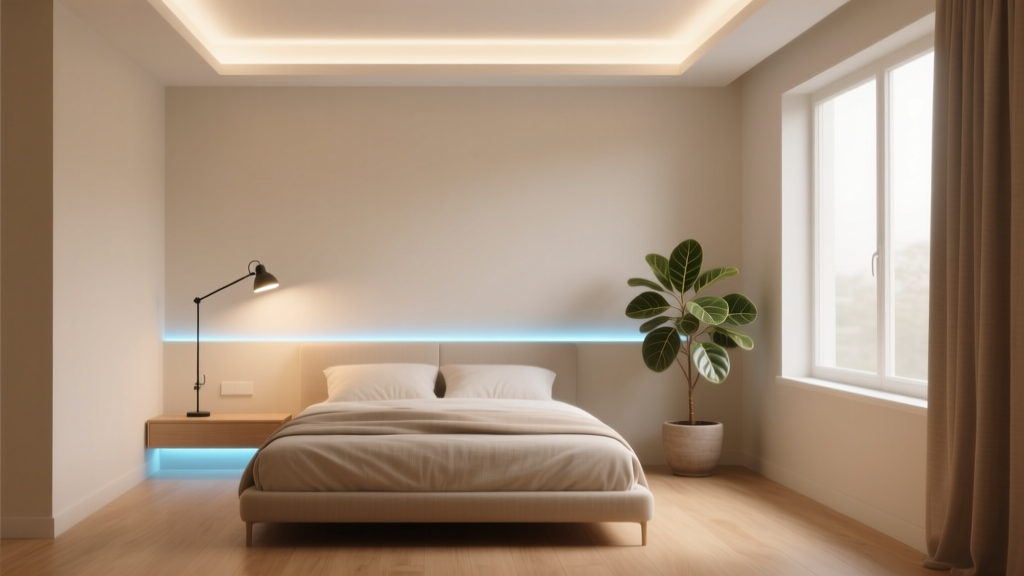 Three-Layer Bedroom Lighting: Calm & Functional (2026)
 Best Bedroom Bedside Reading Stack - The Decor Mag