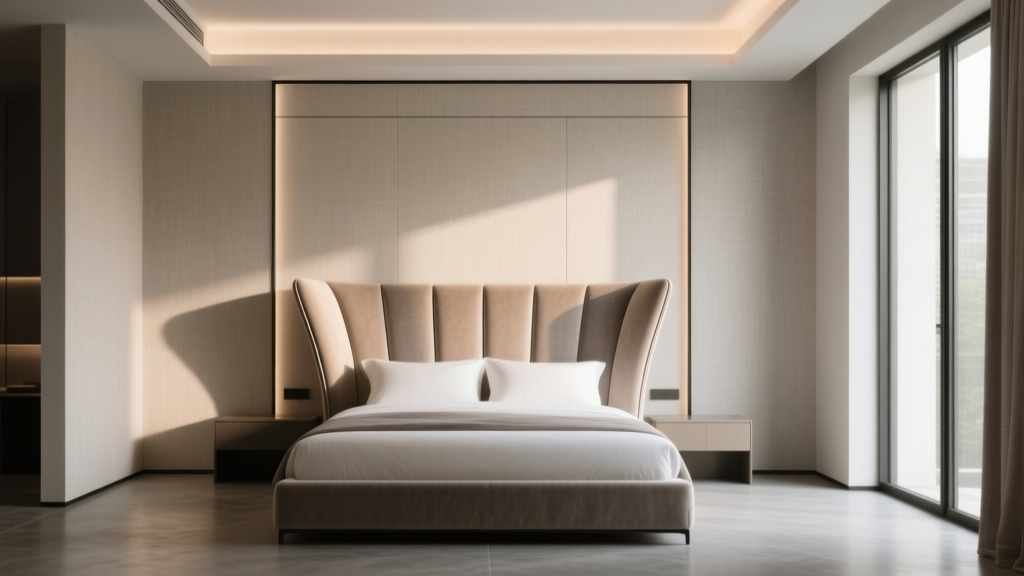
Bedroom Wingback Headboard Design - The Decor Mag
A bedroom should feel like a deep exhale at the end of the day. The pieces you choose—especially what sits at the visual and functional center of the room—can quietly shape how quickly you unwind, how secure you feel, and how smoothly you transition into sleep. A wingback headboard is one of those design choices that does more than look polished: it creates a sense of enclosure and comfort that supports a calmer sleep environment.
Wingback headboards have “wings” that extend slightly forward on each side of the bed, framing your pillow area like a soft alcove. That shape helps the bed feel anchored and protected, which can reduce visual clutter and make the room feel more restful. When paired with the right upholstery, lighting, and bedding, a wingback headboard can elevate both bedroom decor and sleep quality—without requiring a full renovation.
Whether you’re a homeowner investing in a long-term sanctuary or a renter looking for a high-impact upgrade, this guide walks you through wingback headboard styles, practical layout ideas, sleep-friendly materials, and common mistakes to avoid. The goal is simple: a bedroom design that looks intentional in daylight and feels soothing at night.
Why a Wingback Headboard Works for Bedroom Design and Sleep
A built-in “rest zone” for the mind
The wingback silhouette creates a subtle cocooning effect, visually separating the bed from the rest of the room. This matters because your brain responds to environmental cues. A defined sleep zone can help signal that the bed is for rest, not mental “to-do list” time.
- Reduced visual noise: The wings frame your pillows and limit what you see when lying down.
- Cozy acoustics: Upholstered headboards can slightly soften sound reflections in the room.
- Comfort for reading: Padded surfaces support your back without stacking extra pillows (which can strain the neck).
Extra comfort without extra clutter
Many people add throw pillows, bolsters, or wall cushions to make the bed feel plush. A wingback headboard often replaces that need by providing structure and padding in one piece—useful for small bedrooms where clutter interferes with calm.
Wingback Headboard Styles: Finding the Right Look for Your Bedroom Decor
Classic wingback (traditional + transitional)
Typically taller with gentle curves and tailored upholstery. Works well with nightstands, warm neutral color palettes, and layered bedding.
- Best for: Primary bedrooms, guest rooms, traditional homes, transitional decor
- Pair with: Linen or performance fabric, brass or matte black lighting
Modern wingback (clean lines)
More angular wings and streamlined profiles. Great for renters who want a crisp “finished” look without heavy ornamentation.
- Best for: Modern apartments, minimal bedroom design
- Pair with: Solid-color bedding, low-profile platform bed frames
Channel-tufted or panel wingback (hotel-inspired)
Vertical channels or upholstered panels add structure that feels calming and elevated. A strong choice for those who love a quiet, upscale sleep environment.
- Best for: Hotel-style bedrooms, serene neutral palettes
- Pair with: Sateen sheets, simple bedside tables, warm ambient lighting
Button-tufted wingback (soft and classic)
Button tufting adds texture and a cozy, traditional look. Choose it if your room needs softness, but keep the rest of the decor simple to avoid visual busyness.
How to Choose the Right Wingback Headboard: Size, Height, and Proportion
Width: match the bed, then decide on “overhang”
Most headboards match the mattress width. Some wingback designs extend slightly wider than the bed, which can look custom but needs enough clearance for nightstands.
- Standard fit: Headboard matches mattress width (clean, easy)
- Oversized look: Headboard extends 2–6 inches wider on each side (more dramatic)
Height: comfort + visual balance
For a restful bedroom design, height should feel supportive without overwhelming the room.
- Low (40–50"): Good for low ceilings and minimal decor
- Standard (50–60"): Balanced for most rooms and mattresses
- Tall (60–70"+): Luxe look, best with higher ceilings and simple bedding
Wing depth: a subtle detail that changes the feel
Deeper wings create a more enclosed feel (cozier) while shallow wings look lighter (airier). If you’re sensitive to feeling “boxed in,” choose a shallower wing and a lighter fabric.
Materials and Upholstery That Support a Sleep-Friendly Bedroom
Best upholstery choices for comfort and wellness
- Linen or linen-blend: Breathable, relaxed texture, great for warmer sleepers.
- Cotton: Soft and familiar; look for tighter weaves for durability.
- Performance fabric: Ideal for kids, pets, or frequent snacking/tea in bed (easier cleaning reduces stress).
- Velvet (use thoughtfully): Cozy and sound-softening, but can show marks; best in deeper tones or performance velvet.
Foam and padding: supportive, not stiff
If you read in bed, aim for medium-density padding that cushions without collapsing. Overly firm headboards can feel harsh; overly soft ones can slump and look worn quickly.
Low-odor and low-VOC considerations
Because the headboard sits close to your face for hours, materials matter. If you’re sensitive to smells or prone to headaches, prioritize:
- Low-VOC or GREENGUARD-certified upholstery (when available)
- Solid wood or CARB-compliant engineered wood frames
- Letting a new headboard off-gas in a ventilated room for a few days before fully styling
Color and Texture: Creating a Calming Sleep Environment
Best wingback headboard colors for relaxation
For a sleep-friendly bedroom, keep the headboard color within a soothing spectrum that supports winding down.
- Warm neutrals: Oat, sand, mushroom, ivory (soft and timeless)
- Cool neutrals: Dove gray, greige (quiet, modern)
- Muted colors: Sage, dusty blue, clay, soft terracotta (grounding without overstimulation)
- Deep tones (use sparingly): Navy, forest, charcoal (cocooning, especially with warm lighting)
Texture pairings that feel calm, not chaotic
Wingback headboards already add presence. Keep bedding textures layered but controlled:
- One main texture (linen duvet or quilt)
- One secondary texture (knit throw or matelassé coverlet)
- Limit patterns to one area (pillow shams or a single accent cushion)
Layout and Styling: Making the Wingback Headboard Look Built-In
Nightstand spacing that feels balanced
Leave enough space so the wings don’t crowd your nightstands or create tight corners that catch dust.
- Ideal clearance: 1–3 inches between the wing and the nightstand edge
- Nightstand height: Aim for the top to sit within 2–4 inches of mattress height
Lighting recommendations for better sleep and better design
Lighting is one of the most overlooked elements of sleep hygiene. A wingback headboard looks best with layered, warm lighting that supports melatonin production at night.
- Bedside sconces: Free up nightstand space; choose adjustable arms for reading.
- Table lamps: Use warm bulbs (2700K or 2200K) and shades that diffuse light softly.
- Dimmer switches or smart bulbs: Set a “wind-down” scene 60–90 minutes before bed.
Wall decor placement
If you hang art above a tall wingback headboard, keep it simple and calming.
- Choose one large piece rather than a gallery wall for less visual stimulation.
- Hang art so the bottom is 6–10 inches above the headboard top (adjust for ceiling height).
Bedding and Furniture Pairings: Specific, Practical Recommendations
Best bed frames for a wingback headboard
- Upholstered platform bed: Seamless, cozy look; reduces squeaks if well-built.
- Wood frame with upholstered headboard: Balanced texture; great for modern organic decor.
- Adjustable base compatibility: If you use an adjustable base, choose a headboard designed to mount to it or a wall-mounted headboard.
Bedding types that support sleep comfort
- Sheets: Cotton percale (cool, crisp) or cotton sateen (smooth, warmer feel).
- Duvet insert: Choose by season (lightweight for warm sleepers; all-season for most).
- Pillows: Medium loft for back sleepers, higher loft for side sleepers; avoid stacking too many against the headboard.
Rug sizing to soften the room
A rug helps absorb sound and adds warmth underfoot—both support a calmer bedroom.
- Queen bed: 8' x 10' is the most versatile
- King bed: 9' x 12' creates a grounded, luxurious feel
- Budget option: Use two runners (2' x 7') on each side of the bed
Budget Ranges: What to Expect at Different Price Points
- $150–$350: Basic upholstered wingback headboards, often polyester; look for solid frame construction and easy-to-clean fabric.
- $350–$800: Better padding, more durable performance fabrics, taller silhouettes, cleaner tailoring.
- $800–$1,800+: Premium upholstery, handcrafted frames, designer detailing, customizable height/fabric options.
Smart splurge: If you’re choosing between a pricier headboard and pricier decor accents, put more budget into the headboard’s construction and fabric durability. It’s touched daily and sets the tone for the entire bedroom design.
Sleep Wellness Tips to Pair With a Wingback Headboard Setup
- Create a consistent “power-down” corner: Keep chargers, remotes, and clutter inside a nightstand drawer so the wings frame a calm, clean view.
- Reduce nighttime glare: Position lamps so bulbs aren’t visible from bed; use shades that hide the bulb and diffuse light.
- Support breathing comfort: If allergies are an issue, vacuum the upholstered headboard attachment points regularly and consider an air purifier nearby.
- Keep the bed for sleep and calm activities: Reading is fine; intense work emails under bright light can train the brain to stay alert in bed.
Common Mistakes to Avoid With Wingback Headboard Design
- Choosing a headboard that’s too tall for the room: Oversized height can feel imposing and visually stressful, especially in low-ceiling bedrooms.
- Forgetting wing-to-nightstand clearance: Tight gaps collect dust and make the layout feel cramped.
- Pairing busy tufting with busy bedding: Too much texture and pattern can create a restless visual field.
- Ignoring fabric practicality: Delicate fabrics in pet-friendly homes can quickly look worn, which undermines that calm, cared-for feeling.
- Installing harsh lighting: Bright, cool bulbs (4000K+) can make it harder to wind down and can clash with cozy bedroom decor.
- Skipping proper anchoring: A wobbly headboard can squeak and disrupt sleep; ensure it’s mounted correctly to the frame or wall.
FAQ: Bedroom Wingback Headboards
Are wingback headboards good for small bedrooms?
Yes—if you choose a streamlined profile and lighter fabric. Shallow wings and a standard height help the room feel open while still providing that framed, cozy bed feel.
What’s the easiest wingback headboard option for renters?
Look for a freestanding or bed-frame-mounted upholstered wingback headboard that requires no wall drilling. If wall mounting is needed, use landlord-approved anchors and keep the hardware for move-out.
Do upholstered headboards get dusty or trigger allergies?
They can collect dust over time. Choose a tight-weave performance fabric and vacuum the seams and wings monthly using an upholstery attachment. An air purifier can also help maintain a cleaner sleep environment.
What lighting looks best with a wingback headboard?
Warm, layered lighting. Adjustable sconces or shaded table lamps with 2200K–2700K bulbs create a softer glow that complements the headboard’s cozy shape and supports better wind-down routines.
Should the headboard match the wall color or contrast it?
Either can work. For a calming bedroom design, tonal matching (soft contrast) feels serene. If you want a focal point, choose a gentle contrast—like a mushroom headboard against warm white walls—rather than stark black-and-white.
Can I use a wingback headboard with an adjustable bed base?
Often, yes. Choose a headboard designed to attach to an adjustable base or opt for a wall-mounted wingback headboard so the base can move independently.
Next Steps: Build a Bedroom That Feels Like a Retreat
Start by measuring your bed wall, ceiling height, and nightstand spacing, then choose a wingback headboard silhouette that matches your room’s scale. Prioritize a breathable, easy-care fabric, warm layered lighting, and bedding that supports your temperature needs. With a few intentional choices, your bedroom decor can do more than look finished—it can actively support a calmer mind and better sleep quality.
For more soothing bedroom ideas, headboard inspiration, and sleep-friendly design guides, explore the latest features on thedecormag.com.
More Articles
 How to Create a Bedroom Color Story - The Decor Mag
 Bedroom Styling with Intentional Design | The Decor Mag
 Bedroom Rattan Furniture Trends - The Decor Mag
 Heirloom Textiles in Bedrooms: Styling Ideas (2026)
 Best Bedroom Dresser Organization Tips - The Decor Mag
 How to Create a Bedroom for Deep Rest - The Decor Mag
 Small Bedroom Design Tricks to Maximize Space (2026)
 Bedroom Reeded Wood Mirror Frame - The Decor Mag
 How to Create a Bedroom That Feels Collected - The Decor Mag
 Bedroom Boucle Fabric Furniture Trend - The Decor Mag