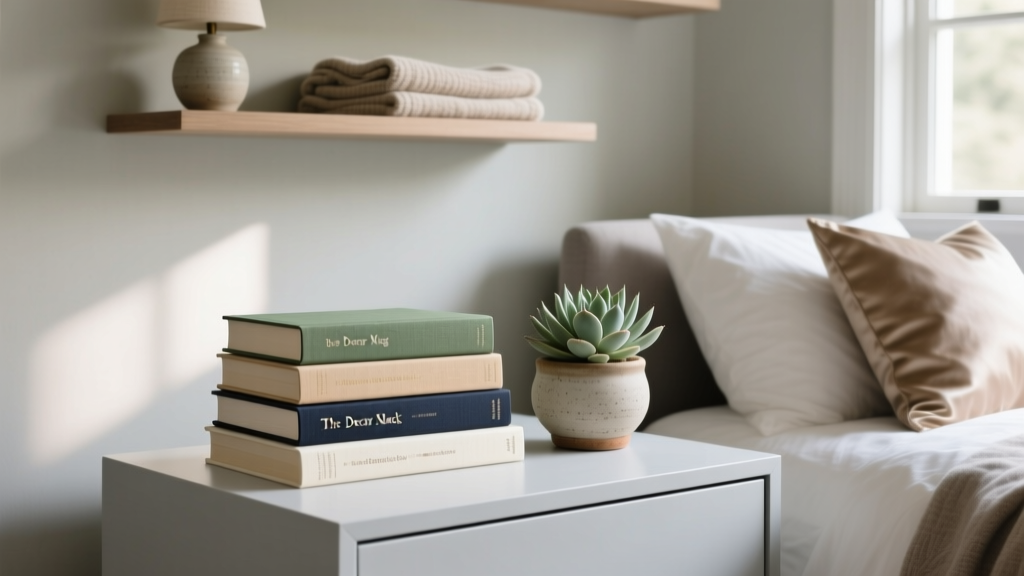
Best Bedroom Bedside Reading Stack - The Decor Mag
A bedside reading stack is more than a pretty pile of books—it can be a calming ritual, a design anchor, and a gentle signal to your brain that the day is winding down. When your bedroom design supports a soothing evening routine, your sleep environment becomes an active part of your wellness. The right selection of books, paired with supportive lighting and a clutter-free nightstand, helps you relax without accidentally inviting overstimulation (or a midnight scroll session).
For homeowners and renters alike, creating a sleep-friendly bedroom doesn’t require a full renovation. A few smart choices—nightstand size, lamp type, color palette, and what you keep within arm’s reach—can make your space feel intentional and restorative. This guide walks through how to build the best bedside reading stack for your bedroom decor while protecting sleep quality, reducing visual noise, and making evenings feel easier.
What Makes a “Best” Bedside Reading Stack?
The best bedside reading stack is visually calm, physically practical, and aligned with your bedtime routine. It should look styled without feeling precious, and it should support relaxation rather than become another chore.
The 3-part formula: style + function + sleep wellness
- Style: Colors and covers that work with your bedroom decor, plus a balanced height for your nightstand.
- Function: Books you actually want to read, a system to rotate them, and space for essentials (water, lamp, glasses).
- Sleep wellness: Content that calms rather than energizes; lighting that’s warm and controlled; minimal clutter to reduce stress.
Ideal stack size and height
A good rule: 2–5 books total, with a maximum height of 6–10 inches for most nightstands. If your stack is taller than your lamp base, it can feel visually top-heavy and crowd your functional space.
- Small nightstand (12–16 inches wide): 2–3 books
- Standard nightstand (18–24 inches wide): 3–5 books
- Floating shelf or ledge: 1–3 slim books, face-out or stacked
How to Choose Books That Support Better Sleep
Your bedtime reading should cue relaxation. The wrong genre can trigger alertness, racing thoughts, or “just one more chapter” momentum that pushes sleep later.
Sleep-friendly book categories
- Gentle fiction: Character-driven, low suspense, comforting pacing.
- Essays and short stories: Natural stopping points that prevent late-night cliffhangers.
- Poetry: Slower reading rhythm, soothing language.
- Nature, art, and photography books: Visually calming, low cognitive load.
- Light wellness reads: Practical, reassuring topics (habits, mindfulness, home organization) rather than intense self-improvement pressure.
What to avoid at bedtime (if you struggle with sleep)
- High-stakes thrillers and fast-paced mysteries that keep your nervous system “on.”
- Work-related reading that cues productivity and problem-solving.
- Heavy news or current events that can spike stress.
- Overly bright, glossy coffee table books if they reflect light and feel visually stimulating at night.
Create a simple rotation system
Keep your bedside reading stack fresh without becoming cluttered:
- Choose one primary book you’re actively reading.
- Add one “dip-in” book (essays/poetry) for low-effort nights.
- Include one calming visual book (art, interiors, nature) if you enjoy flipping pages.
- Store the rest on a shelf or basket within the bedroom—nearby, but not on the nightstand.
Nightstand Styling: Make the Stack Look Intentional (Not Messy)
In bedroom design, a nightstand is prime visual real estate. A reading stack can add height, warmth, and personality—when it’s edited. The goal is a restful look that supports your sleep environment.
Basic bedside layout that works in most bedrooms
- Back corner: Lamp (or wall sconce switch within reach)
- Center: Clear space for a water glass and essentials
- Front corner: Reading stack with a small tray or bookmark
Use a tray to keep small items contained
A tray instantly reduces visual clutter, which can help the bedroom feel calmer at night.
- Best tray materials for a sleep-friendly vibe: matte wood, rattan, linen-wrapped, ceramic
- Avoid: mirrored trays if reflections feel busy or bounce light around the room
Add one “soft” object to balance hard book edges
- A small linen or cotton-covered box for earbuds
- A rounded ceramic catchall for rings
- A fabric-shaded mini lamp (especially soothing in small bedrooms)
Keep the palette quiet
If your goal is better sleep, consider covers and objects in muted tones that complement your bedroom decor:
- Best calming colors: warm whites, oat, taupe, soft gray, sage, dusty blue, clay
- If your room is colorful: choose books with neutral spines to keep the bedside from feeling chaotic
Furniture Choices That Make Bedside Reading Easier
The right furniture supports comfort and reduces friction at bedtime. When the bedroom layout works, you’re more likely to read for a few minutes, turn off the light, and drift to sleep.
Nightstand size and height guidelines
- Height: Aim for the nightstand top to be within 1–3 inches of your mattress height.
- Surface area: Minimum 14 x 14 inches for a lamp + stack + water.
- Storage: One drawer or shelf helps keep the top clear (chargers, hand cream, sleep mask).
Best nightstand types for a calm bedroom
- Closed-drawer nightstands: Best for visual calm and dust control.
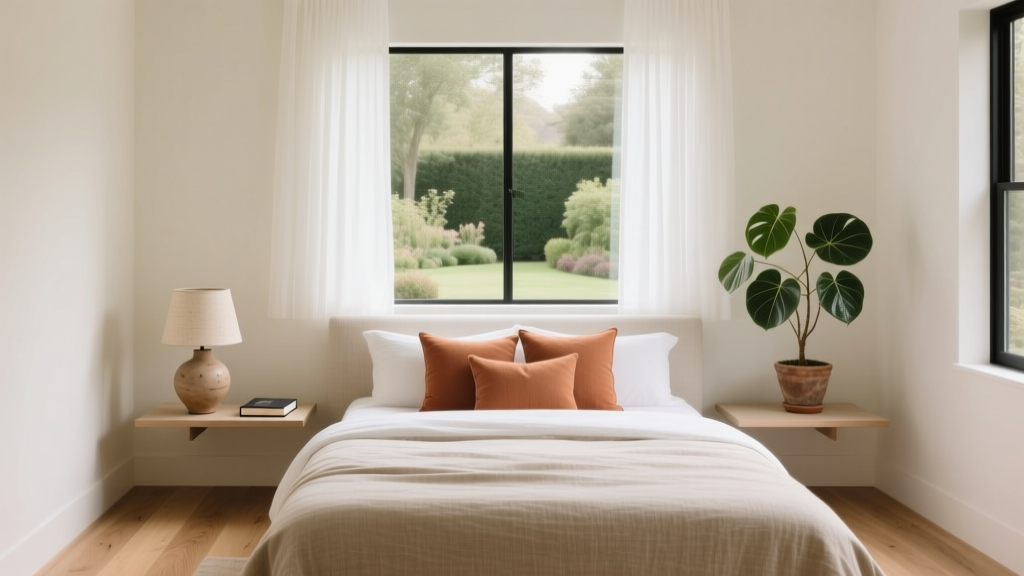
- Wall-mounted floating nightstands: Great for small bedrooms and renters (choose models with hidden brackets).
- Small cabinet-style tables: Useful when you want to hide reading glasses, notebooks, or medication.
Budget ranges (nightstands)
- Budget: $60–$150 (engineered wood, metal frames, compact designs)
- Mid-range: $150–$400 (solid wood veneers, soft-close drawers, better hardware)
- Investment: $400–$900+ (solid wood, custom finishes, heirloom quality)
Lighting for Bedside Reading (Without Disrupting Sleep)
Lighting is one of the most overlooked elements of a sleep-friendly bedroom. A bright or cool-toned lamp can delay melatonin and make it harder to relax—even if your book is soothing.
The best light temperature and bulb type
- Color temperature: 2200K–2700K warm light for bedtime
- Bulb style: LED labeled “warm white” or “amber”
- Avoid: 4000K+ “daylight” bulbs in the bedroom
Choose dimmable lighting whenever possible
- Dimmable table lamp with a warm bulb
- Wall sconces with dimmers for more nightstand surface space
- Clip-on reading light (excellent for renters and shared bedrooms)
Practical lamp recommendations
- Shade: Fabric or linen shade softens glare; avoid clear glass shades for bedtime.
- Shape: A wider shade casts light across pages without requiring a high-watt bulb.
- Controls: Touch lamps are convenient, but a simple rotary switch can be less fiddly at night.
Budget ranges (bedside lighting)
- Budget: $20–$60 (clip-on lights, small table lamps, basic dimmable bulbs)
- Mid-range: $60–$180 (better shades, sturdier bases, integrated dimmers)
- Investment: $180–$500+ (hardwired sconces, designer lamps, premium materials)
Bedding and Comfort Details That Make Reading in Bed Better
If your bed isn’t supportive for reading, you’ll fidget, strain your neck, and associate bedtime with discomfort. A few bedding upgrades can improve both reading comfort and sleep quality.
Pillows that support reading without wrecking sleep posture
- Medium-support back pillow (or a reading wedge) for upright comfort
- Two standard pillows to adjust height rather than stacking five random ones
- Avoid: Very high, stiff stacks that push the head forward and strain the neck
Material recommendations for a cozy, breathable sleep environment
- Sheets: Cotton percale (crisp, cool) or bamboo/lyocell (soft, temperature-friendly)
- Duvet cover: Washed cotton or linen for a relaxed look and good airflow
- Throw blanket: Cotton knit or lightweight wool for warmth without overheating
Budget ranges (bedding upgrades)
- Budget: $30–$90 (throws, pillow covers, basic sheet sets)
- Mid-range: $90–$250 (quality percale sheets, linen-blend duvet covers)
- Investment: $250–$600+ (premium linen, high-quality down-alternative inserts, specialty pillows)
Bedroom Colors and Layout Ideas That Elevate the Reading Stack
The bedside reading stack looks best when the surrounding bedroom design feels cohesive. Even in a rental, you can create a calm bedroom aesthetic with color and layout choices that reduce visual clutter.
Calming color approaches for the bedside zone
- Soft monochrome: Layer similar neutrals (cream, sand, warm gray) for a serene look.
- Nature-inspired: Sage, muted blue, and clay pair beautifully with wood and linen.
- Low-contrast styling: Keeps the eye from “catching” on busy edges at night.
Layout tips for small bedrooms
- Swap a wide nightstand for a floating shelf plus a wall sconce.
- Use a bedside caddy for the active book and keep the stack minimal.
- Keep a slim basket under the nightstand for additional books—out of sight, easy to access.
Sleep-Friendly Wellness Tips for Bedside Reading
Reading can be one of the most effective screen-free wind-down habits. Pair it with a few gentle cues to support a better sleep routine.
- Set a “last chapter” boundary: Choose a page count (10–20 pages) rather than reading until you’re exhausted.
- Keep a notepad nearby: If thoughts pop up, jot them down and return to reading.
- Try a consistent start time: Begin reading at the same time each night to strengthen the habit loop.
- Protect your circadian rhythm: Dim lights in the last hour before sleep; warm lighting helps the body transition.
- Reduce bedroom distractions: Keep work items and chargers off the nightstand if possible.
Common Mistakes to Avoid
- Overstacking books: Tall piles collect dust and create clutter, which can subtly raise stress levels.
- Using cool, bright bulbs: “Daylight” lighting can make reading easier but can disrupt sleep quality.
- Letting the nightstand become a catchall: Receipts, cords, and skincare clutter the sleep environment.
- Choosing stimulating reads: A thriller at 10:30 p.m. often turns into a late bedtime.
- Ignoring ergonomics: If reading in bed hurts your neck or shoulders, you’ll resist the routine or toss and turn.
- Relying on overhead lighting: Ceiling lights are usually too bright and too broad for a calm bedtime mood.
FAQ: Bedside Reading Stack and Bedroom Design
How many books should be on a nightstand?
For most bedrooms, 2–5 books is the sweet spot. It looks styled, supports choice, and still leaves room for essentials like a lamp and water.
What’s the best bedside lamp for reading in bed?
A dimmable lamp with a fabric shade and a 2200K–2700K warm bulb is ideal. If space is tight, consider a wall sconce or clip-on reading light.
Can bedside reading help improve sleep quality?
Yes—especially if it replaces screens. A calm reading routine can lower mental stimulation, support relaxation, and reinforce a consistent bedtime rhythm in your sleep environment.
What if I don’t have room for a nightstand?
Use a floating shelf, a bedside caddy, or a small stool as a compact alternative. Pair it with a plug-in sconce or clip-on light to keep the surface clear.
What materials look best for a calm bedroom nightstand setup?
Natural, matte textures tend to feel most restful: light or medium wood, rattan, linen, ceramic, and brushed metal. They soften the bedside look and work across many bedroom decor styles.
How do I keep my bedside area from looking cluttered?
Limit items to the “bedtime essentials” and contain small objects in a tray. Keep extra books in a basket or on a shelf, and aim for one clear zone on the nightstand top.
Actionable Next Steps for a Better Bedside Reading Setup
- Edit your nightstand: Clear everything off, then add back only what supports rest (lamp, water, book, tray).
- Build a 3-book stack: One active read, one dip-in book, one calming visual book.
- Upgrade your bulb: Switch to a 2200K–2700K warm LED and add dimming if possible.
- Tune the comfort: Add a supportive back pillow or wedge and a breathable throw.
- Create a ritual: Set a small page goal and a consistent start time to make reading a true wind-down habit.
A thoughtfully styled bedside reading stack brings beauty to your bedroom decor while supporting the deeper goal: a calmer, more sleep-friendly bedroom that helps you wake up feeling restored. For more soothing bedroom design ideas and wellness-forward decor guidance, explore the latest inspiration on thedecormag.com.
More Articles
 Best Bedroom Sleep Sound Playlist - The Decor Mag
 Best Bedroom White Noise Setup - The Decor Mag
 Bedroom Curtains for Better Sleep (2026)
 The Best Bedding Sets for Every Season - The Decor Mag
 Bedroom Organic Cotton Bedding Guide - The Decor Mag
 Best Bedroom Dresser Organization Tips - The Decor Mag
 Global Textiles in Bedrooms: Styling Ideas (2026)
 Best Bedroom Sleep Tracking Device Spot - The Decor Mag
 How to Choose Bedroom Euro Sham Size - The Decor Mag
 Bedroom Styling with Intentional Design | The Decor Mag