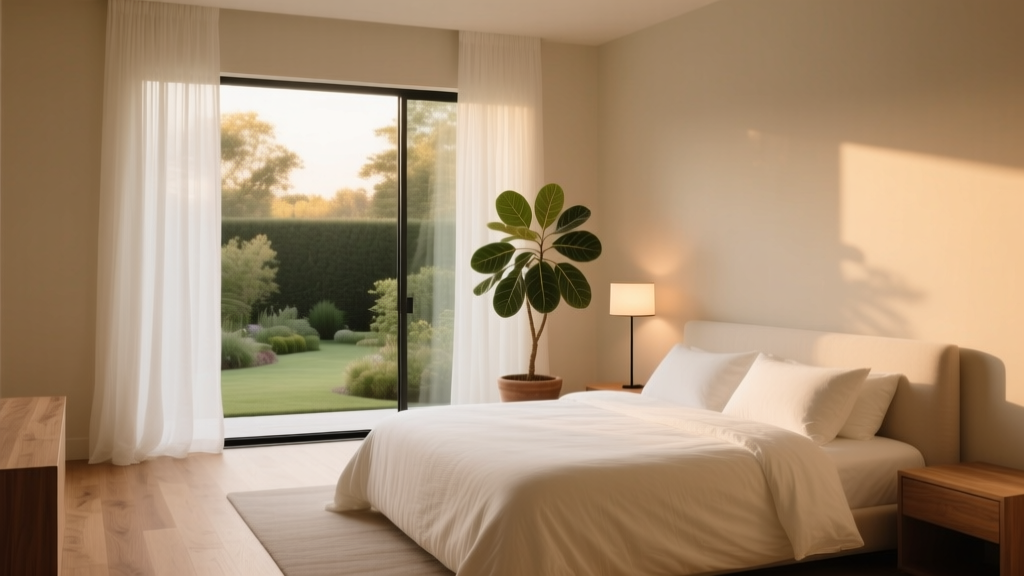
Bedroom Retreat: Decor Ideas for 2026
A retreat isn’t defined by square footage or a luxury budget. It’s a feeling—quiet, safe, unhurried. When your bedroom is designed with that purpose, it becomes more than a place to crash at night. It becomes a supportive sleep environment that helps your body downshift, your mind let go, and your mornings start with more ease.
Bedroom design and sleep quality are closely linked. Light exposure affects your circadian rhythm, noise and temperature influence how often you wake, and visual clutter can keep your nervous system on alert. A thoughtfully designed bedroom can reduce stimulation, encourage relaxation, and make healthy sleep habits feel effortless.
This guide breaks down practical, renter-friendly ways to create a calming bedroom retreat—covering layout, furniture, bedding, lighting, color, and wellness-focused details. You’ll also find common mistakes to avoid, budget ranges, and a quick FAQ to help you make confident choices.
Start With the Feeling: Define Your Bedroom Retreat Goals
Before you buy anything, decide what “retreat” means to you. The most restful bedrooms have a clear intention that guides every decision—so the space doesn’t become a mix of trends or random upgrades.
Choose 2–3 guiding words
- Quiet (sound-softening textiles, fewer electronics)
- Airy (lighter palette, hidden storage, minimal surfaces)
- Cocooning (layered bedding, warm lighting, deeper colors)
- Grounded (natural materials, earthy tones, tactile textures)
- Hotel-like (crisp linens, symmetrical nightstands, streamlined decor)
Pick your “non-negotiables”
These are the upgrades that directly support better rest. Examples:
- Blackout window coverage or a sleep mask
- A supportive mattress and pillow setup
- Warm, dimmable bedroom lighting
- A clutter-minimizing storage plan
Layout That Calms: Create Space to Breathe
Even a small bedroom can feel like a retreat when circulation is easy and the bed feels anchored. A good layout reduces friction—no squeezing past furniture, no visual chaos, no constant reminders of unfinished tasks.
Anchor the bed like a focal point
- Place the bed on the longest uninterrupted wall when possible.
- Avoid pushing the bed into a corner unless space demands it; balanced access on both sides feels calmer.
- If you can’t center the bed, create balance with a wall-mounted sconce on one side and a slim nightstand on the other.
Keep walkways clear
As a general guideline, aim for:
- 24–30 inches of clearance on the sides of the bed (or at least one side)
- 36 inches for main pathways when possible
Separate sleep from “daytime life”
Your brain learns cues. If your bed doubles as an office, dining table, and laundry station, it can become harder to associate the bedroom with rest.
- If you work in the bedroom, place a desk away from the bed and use a screen or curtain to visually “close” it at night.
- Use a lidded basket or cabinet to hide work items after hours.
Furniture Essentials: Calm, Functional, and Right-Sized
Bedroom furniture should support rest, not steal it. Think right-sized pieces, soft edges, and storage that reduces visual clutter.
Bed frame and headboard recommendations
- Upholstered headboards (linen, performance fabric, velvet): soften sound and feel cozy.
- Wood frames (oak, walnut, ash): bring warmth and a grounded look.
- Avoid squeaky metal frames if you’re a light sleeper; they can create micro-disturbances.
Budget ranges: basic platform frames $150–$400; quality upholstered frames $500–$1,200; investment frames $1,500+.
Nightstands that reduce clutter
A retreat-like bedroom typically has surfaces that stay mostly clear.
- Choose one-drawer or two-drawer nightstands to hide chargers, lotion, and bedtime essentials.
- If space is tight, use a floating shelf nightstand or a narrow pedestal table.
Budget ranges: $60–$200 (basic), $250–$600 (solid wood/quality), $700+ (designer).
Storage that’s invisible (or beautiful)
- Under-bed storage with zip fabric bins or rolling drawers for off-season clothing.
- Closed dressers over open shelving to reduce visual noise.
- Lidded baskets for throws and reading materials.
Bedding That Feels Like a Five-Star Reset
For many people, the quickest path to a bedroom retreat is upgrading the bed. Your bedding affects temperature regulation, comfort, and how fast you relax.
Choose breathable, touchable materials
- Cotton percale: crisp, cool, hotel-like; great for hot sleepers.
- Cotton sateen: smoother and slightly warmer; a soft, luminous finish.
- Linen: airy, textured, excellent for temperature control; relaxes with each wash.
- Tencel/Lyocell: silky and moisture-wicking; helpful for night sweats.
Layer bedding like a retreat
- Base layer: breathable sheets (percale, linen, or Tencel)
- Comfort layer: duvet insert or quilt matched to your climate
- Texture layer: a throw blanket (cotton, wool blend, or cashmere blend)
- Pillow layer: 2 sleeping pillows + 2 shams (optional) for visual calm
Get the warmth level right
Sleep research consistently points to temperature as a major driver of sleep quality. Many people sleep best in a cool room (often around 60–67°F, depending on preference), with adjustable bedding on top.
- Look for a duvet insert labeled “all-season” for most climates.
- Hot sleepers may prefer a lightweight down alternative or a cotton quilt.
- Cold sleepers can layer a wool blanket under the duvet for warmth without overheating.
Budget ranges: sheet sets $50–$120 (good), $130–$250 (premium), $300+ (luxury); duvet inserts $60–$180 (mid), $200–$450 (high).
Lighting for a Sleep-Friendly Bedroom Atmosphere
Lighting is one of the most powerful levers in bedroom design because it directly influences melatonin production and your sense of calm. A retreat-like bedroom uses layered, warm lighting and avoids harsh overhead glare.
Use a three-layer lighting plan
- Ambient: ceiling fixture or soft flush mount on a dimmer
- Task: bedside reading lights (sconces or adjustable lamps)
- Accent: a small table lamp, picture light, or LED strip behind a headboard for glow
Prioritize warm color temperature
- Choose bulbs around 2200K–2700K for a cozy, evening-friendly glow.
- Use dimmers or smart bulbs to gradually lower light in the hour before bed.
Window treatments that protect sleep
- Blackout curtains or blackout liners help reduce early morning light and street glow.
- Double-rod setup: sheer curtains for daytime + blackout panels for night.
- For renters, try tension rods or removable hooks to avoid wall damage.
Budget ranges: blackout panels $30–$120 per pair; higher-end lined drapery $200–$600+ per window.
Colors and Textures That Signal “Retreat”
Color psychology matters, but personal comfort matters more. The goal is to choose a palette that feels quiet to your nervous system and cohesive to your eye.
Soothing color directions (with flexible neutrals)
- Warm neutrals: ivory, oatmeal, sand, greige
- Soft greens: sage, eucalyptus, olive-gray
- Muted blues: dusty blue, slate, blue-gray
- Earth tones: clay, terracotta blush, mushroom taupe
Texture is the shortcut to cozy
Even a neutral bedroom can feel flat without texture. Add tactile comfort through:
- Natural fiber rugs (wool, wool-blend, cotton) to soften footsteps
- Layered bedding (linen + quilt + knit throw)
- Matte finishes instead of high-gloss wherever possible
- Wood and woven elements (rattan, cane, seagrass) for warmth
Wellness Details: Quiet, Air, Scent, and Sound
A true bedroom retreat supports the senses. Small upgrades here can noticeably improve your sleep environment.
Sound: reduce disruptions and create consistency
- Add a plush rug pad and heavier curtains to soften echo.
- Use a white noise machine or fan if outside noise is unpredictable.
- Seal light and sound leaks with a door draft stopper.
Air: keep it fresh and comfortable
- Wash bedding weekly and vacuum around the bed to reduce allergens.
- Consider an air purifier if you have allergies, pets, or city air (budget: $80–$250; premium: $300–$700).
- Keep humidity comfortable; many sleepers prefer 30–50%. A small humidifier can help in dry climates (budget: $30–$120).
Scent: subtle and sleep-safe
Fragrance can be relaxing, but keep it gentle.
- Try lavender, chamomile, cedarwood, or bergamot in low intensity.
- Use a linen spray or a reed diffuser placed away from the bed.
- Avoid overpowering synthetic scents; they can be stimulating or irritating for sensitive sleepers.
Plants: calming, but choose wisely
- Low-maintenance options: snake plant, pothos, ZZ plant (keep out of reach of pets if toxic).
- If you’re allergy-prone, keep plants minimal and avoid flowering varieties.
Common Mistakes That Make a Bedroom Feel Less Restful
- Too much overhead light: a single bright fixture can feel clinical. Add lamps and dimmers.
- Clutter on every surface: visual noise increases stress. Use closed storage and a simple nightly reset.
- Work-from-bed habits: it blurs boundaries and can worsen sleep associations.
- Ignoring window treatments: streetlights and early sun can fragment sleep.
- Mismatched bedding warmth: overheating is a common reason for night waking.
- Decor that’s trendy but not soothing: bold patterns and high-contrast palettes can energize rather than relax.
- Electronics glow: screens and LEDs can disrupt melatonin. Hide chargers, cover indicator lights, and set device curfews.
A Simple Plan: Turn Your Bedroom Into a Retreat in 7 Steps
- Declutter the bedside zone: clear surfaces and add a drawer/nightstand organizer.
- Upgrade lighting: warm bulbs + bedside lamps or sconces.
- Improve darkness: blackout curtains or a layered window solution.
- Make the bed irresistible: breathable sheets, correct duvet weight, and one cozy texture layer.
- Refine the palette: pick 2–3 core colors and repeat them across bedding, rug, and curtains.
- Quiet the room: add a rug pad, heavier curtains, and white noise if needed.
- Create a wind-down ritual: a book, gentle stretching, or a 10-minute tidy reset to cue sleep.
FAQ: Bedroom Retreat Design and Sleep Environment
What’s the fastest way to make a bedroom feel like a retreat?
Start with the bed and lighting. Upgrade to breathable sheets (cotton percale, linen, or Tencel), add a duvet that matches your temperature needs, and switch to warm, dimmable lighting. These changes quickly improve comfort and the sleep-friendly atmosphere.
How can renters create a calming bedroom without painting or renovations?
Use removable upgrades: blackout curtains on tension rods, plug-in sconces, peel-and-stick wallpaper behind the bed, a large area rug, and layered bedding in a cohesive palette. Closed storage baskets also make a big difference with zero permanent changes.
What colors are best for a relaxing bedroom?
Soft, low-contrast colors tend to feel most calming—warm neutrals, muted greens, and dusty blues are popular choices. The best color is one that makes your body feel settled at night, especially when paired with warm lighting and natural textures.
How do I make a small bedroom feel more luxurious?
Go for “fewer, better” pieces: a well-fitted rug, matching nightstands (or visually similar alternatives), blackout curtains that hang high and wide, and crisp bedding with one textured throw. Keeping surfaces clear and cords hidden instantly elevates the space.
Does bedroom design really affect sleep quality?
Yes. Light exposure, noise levels, temperature comfort, and clutter can all influence how easily you fall asleep and how often you wake. A supportive bedroom design reduces stimulation and makes healthy sleep cues more consistent.
What’s a realistic budget to refresh a bedroom retreat-style?
A meaningful refresh can start around $200–$600 (warm bulbs, curtains, new sheets, a throw, decluttering tools). A more complete upgrade typically lands around $800–$2,500 (rug, lighting, bedding overhaul, furniture swaps). You can build it in phases, starting with sleep-impact items first.
Next Steps: Your Bedroom Retreat, One Calm Upgrade at a Time
Choose one category to improve this week—darkness, bedding comfort, lighting, or clutter control—and make a focused change. Retreat-like bedrooms aren’t created by perfection; they’re built through small decisions that support rest. When your space feels calmer, your sleep environment becomes a cue for deeper relaxation and better sleep quality.
For more sleep-friendly bedroom design, decor ideas, and practical upgrades you can actually live with, explore the latest inspiration on thedecormag.com.
More Articles
 Best Bedroom Jewelry Organization - The Decor Mag
 How to Choose Bedroom Comforter Fill - The Decor Mag
 How to Create a Bedroom That Feels Serene - The Decor Mag
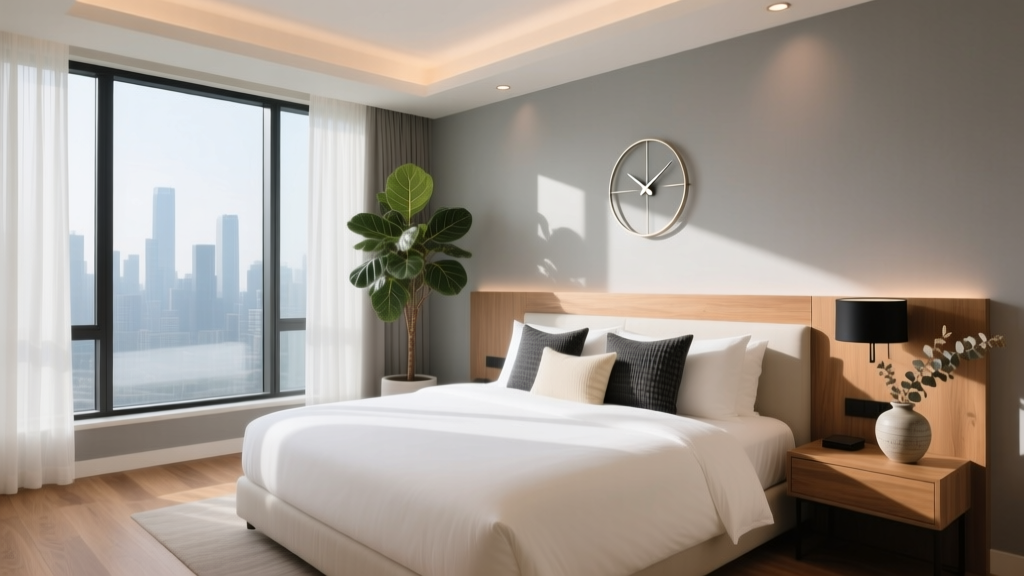 Hotel Bedroom Decor: Transform Your Space (2026)
 Bedroom Warm Wood Canopy Bed Frame - The Decor Mag
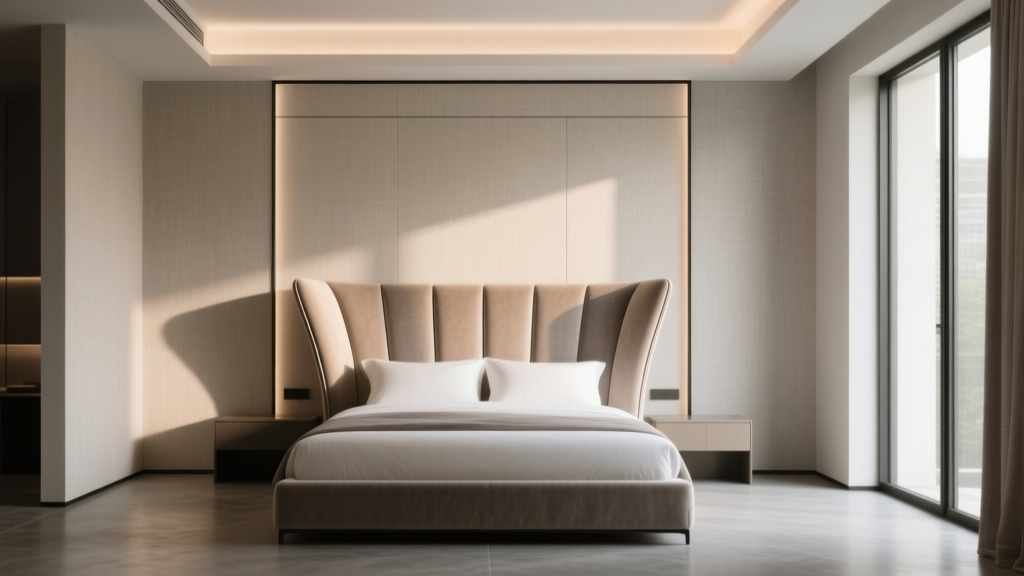 Bedroom Wingback Headboard Design - The Decor Mag
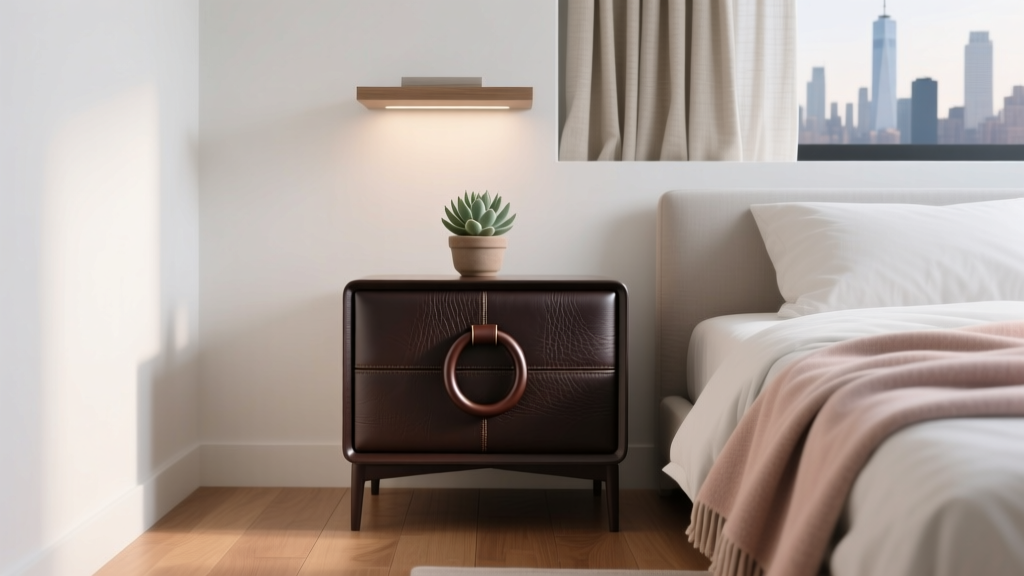 Bedroom Leather Pull Nightstand Handles - The Decor Mag
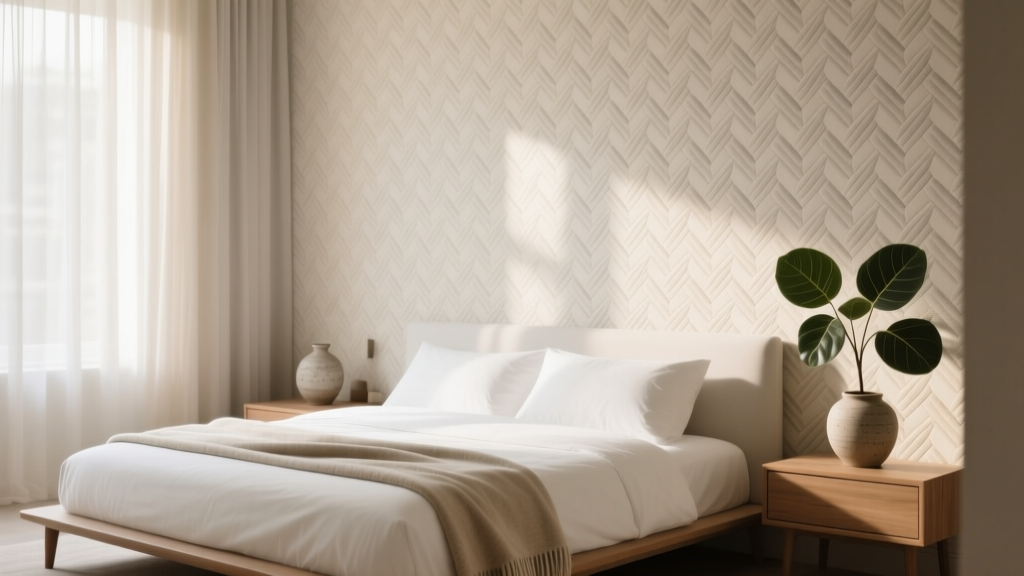 Bedroom Textured Wallpaper Ideas - The Decor Mag
 Best Bedroom Sleep Environment Checklist - The Decor Mag
 Best Bedroom Meditation Corner Setup - The Decor Mag