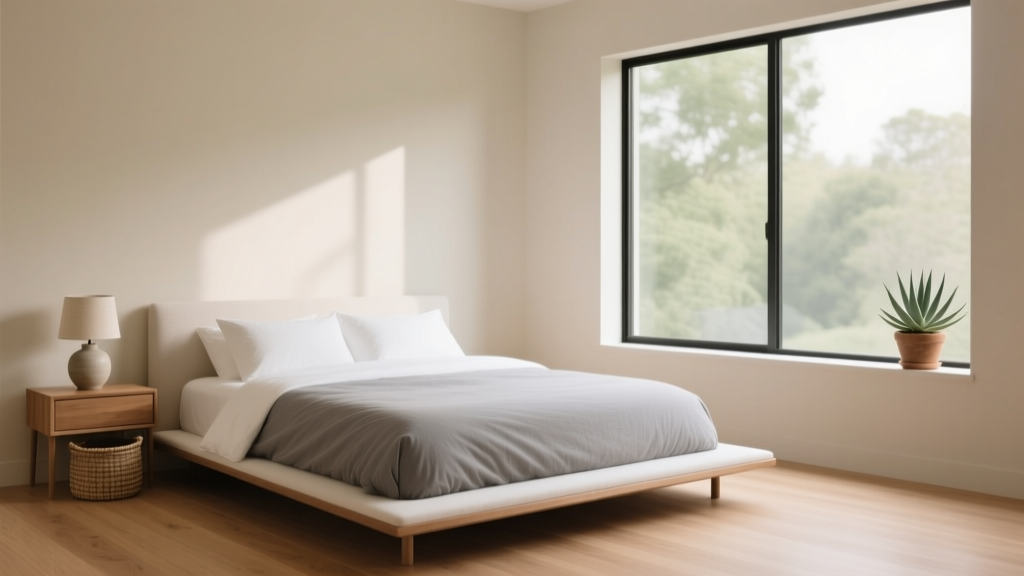
Minimalist Bedroom Styling: Simple Ideas (2026)
A minimalist bedroom isn’t about living with nothing—it’s about living with less noise. When your sleep space is visually calm and functionally simple, your brain gets a clear signal that it’s safe to power down. That matters because your bedroom design directly affects your sleep environment: light, clutter, and even the way furniture blocks your path can raise stress and make it harder to fall asleep or stay asleep.
For homeowners and renters alike, a minimalist approach can be one of the fastest ways to improve rest without a full renovation. By choosing fewer, better pieces and shaping a layout that supports easy movement, you create a bedroom that feels spacious, breathable, and restorative—no matter the square footage.
This guide walks through practical, sleep-friendly ways to style a minimalist bedroom: what to keep, what to edit, which materials and colors feel most soothing, and how to build a calm bedroom decor plan that fits real-life budgets.
What “Minimalist” Means for Bedroom Design (and Why Sleep Loves It)
Minimalism in interior design focuses on clarity: clean lines, purposeful furniture, and uncluttered surfaces. In a bedroom, that translates to fewer visual distractions and a steadier sensory experience—both supportive for relaxation and better sleep quality.
The sleep connection: less stimulation, easier wind-down
- Lower visual clutter can reduce cognitive load at bedtime.
- Simplified lighting helps protect your circadian rhythm (especially when bulbs are warm and dimmable).
- Better airflow and easier cleaning supports comfort, allergy control, and a fresher sleep environment.
- Intentional storage keeps daily life contained, so your bedroom stays a place for rest and intimacy—not a catch-all.
Start with a Minimalist “Edit”: Keep the Room, Not the Clutter
Before buying anything, refine what you already have. Minimalist bedroom styling works best when you remove the extras first and then add only what improves comfort or function.
A simple 30-minute reset
- Clear the bed and nightstands completely. Put everything in a laundry basket or tote.
- Remove floor distractions: extra baskets, stacks of books, gym gear, stray cables.
- Do a quick “sleep-only” audit: if it doesn’t help you sleep, dress, or relax, it doesn’t belong here.
The minimalist “keep” criteria
- Useful weekly (lamp, water carafe, book, charger)
- Supports sleep quality (blackout curtains, humidifier, white noise machine)
- Visually calming (one art piece you love, one plant, one textured throw)
Choose the Right Foundation: Bed, Mattress, and Layout
Minimalist bedroom decor is built around the bed—both visually and physically. When the bed is comfortable and the layout is intuitive, the whole room feels calm.
Layout principles for a minimalist bedroom
- Center the bed on the most natural focal wall when possible (usually the wall you face when entering).
- Create clear pathways: aim for 24–30 inches of walking space on each side of the bed if room allows.
- Keep the “sleep zone” quiet: avoid positioning the bed directly under busy shelving or facing clutter-heavy storage.
- Limit furniture to essentials: bed + two nightstands (or one) + dresser/wardrobe is often enough.
Minimalist bed frame recommendations
Look for clean silhouettes and durable materials that won’t squeak or wobble.
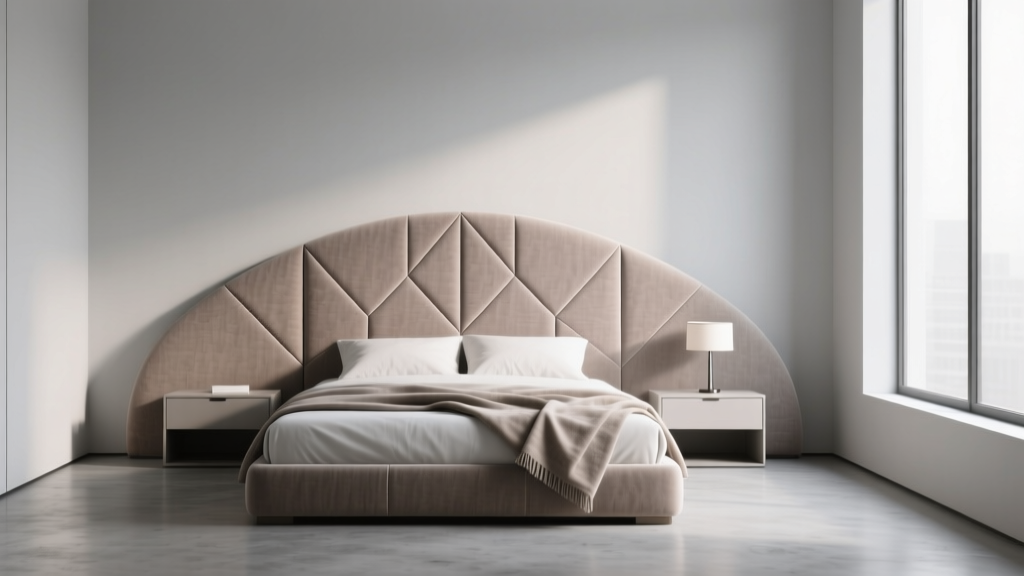
- Upholstered platform bed (soft edges, quiet feel): ideal for cozy minimalism. Choose performance fabric or tightly woven linen blends.
- Solid wood platform bed (oak, ash, walnut, beech): timeless and warm, pairs well with neutral palettes.
- Simple metal frame (matte black or bronze): best for small rooms; visually lighter.
Budget ranges:
- Bed frame: $200–$500 (basic), $600–$1,200 (mid-range solid wood), $1,300–$2,500+ (premium hardwood or designer)
- Mattress: $400–$900 (value foam or hybrid), $1,000–$2,000 (quality hybrid/latex), $2,000–$4,000+ (luxury or adjustable)
Minimalist Color Palettes That Feel Restful
The best minimalist bedroom colors are quiet, soft, and low-contrast. This doesn’t mean you must use all white—just keep the palette limited and cohesive.
Three calming minimalist palettes
- Warm neutrals: creamy white + sand + oatmeal + light oak
- Soft modern: off-white + pale gray + muted charcoal accents
- Earthy calm: warm white + clay/terracotta + olive or sage accents
Paint and finish tips for a better sleep environment
- Choose matte or eggshell finishes to reduce glare from lamps and morning light.
- Keep trim and ceiling one shade lighter than walls for gentle definition.
- If you love color, use it as a single accent: one wall, one textile, or one artwork—not all three.
Bedding: Minimal Look, Maximum Comfort
Minimalist bedroom styling shines when bedding is layered thoughtfully. The goal is a bed that looks simple but feels deeply comfortable—because comfort drives sleep quality.
Best bedding materials for minimalist comfort
- Cotton percale: crisp, breathable, ideal for hot sleepers and a tailored look.
- Cotton sateen: smoother and slightly warmer, great for a polished feel.
- European flax linen: relaxed texture, excellent temperature regulation, looks effortless.
- Wool or wool-blend blanket: breathable warmth without overheating.
A simple minimalist bedding formula (that still looks styled)
- Fitted sheet + top sheet in a solid neutral (white, ivory, light gray).
- Duvet insert chosen by warmth level (lightweight, all-season, or winter).
- Duvet cover in the same family as walls (for a seamless, calm look).
- Two sleeping pillows per person + one lumbar or one accent pillow (optional).
- One textured throw folded at the foot of the bed (linen, knit cotton, or wool).
Budget ranges:
- Sheet set: $40–$90 (basic cotton), $100–$200 (quality percale/sateen), $200–$400+ (premium long-staple cotton or linen)
- Duvet insert: $60–$150 (down-alternative), $180–$350 (quality down), $250–$500 (wool or premium options)
Sleep-friendly pillow guidance
- Side sleepers: medium-firm, higher loft to support neck alignment.
- Back sleepers: medium, medium loft to keep head neutral.
- Stomach sleepers: soft, low loft (or consider transitioning positions for neck comfort).
Minimalist Lighting That Supports Your Circadian Rhythm
Lighting is one of the most powerful tools for a sleep-friendly bedroom. Minimalist lighting keeps fixtures simple and layered, so you can shift from bright daytime function to gentle evening calm.
The ideal minimalist lighting plan
- Ambient: a ceiling fixture or flush mount with a diffuser (avoid harsh exposed bulbs).
- Task: bedside lamps or wall sconces for reading.
- Accent: a small, low lamp or LED strip (hidden) for soft evening light.
Bulb and fixture recommendations
- Choose 2700K warm bulbs (or 2200K–2400K for extra cozy evening light).
- Use dimmable bulbs or smart bulbs to reduce brightness 1–2 hours before bed.
- Prefer shaded lamps (linen, paper, or frosted glass) to minimize glare.
Budget ranges:
- Table lamps: $30–$80 (basic), $90–$200 (quality ceramic/metal), $250+ (designer)
- Plug-in wall sconces (renter-friendly): $40–$150 each
Furniture and Storage: Fewer Pieces, Better Function
Minimalist bedroom furniture should solve problems quietly: clutter, laundry overflow, lack of bedside space. Aim for closed storage, clean lines, and easy-to-clean surfaces.
Essential minimalist furniture (with practical alternatives)
- Nightstand: one drawer minimum to hide small items. Alternative: a floating shelf with a catchall tray.
- Dresser or wardrobe: choose one main clothing storage piece instead of several small ones.
- Bench or ottoman (optional): provides a landing spot for a throw or tomorrow’s outfit—choose one with hidden storage.
Materials that look calm and last
- Solid wood or wood veneer (oak, ash, walnut) for warmth and durability.
- Powder-coated metal for sleek, modern minimalism.
- Natural fibers (cotton, wool, jute) for texture without visual clutter.
Minimalist storage upgrades that change everything
- Under-bed storage bins with lids for off-season clothing.
- Drawer organizers to prevent “junk drawers” from migrating to surfaces.
- A lidded hamper to keep laundry out of sight (and make the room feel instantly calmer).
- Cable management: cord clips, a bedside charging dock, or a power strip mounted behind the nightstand.
Budget ranges:
- Nightstand: $60–$150 (basic), $200–$500 (solid wood or quality build)
- Dresser: $200–$500 (value), $600–$1,500 (mid-range), $1,600–$3,500+ (premium)
Textiles and Decor: Minimal Doesn’t Mean Bare
The most inviting minimalist bedroom decor uses a small number of tactile elements. Texture replaces clutter: a wool rug, linen curtains, a ceramic lamp base.
Minimal decor rules that keep the room soothing
- Stick to 1–2 statement pieces: one artwork above the bed, or one large plant.
- Go larger, not busier: a single oversized print feels calmer than a gallery wall.
- Use natural textures to add depth while staying neutral.
Rug and curtain recommendations
- Rugs: wool for softness and durability; low-pile for easier cleaning. Size tip: for a queen bed, consider 8x10 if the room allows.
- Window treatments: layer blackout curtains with a sheer if you want daytime softness. Renters can use no-drill tension rods or adhesive brackets.
Budget ranges:
- Rug: $100–$250 (synthetic), $300–$900 (wool blend/wool), $1,000+ (premium wool/handwoven)
- Blackout curtains: $30–$80 per panel (basic), $90–$200 per panel (linen blend or higher quality)
Wellness Tips for a Sleep-Friendly Minimalist Bedroom
Minimalist styling works best when paired with sleep hygiene that protects your bedroom’s purpose: rest and recovery.
- Keep it cool: many sleepers do best around 60–67°F (15–19°C). Use breathable bedding and a fan if needed.
- Reduce nighttime light: switch to warm bulbs, dim lights after sunset, and keep hall light from spilling in.
- Lower allergens: wash sheets weekly, vacuum rugs regularly, and consider an air purifier if you’re sensitive.
- Control sound: soft rugs, curtains, and upholstered headboards absorb noise; a white noise machine can smooth disruptions.
- Make the bedroom device-light: charge phones away from the bed or use a drawer to reduce temptation and blue-light exposure.
Common Minimalist Bedroom Mistakes to Avoid
- Going sterile with all-white everything: without texture, white can feel cold and echo-y. Add linen, wool, wood, or a warm neutral paint.
- Choosing tiny decor pieces: lots of small items become visual clutter. Pick one larger art piece or a single sculptural vase.
- Ignoring bedside function: minimalist doesn’t mean inconvenient. Plan for a lamp, a coaster, and concealed charging.
- Overcrowding with “storage solutions”: too many bins and organizers can still look messy. Aim for fewer, closed storage pieces.
- Harsh lighting: bright, cool bulbs can make the bedroom feel like an office. Stick to warm, dimmable options.
- Blocking airflow and movement: a cramped layout increases stress. Prioritize walking space and easy access to the bed.
FAQ: Minimalist Bedroom Styling
How do I make my bedroom minimalist without buying new furniture?
Edit first: clear surfaces, remove extra decor, and store loose items in drawers or lidded boxes. Then unify what’s left by limiting colors (for example, white bedding and one neutral throw) and hiding cords.
What colors are best for a minimalist bedroom that supports sleep?
Warm whites, soft greige, pale taupe, muted sage, and gentle clay tones are common choices. Low-contrast palettes feel calmer and reduce visual stimulation at bedtime.
Can a minimalist bedroom still feel cozy?
Yes—coziness comes from texture and lighting. Add linen or percale sheets, a wool blanket, a soft rug, and warm, dimmable lamps. Keep the item count low, but choose materials that feel good.
What kind of lighting is most sleep-friendly?
Warm (around 2700K or lower), dimmable lighting is ideal. Use layered light—ambient plus bedside lamps—so you can keep evenings soft without sacrificing function.
How do I make a small bedroom look minimalist and bigger?
Use a simple bed frame, keep pathways clear, choose a limited color palette, and use closed storage. A larger rug and floor-to-ceiling curtains can also make the room feel more expansive.
Is it okay to have a TV in a minimalist bedroom?
If sleep is the priority, it’s usually better to keep screens out. If you do keep a TV, reduce visual clutter by mounting it, hiding cables, and setting a “screen curfew” to protect your wind-down routine.
Next Steps: A Calm Bedroom You Can Maintain
To style a bedroom with a minimalist approach, focus on three moves: simplify the layout, choose a soothing color palette, and
More Articles
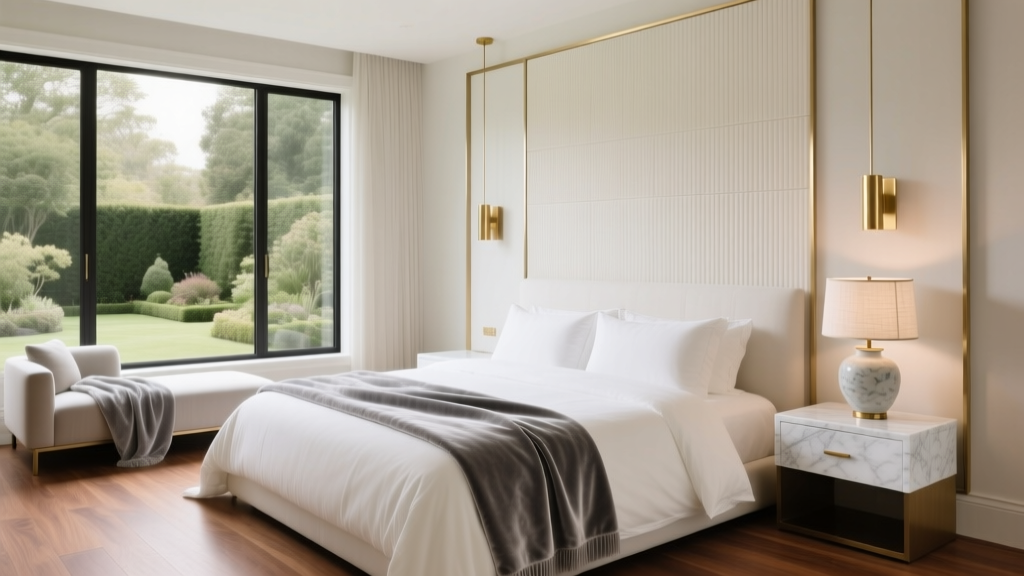 How to Create a Bedroom That Feels Luxurious - The Decor Mag
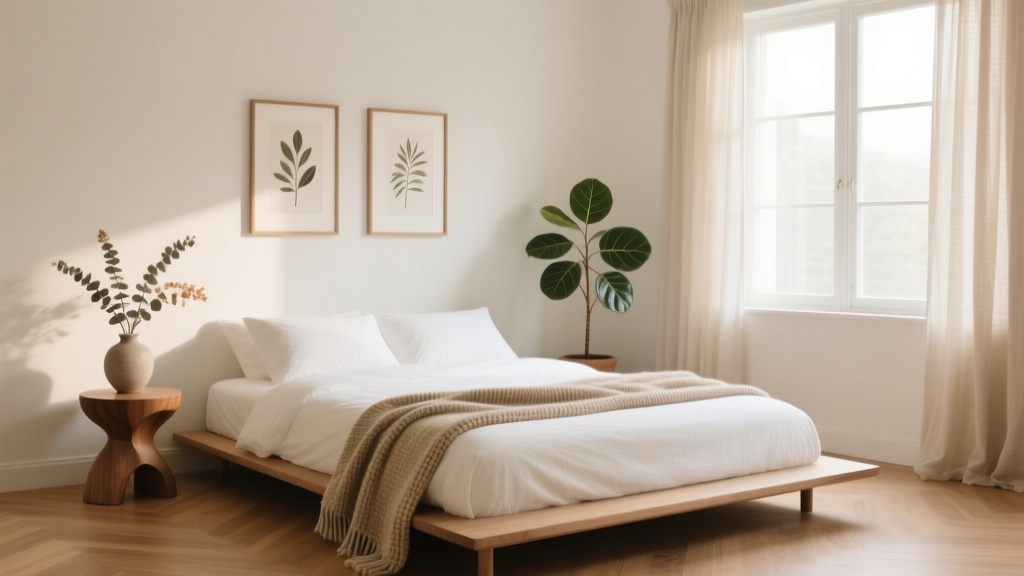 How to Style a Bedroom That Feels Effortless - The Decor Mag
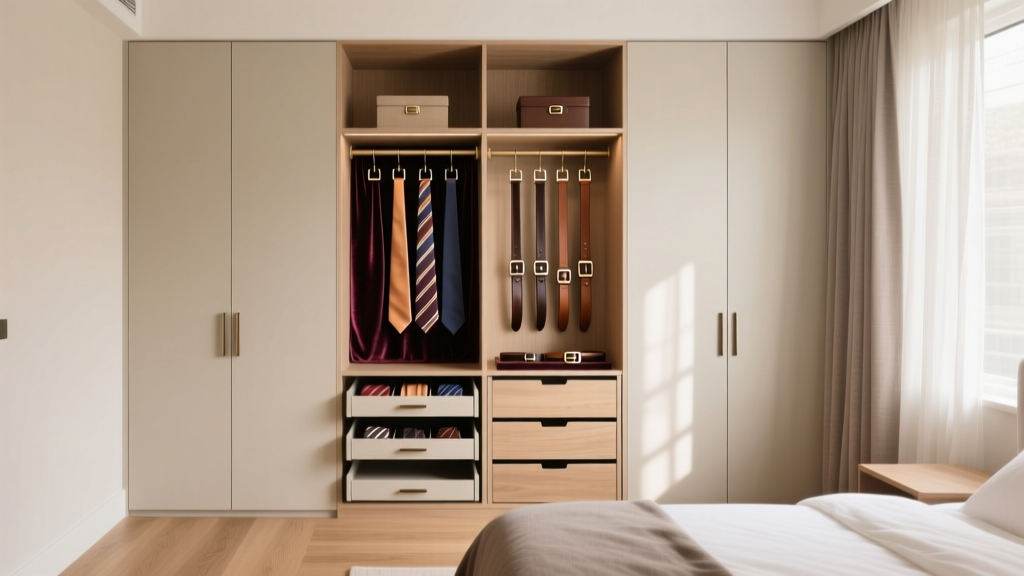 Best Bedroom Tie and Belt Storage - The Decor Mag
 Bedroom Wallpaper Trends and Ideas - The Decor Mag
 Best Bedroom Crystal Collection Display - The Decor Mag
 Bedroom Paint for Sleep Quality | The Decor Mag
 Modern Bedroom Design on a Budget: Smart, Stylish, and Sustainable Solutions
 Bedroom Fluted Headboard Panel Design - The Decor Mag
 Handmade Ceramics in Bedrooms (2026)
 Bedroom Curved Headboard Upholstery Trend - The Decor Mag