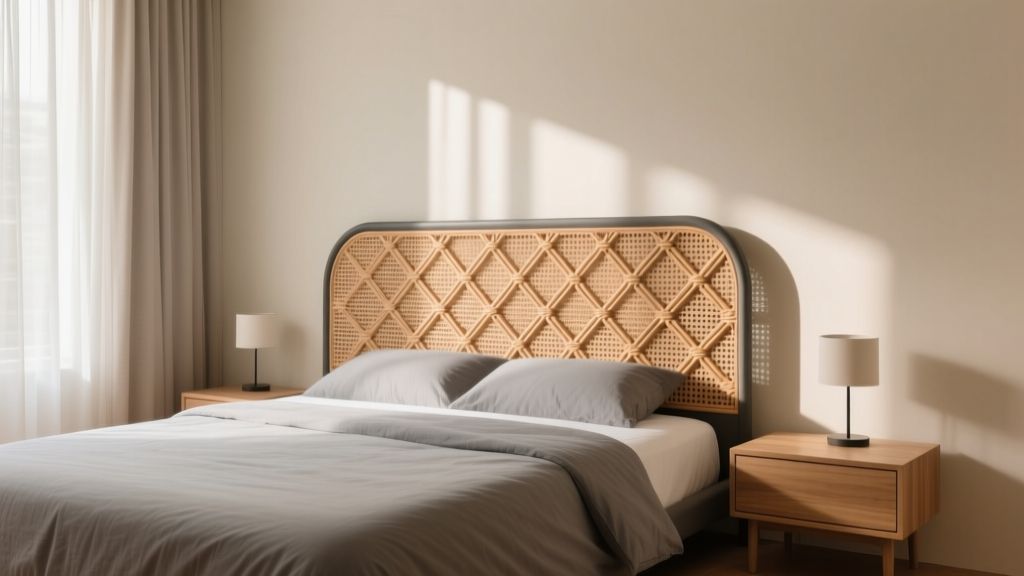
Bedroom Cane Webbing Headboard Ideas - The Decor Mag
A bedroom that supports deep rest is rarely an accident. The textures you see, the light you wake to, and the surfaces you touch all send signals to your nervous system—either calming it down or keeping it on alert. A cane webbing headboard is one of those design choices that quietly improves the feel of a space: it adds softness and visual warmth without heaviness, and it pairs beautifully with sleep-friendly palettes and natural materials.
Cane webbing (often called rattan caning) also helps create a bedroom environment that feels breathable and uncluttered—two qualities strongly linked to easier wind-down and better sleep quality. Whether you’re a renter looking for a simple upgrade or a homeowner planning a full refresh, the right cane headboard can anchor your room, reduce visual noise, and set the tone for a more restorative routine.
Why Cane Webbing Works So Well in Bedrooms
It visually “lightens” the room
Solid wood or upholstered headboards can look heavy, especially in smaller bedrooms. Cane webbing introduces negative space and a gentle pattern, making the bed feel substantial but not imposing—helpful for keeping a calm, open sleep environment.
It adds natural texture without the dust trap factor
Compared with tufted upholstery (which can hold dust and pet hair), cane is relatively easy to maintain. A quick vacuum with a brush attachment keeps it clean, supporting allergy-friendly bedroom design.
It fits multiple decor styles
Cane headboards are surprisingly versatile. Depending on the frame shape and finish, they can read as coastal, Scandinavian, mid-century modern, Japandi, boho, or modern farmhouse—making them a strong choice if you like to rotate bedding and decor seasonally.
Types of Cane Webbing Headboards (and How to Choose)
1) Full cane panel headboards
A full woven cane insert framed by wood offers the most iconic look. Choose this if you want the headboard to be a design feature, not just a background piece.
- Best for: Minimal bedrooms, neutral palettes, mid-century modern spaces
- Look for: A solid wood frame (oak, ash, walnut) and tightly woven webbing
- Budget range: $250–$900 (more for solid walnut or designer builds)
2) Half-cane, half-wood designs
Some headboards combine cane with wood slats or a solid upper rail. This can feel a little more substantial while still airy.
- Best for: Rooms needing more structure (tall walls, large beds)
- Budget range: $300–$1,200
3) Cane + upholstered hybrid headboards
If you like reading in bed, a hybrid design can be a sleep-wellness win: cane for breathability and style, upholstery for comfort.
- Best for: Readers, TV-in-bed households, shared bedrooms
- Materials to prioritize: Linen blends, cotton, wool blends; avoid shiny synthetics that can feel “hot”
- Budget range: $400–$1,500
4) Cane bed frames with integrated headboards
An integrated cane headboard and frame creates a cohesive look and reduces the need to match wood tones across pieces.
- Best for: Clean, coordinated bedrooms; renters who want a one-and-done purchase
- Practical tip: Confirm center support and slat spacing for your mattress type
- Budget range: $500–$2,000
5) DIY cane webbing headboard panels
DIY cane webbing is popular because it can look high-end with the right materials. You can cane an existing headboard, build a frame, or attach panels to the wall behind the bed.
- Best for: Tight budgets, custom sizing, renters (with removable mounting options)
- Materials to use: Pre-woven cane webbing, spline, wood frame (pine for budget, oak for durability), staple gun and wood glue
- Budget range: $60–$250 (depending on wood and tools)
Bedroom Cane Webbing Headboard Ideas by Style
Calm Coastal
Pair a light oak or natural rattan cane headboard with a sandy palette for an easy-breathing feel that supports relaxation.
- Bedding: White or cream cotton percale sheets, a lightweight quilt, and a textured throw
- Colors: Warm whites, oatmeal, soft sea glass, pale blue-gray
- Furniture: Bleached wood nightstands, simple dresser with rounded edges
- Lighting: Woven pendant or ceramic lamp with a linen shade
Japandi Serenity
Japandi bedrooms rely on low visual clutter and natural materials. Cane webbing fits right in—especially with a clean-lined wood frame.
- Bedding: Solid-color linen duvet cover, minimal pillows (2 sleeping pillows + 1 lumbar)
- Colors: Warm taupe, clay, mushroom, soft black accents
- Layout tip: Keep both sides of the bed symmetrical to reduce visual “busyness”
- Wellness boost: Add blackout curtains in a textured neutral for deeper sleep
Mid-Century Modern Warmth
A walnut cane headboard with tapered legs feels classic and grounded—ideal for creating a cozy sleep environment without heavy fabrics.
- Bedding: Crisp white sheets + a warm-toned duvet (camel, terracotta, olive)
- Furniture: Walnut or teak nightstands, streamlined dresser
- Lighting: Globe bedside sconces or lamps with dimmable bulbs
- Material note: Choose solid wood or thick veneer for longevity
Soft Boho (Less Clutter, More Calm)
Boho bedrooms can still be sleep-friendly when they lean edited rather than crowded. Let the cane headboard be the star and keep surfaces clear.
- Bedding: Cotton gauze duvet or a neutral patterned coverlet
- Colors: Cream, sand, muted blush, warm brown
- Decor: One large art piece over the bed instead of a gallery wall
- Texture tip: Add a wool rug for softness underfoot and sound absorption
Practical Pairings: Bedding, Lighting, Colors, and Layout
Bedding that complements cane (and supports sleep)
Because cane webbing brings texture and pattern, bedding looks best when it’s simple and tactile.
- Best sheet types:
- Cotton percale for a cool, crisp feel (great for warm sleepers)
- Cotton sateen for a softer, slightly warmer drape
- Linen for breathability and a relaxed look
- Pillow strategy: Keep the pillow stack minimal to reduce clutter and allergens—2 sleeping pillows per person plus 1–2 decorative pillows max.
- Budget ranges:
- Sheets: $40–$120 (budget), $120–$250 (mid-range), $250–$450 (premium)
- Duvet/comforter: $60–$180 (budget), $180–$350 (mid-range), $350–$700 (premium)
Lighting: the quickest way to make cane look high-end
Sleep-friendly lighting is warm, layered, and dimmable. Cane looks especially beautiful under soft, amber-leaning light.
- Bedside lighting: Dimmable table lamps or wall sconces to free nightstand space
- Bulb temperature: 2200K–2700K for evening calm
- Add a second layer: A shaded floor lamp or soft ceiling fixture for gentle ambient light
- Practical upgrade: Use a plug-in dimmer or smart bulbs if you rent
Color palettes that flatter cane webbing
Cane webbing reads warm and natural, so it shines with grounded, low-contrast color schemes that support relaxation.
- Best wall colors: warm white, cream, light greige, muted clay, soft sage
- If you want darker walls: choose a deep olive or smoky blue-gray and balance with light bedding
- Finish tip: Opt for matte or eggshell paint to reduce glare at night
Layout recommendations for a calmer sleep environment
- Center the bed if possible, leaving walking space on both sides for ease and symmetry.
- Keep the area behind the headboard quiet: avoid busy shelving or visually crowded walls that compete with the cane pattern.
- Use soft surfaces (rug, curtains) to absorb sound—helpful for lighter sleepers and apartments.
- Reduce bedroom “work cues”: if a desk must be in the room, angle it away from the bed and keep it tidy.
Sleep-Friendly Wellness Tips for Styling a Cane Headboard
- Prioritize air quality: Cane is breathable, but your room still needs clean air. Ventilate daily for 5–10 minutes and consider a quiet HEPA air purifier if you have allergies.
- Keep nighttime light low: Add blackout curtains or a lined shade to limit streetlight spill and support melatonin production.
- Choose low-odor materials: If buying a new headboard, look for low-VOC finishes when possible, and let it off-gas in a ventilated space before placing it in the bedroom.
- Make touchpoints cozy: Add a soft lumbar pillow if you sit up in bed, and keep a breathable throw nearby for temperature shifts.
Material Recommendations: What to Look for When Shopping
- Frame woods: oak and ash (durable, light), walnut (rich and warm), rubberwood (budget-friendly), pine (best for DIY, less dent-resistant)
- Cane type: pre-woven cane webbing is consistent and sturdy; hand-caned looks artisanal but can cost more
- Finish: matte or satin clear coat; avoid overly glossy finishes that look harsh under bedroom lighting
- Construction checks: reinforced corners, smooth edges, and a frame that doesn’t flex when you press lightly
Common Mistakes to Avoid
- Over-patterning the bed area: Cane already adds pattern. Pair it with simple bedding or keep other prints subtle and limited to one element (like a throw or pillow).
- Choosing the wrong scale: A tiny headboard can look lost on a large wall. For standard rooms, aim for a headboard that’s at least as wide as the bed (or slightly wider for a luxe feel).
- Ignoring support and height: Make sure the headboard height works with your mattress thickness. Deep mattresses can swallow short headboards.
- Placing the bed under harsh overhead light: A bright ceiling fixture without dimming can make the room feel alert rather than restful.
- Skipping maintenance: Dust buildup can dull the cane’s beauty and impact allergies. A light vacuuming routine keeps it fresh.
FAQ: Cane Webbing Headboards
Is a cane webbing headboard durable enough for everyday use?
Yes, when the frame is solid and the cane is tightly woven and properly sealed. Avoid leaning your full body weight on the cane panel itself; treat it as a decorative insert rather than a load-bearing surface.
Does cane webbing work in a small bedroom?
It’s one of the best options for small bedrooms because it keeps the bed visually light. Pair it with wall-mounted sconces and slim nightstands to maximize floor space and maintain a calm layout.
How do I clean and maintain cane webbing?
Use a vacuum with a soft brush attachment weekly or biweekly. For deeper cleaning, wipe gently with a barely damp microfiber cloth, then dry immediately. Avoid soaking the cane, which can cause sagging.
What bedding colors look best with a cane headboard?
Warm whites, oatmeal, soft taupe, sage, and muted blues tend to complement cane’s natural warmth. If your frame is dark walnut, crisp white bedding adds a fresh, high-contrast look that still feels restful.
Can renters add a cane headboard without drilling?
Yes. Choose a freestanding headboard that attaches to the bed frame, or use a cane bed frame with an integrated headboard. For wall-panel DIYs, consider removable picture-hanging systems rated for the panel’s weight and always follow your lease guidelines.
Is cane webbing a good choice for allergy-sensitive sleepers?
Often, yes. Cane is easier to vacuum than many upholstered headboards. Pair it with washable bedding, a mattress protector, and regular dusting to keep your sleep environment cleaner.
Actionable Next Steps for a More Restful Bedroom
- Pick your cane headboard style (full panel, hybrid, integrated frame, or DIY) based on how you use your bed—sleep-only, reading, or lounging.
- Choose a calming palette with low contrast: warm neutrals, soft greens, or muted blue-grays.
- Upgrade lighting to warm, dimmable bulbs and add a bedside layer (lamp or sconce) for an easier wind-down routine.
- Keep the bed area simple: breathable bedding, minimal decorative pillows, and one or two grounding textures (wool rug, linen curtains).
If you’re ready to keep refining your sleep-friendly bedroom design, explore more soothing decor ideas and practical bedroom upgrades on thedecormag.com.
More Articles
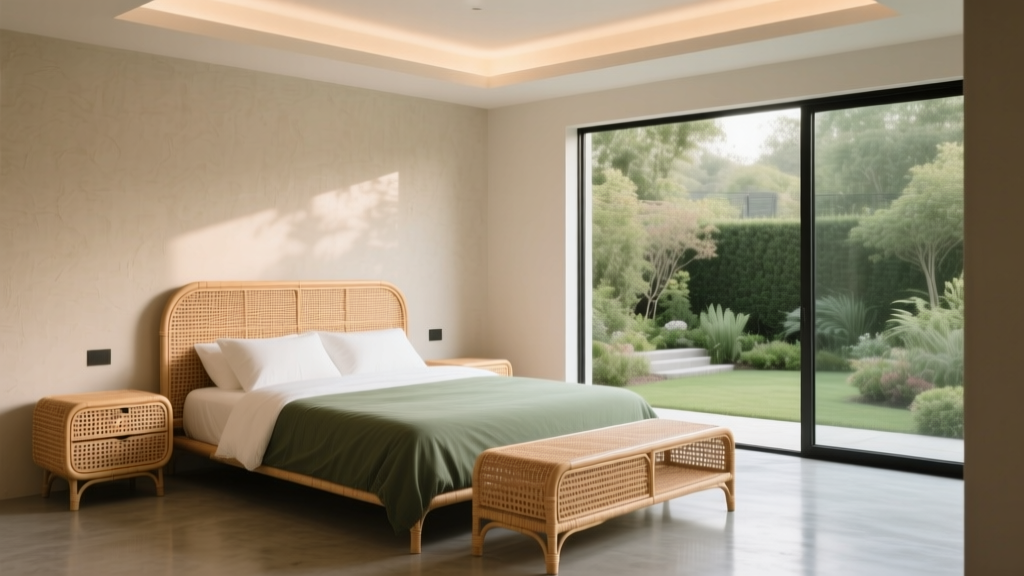 Bedroom Rattan Furniture Trends - The Decor Mag
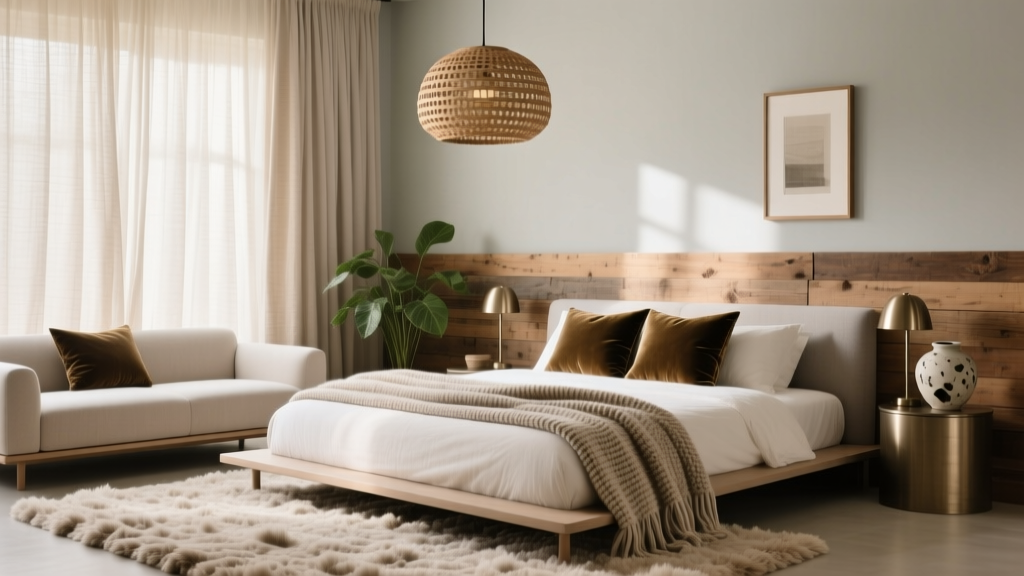 How to Incorporate Texture in Bedroom Decor - The Decor Mag
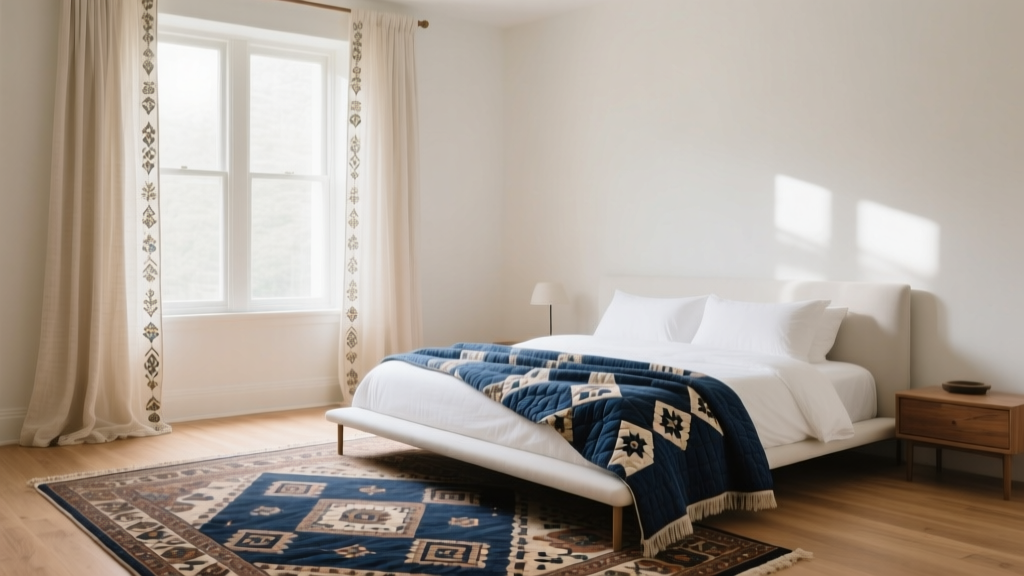 Heirloom Textiles in Bedrooms: Styling Ideas (2026)
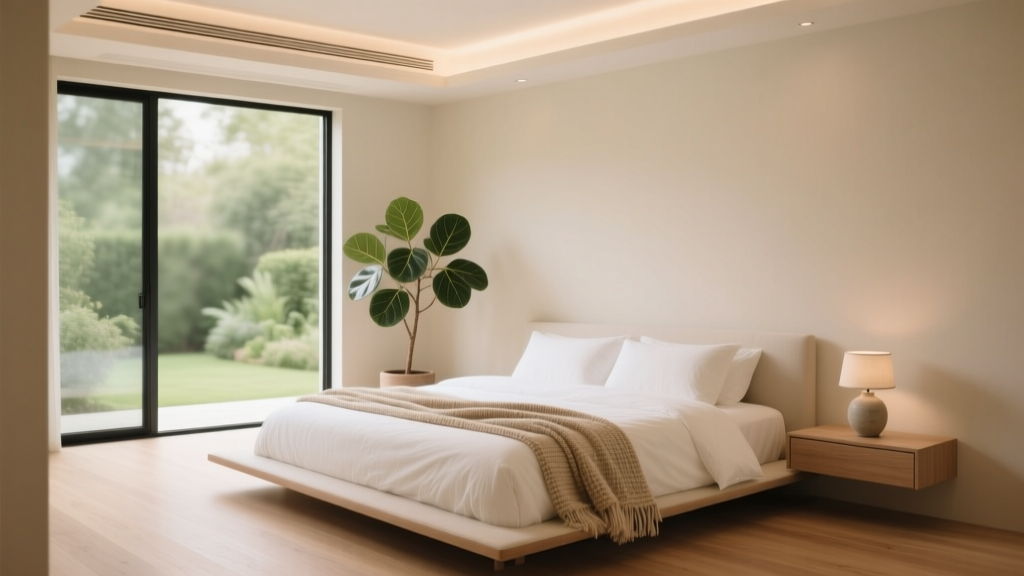 How to Create a Bedroom That Feels Serene - The Decor Mag
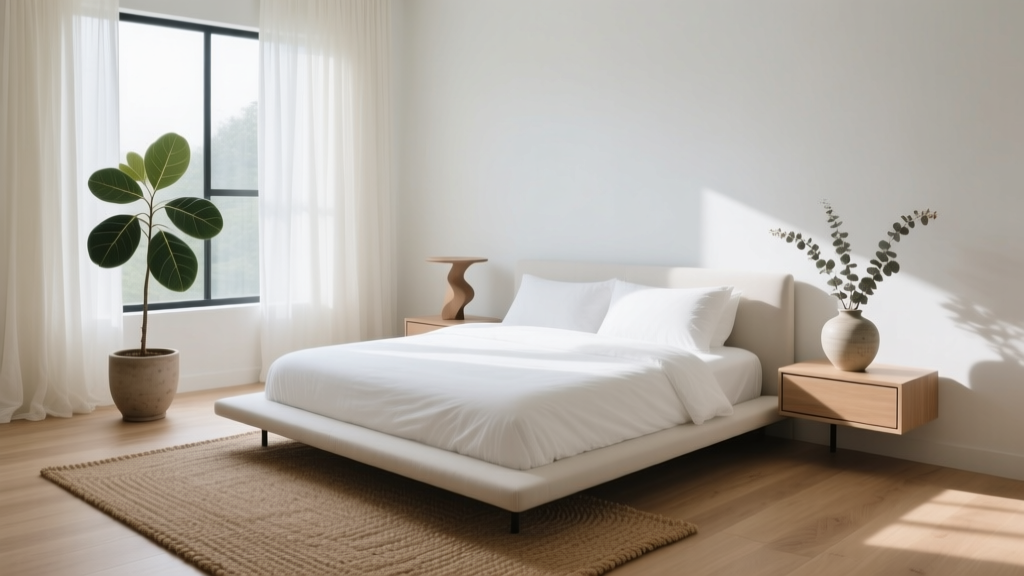 Stylish Bedroom Design for Hot Summers
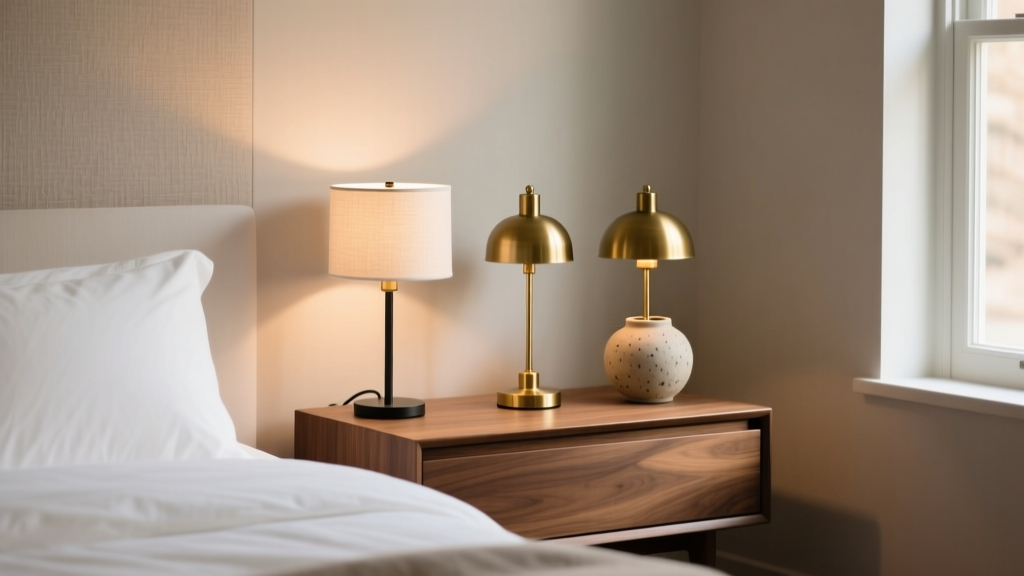 Best Bedroom Lamp Styles for Nightstands - The Decor Mag
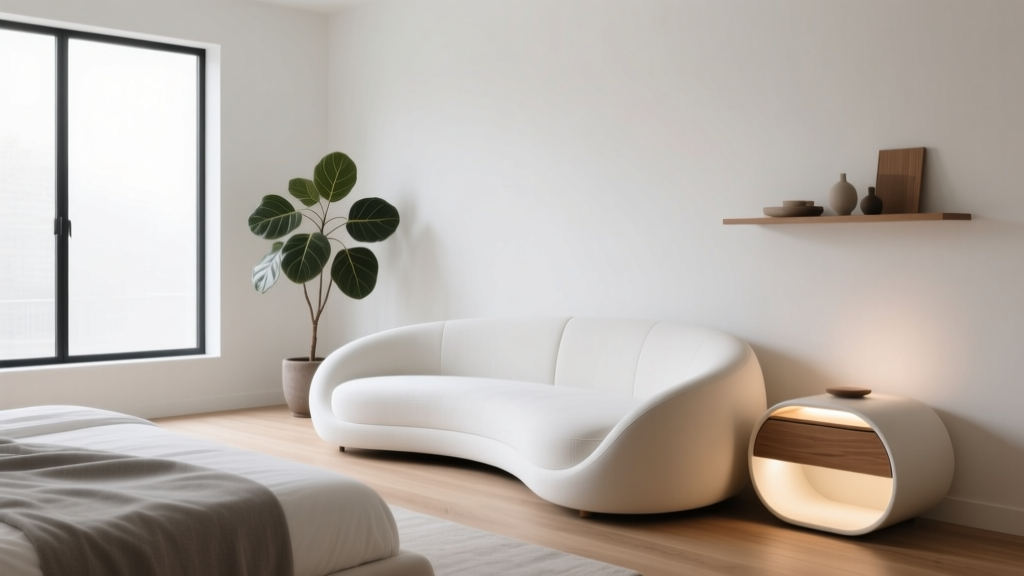 Bedroom Curved Furniture Design Trend - The Decor Mag
 Minimalist Bedroom Design Guide - The Decor Mag
 Best Bedroom Meditation Corner Setup - The Decor Mag
 Hotel Bedroom Decor: Transform Your Space (2026)