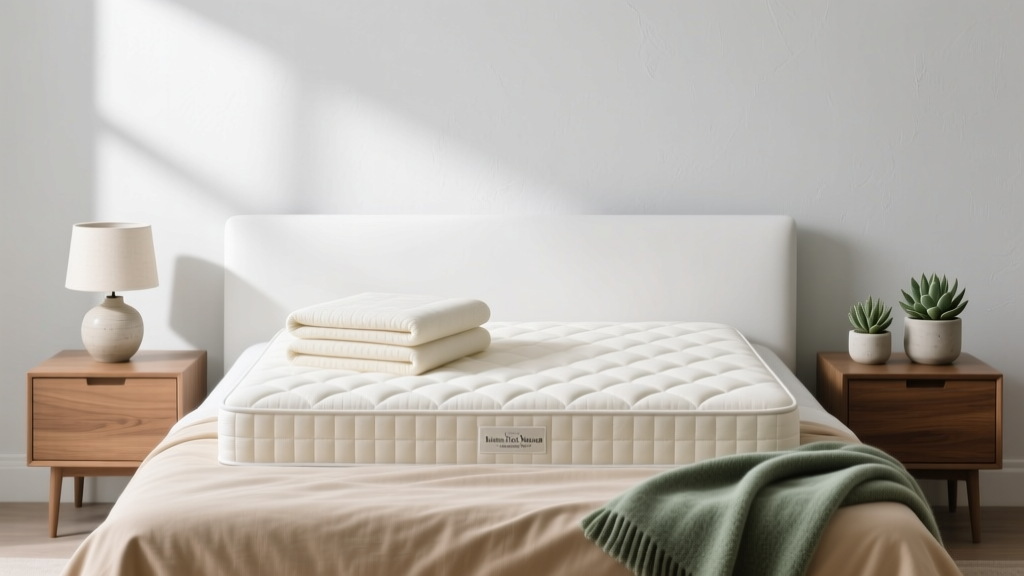
How to Choose Bedroom Mattress Topper - The Decor Mag
A bedroom can look beautiful and still feel restless. If you’ve ever tossed and turned in a thoughtfully styled space, you already know the truth: sleep quality isn’t only about decor—it’s about comfort, support, temperature, and the subtle sensory cues that tell your nervous system it’s safe to let go. A mattress topper is one of the simplest, most budget-friendly ways to change how your bed feels without buying a new mattress.
The right topper can ease pressure on shoulders and hips, reduce motion transfer from a partner, and help regulate warmth through the night. It can also help extend the life of a mattress that’s still structurally okay but no longer feels inviting. When paired with a calming bedroom design—soft lighting, breathable bedding, and a clutter-free layout—a topper can become the bridge between a “fine” bedroom and a truly sleep-friendly bedroom.
Below is a practical, design-aware guide to choosing a bedroom mattress topper that supports both your body and your sleep environment—so your bedroom feels like a retreat, not a compromise.
Start With Your Sleep Goals (Not the Product Labels)
Before comparing materials and thicknesses, get clear on what you want to change. Most topper disappointment comes from choosing a trendy material that doesn’t address the real issue.
Common reasons people buy a mattress topper
- Pressure relief: Side sleepers often need cushioning for shoulders/hips.
- More support: Back sleepers may need a firmer surface to keep hips aligned.
- Temperature control: Hot sleepers need airflow and moisture management.
- Motion isolation: Light sleepers want less partner movement.
- Extending mattress life: A topper can protect and refresh a mattress that’s not sagging deeply.
- Changing “feel”: Making a bed feel more plush, more buoyant, or more stable.
A quick self-check
- Where do you feel discomfort—shoulders, lower back, hips, or all over?
- Do you wake up hot or sweaty?
- Does your mattress feel too firm, too soft, or uneven?
- Do you share the bed with a partner or pets?
Your answers point directly to the best topper type and thickness.
Know Your Mattress: The Foundation Matters
A topper can improve comfort, but it can’t fix a mattress that’s structurally failing. If your mattress has deep dips, broken coils, or you can feel the base underneath, a topper is a temporary patch.
Use a topper when:
- Your mattress is too firm and you need pressure relief.
- Your mattress feels slightly tired but still supportive.
- You want a different feel for a guest room or rental.
Consider a new mattress when:
- You see visible sagging (especially where hips rest).
- You wake up with persistent back pain that improves elsewhere.
- The mattress is 7–10+ years old (varies by type and quality).
Topper Materials: How Each One Feels (and Who It’s For)
Material determines everything: contouring, bounce, heat retention, odor, and longevity. Here are the most common mattress topper types for a sleep-friendly bedroom.
Memory Foam: Best for pressure relief and motion isolation
Memory foam contours closely, cradling joints and minimizing movement transfer. It’s often the go-to for side sleepers and couples.
- Ideal for: Side sleepers, joint sensitivity, partner motion, softer feel.
- Watch for: Heat retention (choose gel-infused or open-cell options), chemical odor (look for CertiPUR-US certification).
- Design note: Memory foam creates a “sink-in” feel; pair with crisp percale sheets if you want a fresher, hotel-like sleep environment.
Latex (Natural or Blended): Best for buoyant support and cooler sleep
Latex has a springy, responsive feel—less “stuck” than memory foam. It tends to sleep cooler and lasts longer.
- Ideal for: Combination sleepers, hot sleepers, those wanting support plus gentle cushion.
- Watch for: Higher price, heavier weight, potential latex allergy sensitivity (rare, but consider a barrier cover).
- Design note: Latex pairs beautifully with breathable bedding and layered neutrals for a relaxed, airy bedroom aesthetic.
Down or Down Alternative: Best for plush softness (not support)
These toppers add a cloud-like layer but won’t correct alignment issues. Think of them as comfort styling for your bed’s feel.
- Ideal for: Back sleepers who want softness without deep contouring; guest rooms; adding “fluff.”
- Watch for: Flattening over time, minimal pressure relief, allergen concerns (down).
- Design note: If you love an elevated, cozy bedroom design, this topper type enhances that “sink into a duvet” vibe.
Wool: Best for temperature regulation and a natural sleep environment
Wool helps manage moisture and temperature, feeling cozy in winter and breathable in summer. It’s also a favorite for natural bedroom decor and wellness-focused spaces.
- Ideal for: Hot sleepers who sweat, people who prefer natural fibers, those seeking a drier sleep surface.
- Watch for: Less dramatic “hug” than foam; can feel firmer; higher cost.
- Design note: Wool complements calming color palettes (warm whites, sand, taupe) and natural wood furniture.
Featherbed: Plush and traditional, with more loft than down alternative
Featherbeds offer softness and thickness, but they can shift and require fluffing.
- Ideal for: Those who want a plush bed aesthetic and don’t mind maintenance.
- Watch for: Quills, allergens, unevenness, and compression.
Thickness and Firmness: The Feel You’re Actually Buying
Topper thickness is usually 1–4 inches. More isn’t always better—especially if you need spinal alignment.
General thickness guide
- 1–2 inches: Subtle change; best for slight cushioning or smoothing a firm mattress.
- 2–3 inches: Noticeable comfort upgrade; the sweet spot for many sleepers.
- 3–4 inches: Plush transformation; helpful for pressure relief but can soften support too much for some.
Match thickness to sleep position
- Side sleepers: Typically 2–3 inches (memory foam or latex) for pressure relief.
- Back sleepers: 1–2 inches (latex or medium foam) to avoid hips sinking too far.
- Stomach sleepers: Usually 1–2 inches max, firmer topper types; too much plushness can strain the lower back.
Cooling, Breathability, and Allergies: Wellness-First Choices
A sleep-friendly bedroom is a temperature-friendly bedroom. Overheating is a common cause of night waking, and a topper can either solve or worsen it.
Cooling features that actually help
- Latex (naturally breathable) and wool (moisture-regulating) are strong cooling options.
- Open-cell or aerated foam improves airflow versus dense foam.
- Cooling covers made from cotton, Tencel/Lyocell, or phase-change fabric can reduce surface heat.
Allergy-friendly considerations
- Choose toppers with removable, washable covers when possible.
- Use a zippered mattress protector over or under the topper (depending on design) to reduce dust and allergens.
- If you’re sensitive to smell, look for CertiPUR-US foam or natural latex certifications and allow 24–72 hours of airing out.
Budget Ranges: What to Expect at Each Price Point
Pricing varies by material, thickness, and size. These ranges help set realistic expectations while shopping.
- $50–$120: Basic memory foam or down-alternative toppers (often thinner, shorter lifespan). Best for temporary comfort or guest rooms.
- $120–$250: Better-quality foam with cooling features, improved covers, and 2–3 inch options. Great value zone for renters and homeowners.
- $250–$500+: Natural latex, wool, premium featherbeds, organic covers, and longer durability. Best for wellness-focused bedrooms and long-term upgrades.
When comparing costs, consider longevity. Latex and wool often cost more upfront but can last longer than budget foam.
Bedroom Design Tips That Make Your Topper Work Better
The topper is only one piece of your sleep environment. Small design changes can amplify comfort and create a calm bedroom atmosphere.
Bedding choices that complement your topper
- Hot sleepers: Pair with percale cotton or Tencel sheets, a lightweight duvet insert, and a breathable duvet cover.
- Cold sleepers: Add a wool blanket or mid-weight duvet; consider flannel in winter.
- For foam toppers: Use a fitted sheet with deeper pockets to avoid corners popping off.
Supportive bedroom furniture and layout
- Bed frame matters: Use a supportive platform bed or slats spaced closely (generally under 3 inches apart) to prevent uneven feel.
- Declutter around the bed: Clear pathways and minimize floor piles; visual calm supports mental calm at bedtime.
- Nightstands at the right height: Aim for the top of the nightstand to sit close to mattress height (including topper) for ergonomic ease.
Lighting and color: subtle cues for deeper rest
- Choose warm, dimmable bedside lighting (2700K or warmer) to support melatonin-friendly evenings.
- Use soft, low-contrast wall colors such as warm white, greige, muted sage, dusty blue, or clay blush for a more restful bedroom design.
- Reduce harsh overhead lighting at night; add a small lamp or wall sconce for a calmer pre-sleep routine.
How to Shop Smarter: A Simple Checklist
Use this list when comparing options online or in-store.
- Material: memory foam, latex, wool, down, or down alternative based on your sleep goals
- Thickness: 1–4 inches matched to sleep position
- Density/firmness info: look for “soft/medium/firm” descriptions and return policies
- Cover fabric: cotton, Tencel, or washable materials for a fresher sleep environment
- Certifications: CertiPUR-US (foam), OEKO-TEX (textiles), GOLS (latex), or organic claims if that matters to you
- Return policy: especially for foam/latex where feel is personal
- Straps or non-slip backing: helpful if your fitted sheet tends to shift
Common Mistakes to Avoid
- Buying a topper to fix a sagging mattress: If the base is uneven, the topper will mirror the dips.
- Choosing too thick for your sleep position: Extra plush can worsen lower-back alignment for back and stomach sleepers.
- Ignoring heat buildup: Dense foam plus heavy bedding can create a warm microclimate and disrupt sleep.
- Skipping a protector: Sweat and spills shorten topper life; a breathable protector keeps your sleep environment cleaner.
- Not measuring sheet depth: A 3–4 inch topper often requires deep-pocket fitted sheets.
- Overlooking bedroom basics: A topper won’t compensate for bright lighting, noisy spaces, or a cluttered bedroom layout that elevates stress.
FAQ: Choosing a Bedroom Mattress Topper
What type of mattress topper is best for back pain?
It depends on the cause. If you need more pressure relief, a 2–3 inch memory foam topper can help. If you need more resilient support and better alignment, latex is often a better fit. If your mattress is sagging, a topper won’t resolve the underlying problem.
Will a mattress topper make my bed hotter?
Some will. Dense memory foam tends to retain heat more than latex or wool. If you sleep warm, look for latex, wool, open-cell foam, and pair it with breathable sheets like cotton percale or Tencel for a cooler sleep environment.
How thick should a mattress topper be?
Most people do well with 2–3 inches. Side sleepers often prefer that range for cushioning, while back and stomach sleepers usually need 1–2 inches to avoid sinking too far.
Do I put the mattress protector over or under the topper?
For spill and sweat protection, place a breathable protector over the topper (under the fitted sheet). If you’re mainly protecting the mattress from allergens, you can also use a zippered encasement on the mattress itself.
How long does a mattress topper last?
Budget foam toppers may last 1–3 years, while higher-quality foam can last longer. Latex and wool toppers often have the best longevity, commonly 3–5+ years depending on care and use.
Is a topper worth it for a rental or small bedroom?
Yes—especially in rentals where you may not want to replace a mattress. A topper is a high-impact upgrade that improves comfort while supporting a calm bedroom design approach: layered bedding, soothing lighting, and a more inviting sleep space.
Next Steps for a More Restful Bedroom
Choose your topper by matching your sleep position, comfort needs, and temperature preferences—then support it with breathable bedding, warm lighting, and a simplified bedroom layout that signals rest. If you’re unsure, start with a 2–3 inch topper in a material aligned with your biggest issue (pressure relief, cooling, or support), and prioritize a good return policy.
For more ideas on creating a beautiful, sleep-friendly bedroom—smart bedding choices, calming color palettes, and layout upgrades—explore more bedroom inspiration on thedecormag.com.
More Articles
 How to Choose the Right Bed Frame - The Decor Mag
 Bedroom Warm Plaster Nightstand Finish - The Decor Mag
 Best Bedroom Bench Options for Foot of Bed - The Decor Mag
 How to Choose Bedroom Lighting for Reading - The Decor Mag
 Bedroom Fluted Headboard Panel Design - The Decor Mag
 Best Bedroom Blackout Curtain Options - The Decor Mag
 How to Style a Bedroom with Neutral Tones - The Decor Mag
 Best Bedroom Sleep Weighted Blanket Guide - The Decor Mag
 Bedroom Fluted Nightstand Design - The Decor Mag
 Best Bedroom Bedside Hydration Station - The Decor Mag