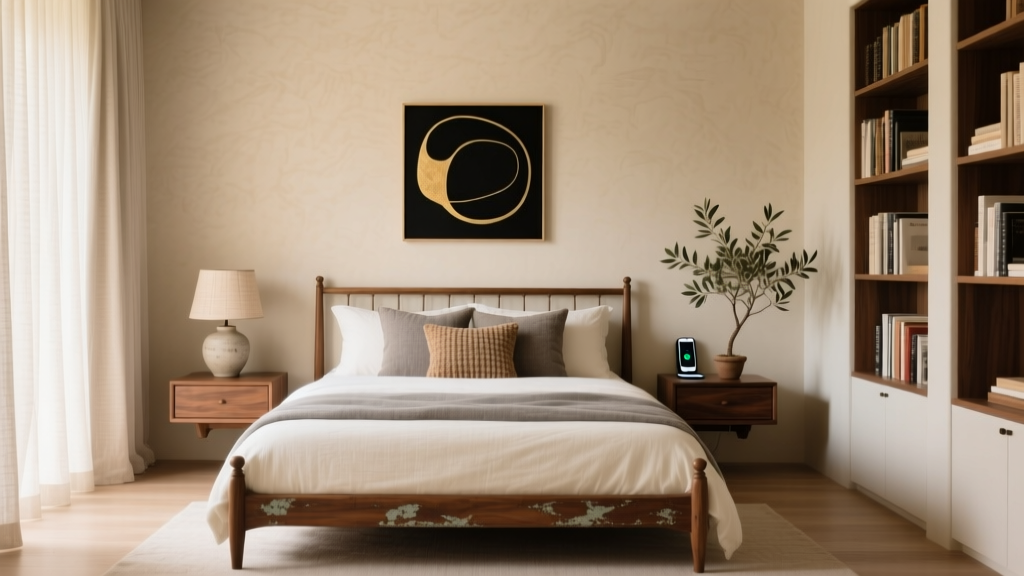
How to Create a Bedroom That Feels Timeless - The Decor Mag
A bedroom that feels timeless isn’t about chasing a “perfect” look or copying a trend from social media. It’s about creating a space that stays visually calm, emotionally grounding, and easy to live with year after year. When the bedroom feels settled and intentional, your mind has fewer cues to stay alert—an underrated advantage for sleep quality and overall wellbeing.
Design choices shape the sleep environment in ways we don’t always notice: harsh lighting can delay melatonin release, clutter can raise stress, and scratchy fabrics can cause micro-awakenings. A timeless bedroom design supports relaxation through soft layers, sensible layout, breathable materials, and a palette that doesn’t overstimulate.
If you’re a homeowner or renter, timeless style is also practical: it helps you invest in pieces that last, refresh with smaller updates, and avoid expensive “redo fatigue.” Below, you’ll find room-by-room guidance, sleep-friendly tips, and real-world budget ranges to help you build a bedroom that looks elegant now—and still feels right years from now.
What “Timeless” Really Means in Bedroom Design
Timeless bedroom decor tends to share a few characteristics:
- Simple, balanced shapes: clean-lined furniture, classic silhouettes, and symmetry that feels restful.
- Natural materials: wood, linen, cotton, wool, ceramic, and metal finishes that age gracefully.
- Restrained color: neutrals and muted tones that can flex with seasonal textiles.
- Quality over quantity: fewer pieces, each with a clear function (sleep, storage, reading, dressing).
- Comfort-forward choices: bedding, lighting, and window treatments that support a healthy sleep environment.
Trends can still have a place—just in the items that are easiest to swap, like pillows, throws, art, and lampshades.
Start With the Foundation: Layout That Supports Rest
Place the bed where your body feels safest
Your bed placement affects how calm the room feels at night. Aim for a “grounded” position where you can see the door without being directly in line with it.
- Best case: Headboard on a solid wall, bed centered, with space on both sides.
- Avoid: Bed crammed into a corner if you share it (it complicates movement and makes the room feel unbalanced).
- If your room is small: Use a wall-mounted sconce and a narrow nightstand to keep clearance.
Prioritize clear pathways
Timeless spaces feel unhurried. A good rule: keep at least 24–30 inches for walkways where possible, and don’t block closets or windows. This reduces daily friction—and that low-grade stress can show up at bedtime.
Create simple “zones” (even in a studio)
If your bedroom doubles as a workspace, make the separation visually clear:
- Place the desk as far from the bed as possible.
- Use a floor lamp or different rug to define the work area.
- At night, cover screens or store your laptop in a drawer to reduce mental stimulation.
Choose Timeless Furniture: Fewer, Better, Calmer
The bed frame and headboard: the anchor piece
A timeless bed reads “quiet” at first glance. Look for:
- Upholstered headboards in linen-blend or performance fabric for softness and sound absorption.
- Wood frames in oak, walnut, or ash with simple profiles (avoid overly ornate cutouts).
- Metal frames in matte black, aged brass, or bronze for a classic, tailored look.
Budget ranges:
- $250–$600: simple upholstered or metal frames; look for solid center support and sturdy slats.
- $700–$1,500: solid wood frames, better joinery, more durable upholstery.
- $1,500–$3,500+: heirloom-quality wood, premium upholstery, custom sizing.
Nightstands: proportion is the secret
A common mistake is choosing nightstands that are too short or too bulky. Aim for the top of the nightstand to sit within 1–3 inches of the mattress top.
- Timeless picks: wood tables with one drawer, streamlined silhouettes, or small cabinets with doors.
- Sleep-friendly feature: a drawer to hide chargers, hand cream, and clutter that can visually “wake up” the room.
Dresser and storage: keep surfaces clear
Timeless bedrooms don’t rely on constant styling; they rely on smart storage.
- Choose a low, wide dresser for visual stability.
- Use felt-lined drawers or drawer organizers to reduce noise and friction.
- If closet space is tight, add an under-bed storage system with zip covers (especially good for renters).
Timeless Color Palettes That Promote Better Sleep
Color influences mood and arousal levels. For a sleep-forward bedroom design, aim for soft contrast and low visual “buzz.”
Three timeless palette formulas
- Warm neutrals: cream, oatmeal, camel, soft white, warm gray.
- Cool calming tones: pale greige, misty blue-gray, soft sage, gentle stone.
- Moody classic: deep navy, charcoal, forest green—balanced with warm lighting and lighter bedding.
Paint sheen and finish
- Matte or eggshell walls feel softer and hide imperfections.
- Avoid overly bright, high-gloss finishes in sleeping areas—they bounce light and can feel harsh.
Budget tip: If repainting isn’t possible, shift the palette with textiles: a neutral duvet cover, linen curtains, and a wool-blend rug can transform the room for $200–$600 depending on size and materials.
Bedding That Always Looks Right (and Sleeps Better)
Bedding is where timeless style and sleep wellness meet. The goal: breathable layers, pleasant texture, and a bed that looks inviting without excessive fuss.
Material recommendations for comfort and longevity
- Sheets: long-staple cotton percale for crisp coolness; cotton sateen for a smoother, warmer feel; linen for temperature regulation.
- Duvet insert: down or down-alternative with a cotton shell; choose weight based on your climate.
- Blankets: wool (excellent for thermoregulation), cotton waffle weave, or cashmere blends for softness.
- Pillows: choose by sleep position—side sleepers often do best with medium-firm; back sleepers with medium; stomach sleepers with softer, lower loft.
Timeless layering formula (easy to maintain)
- 1 fitted sheet + 1 flat sheet (optional) + 1 duvet + 1 lightweight blanket
- 2 sleeping pillows + 2 shams (optional) + 1 lumbar pillow (optional)
Budget ranges:
- $80–$200: quality cotton sheet set, basic duvet cover, standard pillows.
- $250–$600: long-staple cotton or linen sheets, better duvet insert, wool blanket.
- $700–$1,500+: premium linen sets, high-fill down inserts, specialty cooling pillows.
Sleep-friendly bedding tip: manage temperature
Overheating is a common cause of restless sleep. Choose breathable fabrics and consider a cooling mattress protector or moisture-wicking pillow cover if you sleep warm.
Lighting: The Fastest Way to Make a Bedroom Feel Timeless
Lighting affects both ambiance and your circadian rhythm. A timeless bedroom uses layered, warm lighting—never a single overhead glare.
Build a three-layer lighting plan
- Ambient: a ceiling fixture or semi-flush mount with a soft diffuser.
- Task: bedside lamps or wall sconces for reading.
- Accent: a floor lamp, picture light, or subtle LED in a closet or behind a headboard.
Bulbs and color temperature for better sleep
- Use 2700K (warm white) bulbs for evening calm.
- Install dimmers where possible; plug-in dimmers work well for renters.
- Avoid bright, cool bulbs (4000K–6500K) in the bedroom—they can feel clinical and stimulate alertness.
Budget ranges:
- $30–$120: table lamps, warm LED bulbs, plug-in dimmers.
- $150–$400: matching bedside sconces, higher-quality shades, hardwired dimmer switch.
Window Treatments That Feel Classic and Improve Sleep Quality
Light control is one of the most practical ways to improve your sleep environment. A timeless window treatment also frames the room elegantly.
- Best for sleep: blackout curtains or blackout-lined drapery to reduce early morning wake-ups.
- Best timeless look: ceiling-mounted or high-mounted curtain rods to make ceilings feel taller.
- Layering option: sheer curtain + blackout drape for daytime softness and nighttime darkness.
Material picks: linen, cotton, or linen blends for a relaxed classic look; avoid shiny synthetics if you want a more enduring feel.
Budget ranges:
- $60–$200: ready-made blackout panels and a basic rod.
- $250–$900+: higher-quality linen drapes, custom hemming, upgraded hardware.
Textures and Decor: The Timeless “Quiet Luxury” Approach
Timeless decor is less about filling every wall and more about choosing a few tactile, meaningful pieces.
Use texture to add depth without visual noise
- Rug: wool or wool-blend in a subtle pattern; aim for a size that extends at least 18–24 inches beyond the bed sides.
- Throw: cotton, wool, or alpaca in a neutral tone.
- Art: one larger piece over the bed or dresser rather than many small frames.
- Mirrors: classic shapes with thin frames; place to reflect daylight, not clutter.
Keep decor low-stimulation near the bed
For better sleep, limit overly bright art, busy patterns, or reflective surfaces right by the pillow. A calm visual field helps your nervous system settle faster.
Wellness Upgrades for a Healthier Sleep Environment
Timeless bedrooms feel good because they function well. A few wellness-focused additions can meaningfully improve sleep quality.
- Air quality: Add a HEPA air purifier if you have allergies or live in a city. Budget: $80–$250.
- Sound control: Use a white noise machine or a small fan for consistent sound. Budget: $25–$80.
- Clutter control: A lidded hamper and a catch-all tray on the dresser prevent piles. Budget: $20–$70.
- Scent (optional): If you enjoy fragrance, choose subtle options (lavender, chamomile) and keep it light—strong scents can be stimulating.
- Screen boundaries: Consider a charging station outside the bedroom or inside a drawer to reduce bedtime scrolling.
Common Mistakes That Make Bedrooms Feel Dated (and Less Restful)
- Buying matching sets by default: A full bedroom set can look flat and trend-specific. Mix complementary pieces instead (same undertone, varied shapes).
- Too many small decor items: Visual clutter reads as mental clutter. Choose fewer, larger statements.
- Harsh overhead lighting: Relying on one bright fixture can make the room feel sterile. Layer lighting and add dimmers.
- Ignoring scale: Tiny nightstands with a king bed or an oversized dresser in a small room throws off balance.
- Over-trendy colors and prints: Loud accent walls and busy patterns can feel dated quickly. Keep big-ticket items neutral; trend on the surface layer.
- Skipping blackout solutions: A beautiful room that’s too bright at night won’t support good sleep.
FAQ: Timeless Bedroom Design and Sleep-Friendly Decor
What colors are best for a timeless, sleep-friendly bedroom?
Soft neutrals (warm whites, oatmeal, greige) and muted hues (sage, dusty blue, stone) are both timeless and calming. If you prefer darker walls, navy or charcoal can be classic—just balance with warm lighting and lighter bedding.
How do I make a rental bedroom feel timeless without painting?
Focus on reversible upgrades: linen-look curtains hung high, a wool-blend rug, a neutral duvet cover, warm lighting (2700K bulbs), and framed art with classic shapes. These changes can shift the whole mood for roughly $200–$800 depending on sizes and materials.
What’s the most important furniture piece to invest in?
Start with the mattress for sleep quality, then the bed frame/headboard for visual anchoring. A simple, well-made bed frame instantly makes the room feel more timeless than trendy decor ever will.
How can I make my bedroom feel luxurious but not trendy?
Use natural textures and good proportions: a tailored headboard, crisp bedding, substantial curtains, and warm layered lighting. Choose one “quiet statement” (a wool rug, a ceramic lamp, or a framed print) rather than lots of small accents.
Do blackout curtains really help sleep?
They can. Reducing light exposure at night supports melatonin production and can prevent early morning wake-ups. If full blackout feels too dark, try blackout lining with sheers for daytime softness.
How do I reduce clutter in a small bedroom?
Add closed storage: a nightstand with a drawer, under-bed bins with covers, and a lidded hamper. Keep only sleep-related essentials visible—lamp, book, water—so your brain reads the room as a place to rest.
Actionable Next Steps for a Timeless Bedroom
If you want a bedroom that feels timeless and supports better sleep, start small and build steadily. Try this simple order of operations:
- Fix the light: swap to warm bulbs (2700K) and add a bedside lamp or sconce.
- Improve the bed: upgrade sheets to breathable cotton percale or linen; add a supportive pillow that matches your sleep position.
- Calm the palette: choose two to three core colors and repeat them across textiles and decor.
- Reduce visual clutter: add one closed-storage solution and clear surfaces.
- Refine over time: invest in a classic bed frame or rug when budget allows, then refresh with smaller accents seasonally.
A timeless bedroom is less about perfection and more about ease—soft light, breathable layers, and a layout that helps you exhale at the end of the day. For more bedroom design inspiration, sleep environment tips, and decor ideas that age beautifully, explore the latest guides on thedecormag.com.
More Articles
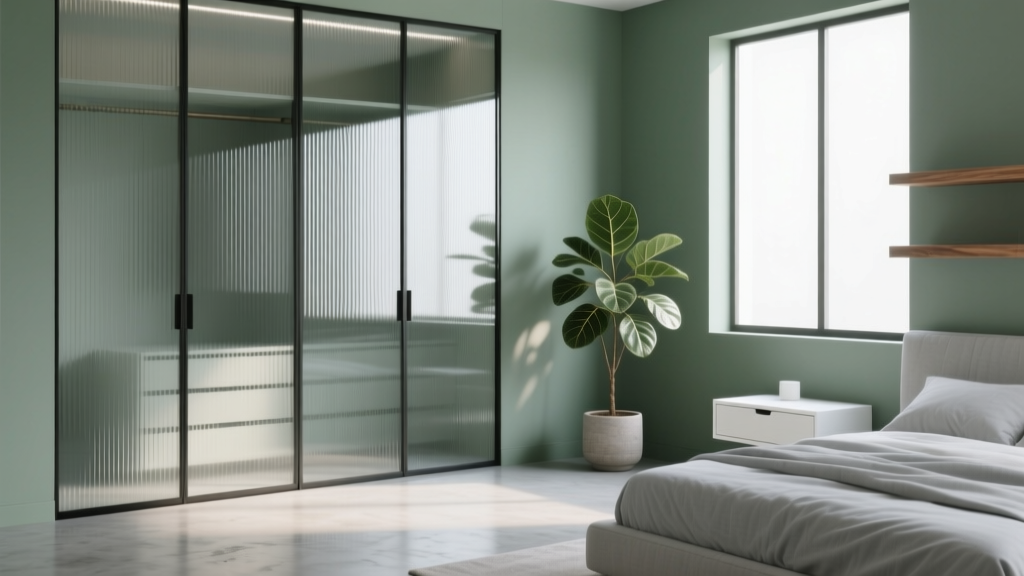 Bedroom Reeded Glass Wardrobe Doors - The Decor Mag
 How To Clean Actually: A Bedroom Comfort Specialist’s No-Nonsense, Science-Backed Protocol
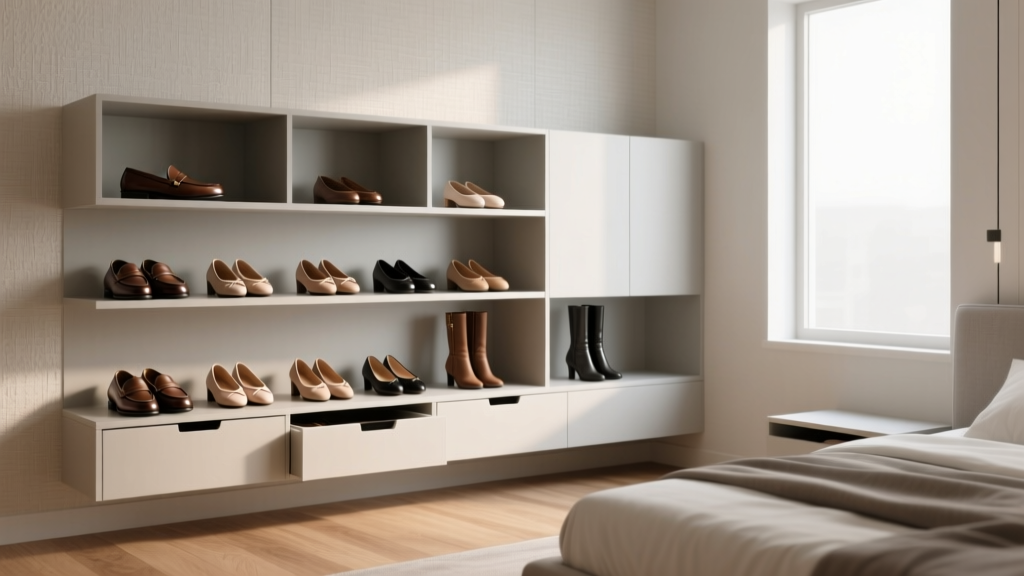 Best Bedroom Shoe Storage Solutions - The Decor Mag
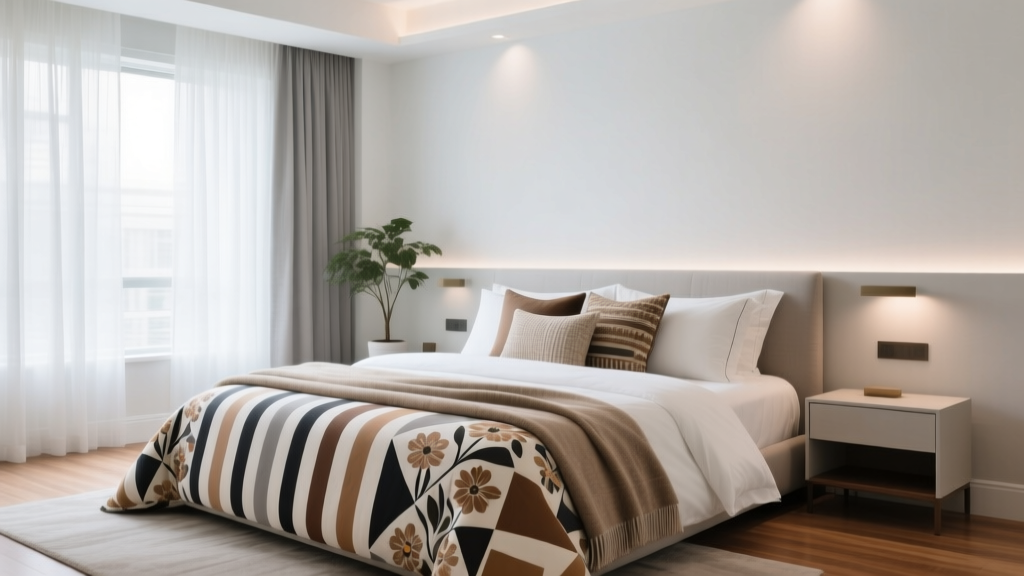 How to Mix Patterns on Your Bed - The Decor Mag
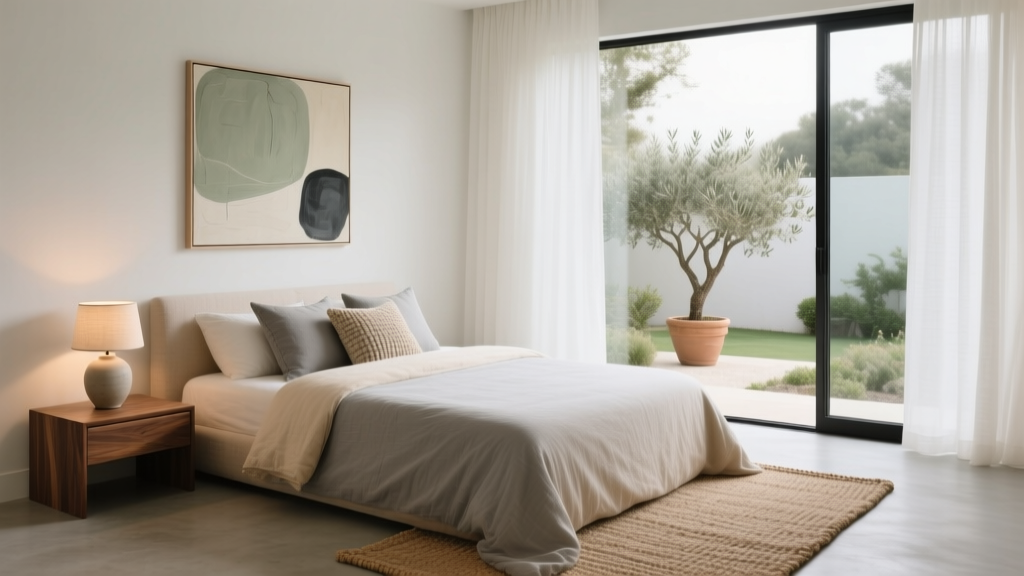 How to Create a Calming Bedroom Retreat - The Decor Mag
 Sustainable Bedroom FAQs Answered: Materials, Certifications, and Real Impact
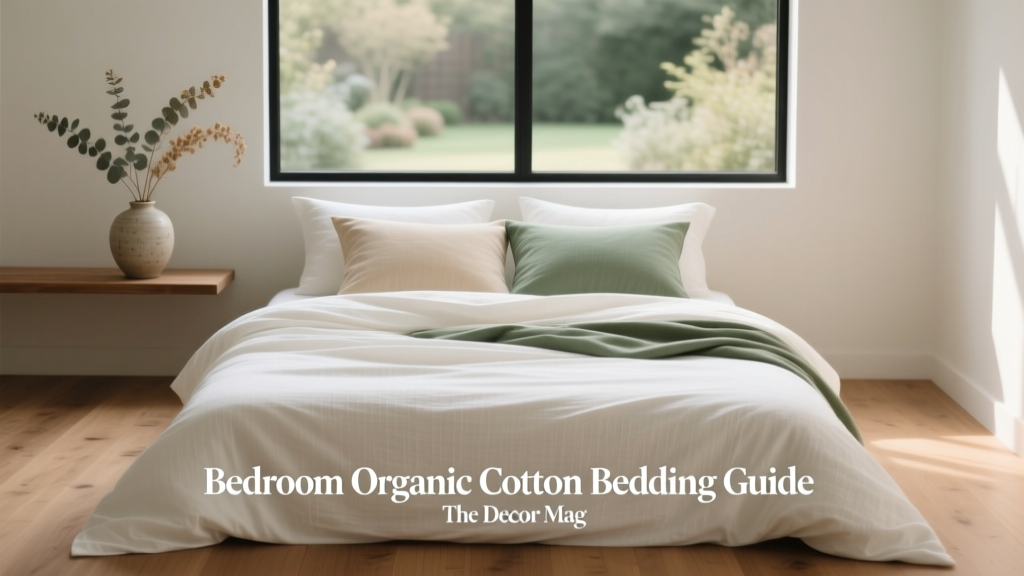 Bedroom Organic Cotton Bedding Guide - The Decor Mag
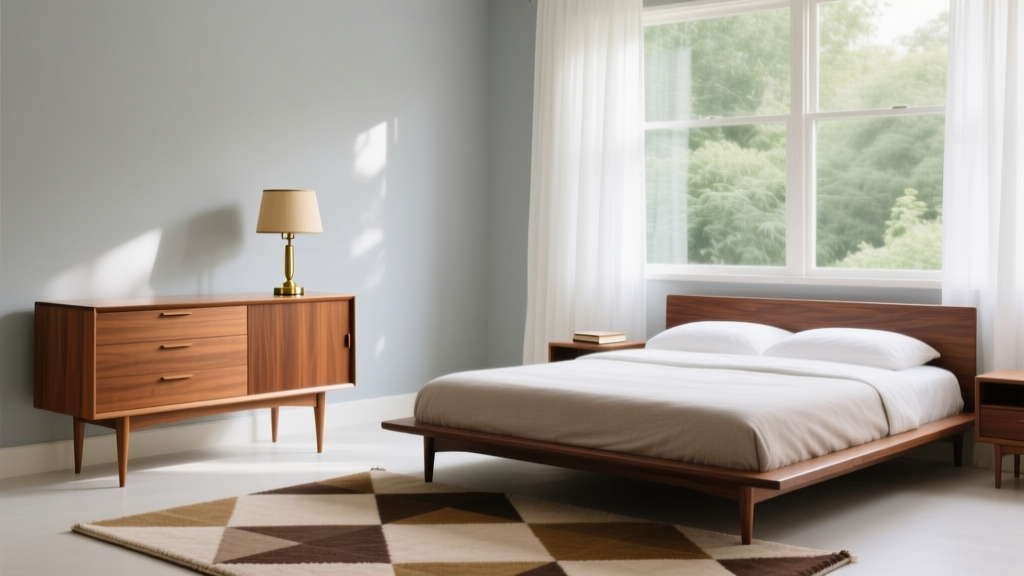 Mid-Century Modern Bedroom Furniture Guide - The Decor Mag
 Bedroom Warm Limewash Bedroom Walls - The Decor Mag
 Best Bedroom Crystal Collection Display - The Decor Mag