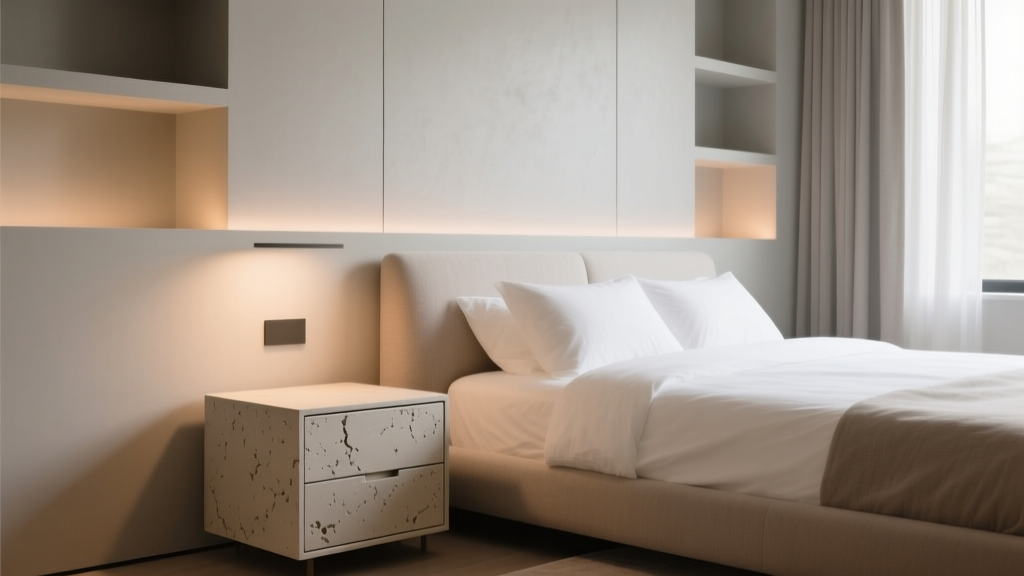
Bedroom Warm Plaster Nightstand Finish - The Decor Mag
A bedroom that supports deep rest rarely comes down to one “perfect” piece—it’s the quiet harmony of textures, light, and color that tells your nervous system it’s safe to exhale. That’s where a warm plaster nightstand finish shines. It’s not loud or glossy. It doesn’t demand attention. Instead, it brings a matte, velvety calm that reduces visual noise and helps a bedroom feel grounded, cozy, and intentionally slow.
Your nightstand is also one of the most-used surfaces in the entire room. It’s the landing zone for a book, a glass of water, a phone charger, a candle, a hand cream, and the lamp you click off when you’re ready to sleep. A warm plaster finish adds a tactile, soothing presence right where your bedtime routine happens—making the space feel more spa-like and less cluttered, even before you’ve tidied.
Beyond style, there’s a wellness angle: bedrooms with softer finishes and warm, low-glare surfaces often feel less stimulating than high-shine lacquer or mirrored furniture. When your environment feels calmer, your body is more likely to shift toward rest. A warm plaster nightstand can be a small design decision that supports a bigger goal: better sleep quality.
What Is a Warm Plaster Finish (and Why It Works in Bedrooms)?
A warm plaster finish mimics the look of hand-troweled plaster walls—subtle movement, a chalky matte sheen, and tonal depth that reads as “natural” even when applied to wood, MDF, or resin composites. The best versions have a creamy undertone (think oatmeal, sand, clay, and warm alabaster) rather than stark white or cold gray.
Key characteristics to look for
- Matte or eggshell sheen: reduces glare from bedside lamps and morning light.
- Warm undertones: beige, bone, ecru, light terracotta, soft mushroom.
- Subtle texture: lightly troweled, limewash-like, or microcement-inspired finishes add depth without visual chaos.
- Soft edges and rounded corners: a gentle silhouette reads calmer and feels safer in tight spaces.
Why plaster-like finishes feel sleep-friendly
- Lower reflectivity: less sparkle and shine can feel less energizing at night.
- Natural cues: earth-toned finishes echo nature, which many people find grounding.
- Texture adds warmth: bedrooms can feel flat when everything is smooth—plaster adds “quiet interest.”
Choosing the Right Warm Plaster Nightstand for Your Space
The goal is a nightstand that supports your routine: easy to use in low light, proportionate to your bed, and durable enough for daily contact. Warm plaster finishes are versatile, but the form and function still matter.
Best nightstand shapes for restful bedrooms
- Closed storage (1–2 drawers): ideal for reducing clutter and keeping nighttime essentials out of sight.
- One drawer + open shelf: practical for books and baskets, with a cleaner top surface.
- Pedestal or block style: reads serene and architectural; great for minimalist bedroom design.
- Floating nightstand: helpful for small bedrooms—more floor showing can feel more spacious and calm.
Size guidelines that prevent awkward layouts
Nightstand proportion strongly affects how settled a bedroom feels. Use these benchmarks:
- Height: aim for the top of the nightstand to sit within 2 inches of your mattress height (slightly lower is usually more comfortable).
- Width: 18–28 inches for most beds; larger for king beds if you have space.
- Depth: 14–18 inches in tight rooms; 18–22 inches if you want a larger lamp and a tray.
Material options (and what they mean for durability)
- Plaster over wood/MDF: common in modern pieces; keep water exposure minimal and use coasters.
- Microcement or cement-based coating: more durable, often slightly cooler to the touch; great for high-use households.
- Resin or composite “plaster look”: can be very consistent and wipeable; check that it’s not overly glossy.
- Lime plaster-style paint finish (DIY): best for low-wear surfaces; needs sealing for nightstand use.
Budget ranges to expect
- Budget ($120–$250): composite or MDF with plaster-look finish; prioritize sturdy drawer slides and a sealed top.
- Mid-range ($250–$600): heavier construction, better coatings, soft-close drawers, more refined texture.
- Premium ($600–$1,500+): artisan plasterwork, microcement, solid wood bases, sculptural shapes, higher longevity.
How to Style a Warm Plaster Nightstand for a Calm Sleep Environment
Warm plaster is at its best when styled with restraint. Think “few, meaningful items,” not a collection of busy decor. A clear nightstand helps your brain associate the bed area with rest rather than tasks.
The 5-item bedside setup (simple, beautiful, functional)
- Soft-glow lamp (warm color temperature) or a wall sconce to free surface space.
- Catch-all tray (wood, travertine, ceramic, or woven) for small items.
- One calming object: a small vase, a smooth stone, or a framed photo with a quiet palette.
- Bedtime essential: hand cream, lip balm, or a sleep mask—choose one, not five.
- Book or journal (paper over screens when possible).
Recommended decor materials that pair well with plaster
- Natural wood: white oak, ash, walnut—brings warmth and avoids a sterile look.
- Stone accents: travertine, limestone, marble (matte) for a spa-like feel.
- Textiles: linen, cotton, bouclé, wool—softens the hard lines of furniture.
- Metals: aged brass or bronze; avoid overly polished chrome if you want a softer bedroom mood.
Lighting: The Most Sleep-Supportive Partner to a Plaster Finish
Lighting can either calm or overstimulate a bedroom. Plaster finishes naturally diffuse light, but the bulb choice matters even more. The right bedside lighting supports melatonin production and helps your body wind down.
Bedside lighting recommendations
- Warm bulbs (2200K–2700K): ideal for evening use and a cozy bedroom ambiance.
- Dimmable lighting: use a dimmer switch, dimmable bulb, or smart bulb set to a low night mode.
- Shaded lamps: linen or parchment shades soften glare and reduce harsh contrast.
- Wall sconces or swing-arm lamps: excellent for small nightstands; reduces clutter.
A practical, sleep-friendly lighting plan
- Overhead light: keep it warm and on a dimmer; avoid 4000K+ in bedrooms.
- Bedside task light: warm, focused, and dimmable for reading.
- Low night light: motion-sensor amber light for safe nighttime trips without fully waking up.
Color Pairings: Warm Plaster Nightstand Finish + Bedroom Palette Ideas
Warm plaster plays beautifully with calming bedroom colors. The most restful rooms tend to avoid high-contrast pairings and instead use layered neutrals with gentle shifts in tone.
Soothing palettes that highlight plaster texture
- Warm white + sand + oat: airy, minimal, and easy for renters.
- Mushroom + cream + soft black accents: grounded and sophisticated, great for modern bedrooms.
- Clay + blush-beige + warm wood: cozy and flattering under lamplight.
- Sage + linen + plaster: botanical calm without leaning too cool.
- Terracotta accents + ivory bedding: energizing enough for mornings, still calming at night.
Bedding recommendations to complement warm plaster
- Sheets: percale cotton for crisp coolness; linen for relaxed texture; aim for breathable, matte finishes.
- Duvet cover: warm white, flax, or light taupe; avoid high-sheen sateen if glare bothers you.
- Throw/blanket: chunky knit or woven cotton in sand, camel, or muted rust for a cozy layer.
- Pillows: keep patterns subtle—small scale, low contrast, calming tones.
Layout Tips: Where the Nightstand Goes (and What Goes Inside)
Even a beautiful nightstand can feel “off” if the layout doesn’t support ease. A sleep-friendly bedroom design reduces friction: fewer obstacles, fewer decisions, and fewer triggers to check a screen.
Placement for comfort and flow
- Leave 2–4 inches between the bed and nightstand so bedding drapes naturally.
- Keep a clear path of at least 24 inches for walking space where possible.
- Match heights across both sides if you have two nightstands—symmetry often feels calmer.
What to store in the nightstand for better sleep
- Top drawer: sleep mask, earplugs, lip balm, hand cream, tissues.
- Second drawer/shelf: book, journal, charging cable, spare bulb, lavender sachet.
- Avoid storing: work papers, unopened mail, or anything that triggers “to-do” thoughts.
DIY and Renter-Friendly Ways to Get the Warm Plaster Look
If buying a new nightstand isn’t in the budget, you can still get the warm plaster aesthetic with a few practical updates.
Renter-friendly upgrade ideas
- Plaster-look adhesive vinyl or furniture wrap: choose matte; test a small area first.
- Mineral paint + sealer: provides a chalky, soft finish; seal the top for water resistance.
- Textured paint technique: use a trowel or wide putty knife to create subtle movement, then seal.
- Swap hardware: replace knobs with aged brass, ceramic, or wood pulls for a warmer, calmer feel.
Suggested budget for DIY
- $25–$60: wrap + basic tools (squeegee, blade) or hardware swap.
- $60–$150: mineral paint + primer + durable topcoat + new pulls.
- $150–$300: higher-end coatings, soft-close drawer slides (if you’re handy), upgraded lamp and shade.
Common Mistakes to Avoid with Warm Plaster Nightstands
- Choosing an unsealed finish for a high-use surface: water rings and oil stains can happen quickly. Look for sealed tops or add a protective clear matte sealer.
- Overstyling the surface: too many objects create visual clutter, which can keep your brain in “alert” mode at bedtime.
- Pairing with overly cool lighting: bright white bulbs can make warm plaster look dull or gray and feel less relaxing.
- Ignoring height and reach: a nightstand that’s too low or too high becomes annoying nightly—small discomforts add up.
- Using shiny, high-contrast accessories: mirrored trays, glossy lacquer, and loud patterns can compete with plaster’s quiet softness.
- Letting cords take over: visible cables add chaos. Use cord clips, an under-top cable box, or a lamp with a neatly routed cord.
Sleep-Friendly Wellness Tips That Pair Naturally with This Look
A warm plaster nightstand finish sets the mood, but your habits complete the sleep environment. Try pairing the design shift with small wellness upgrades.
- Create a “soft landing” routine: keep a book, hand cream, and a glass of water ready so bedtime feels easy.
- Reduce blue light at the bedside: charge your phone away from the bed or use a charging drawer with the screen faced down.
- Use scent gently: if you enjoy fragrance, choose low-intensity options like a lavender sachet in the drawer rather than a strong candle right before sleep.
- Keep surfaces matte and calm: warm plaster, linen shades, and woven textures help avoid harsh reflections.
- Prioritize quiet: store earplugs in the top drawer and consider a soft white-noise machine if street noise is an issue.
FAQ: Bedroom Warm Plaster Nightstand Finish
Does a warm plaster finish stain easily?
It can, especially if the surface is unsealed or very porous. Look for nightstands labeled as sealed, lacquered (matte), or protected with a clear coat. At home, use coasters and wipe spills quickly with a damp, soft cloth.
Is plaster furniture durable enough for daily use?
Yes—when the construction is solid and the finish is properly sealed. Microcement and cement-based coatings tend to be more durable than purely decorative plaster paint techniques. For high-traffic use, prioritize a protective topcoat and sturdy drawer hardware.
What styles pair best with warm plaster nightstands?
Warm plaster works especially well in modern organic, minimalist, Scandinavian, Mediterranean, and Japandi bedroom design. It also blends nicely with traditional rooms when paired with classic lamps and warm woods.
What lamp looks best on a warm plaster nightstand?
Choose a lamp with a linen or parchment shade and a warm bulb (2200K–2700K). Bases in ceramic, travertine, matte wood, or aged brass complement plaster’s softness and keep the bedside light gentle.
Can I achieve this look in a rental without painting furniture?
Yes. Try a matte plaster-look wrap, swap the hardware, and add a textured tray plus a warm, shaded lamp. Those small changes often deliver the same calm effect without permanent alterations.
How do I keep a plaster-look nightstand from feeling too “beige”?
Layer in contrast through texture and a few deeper accents: a walnut tray, a bronze reading sconce, a charcoal linen book cover, or crisp white bedding. Keep contrast soft rather than stark for a sleep-friendly feel.
Next Steps: A Simple Plan to Refresh Your Bedside
If you want a bedroom that feels calmer the moment you walk in, start with the area you see and use every night. A warm plaster nightstand finish brings gentle texture, low-glare softness, and a grounded palette that supports better sleep and a more relaxing bedroom atmosphere.
- Measure your bed height and choose a nightstand within 2 inches for easy reach.
- Decide on storage needs (drawers for clutter control, shelf for books/baskets).
- Set your lighting to warm, dimmable bulbs and add a soft shade.
- Style with restraint: tray + lamp + one calming object + one bedtime essential.
- Protect the surface with coasters or a matte sealer if needed.
For more soothing bedroom ideas, sleep-friendly design tips, and decor inspiration, explore the latest guides on thedecormag.com.
More Articles
 Best Bedroom Sleep Tea Collection - The Decor Mag
 Modern Bedroom Design on a Budget: Smart, Stylish, and Sustainable Solutions
 Handmade Ceramics in Bedrooms (2026)
 Bedroom Curved Nightstand Design Trend - The Decor Mag
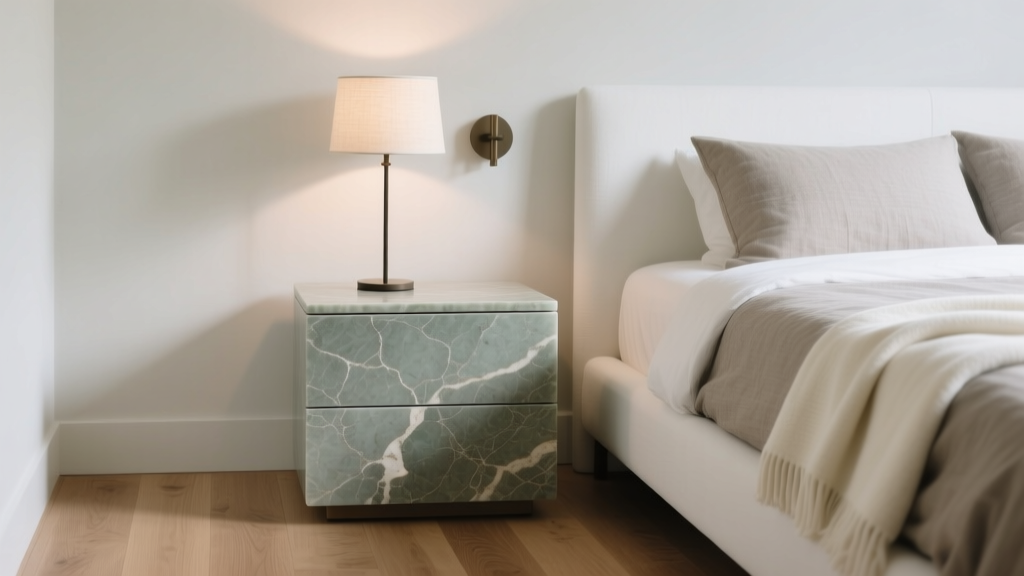 Bedroom Natural Stone Nightstand Top - The Decor Mag
 Bedroom Curtains for Better Sleep (2026)
 Best Bedroom Color Palettes for Relaxation - The Decor Mag
 Bedroom Retreat: Decor Ideas for 2026
 Best Bedroom Sleep Weighted Blanket Guide - The Decor Mag
 Bedroom Fluted Nightstand with Stone Top - The Decor Mag