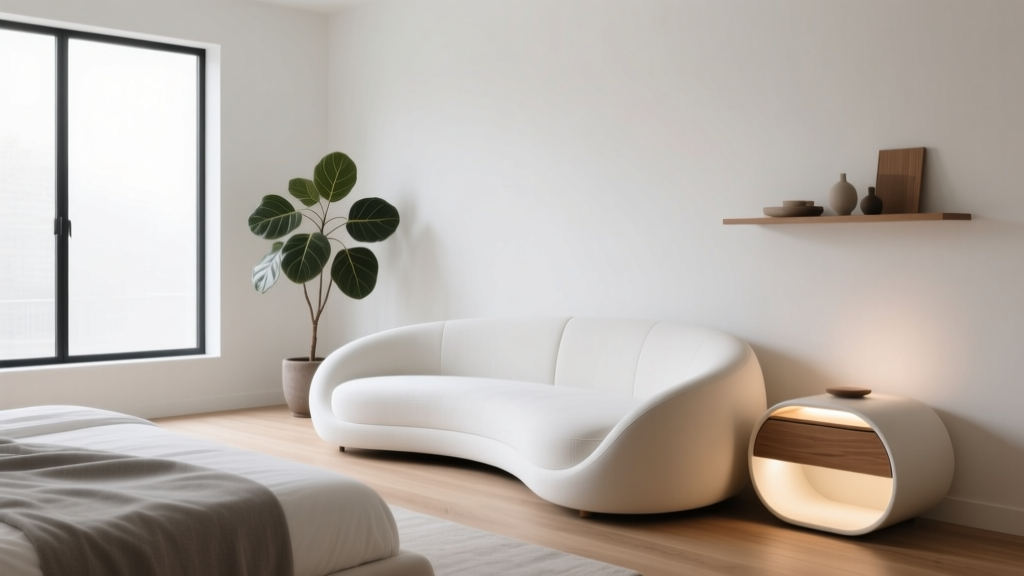
Bedroom Curved Furniture Design Trend - The Decor Mag
Bedrooms are quietly powerful spaces. They shape how quickly you unwind, how safe your body feels at night, and how easily your mind lets go of the day. When a room is filled with hard edges, sharp corners, and rigid lines, it can subtly signal alertness—great for an office, less ideal for a sleep environment designed for restoration.
That’s why the curved furniture trend has found such a natural home in bedroom design. Rounded headboards, arched mirrors, pill-shaped nightstands, and soft-edged dressers create a sense of flow that many people experience as calmer and more “friendly” to the nervous system. Pair that with thoughtful lighting, soothing colors, and clutter control, and you get a bedroom decor approach that supports real sleep quality—not just style.
This guide breaks down how to use curved furniture in practical, budget-aware ways—whether you’re furnishing a new bedroom, updating a rental, or simply trying to make your space feel gentler and more sleep-friendly.
Why Curved Bedroom Furniture Feels So Restful
Curves soften a room visually and physically. In a bedroom, that matters because your brain is constantly scanning the environment for cues—comfort, safety, and order. Curved forms can reduce visual “tension,” especially when combined with warm textures and layered lighting.
How curved design supports a sleep-friendly bedroom
- Less visual sharpness: Rounded silhouettes reduce the harsh contrast that can make a room feel busy.
- Better flow in small bedrooms: Curves make tight spaces feel less cramped because the eye moves more smoothly around the room.
- Fewer bump hazards: For nighttime trips to the bathroom, soft edges are simply kinder (especially in narrow walkways).
- Biophilic “nature-like” effect: Curved lines echo natural shapes and can enhance a sense of ease.
Curved furniture doesn’t automatically equal better sleep, but it’s a strong foundation for a calmer bedroom design—especially when paired with sleep-conscious choices like breathable bedding and low-glare lighting.
Curved Furniture Pieces That Work Best in Bedrooms
You don’t need to replace everything to get the effect. One or two rounded anchor pieces can shift the whole mood of a room.
1) Curved headboards and bed frames
The bed is the visual and functional center of the bedroom. A curved headboard creates a softer focal point than a tall, angular frame.
- Best styles: Arched headboards, scalloped silhouettes, wingback curves, wraparound “cocoon” headboards.
- Sleep-friendly materials: Upholstery in performance fabric, bouclé (beautiful but higher maintenance), linen blends, velvet (cozy but can hold dust if not vacuumed).
- Practical tip: If you read in bed, choose a padded curved headboard for comfort and sound absorption.
Budget range: $250–$700 for an upholstered headboard; $700–$2,500+ for a full curved bed frame depending on materials and brand.
2) Rounded nightstands (including “pill” and drum shapes)
Nightstands are prime real estate for curves because they sit right beside your body. Rounded corners reduce bruised hips and feel gentler visually.
- Best styles: Drum tables, waterfall-edge nightstands, oval “pill” cabinets, small pedestal tables.
- Look for: Soft-close drawers (less noise at night), cable cutouts for chargers, and a stable base.
- Height tip: Aim for the nightstand top to be within 1–3 inches of your mattress height for easy reach.
Budget range: $80–$250 (basic options, including many renter-friendly pieces), $250–$800 (solid wood/stone tops), $800+ (designer or handcrafted).
3) Curved dressers and chests
A curved-front dresser adds elegance without feeling formal. It also helps a bedroom feel less “boxy,” which can reduce visual clutter.
- Best styles: Bow-front dressers, rounded-edge modular dressers, tambour fronts with curved corners.
- Material recommendation: Solid wood or wood veneer over quality plywood (more stable than low-grade particleboard).
- Layout tip: Place the dresser where it won’t interrupt a clear walkway from bed to door—an easy win for bedroom flow.
Budget range: $300–$900 (mid-range), $900–$3,000+ (premium wood, custom, or high-end).
4) Accent seating with soft silhouettes
If you have the space, a curved chair or small chaise can create a wind-down zone for reading or stretching—keeping the bed reserved for sleep and intimacy (a classic sleep-hygiene principle).
- Best styles: Barrel chairs, rounded slipper chairs, petite curved loveseats for large primary bedrooms.
- Comfort tip: Choose supportive cushioning rather than ultra-deep lounge seating that can strain your back.
Budget range: $200–$600 (value), $600–$1,500 (better upholstery/frames), $1,500+ (designer).
5) Arched mirrors and curved wall decor
For renters or anyone on a smaller budget, curved decor creates a similar effect without replacing furniture.
- Best picks: Arched floor mirror, rounded picture frames, circular wall shelves, curved wall sconces.
- Sleep tip: If mirrors reflect the bed and it feels stimulating or distracting, shift placement or angle it away. Calm is personal.
Budget range: $40–$200 for many mirrors and decor pieces; $200–$600 for larger arched floor mirrors.
Materials and Finishes That Feel Calming (and Practical)
Curves set the tone, but materials determine how restful the room feels and how easy it is to maintain a clean sleep environment.
Best bedroom materials for curved furniture
- Oak, ash, walnut: Warm, timeless, and visually grounding. Matte finishes tend to feel calmer than glossy.
- Upholstered pieces: Look for low-VOC fabrics and foam if you’re sensitive to odors. Performance fabrics are ideal for durability.
- Rattan and cane: Adds breathability and texture. Works well for nightstands or headboards in relaxed bedroom decor.
- Stone tops (travertine, marble-look): Beautiful, but consider noise (items placed down loudly) and cold-to-the-touch feel.
Finishes to prioritize for a healthier sleep environment
- Low-VOC stains and paints to reduce lingering off-gassing.
- Sealed wood surfaces that wipe clean easily (less dust retention).
- Rounded edge profiles that prevent chipped corners and reduce injury risk in tight spaces.
Curved Bedroom Layout Ideas for Better Flow
The trend looks best when the room feels spacious—even if the square footage is modest. Flow is also a wellness issue: fewer obstacles means fewer micro-stressors and safer nighttime movement.
Simple layout moves that highlight curves
- Create one curved focal point: Start with a rounded headboard or a curved dresser, then keep other lines quieter.
- Keep pathways clear: Aim for 24–30 inches of walking space where possible (especially around the bed).
- Use a soft “landing zone”: A rounded bench at the foot of the bed or a curved chair in a corner adds function without sharp edges.
- Balance curves with calm structure: Too many rounded items can feel theme-y; pair curves with simple straight-lined basics.
Small bedroom tip
In tight spaces, choose one curved furniture piece and echo it with rounded accessories—like a circle mirror, a rounded lamp base, or a looped throw blanket texture. This keeps the bedroom design cohesive without overcrowding.
Lighting, Colors, and Bedding That Complement Curved Furniture
If curved furniture is the shape language, lighting and textiles are the comfort language. These choices directly affect your sleep environment—especially brightness, glare, and temperature regulation.
Sleep-friendly lighting choices
- Bedside lamps with rounded shades: Fabric or frosted glass reduces harsh glare.
- Warm color temperature bulbs: Aim for 2200K–2700K for evening calm.
- Dimmers or smart bulbs: Lowering light intensity 60–90 minutes before bed supports a smoother wind-down.
- Wall sconces: Great for small bedrooms; choose curved arm styles and place them to avoid direct eye glare.
Budget range: $10–$30 per warm bulb (smart bulbs vary widely), $40–$150 per lamp, $80–$250 per sconce (plus installation if needed).
Colors that enhance the curved trend
Curved furniture pairs beautifully with soft, low-contrast palettes that reduce visual noise.
- Best calming hues: warm whites, creamy beige, mushroom taupe, dusty rose, muted terracotta, soft sage, pale blue-gray.
- Trim and ceiling tip: Slightly warmer whites often feel cozier than stark bright white—especially with warm lighting.
Bedding that supports sleep quality
- Breathable sheets: Cotton percale (crisp/cool) or linen (airy/relaxed). For a smoother feel, try sateen if you don’t sleep hot.
- Comforters and duvets: Choose weight based on your climate; consider layering (light quilt + duvet) for flexibility.
- Pillows: Match firmness and loft to your sleep position; a supportive pillow can reduce neck tension that disrupts sleep.
- Texture tip: Bouclé throws and velvet pillows look great with curves, but keep sleep surfaces (sheets and pillowcases) breathable.
Budget range: $40–$120 for sheet sets (value), $120–$280 (mid-range), $280+ (premium fabrics/finishes). Pillows range $30–$150 each; comforters/duvets $80–$300+.
Wellness Tips: Make the Curved Bedroom Trend Work for Real Rest
Curves create softness, but sleep improves most when the room supports consistent routines and reduces sensory disruption.
- Declutter surfaces: Keep nightstands to essentials: lamp, book, water, and one small tray. Less visual clutter can mean less mental clutter.
- Control light at night: Use blackout curtains or lined drapes if streetlight is an issue—especially in urban rentals.
- Reduce bedroom noise: Upholstered curved headboards, area rugs, and fabric curtains help absorb sound.
- Mind the air: Wash bedding weekly, vacuum upholstered pieces regularly, and consider a HEPA air purifier if allergies disturb your sleep.
- Create a pre-sleep “soft landing”: A rounded chair with a throw can become a screen-free spot for reading or breathing exercises.
Common Mistakes to Avoid
- Overdoing the theme: Too many curved pieces can feel like a showroom. Choose one hero item and a few supporting shapes.
- Ignoring scale: A bulky curved bed in a small bedroom can shrink the space. Measure carefully and check clearance for drawers and doors.
- Choosing high-maintenance fabrics for real life: Bouclé and velvet are gorgeous, but if you have pets, allergies, or minimal time, choose performance fabric or tightly woven upholstery.
- Bright, cool lighting at night: Daylight bulbs (4000K–6500K) can make a bedroom feel alert and interfere with wind-down.
- Blocking walkways: A curved chair wedged near the bed can become a nighttime obstacle. Prioritize safe paths first.
- Shiny finishes everywhere: High-gloss surfaces reflect light and can feel visually “loud.” Matte or satin finishes tend to feel calmer.
FAQ: Curved Bedroom Furniture and Sleep-Friendly Decor
Is curved furniture better for sleep?
Curved furniture can make a bedroom feel softer and more relaxing, which supports a calmer sleep environment. Sleep quality improves most when curves are paired with good lighting, comfortable bedding, and clutter control.
What’s the easiest way to try the curved furniture trend on a budget?
Start with one low-commitment piece: a round nightstand, an arched mirror, or a curved table lamp. These add the look without replacing big furniture.
What materials are best for a healthy bedroom environment?
Look for low-VOC finishes, solid wood or quality veneer construction, and easy-to-clean surfaces. For upholstery, choose performance fabrics and air out new pieces to reduce odors.
How do I mix curved furniture with existing straight-line pieces?
Use contrast intentionally: keep your larger basics (bed frame or dresser) simple, then add one curved “moment” such as a rounded headboard or drum nightstands. Tie it together with rounded lighting or a curved mirror.
Do curved pieces work in a small bedroom or rental?
Yes. Curved nightstands, arched mirrors, and rounded lighting often make small bedrooms feel less tight. In rentals, focus on movable pieces and decor upgrades rather than built-ins.
What color palette pairs best with curved bedroom furniture?
Soft neutrals and muted colors—warm white, taupe, sage, dusty rose, gentle blue-gray—tend to enhance the calming effect and keep the bedroom decor restful.
Next Steps: Build a Softer, Sleep-Supportive Bedroom
If you’re ready to bring the curved furniture design trend into your bedroom, start small and stay practical. Choose one curved anchor piece (often a headboard or nightstands), then support it with warm lighting (2200K–2700K), breathable bedding, and a clutter-light layout that keeps walkways clear.
A simple plan for the next weekend:
- Measure your bedside area and pick one rounded piece (nightstand or lamp) within your budget.
- Swap bulbs to warm, dimmable lighting for a calmer evening atmosphere.
- Edit your nightstand to the essentials and add a tray to contain small items.
- Add one soft texture—curtain panels, an area rug, or a breathable throw—to quiet the room visually and acoustically.
For more calming bedroom ideas, sleep-friendly decor tips, and practical room refresh guides, explore the latest inspiration on thedecormag.com.
More Articles
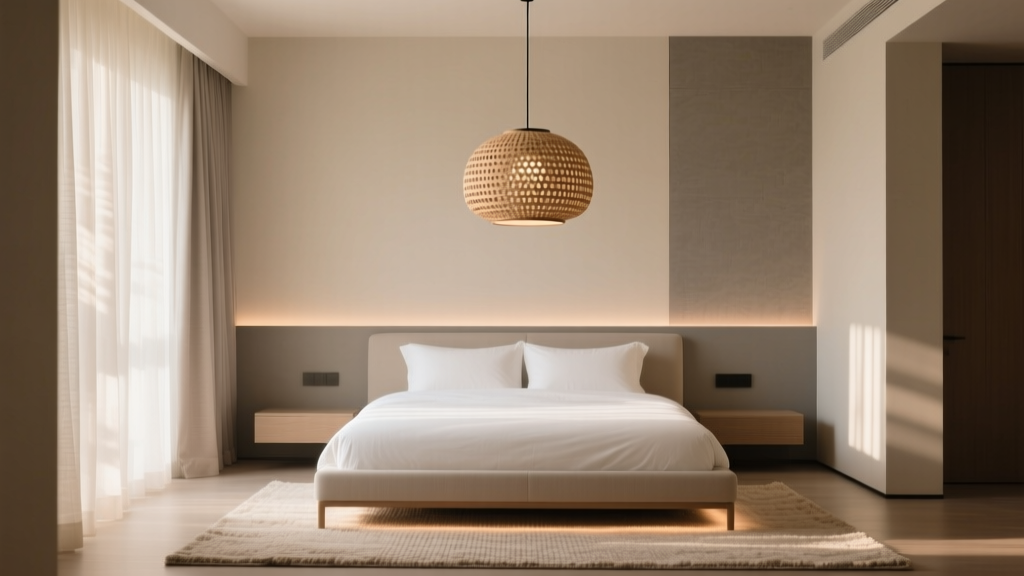 Bedroom Woven Pendant Light Ideas - The Decor Mag
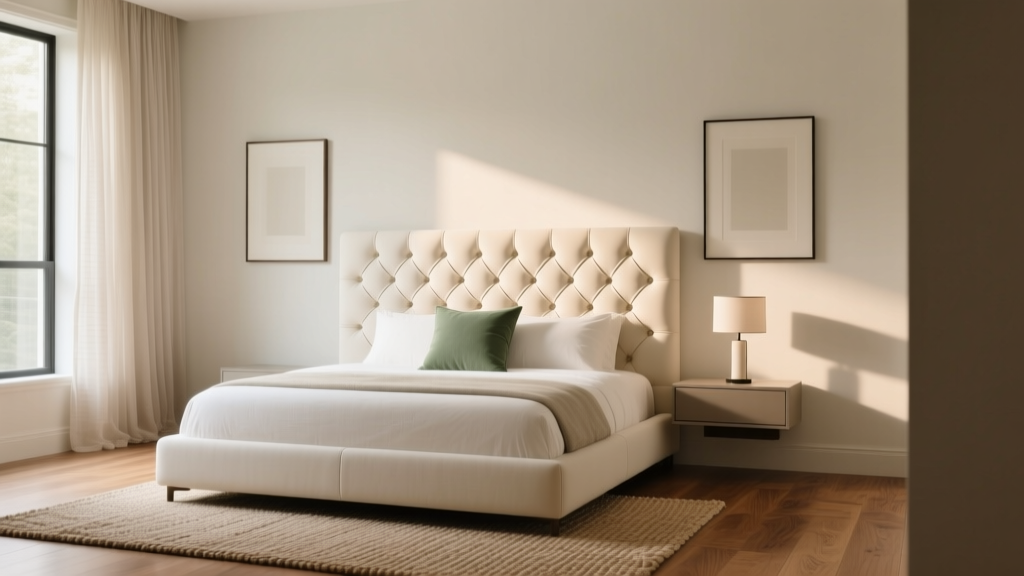 Bedroom Tufted Headboard Trends - The Decor Mag
 The Best Bedding Sets for Every Season - The Decor Mag
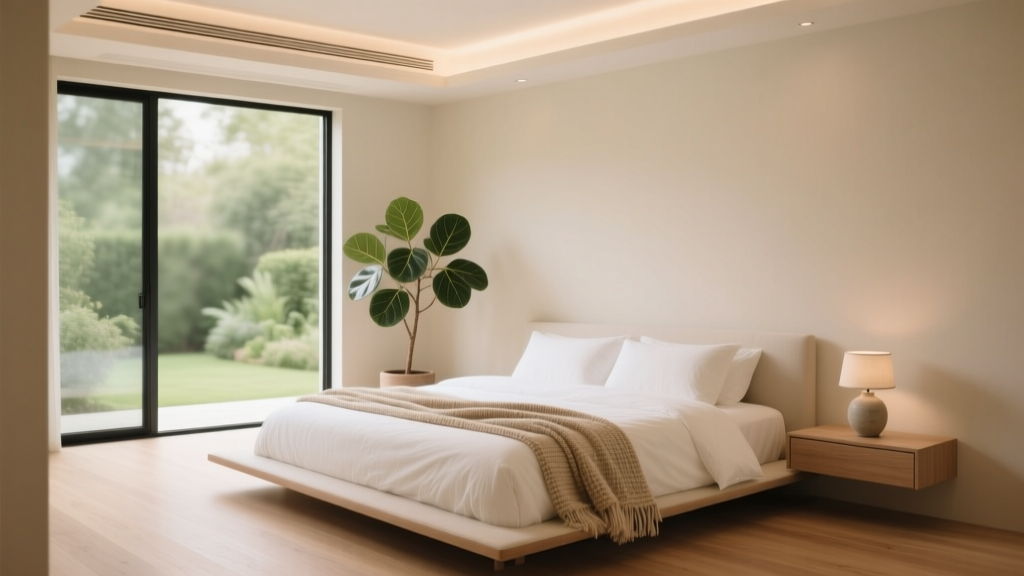 How to Create a Bedroom That Feels Serene - The Decor Mag
 Mid-Century Modern Bedroom Furniture Guide - The Decor Mag
 Bedroom Fluted Wood Dresser Trend - The Decor Mag
 How to Style a Bedroom That Feels Effortless - The Decor Mag
 Best Bedroom Sleep Weighted Blanket Guide - The Decor Mag
 Best Bedroom Bedside Essential Oil Roller - The Decor Mag
 Bedroom Cane Webbing Headboard Ideas - The Decor Mag