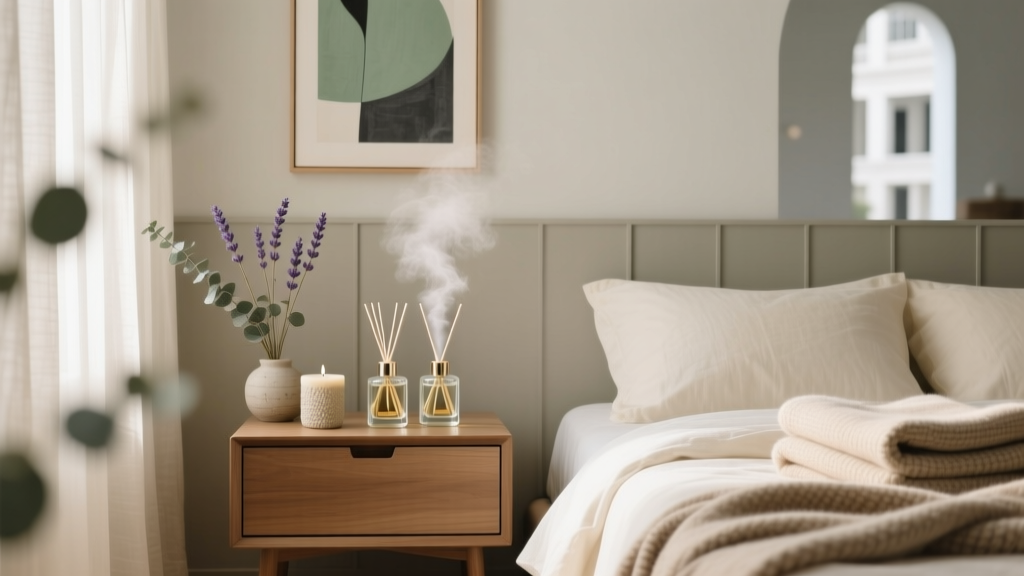
Best Bedroom Essential Oil Blend for Sleep - The Decor Mag
A great night’s sleep doesn’t start when your head hits the pillow—it begins the moment you step into your bedroom. The way a room looks, feels, and even smells shapes how quickly your nervous system shifts from “on” to “off.” When your sleep environment is calm and consistent, you’re more likely to fall asleep faster, stay asleep longer, and wake up less groggy.
Essential oils can be a gentle, practical tool for creating that bedtime “cue.” A well-made bedroom essential oil blend for sleep gives your brain a familiar signal that it’s safe to unwind—especially when it’s paired with smart bedroom design choices like layered lighting, breathable bedding, and a clutter-light layout. This guide covers the best essential oil blends for sleep, how to use them safely, and how to design a bedroom that supports rest in a real-world home—whether you rent or own.
Why Scent Belongs in a Sleep-Friendly Bedroom Design
Your bedroom decor impacts sleep quality in more ways than aesthetics. Lighting, temperature, noise control, and visual clutter all affect how alert you feel at bedtime. Scent adds another layer: it’s closely tied to memory and emotion, so a consistent bedtime fragrance can become part of your nightly routine.
- Consistency matters: Using the same sleep blend nightly can help build a reliable wind-down association.
- It supports routines: Pair scent with habits like dimming lights, putting away screens, and turning down the thermostat.
- It works with decor: Diffusers, linen sprays, and oil-safe accessories can blend seamlessly into your bedroom styling.
The Best Bedroom Essential Oil Blend for Sleep (Plus Variations)
The “best” blend depends on your preferences and what keeps you up—racing thoughts, tension, or frequent waking. These blends are designed for bedroom use: calming, broadly tolerated, and easy to mix with common essential oils.
Blend #1: The Classic Sleep Blend (Lavender + Bergamot + Cedarwood)
This is the most universally loved option for a relaxing bedroom atmosphere. It’s floral, softly citrus, and grounding—ideal for most sleepers and a great starting point if you’re new to essential oils.
- Lavender (Lavandula angustifolia): the cornerstone scent for bedtime calm
- Bergamot (Citrus bergamia): bright but soothing, helps ease mental “buzz”
- Cedarwood (Cedrus atlantica or Virginian cedarwood): warm, woodsy, anchoring
Diffuser recipe (30–60 minutes before bed):
- 3 drops lavender
- 2 drops bergamot
- 2 drops cedarwood
Best for: everyday relaxation, gentle stress, creating a spa-like bedroom vibe.
Blend #2: “Quiet Mind” Blend (Lavender + Clary Sage + Frankincense)
If your biggest sleep barrier is mental chatter, this blend leans serene and slightly herbal-resinous. It feels like a deep exhale and pairs beautifully with minimal, clutter-free bedroom decor.
Diffuser recipe:
- 3 drops lavender
- 2 drops clary sage
- 1–2 drops frankincense
Best for: overthinking at bedtime, transition from work mode, winding down after scrolling or late-night tasks.
Blend #3: “Unwind Body” Blend (Lavender + Roman Chamomile + Sweet Marjoram)
This one is especially comforting if you carry tension in your shoulders, jaw, or lower back. Soft, cozy, and slightly sweet, it fits well with warm neutrals and tactile bedroom textures (knits, linens, matte ceramics).
Diffuser recipe:
- 3 drops lavender
- 2 drops Roman chamomile
- 1–2 drops sweet marjoram
Best for: physical tension, restless evenings, post-workout soreness, “can’t get comfortable” nights.
Blend #4: “Deep Night” Blend (Cedarwood + Vetiver + Lavender)
Earthy and grounding, this blend creates a cocooned feeling—perfect for bedrooms styled with darker, moody paint colors or rich natural materials like walnut, oak, and wool.
Diffuser recipe:
- 3 drops cedarwood
- 1 drop vetiver (it’s strong—start small)
- 2 drops lavender
Best for: light sleepers, frequent waking, people who love woodsy scents and hotel-like bedrooms.
How to Use Essential Oils in the Bedroom (Safely and Effectively)
A sleep blend works best when it’s subtle. Over-scenting can feel stimulating, trigger headaches, or make the room feel “stuffy.” Aim for a gentle background fragrance.
Best delivery methods for a sleep environment
- Ultrasonic diffuser: the easiest option for consistent scent. Run it for 30–60 minutes before bed, then turn off.
- Linen spray (diluted): a light mist on bedding (not directly on skin). Use 5–15 minutes before getting in.
- Wool dryer balls (for bedding): add 1–2 drops, let it dry, then tumble on low. Great for scenting duvet covers and sheets subtly.
- Reed diffuser (with caution): constant scent isn’t ideal for everyone at night, but it can work in larger bedrooms if kept mild.
Dilution basics for bedroom use
- For linen sprays: use a proper solubilizer or a pre-made base designed for essential oils. As a general guide, keep it low: about 10–20 total drops per 2 oz (60 ml) bottle.
- For skin (like a roll-on): typically 1–2% dilution in a carrier oil (about 6–12 drops per 1 oz/30 ml). Patch test first.
- If you have pets, asthma, allergies, are pregnant, or are diffusing around children: check with a clinician and keep diffusion brief, well-ventilated, and mild.
Bedroom Design Choices That Make Your Sleep Blend Work Better
Essential oils are most effective when your bedroom is already working with your circadian rhythm. Think of scent as the finishing touch—not the fix for an overly bright, noisy, cluttered space.
Lighting: build a layered “sunset” effect
- Bedside lamps with warm bulbs: choose 2700K (or warmer) for a soft glow.
- Dimmable lighting: plug-in dimmers for lamps are renter-friendly and inexpensive.
- Avoid harsh overhead light at night: use the ceiling fixture only for cleaning and getting dressed.
- Budget range: $15–$40 for dimmer plugs; $30–$150 per lamp; $5–$20 per warm LED bulb.
Bedding materials: choose breathable, calming textures
When your bedding regulates temperature well, you’re less likely to wake up. Pair that physical comfort with a calming scent for a stronger bedtime signal.
- Sheets: cotton percale for crisp/cool; linen for airy softness; bamboo viscose blends if you like drape (choose reputable brands).
- Duvet inserts: wool for temperature regulation; down alternative for allergy-friendly warmth; down for loft (if tolerated).
- Budget range: $40–$120 for sheet sets (value brands); $120–$280 mid-range; $280+ for luxury linen or long-staple cotton.
Color palette: let your walls do the calming
Color affects how “busy” a room feels. If you want your essential oil blend to read as soothing instead of overpowering, pair it with restful shades.
- Best bedroom colors for sleep: warm off-white, soft greige, muted sage, dusty blue, gentle clay, smoky lavender-gray.
- Finish matters: eggshell or matte reduces glare and feels softer at night.
- Budget range: $35–$80 per gallon for quality interior paint; $10–$25 for peel-and-stick samples.
Furniture and layout: reduce visual noise and bedtime friction
- Nightstands with drawers: hide chargers, meds, and clutter. A calm surface reads as a calm mind.
- Upholstered or wood headboard: creates a cozy “anchor” and can reduce the echo of a sparse room.
- Keep pathways open: avoid weaving around benches, baskets, or floor mirrors—bedtime should feel effortless.
- Budget range: $60–$200 for simple nightstands; $150–$600 for headboards; $0–$50 for renter-friendly cable management.
Where to place your diffuser for best results
- Place it 3–6 feet from the bed, not right next to your face.
- Set it on a stable surface with a coaster or tray to protect wood finishes.
- Avoid placing under shelves or artwork where mist could collect over time.
- For small bedrooms, use fewer drops and run it earlier, then turn it off at lights-out.
Sleep Wellness Tips That Pair Beautifully With a Bedtime Blend
These small habits reinforce the same message as your bedroom decor: this is a place for rest.
- Create a 20-minute wind-down ritual: dim lights, start the diffuser, wash up, read something light.
- Lower the temperature: many sleepers do well around 60–67°F (15.5–19.5°C). Use a fan or breathable bedding if you run warm.
- Reduce blue light: switch to lamp lighting after dinner; keep phone brightness low if you must use it.
- Try a “worry drop” note: write tomorrow’s top 3 tasks, then leave the list outside the bed zone.
- Refresh the air: a short evening ventilation (5–10 minutes) helps the room feel cleaner and makes scent less heavy.
Common Mistakes to Avoid
- Diffusing all night: more isn’t better. Continuous scent can become irritating or disruptive. Run it before bed, then stop.
- Using too many oils at once: complex blends can feel “perfumey” and overstimulating. Stick to 2–4 oils.
- Choosing peppermint, rosemary, or strong eucalyptus at bedtime: these can read energizing for many people.
- Spraying directly onto pillows without proper dilution: this can irritate skin and degrade fabric over time.
- Ignoring your bedroom lighting: a perfect blend won’t overcome bright 5000K bulbs or glaring overhead fixtures.
- Letting clutter accumulate on the nightstand: the first and last thing you see matters. Keep it simple and intentional.
FAQ: Essential Oil Blends and Bedroom Sleep Environment
What is the best essential oil for sleep in a bedroom?
Lavender (specifically Lavandula angustifolia) is the most popular starting point for sleep. If you want a less floral option, cedarwood and vetiver are excellent grounding alternatives for a cozy bedroom feel.
Should I run a diffuser all night while I sleep?
Most people do better with short, gentle diffusion. Try running it for 30–60 minutes before bed, then turning it off. This avoids over-scenting and helps keep your sleep environment comfortable.
What bedroom design features help essential oils feel more relaxing?
Warm, dimmable lighting; breathable bedding; a clutter-light layout; and calming paint colors make scent feel softer and more spa-like. When the room is visually quiet, your sleep blend reads as soothing rather than strong.
Can I use an essential oil spray on sheets and pillows?
You can, as long as it’s properly diluted and formulated to mix with water. Mist lightly from a distance and allow it to dry before getting into bed. Avoid heavy spraying directly where your face rests.
What diffuser type is best for a bedroom?
An ultrasonic diffuser is the most common choice for bedrooms because it’s quiet and easy to use. Look for a model with an automatic shutoff, low-light or no-light settings, and a simple timer.
How do I choose a sleep blend if I’m sensitive to fragrance?
Start with fewer drops and simpler blends—often just lavender + cedarwood. Ventilate the room briefly, keep diffusion time short, and avoid continuous fragrance products. If you get headaches, stop and reassess the oil quality, dose, and airflow.
Your Next Steps: Build a Bedroom That Signals Sleep
Choose one blend above and use it consistently for a week, keeping the scent subtle. Pair it with one bedroom design upgrade that supports sleep—like swapping to warm bulbs, adding a nightstand with drawers, or upgrading to breathable sheets. Small changes compound quickly when your space works with your biology.
If you’d like more soothing, practical ideas for bedroom decor, calming color palettes, lighting plans, and renter-friendly layout upgrades, explore more bedroom inspiration on thedecormag.com.
More Articles
 How to Choose Bedroom Mattress Firmness - The Decor Mag
 How to Style a Bedroom with Vintage Pieces - The Decor Mag
 Bedroom Accent Wall Ideas - The Decor Mag
 Best Bedroom Color Palettes for Relaxation - The Decor Mag
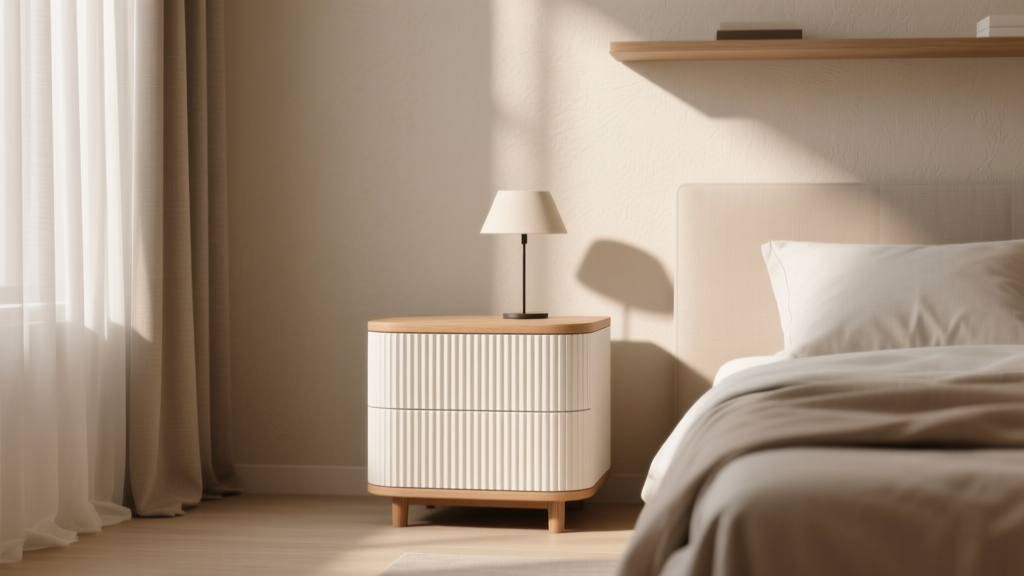 Bedroom Fluted Nightstand Design - The Decor Mag
 Sustainable Bedroom FAQs Answered: Materials, Certifications, and Real Impact
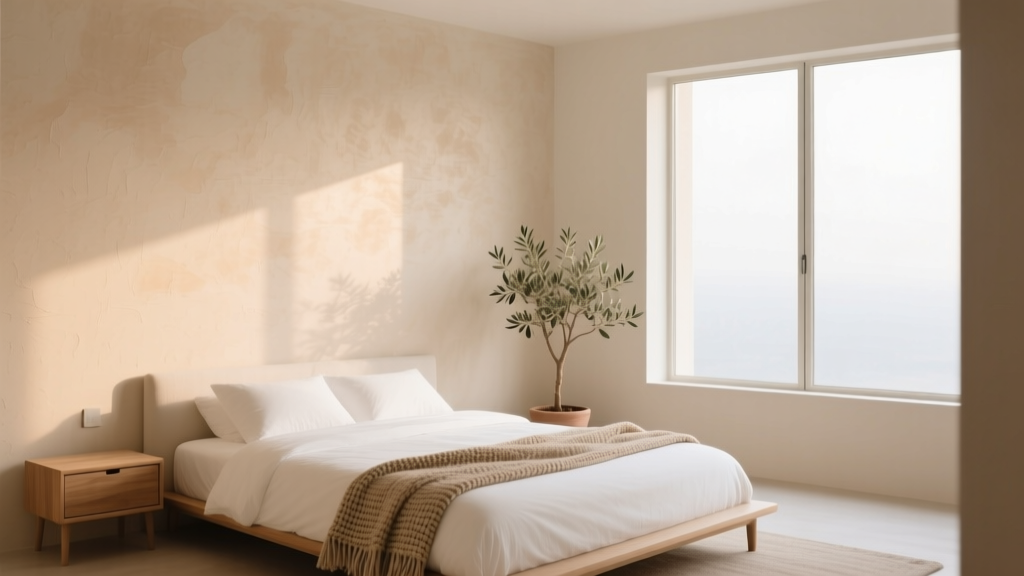 Bedroom Limewash Bedroom Wall Treatment - The Decor Mag
 How to Choose Bedroom Nightstand Height - The Decor Mag
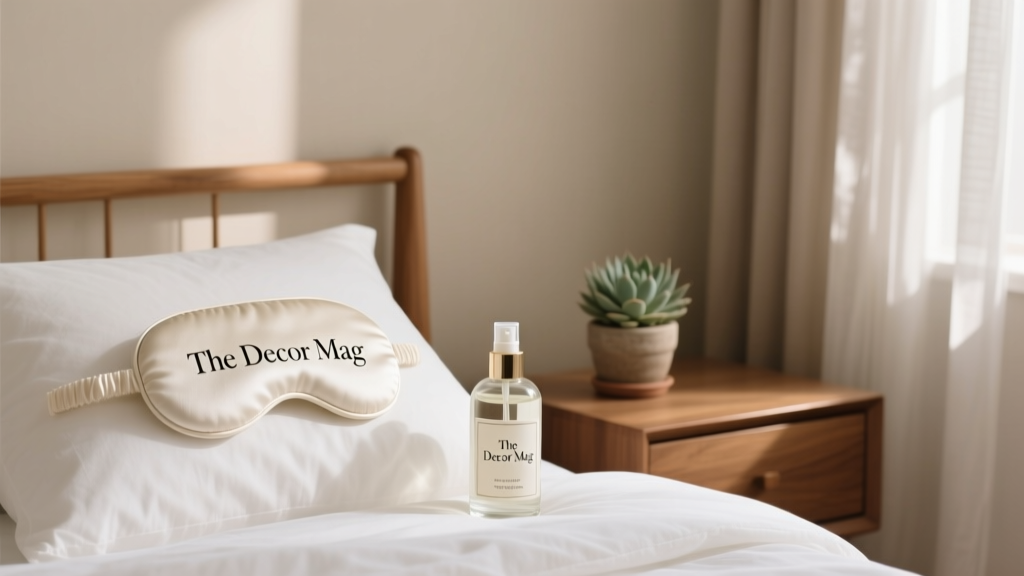 Best Bedroom Sleep Mask and Pillow Spray - The Decor Mag
 Bedroom Curtains for Better Sleep (2026)