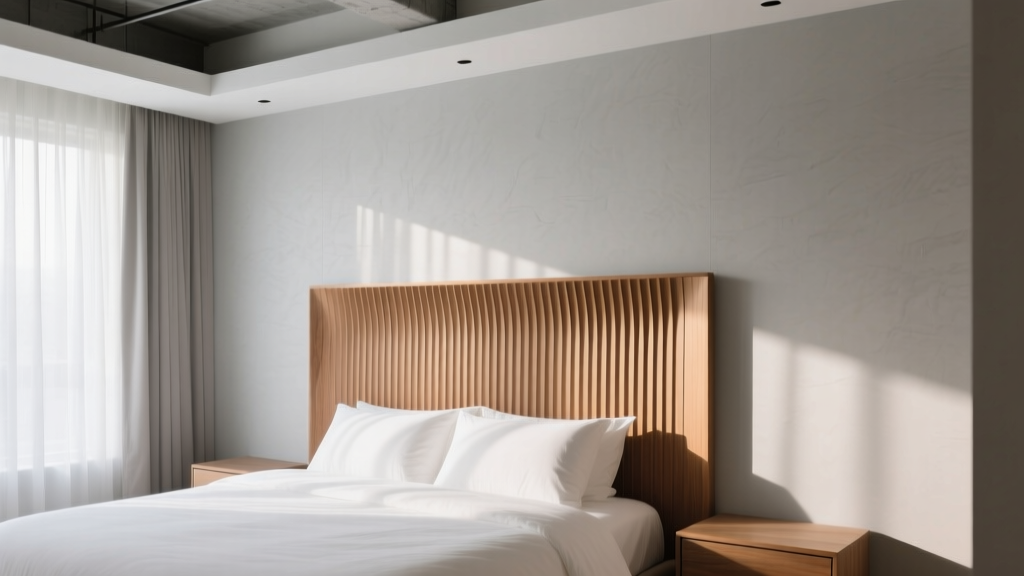
Bedroom Fluted Headboard Panel Design - The Decor Mag
A bedroom that supports deep, steady sleep is rarely an accident. The details—what you see when you wake, what you touch as you settle in, how light and sound behave in the space—quietly shape your nervous system. A fluted headboard panel can be one of those “small change, big impact” upgrades: it adds texture, warmth, and visual order right where your eyes naturally land, without needing a full renovation.
Fluting (those rhythmic vertical grooves) introduces a gentle pattern that feels calming rather than busy. It can soften a plain wall, visually anchor the bed, and help a room feel more finished—especially in rentals where you can’t change much else. When chosen thoughtfully, a fluted headboard panel design also supports better sleep hygiene by encouraging a calmer palette, cleaner layout, and more intentional lighting.
Below you’ll find practical, sleep-friendly guidance on styles, materials, sizing, lighting, color, and layout—plus budget ranges, common mistakes to avoid, and wellness tips that help your bedroom feel like a true place of rest.
What Is a Fluted Headboard Panel (and Why It Works for Bedrooms)
A fluted headboard panel is a wall-mounted or bed-mounted headboard surface featuring vertical (occasionally horizontal) grooves. It can be made from wood, MDF, veneer, upholstered panels, acoustic felt, or even peel-and-stick slats designed for renters. The grooves create depth and shadow, which adds visual comfort—much like softly pleated fabric or natural wood grain.
Sleep-friendly benefits
- Visual calm: Repetition and symmetry help the brain read the room as orderly, which can reduce “mental clutter” at bedtime.
- Warmer feel: Textural surfaces can make a bedroom feel less stark than flat painted walls, especially in modern spaces.
- Better perceived comfort: A headboard creates a sense of boundary and coziness around the bed—helpful for relaxation routines.
- Optional sound softening: Upholstered or felt-backed fluted panels can slightly reduce echo, supporting a quieter sleep environment.
Choosing the Right Fluted Headboard Panel Style
1) Full-width wall panel for a hotel-style look
A full-width fluted panel spanning behind the bed and nightstands creates a cohesive, calming “headboard wall.” It’s especially effective in small bedrooms because it visually simplifies the wall into one quiet feature.
- Best for: Minimalist, modern, Japandi, and warm contemporary bedrooms
- Sleep tip: Pair with symmetrical nightstands and matching lamps to reduce visual stimulation.
2) Oversized headboard panel (wider than the bed)
If full width isn’t possible, aim for a panel that extends 8–18 inches beyond each side of the bed. This makes the bed feel grounded and helps prevent the “floating mattress” look that can make a room feel unsettled.
3) Standard-width fluted headboard (budget-friendly and flexible)
Keeping it close to bed width (or slightly wider) works well for renters and for anyone who rearranges often. This option is also easier if you’re buying a ready-made fluted headboard.
4) Upholstered fluted panels for softness and quiet
Vertical channel-tufting or fluted upholstered panels deliver the same rhythm with added comfort—great if you read in bed or want a softer, quieter feel.
- Best for: Cozy, transitional, modern classic bedrooms
- Sleep tip: Choose performance fabric (linen blend, boucle, microfiber velvet) in a matte finish to avoid glare from lamps.
Materials That Look Great and Support a Restful Sleep Environment
Wood and wood veneer (warm, timeless)
- Look: Natural, grounding, calming texture
- Best species/tones: White oak, ash, walnut, or birch veneers
- Wellness angle: Natural wood tones tend to read as warmer and more soothing than high-gloss finishes.
Budget range: $200–$900 for DIY or semi-DIY wall slats; $800–$2,500+ for custom millwork.
MDF slat panels (smooth and paintable)
- Look: Clean, consistent grooves
- Best for: Painted fluted headboards that match walls for a cocooning effect
- Sleep tip: A color-drenched wall (panel and wall in the same shade) can feel deeply calming at night.
Budget range: $150–$600 depending on coverage and trim.
Acoustic felt-backed slat panels (renter-friendly feel, quieter room)
- Look: Modern slatted wood over a dark felt backing
- Sound benefit: Helps reduce echo in rooms with hard floors or minimal textiles
- Sleep tip: Pair with a thick area rug and lined curtains to further soften noise.
Budget range: $250–$1,200 depending on brand and wall size.
Upholstered fluted panels (soft touch, comfortable backrest)
- Look: Plush channels and gentle shadow lines
- Best fills: High-density foam wrapped in batting for a smooth, tailored look
Budget range: $300–$1,500 ready-made; $1,200–$3,500 custom.
Size, Placement, and Proportions (So It Feels Balanced)
Recommended height
- Standard: 48–54 inches from the floor to the top of the headboard panel
- Higher impact: 60–72 inches for a dramatic feature wall (especially with 9–10 ft ceilings)
- With artwork: Keep art minimal; the fluting is already the feature.
Recommended width
- Minimum: Bed width (e.g., 60" queen, 76" king)
- Best-looking: Bed width + 16–36 inches total (8–18 inches per side)
- Full wall: Extends from one side of the bed zone to the other, ideally aligning with nightstands.
Placement for a calmer layout
- Center the panel to the bed (not the wall) if your room is asymmetrical. This keeps the bed as the visual anchor.
- Keep the “sleep wall” clean: avoid shelves, open storage, and clutter near the pillow area.
- Mind airflow: don’t block HVAC vents with a thick, floor-to-ceiling build-out.
Color Ideas That Promote Relaxation
The best bedroom colors for sleep tend to be muted, warm-leaning, and low-contrast. Fluting adds depth even in quiet shades, so you can keep the palette soft without the room feeling flat.
Sleep-friendly color pairings for fluted panels
- Warm white panel + greige walls: Bright but not stark; works in low-light bedrooms.
- Natural oak panel + creamy beige bedding: Gentle, grounding, easy to style.
- Walnut panel + warm taupe walls: Cozy, cocoon-like, ideal for north-facing rooms.
- Painted dusty green panel + off-white linens: Nature-inspired calm with soft contrast.
- Charcoal felt-backed slats + warm lighting: Modern, moody, and surprisingly restful when lighting is layered.
Practical tip: Keep contrast low around the bed. If you choose a darker fluted headboard, balance it with mid-tone bedding rather than bright white that can feel visually sharp at night.
Furniture, Bedding, and Lighting Recommendations (Designed for Rest)
Furniture that pairs well with fluted headboard panels
- Nightstands: Simple silhouettes—floating nightstands or closed-drawer styles reduce visual noise.
- Bed frame: Upholstered or wood frames with clean lines; avoid overly ornate shapes competing with the fluting.
- Bench (optional): A soft-upholstered bench at the foot of the bed adds function without clutter.
- Storage: Choose closed storage (dressers with doors/drawers) to keep the sleep environment calm.
Bedding that enhances the look (and comfort)
- Sheets: Cotton percale for hot sleepers; sateen for a smoother, warmer feel; linen for breathability and texture.
- Comforter/duvet: Use a breathable insert matched to your climate (lightweight, all-season, winter weight).
- Pillows: 2 sleeping pillows per person + 1–2 supportive back pillows if you sit up in bed (avoid excess decorative pillows that end up on the floor).
- Textures: If your headboard panel is wood, add softness via a quilted coverlet, boucle throw, or brushed cotton blanket.
Budget range for bedding refresh: $150–$400 for a meaningful upgrade (sheets + duvet cover + two pillows), $400–$900 for premium natural materials and multiple layers.
Lighting that flatters fluting and supports melatonin
Fluting looks best with grazing light—soft illumination that casts gentle shadows. For sleep wellness, aim for warm, dimmable light in the evening.
- Wall sconces: Ideal for small bedrooms; frees nightstand space and creates even light along the panel.
- Table lamps: Choose shades that diffuse light (linen or paper). Avoid clear glass that can create glare.
- LED picture light (subtle): Mounted above the panel for a soft wash—use only on a dimmer and keep brightness low.
- Bulbs: 2200K–2700K warm white for evening; use dimmers or smart bulbs to shift warmer at night.
Budget range for lighting: $60–$150 per lamp, $120–$400 per sconce (plus installation), $20–$60 per smart bulb/dimmer depending on ecosystem.
Renter-Friendly Fluted Headboard Panel Options
You can still achieve a fluted headboard panel design without permanent construction.
- Freestanding fluted headboard: Look for slatted wood headboards that attach to a bed frame—no wall drilling.
- Peel-and-stick fluted wall panels: Best for smooth walls; test a small area first for paint safety.
- Command-strip mounted lightweight panels: Works for thin decorative panels (follow weight limits carefully).
- Temporary “panel frame”: A large sheet of plywood wrapped in felt or fabric with attached slats, leaned and secured lightly behind the bed.
Renter tip: If your building has thin walls, consider felt-backed slats or upholstered fluted panels to slightly soften sound and create a cozier sleep environment.
Sleep-Friendly Wellness Tips to Pair with a Fluted Headboard Feature
- Keep the headboard zone tech-free: Use a small tray in a drawer for chargers to reduce visual stimulation.
- Reduce nighttime glare: Matte finishes on the panel and low-sheen paint prevent harsh reflections.
- Anchor calm with scent: If you use fragrance, keep it subtle (lavender, chamomile, cedar) and discontinue if it irritates breathing.
- Control light leakage: Add blackout lining or layered curtains—especially helpful if the fluted panel is dark and you want the room to feel consistently cozy.
- Balance sound: Soft textiles (rug, upholstered headboard, lined drapes) + a gentle white noise machine can improve sleep continuity.
Common Mistakes to Avoid
- Choosing overly busy grooves: Very tight, high-contrast fluting can feel visually noisy. Wider slats or softer channels tend to feel calmer.
- Installing the panel too low: A short headboard can look undersized, especially with tall ceilings. Aim for a height that feels intentional.
- Mixing too many strong textures: If the panel is heavily grained wood, keep bedding simpler. Let one element lead.
- Using cool, bright bulbs: 4000K–5000K lighting can feel energizing at night and disrupt a relaxing bedroom atmosphere.
- Skipping edge trim and alignment: Visible gaps or uneven edges can make the room feel unfinished—use end caps, trim, or clean reveals.
- Overcrowding the bed wall: Avoid piling on mirrors, shelves, or loud art directly over a textured headboard feature.
FAQ: Bedroom Fluted Headboard Panel Design
Should fluted panels run vertical or horizontal behind a bed?
Vertical fluting is the most popular for bedrooms because it draws the eye upward and feels orderly and calming. Horizontal fluting can visually widen a narrow room, but it can also feel more dynamic—use it if you prefer a modern, architectural look and keep the rest of the wall minimal.
What’s the best material for a sleep-friendly headboard wall?
For comfort and sound-softening, upholstered or felt-backed panels are excellent. For a warm, natural look, wood or veneer works beautifully—pair it with soft bedding layers and warm lighting to keep the sleep environment cozy.
How do I clean a fluted headboard panel?
Dust regularly with a microfiber cloth or a vacuum brush attachment (especially in the grooves). For wood, use a gentle cleaner designed for finished surfaces. For upholstery, spot clean with a fabric-safe cleaner and test in an inconspicuous area first.
Can a fluted headboard panel work in a small bedroom?
Yes—often it makes a small bedroom feel more intentional. Choose a lighter wood tone or paint the panel close to the wall color to reduce contrast. Wall sconces can replace table lamps and free up nightstand space.
What budget should I plan for?
A renter-friendly or DIY approach can land around $150–$600. Mid-range ready-made panels and slat systems often fall between $300–$1,200. Custom millwork or fully upholstered, wall-to-wall installations typically start around $1,500 and can reach $3,500+ depending on size and materials.
Do fluted panels make a room darker?
They can, especially in darker finishes or deep grooves that cast stronger shadows. Balance with warm, layered lighting (dimmable sconces or lamps) and lighter bedding to keep the room feeling restful rather than heavy.
Next Steps: Create a Calmer Bedroom Around Your Headboard
If you want a bedroom that feels quieter and more restorative, start with the bed wall. Choose a fluted headboard panel style that matches your space and your habits—reading in bed, needing more sound-softening, or wanting a cleaner, hotel-like layout. Then support it with warm, dimmable lighting, a low-contrast color palette, and bedding that feels breathable and inviting.
- Measure your bed wall and decide on panel width (standard, oversized, or full-wall).
- Select a sleep-friendly material (wood/veneer for warmth, upholstery/felt for softness).
- Plan lighting: warm bulbs, dimmers, and symmetrical placement for visual calm.
- Edit the area around the bed—closed storage and fewer items on display.
For more calming bedroom design ideas, cozy decor inspiration, and practical sleep environment tips, explore the latest guides on thedecormag.com.
More Articles
 How To Start Living Room Ideas: A Practical, Step-by-Step Framework for Real Homes
 Bedroom Upholstered Headboard Trends - The Decor Mag
 How to Create a Bedroom for Better Sleep - The Decor Mag
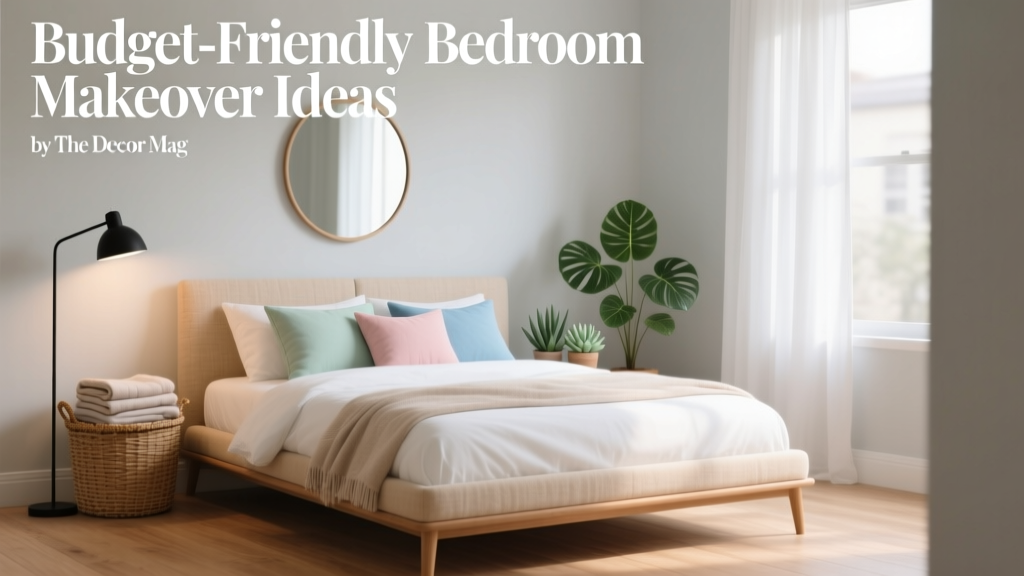 Budget-Friendly Bedroom Makeover Ideas - The Decor Mag
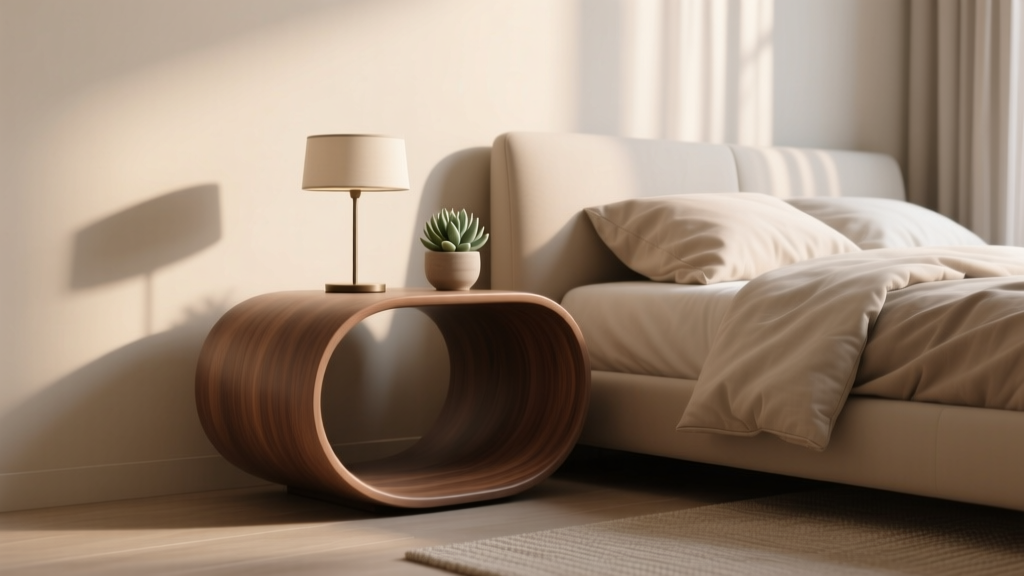 Bedroom Curved Nightstand Design Trend - The Decor Mag
 How to Match Your Family’s Needs With the Right Bedroom Options: A Practical, Evidence-Based Guide
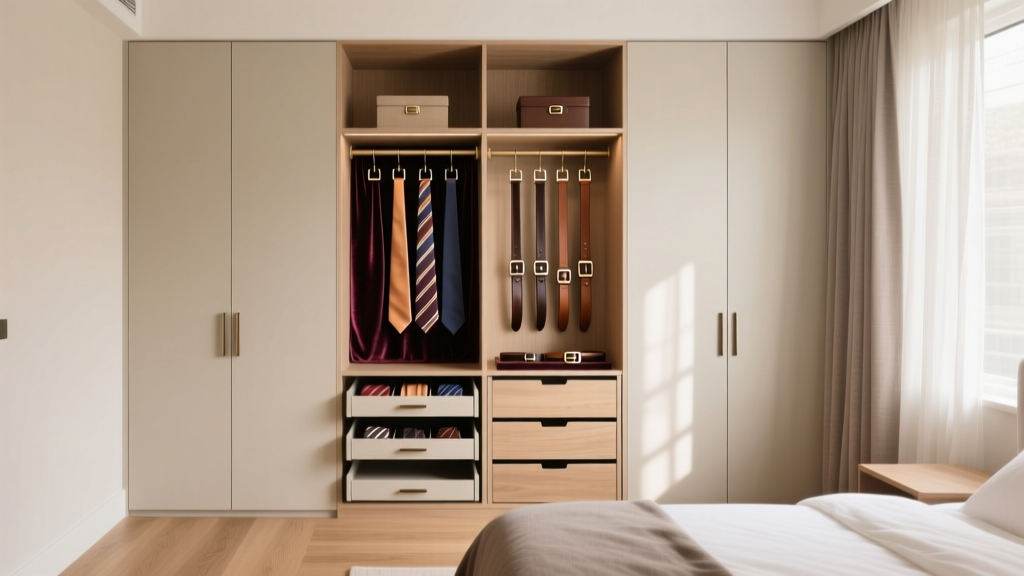 Best Bedroom Tie and Belt Storage - The Decor Mag
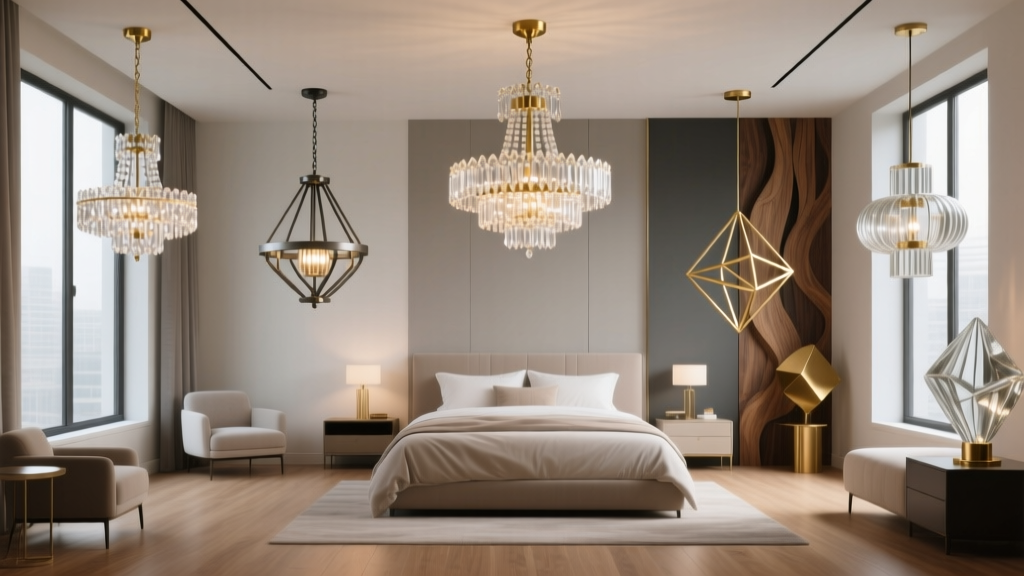 Best Bedroom Chandelier Styles - The Decor Mag
 Bedroom Four Poster Bed Styling - The Decor Mag
 Best Bedroom Handbag Storage Solutions - The Decor Mag