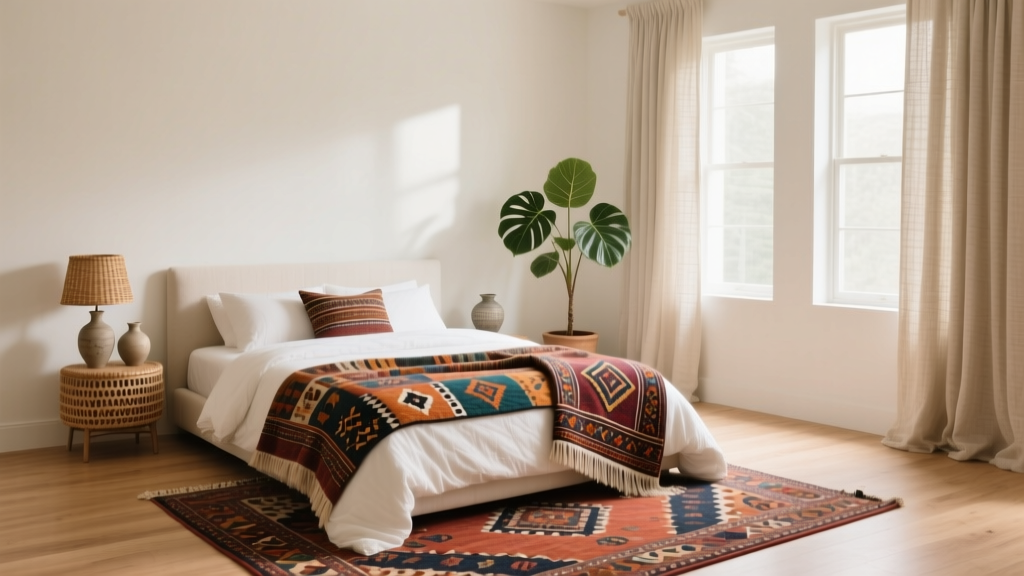
Global Textiles in Bedrooms: Styling Ideas (2026)
A bedroom that supports deep, consistent rest isn’t only about a good mattress or blackout curtains. Your sleep environment is also shaped by what you see and touch each day—textures, colors, and the sense of comfort they create. Global textiles bring warmth and character to a space, but they can also contribute to a calmer mood when used thoughtfully. Soft layers help a room feel protected and settled, which can lower pre-bed stress and make it easier to unwind.
Textiles from around the world—like Moroccan rugs, Indian block prints, West African mud cloth, Japanese indigo shibori, or Peruvian alpaca throws—carry rich craft traditions. When you integrate them with a sleep-first approach, they become more than decor: they become part of a bedroom routine that signals “rest” through familiar textures and soothing color. The key is balance: a few intentional pieces can make your bedroom design feel collected and personal without turning it visually busy or overstimulating.
Why Global Textiles Work So Well in Bedroom Design
Global textiles often feature handwoven texture, natural fibers, and time-tested dyeing techniques—qualities that naturally support a cozy, grounded bedroom decor style. When curated for your room’s lighting and layout, they can enhance comfort while still keeping the bedroom calm.
Sleep-friendly benefits of textile layering
- Tactile comfort: Soft, breathable materials (cotton, linen, wool) help regulate temperature and feel gentle against skin.
- Visual calm: Repeating patterns in muted tones can feel rhythmic and reassuring—helpful for an evening wind-down.
- Sound softening: Rugs, curtains, and fabric wall hangings reduce echo, supporting a quieter sleep environment.
- Warmth without clutter: A single statement textile can make a room feel finished without adding more furniture.
Choose a Design Direction: Calm, Collected, and Cohesive
Global textiles can span many styles. To keep the bedroom restful, decide on a simple direction first—then select pieces that support it.
Three relaxing style paths (pick one as your base)
- Soft Global Minimal: Neutral bedding + one artisan textile (e.g., a Moroccan rug or indigo throw). Clean lines, airy layout.
- Warm Earthy Retreat: Clay, sand, olive, and rust tones. Layered textiles (kilim + linen duvet + wool throw) with warm lighting.
- Coastal Global: White or pale greige walls, natural wood, woven textures, and blue-based prints (shibori, block print, stripes).
A simple rule that keeps patterns restful
- Use one “hero” pattern (largest visual impact) and keep the rest more subtle.
- Repeat a color from the hero textile in two other places (pillow, lamp shade, curtain trim) for cohesion.
- Balance pattern with solid, breathable bedding—especially on the sheets and pillowcases.
Where to Add Global Textiles (Without Overcrowding the Room)
The most sleep-supportive bedrooms feel open and easy to move through. These placements add personality while protecting flow and calm.
1) Start with the bed: the calm center of the room
The bed is the best place to feature global textiles because it already holds layers. Keep the base soothing, then add character through removable accents.
- Base bedding (sleep-first): Solid cotton percale for hot sleepers, linen for year-round breathability, or cotton sateen if you love a smoother feel.
- Add one statement layer: A kantha quilt, block-printed quilt, or indigo-dyed throw folded at the foot of the bed.
- Finish with 2–4 pillows: Use global textiles on shams or lumbar pillows rather than every pillow. Inserts in down-alternative or feather can boost comfort.
Budget ranges:
- Block-print throw pillows: $25–$90 each
- Kantha/hand-stitched quilts: $80–$250
- Artisan bed coverlets (heavier weaves): $150–$450
2) Anchor the room with a rug: comfort for bare feet
A well-chosen rug is one of the most practical global textile investments. It warms the room, softens sound, and creates that “exhale” feeling when you step out of bed.
- Moroccan/Berber-style wool rugs: Plush, cozy, and naturally insulating. Great for colder climates and sound dampening.
- Kilim or dhurrie flatweaves: Lower pile, easier to clean, ideal for allergy-sensitive sleepers and warmer regions.
- Vintage Turkish rugs: Often more muted with age; can add patina without overwhelming the room.
Size tips for a sleep-friendly layout:
- Queen bed: aim for 8x10 if possible, or 6x9 in tighter rooms.
- Place the rug so it extends 18–24 inches beyond the sides of the bed for a soft landing.
- If budget is tight: use two 2x6 or 2x8 runners on each side of the bed.
Budget ranges:
- Cotton flatweave: $80–$250
- Wool rug (new): $250–$900
- Vintage/hand-knotted: $600–$2,500+
3) Add softness vertically: curtains, canopies, and wall textiles
Bedrooms often need more softness at eye level. Vertical textiles can also help with light control—a major factor in sleep quality.
- Layered curtains: Sheer + blackout lining for both daytime softness and nighttime darkness.
- Textile wall hanging: A small tapestry or woven piece behind the bed can replace busy gallery walls and reduce echo.
- Canopy or bed scarf: A lightweight canopy adds cocoon-like comfort in large rooms, especially when kept neutral.
Material recommendations for better rest:
- Linen blends for curtains: breathable and softly textured
- Cotton for wall textiles: easier to clean, less lint than wool
- Avoid heavy synthetic velvets if you run warm or if your room traps heat
Color Palettes Inspired by Global Textiles (That Still Feel Sleepy)
Many global patterns are vibrant. For a restful bedroom design, pull the quieter colors forward and keep bright tones as small accents.
Three proven palettes for a relaxing sleep environment
- Sand + Cream + Indigo: Great with shibori, mud cloth accents, or striped textiles. Pair with light oak and warm-white lighting.
- Clay + Oatmeal + Olive: Works beautifully with kilims, block prints, and rustic woods. Add matte ceramic lamps for softness.
- Charcoal + Warm White + Faded Terracotta: Best for larger rooms needing grounding. Keep the terracotta in small doses (one pillow, one throw).
How to keep global color from overstimulating
- Use brighter hues below eye level (rug, bench cushion) rather than on the bed.
- Keep walls and large furniture in quieter neutrals: warm white, greige, soft taupe.
- Repeat colors in muted versions (dusty blue instead of bright cobalt).
Furniture and Layout: Let the Textiles Shine Without Crowding
Global textiles have detail. The supporting furniture should feel steady and uncomplicated, especially in bedrooms where visual calm supports sleep.
Furniture recommendations that pair well with global textiles
- Bed frame: Simple wood platform (oak, walnut, acacia) or an upholstered headboard in linen or cotton.
- Nightstands: Clean silhouettes; consider rattan or cane for texture without heavy pattern.
- Bedroom bench: A woven or upholstered bench at the foot of the bed is ideal for a folded quilt or throw.
- Storage: Closed storage (dressers with doors/drawers) helps reduce visual noise—key for relaxation.
Budget ranges:
- Nightstands: $80–$350 each
- Upholstered headboard: $150–$600
- Bedroom bench: $120–$500
Layout tips for renters and small bedrooms
- Choose one large textile (rug or quilt) instead of many small ones that can feel cluttered.
- Use removable hooks for a lightweight wall textile instead of nails.
- Try pillow covers and a throw first—easy to store and swap seasonally.
Lighting: Make Global Textures Look Softer at Night
Even the most beautiful bedroom decor can feel “busy” under harsh light. Warm, layered lighting helps patterns read as cozy rather than chaotic.
Sleep-friendly lighting recommendations
- Bulb temperature: Aim for 2200K–2700K in bedside lamps for a warm, sunset-like glow.
- Lamp shades: Fabric shades (linen or cotton) diffuse light and flatter textured bedding.
- Dimmers: A plug-in dimmer is a renter-friendly upgrade that supports a consistent wind-down routine.
- Reading lights: Add a directional sconce or adjustable lamp to avoid blasting the whole room with overhead light.
Wellness Tips: Keep Global Textiles Comfortable, Clean, and Low-Allergen
Sleep quality improves when your bedroom feels fresh and breathable. Textiles can help—if you choose the right materials and care for them well.
Best materials for comfort and breathability
- Cotton: Versatile, washable, comfortable year-round
- Linen: Excellent airflow; ideal for warm sleepers
- Wool: Great insulation and sound softening; choose low-pile options if you’re dust-sensitive
- Alpaca blends: Warm but often lighter than thick wool blankets
Care habits that support a healthy sleep environment
- Air out wool rugs/blankets occasionally in indirect sunlight.
- Use a HEPA vacuum on rugs weekly if allergies are a concern.
- Wash bedding in fragrance-free detergent; strong scents can disrupt sensitive sleepers.
- Rotate throws and pillow covers seasonally to reduce dust buildup.
Common Mistakes to Avoid
- Too many competing patterns: If everything is a statement, nothing feels restful. Stick to one hero textile.
- Ignoring texture balance: Pair a nubby kilim with smoother linen bedding so the room feels comfortable, not scratchy.
- Going overly saturated: Bright reds, neon tones, and high-contrast geometrics can feel energizing at bedtime. Use them sparingly.
- Choosing itchy or delicate pieces for daily use: Reserve fragile artisan textiles for wall hangings; keep bed layers soft and washable.
- Buying the wrong rug size: A too-small rug can make the room feel disjointed, which subtly adds visual stress.
- Harsh overhead lighting: It flattens texture and makes patterns feel louder. Add warm bedside lamps and dimmers.
FAQ: Global Textiles in Bedroom
How do I mix global textiles without making my bedroom look cluttered?
Choose one focal piece (a rug or quilt), then keep bedding mostly solid and repeat one or two accent colors. Aim for two patterns max in a small bedroom, three in a larger room, with at least one being subtle.
What global textiles are best for hot sleepers?
Look for cotton and linen options: block-printed cotton quilts, lightweight kantha throws, and flatweave dhurrie rugs. Avoid heavy synthetic blankets and very high-pile rugs that can trap heat.
Are wool rugs a bad idea for allergies?
Not necessarily. Wool can hold dust, but many people do well with a low-pile wool rug plus regular HEPA vacuuming. If you’re highly sensitive, consider a washable cotton flatweave and keep textiles minimal.
How can renters incorporate global textiles without painting or renovating?
Start with pillow covers, a throw, and a rug. Add a textile wall hanging with removable hooks and use plug-in dimmers or warm bulbs to soften the room at night.
What’s the most budget-friendly way to get the look?
Focus on smaller swaps: pillow covers ($25–$60), a throw ($40–$150), or side runners ($30–$120). Thrifted or vintage textiles can also be a great value—just plan to clean them properly.
How do I keep artisan textiles from fading?
Limit direct sunlight where possible, rotate pieces seasonally, and follow gentle washing instructions. For delicate items, use them as wall decor rather than daily bedding.
Actionable Next Steps for a Calmer, More Restful Bedroom
If you want a bedroom that feels both personal and sleep-friendly, start small and build slowly. A thoughtful global textile choice can add comfort without disrupting the calm your sleep depends on.
- Pick one anchor: a rug, quilt, or wall textile that feels soothing to you.
- Set a quiet base: solid, breathable bedding in cotton percale or linen.
- Choose warm lighting: 2200K–2700K bulbs and at least one bedside lamp.
- Edit the room: remove one unnecessary item so the new textile doesn’t add visual noise.
- Protect sleep quality: prioritize blackout lining, tidy surfaces, and textures that feel good against skin.
For more calming bedroom design ideas, cozy decor inspiration, and sleep-supportive upgrades, explore the latest guides on thedecormag.com.
More Articles
 Reading Corner in Bedroom: Decor Ideas (2026)
 How to Choose Bedroom Mattress Topper - The Decor Mag
 Best Bedroom Luggage Storage Solutions - The Decor Mag
 Best Bedroom Bedside Reading Stack - The Decor Mag
 How to Choose Bedroom Comforter Fill - The Decor Mag
 Best Bedroom Sleep Sound Playlist - The Decor Mag
 Best Bedroom Reading Light Options - The Decor Mag
 Best Bedroom Bedside Hydration Station - The Decor Mag
 How To Clean Actually: A Bedroom Comfort Specialist’s No-Nonsense, Science-Backed Protocol
 Best Bedroom Essential Oil Blend for Sleep - The Decor Mag