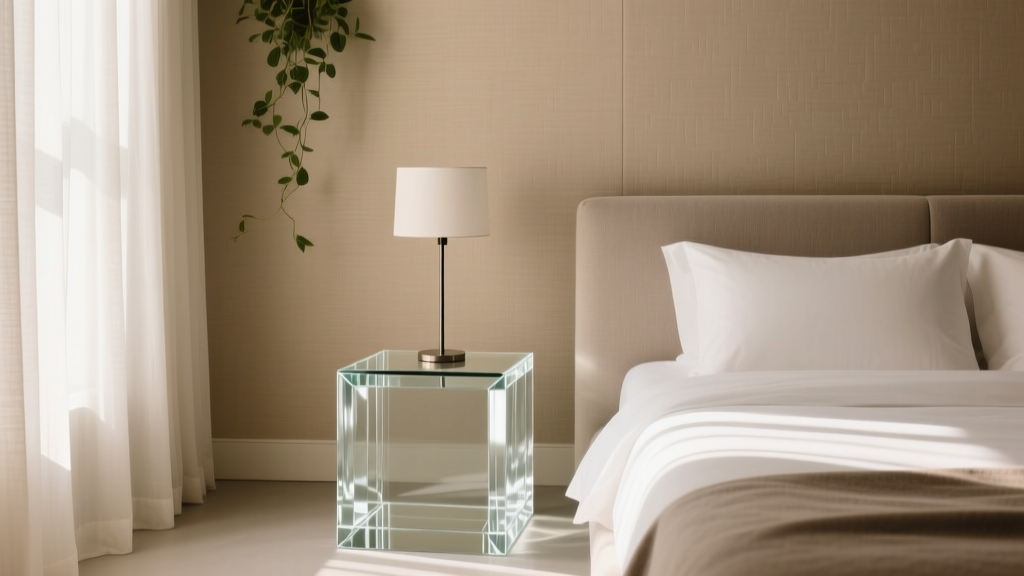
Best Bedroom Water Glass Bedside - The Decor Mag
A glass of water by the bed is one of those small comforts that can quietly improve your nights. You hydrate after a warm shower, soothe a dry throat, take medication safely, and avoid the bright kitchen lights that fully wake you up. When the bedside setup is thoughtful—right surface height, stable base, spill-resistant vessel—it supports a calmer, more restorative sleep environment.
Bedroom design and sleep quality are closely linked because your brain responds to cues: clutter signals “unfinished tasks,” harsh light triggers alertness, and inconvenient layouts create micro-stress. A dedicated, well-designed spot for your bedroom water glass is a surprisingly effective way to make the room feel more intentional and restful—especially for homeowners and renters working with limited space.
This guide covers the best types of bedside water glasses, materials, spill-prevention strategies, bedside table recommendations, and a few wellness upgrades that make hydration easier without disrupting sleep.
Why a Bedside Water Glass Belongs in a Sleep-Friendly Bedroom
Hydration isn’t just a daytime concern. Many people wake with a dry mouth from heating/AC, allergies, mouth breathing, or simply a warm room. Having water within reach can:
- Reduce nighttime wandering (less exposure to bright light and cold air)
- Support consistent routines (especially if you take nighttime or morning medication)
- Make the bedroom feel more “cared for,” reinforcing relaxation habits
- Encourage better morning hydration without searching for a cup
The key is to make it safe, stable, and visually calming—so it blends into your bedroom decor rather than adding clutter.
What Makes the Best Bedside Water Glass?
Stability: A weighted base and low center of gravity
Look for a glass with a wider base than rim. A stable shape helps prevent spills if you reach for it half-asleep.
Covered options: Less dust, fewer spills
In a bedroom, an uncovered glass can collect dust or lint. Covered designs also reduce the chance of a knock-over turning into a mattress-cleaning project.
Comfort: Smooth rim, easy grip
A thin, smooth lip feels nicer at night. If you’re prone to dropping items, consider a slightly textured exterior or a cup with a gentle taper for grip.
Quiet use: No rattling lids or clanking components
Anything noisy can disrupt a partner’s sleep. If you choose a lid, favor silicone or cork rather than metal-on-glass.
Easy cleaning: Dishwasher-safe (or simple shapes)
If it’s hard to wash, it won’t stay in rotation. Straight-sided glasses and wide-mouth carafes are simplest to maintain.
Best Types of Bedroom Water Glass Bedside (With Pros, Cons, and Budgets)
1) Bedside carafe + tumbler set
A carafe with an inverted glass is a classic for a reason: it’s elegant, dust-resistant, and feels like a hotel upgrade.
- Pros: Covered water, cohesive look, easy to refill, ideal for guests
- Cons: Some sets are tall and easier to tip on narrow nightstands
- Best for: Minimalist bedrooms, small spaces, renters wanting a stylish upgrade
- Budget range: $20–$80 (handmade or designer sets can run $90–$200+)
Material recommendation: Borosilicate glass for lightweight strength and thermal stability.
2) Short, wide tumbler (low spill risk)
A low tumbler is one of the safest bedside choices, especially if your nightstand is small or you have pets.
- Pros: Very stable, easy to clean, fits on small coasters
- Cons: Uncovered unless paired with a lid; smaller capacity
- Best for: Active sleepers, small bedside tables, kids’ rooms
- Budget range: $5–$25 per glass (sets often $15–$60)
Design tip: Choose frosted or lightly tinted glass if you want a softer look under bedside lighting.
3) Lidded glass cup (sleep-friendly and dust-resistant)
A glass with a silicone or bamboo lid offers a cleaner, more secure bedside water setup. Some styles also include a straw, which can be helpful for those who prefer minimal movement at night.
- Pros: Reduced spills, reduced dust, calmer bedside surface
- Cons: Lids need regular washing; straws require diligent cleaning
- Best for: Pet owners, allergy-prone sleepers, shared beds
- Budget range: $15–$45
Wellness note: If you use a straw, clean it daily to keep the sleep environment hygienic.
4) Insulated water bottle (not a “glass,” but often the best bedside choice)
If your main goal is reliable, no-spill hydration, an insulated bottle with a quiet lid can outperform any open glass. Choose a matte finish for a softer bedroom decor feel.
- Pros: Highly spill-resistant, keeps water cool, ideal for warm sleepers
- Cons: Not as decorative; can look sporty unless chosen carefully
- Best for: Couples, small nightstands, households with pets or kids
- Budget range: $20–$60 (premium: $70–$120)
Material recommendation: Stainless steel with a powder-coated exterior; avoid clanky metal lids by choosing silicone-sealed designs.
5) Stemless water goblet (aesthetic-forward option)
If you love a curated bedside vignette, a stemless goblet in tinted glass can look intentional and elegant.
- Pros: Beautiful color, adds softness to modern bedrooms
- Cons: Often less stable than a low tumbler; usually uncovered
- Best for: Larger nightstands, low-traffic bedrooms, decor-first setups
- Budget range: $10–$40 per glass
Nightstand and Layout: Setting Up a Safe, Calm Bedside Hydration Zone
Choose the right bedside table height
For ease and safety, the top of your nightstand should sit close to mattress height (generally within 0–2 inches). Too low encourages fumbling; too high makes it easier to bump items.
Best furniture features for a bedroom water glass bedside
- Surface space: Aim for at least 14–18 inches wide if you want a lamp, book, and water together.
- Raised edge or tray: A subtle lip or a dedicated tray can catch minor drips and prevent items sliding.
- Easy-clean finish: Sealed wood, lacquer, or stone-top tables handle moisture better than raw wood.
- Drawer storage: Keeps the surface uncluttered, which supports a calmer sleep environment.
Budget guide for nightstands:
- Under $100: Simple metal/wood composite, small tables, floating shelves (great for renters)
- $100–$250: Solid-wood veneer, better drawer slides, larger tops
- $250–$600+: Solid hardwood, stone tops, custom or designer pieces
Use a coaster that matches your bedroom decor
A coaster isn’t just for protecting furniture—it’s also a visual “anchor” that tells your brain where the water belongs, reducing clutter stress.
- Best coaster materials: cork (quiet), felted wool (soft, absorbent), silicone (grippy), sealed stone (luxury feel)
- Avoid: thin ceramic coasters without a backing (they can scratch and clink)
Add a tray for a hotel-like, organized look
A small bedside tray corrals essentials: water, lip balm, hand cream, earplugs. Choose something with a soft finish for a soothing bedroom aesthetic.
- Best tray materials: bamboo, rattan, matte resin, sealed wood, powder-coated metal
- Budget range: $10–$50 (designer trays $60–$150)
Materials That Work Best in a Sleep Environment
Best glass materials
- Borosilicate glass: Light, durable, modern; resists thermal shock better than standard soda-lime glass
- Thick soda-lime glass: Affordable and sturdy; choose heavier bases for stability
Best lid materials
- Silicone: Quiet, grippy, spill-reducing
- Bamboo or cork: Warm, calming, decor-friendly; ensure a snug fit and keep dry between washes
Bedroom-friendly styling materials around water
- Sealed wood: Cozy look, practical if finished properly
- Stone or faux stone tops: Easy wipe-down, elevated feel
- Matte ceramics: Softens the bedside vignette (use for trays or catch dishes, not as a coaster base without felt)
Lighting and Color Choices That Support Better Sleep (and Make Bedside Water Easier to Reach)
Choose gentle, warm bedside lighting
Bright, cool-toned light can fully wake you. For a sleep-friendly bedroom, use warm bulbs and layered lighting.
- Bulb temperature: 2200K–2700K for bedside lamps
- Brightness: Dimmable is ideal; otherwise aim for a soft 400–800 lumens depending on lamp shade and room size
- Placement: Keep the lamp slightly behind the water zone so the glass doesn’t glare
Color palette tips for a calming bedside setup
- Best calming colors: warm whites, oatmeal, soft sage, dusty blue, muted clay, gentle greige
- Accent strategy: If your room is neutral, add subtle color through tinted glass or a natural tray for a restful “designed” look
Sleep Wellness Tips for Bedside Hydration
- Keep water, not sugary drinks: Sugary or acidic drinks can affect teeth and may disrupt sleep.
- Refresh daily: Replace water each evening or morning to keep it tasting clean.
- Right-size your portion: A huge bottle can lead to more nighttime bathroom trips. Many sleepers do well with 8–12 oz by the bed and a bigger drink earlier in the evening.
- Manage dry air: If you’re frequently thirsty at night, consider a humidifier, especially in winter or dry climates.
- Consider mouth dryness triggers: Nasal congestion, certain medications, and mouth breathing can increase nighttime thirst—addressing the root cause can improve sleep quality.
Common Mistakes to Avoid
- Using a tall, narrow glass on a tiny nightstand: High tip risk, especially if you share the bed or have pets.
- Placing the water at the outer edge: Keep it toward the back corner of the nightstand, leaving a clear “reach path.”
- Skipping a coaster or tray: Water rings and drips create visual mess and can damage finishes—both add stress to your bedroom environment.
- Choosing noisy accessories: Metal lids, clanking coasters, or rattly trays can disturb light sleepers.
- Overcrowding the bedside surface: A cluttered nightstand makes it harder to find water in the dark and can subtly worsen sleep quality by signaling disorder.
- Keeping water near electronics and chargers: If you can, separate liquids and cords. At minimum, use a tray and keep cables tidy.
Quick Bedside Setup Recipes (Pick One)
Option A: Minimalist + renter-friendly (under $50)
- Short, wide tumbler ($5–$15)
- Cork or felt coaster ($5–$12)
- Small catch tray for essentials ($10–$20)
Option B: Hotel-style calm ($50–$150)
- Borosilicate carafe + tumbler set ($30–$80)
- Matte tray (bamboo or resin) ($20–$50)
- Dimmable warm bedside bulb ($10–$20)
Option C: Spill-proof + family-friendly ($40–$120)
- Insulated bottle with quiet lid ($25–$60)
- Silicone coaster or small grippy mat ($8–$15)
- Nightstand with drawer or a floating shelf to clear clutter ($50–$120+)
FAQ: Bedroom Water Glass Bedside
Is it okay to keep a glass of water by the bed every night?
Yes. For most people it’s a practical sleep support, especially in dry climates or during allergy seasons. Refresh it daily and keep the glass covered if dust is a concern.
What’s better for the bedroom: a water glass or a water bottle?
If spills are your top worry, a bottle is usually best. If you value aesthetics and a calming bedside vignette, a stable tumbler or carafe set looks more decor-forward. Many bedrooms do well with a carafe on a tray for a balanced approach.
How do I prevent knocking over my bedside water?
Use a short, wide glass (or a lidded cup), place it on a grippy coaster, and keep it toward the back corner of the nightstand. A tray with a raised edge adds another layer of protection.
What materials are best for a bedside carafe set?
Borosilicate glass is a great choice for durability and a clean, modern look. Pair it with a silicone or cork accent if you want quieter handling and a warmer feel.
How much water should I keep at my bedside to avoid nighttime bathroom trips?
Many sleepers find 8–12 oz is enough for comfort without encouraging repeated wake-ups. If you’re consistently thirsty, consider addressing dry air with a humidifier and increasing hydration earlier in the evening.
Where should I place my water if my nightstand is very small?
A floating shelf mounted near mattress height works well for tight bedrooms and rentals (use removable-friendly mounting when possible). Another option is a narrow bedside caddy that hangs between the mattress and bed frame, ideally with a stable cup pocket.
Next Steps: Build a Bedside Setup That Feels Effortless
Choose one stable vessel (a low tumbler, a lidded glass, or a carafe set), give it a dedicated coaster or tray, and make sure your bedside lighting stays warm and dimmable. With those small upgrades, your bedroom decor becomes more functional—and your sleep environment becomes calmer, safer, and easier to navigate at night.
For more soothing bedroom design ideas, sleep-friendly decor tips, and nightstand styling guides, explore the latest inspiration on thedecormag.com.
More Articles
 Bedroom Textured Plaster Headboard Wall - The Decor Mag
 How to Create a Bedroom That Feels Collected - The Decor Mag
 Best Bedroom Valet Stand Options - The Decor Mag
 Best Bedroom Luggage Storage Solutions - The Decor Mag
 Bedroom Window Seat Design Ideas - The Decor Mag
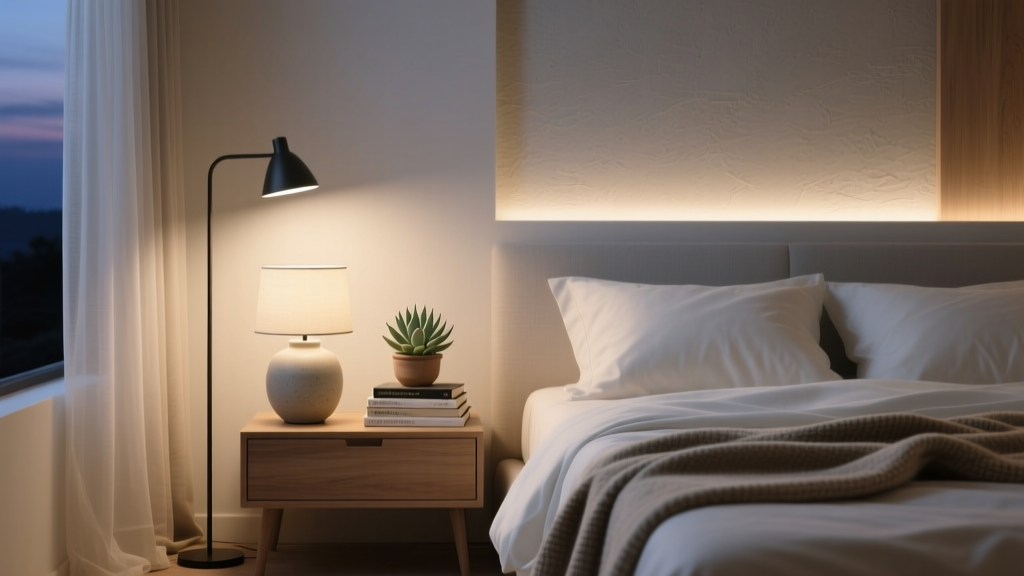 Best Bedroom Nighttime Routine Essentials - The Decor Mag
 Best Bedroom Watch Box Display - The Decor Mag
 Transitional Bedroom Design Guide - The Decor Mag
 How to Create a Bedroom That Feels Peaceful - The Decor Mag
 Perfect Mattress for Bedrooms: 2026 Picks