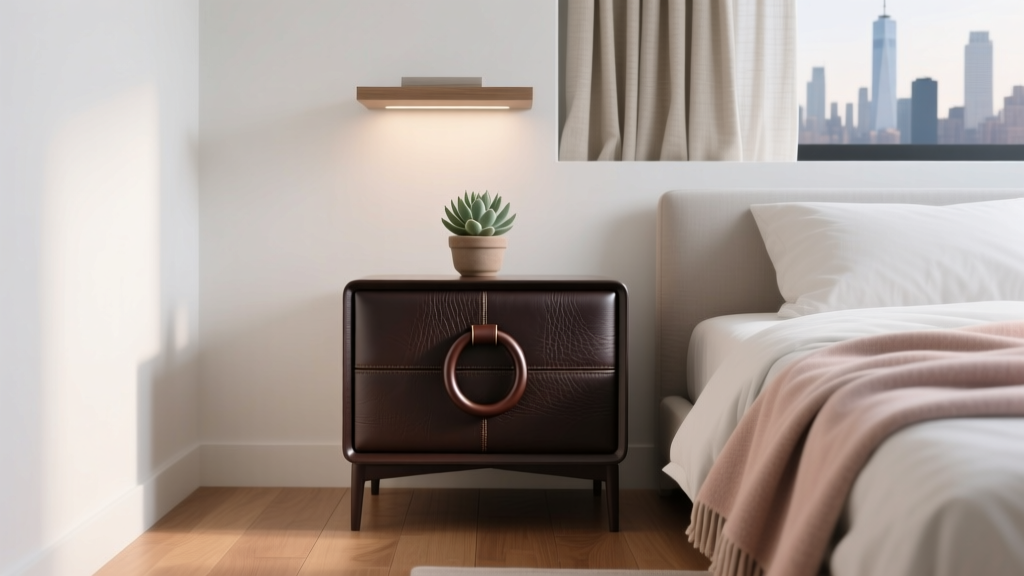
Bedroom Leather Pull Nightstand Handles - The Decor Mag
The smallest touchpoints in a bedroom often have the biggest impact on how the room feels at night. Nightstands are one of those everyday essentials you reach for in the dark—half-awake, looking for lip balm, water, or a book. When the hardware on a nightstand is sharp, noisy, or visually busy, it subtly raises friction in a space that should feel calm and effortless.
Leather pull nightstand handles are a deceptively powerful upgrade for both homeowners and renters. They soften the look of bedroom furniture, reduce clatter compared to metal pulls, and add a warm, tactile element that supports a more restful sleep environment. A bedroom design that feels gentle to the senses—touch, sight, and sound—helps cue the body toward relaxation, which can support better sleep quality over time.
Whether you’re refining a serene master bedroom, organizing a small apartment bedroom, or updating a guest room, leather pulls can bring that “quiet luxury” feeling without replacing your furniture. They also pair beautifully with sleep-friendly choices like warm lighting, low-contrast color palettes, and clutter-reducing storage.
Why Leather Pulls Work So Well in Bedroom Design
They create a softer sensory experience
Bedrooms thrive on softness: upholstery, textiles, warm lighting, and muted colors. Leather pulls extend that softness to the parts of the room you physically interact with.
- Quieter than metal: Less “click” against drawers—helpful for partners on different schedules.
- Gentler to touch: No cold metal feel during nighttime wake-ups.
- Visually calming: Leather reads warmer and less reflective than shiny hardware.
They add warmth and texture without visual clutter
A sleep-supportive bedroom decor scheme often relies on limited contrast and fewer hard edges. Leather pulls introduce texture in a restrained way, especially on simple nightstands or dressers.
They’re a flexible style bridge
Leather pulls can connect mismatched pieces—like a vintage nightstand and a modern bed—by adding a consistent material accent. They work across many bedroom styles:
- Scandinavian and Japandi (clean lines + natural materials)
- Modern farmhouse (warm neutrals + matte finishes)
- Mid-century modern (wood tones + simple hardware)
- Minimalist and contemporary (subtle detail, low shine)
Choosing the Right Leather Pull Nightstand Handles
1) Leather type: full-grain, top-grain, or faux
Not all leather handles are created equal. For a bedroom, prioritize durability and low odor.
- Full-grain leather: Most durable, develops a rich patina. Best for long-term furniture upgrades. Typical range: $8–$25 per pull.
- Top-grain leather: Slightly more processed, still strong and smooth. Great balance of price and longevity. Typical range: $6–$18 per pull.
- Genuine leather (varies): Can be fine, but quality is inconsistent. Read reviews. Typical range: $4–$12 per pull.
- Vegan/faux leather: Budget-friendly and consistent. Look for thicker, reinforced construction to prevent tearing. Typical range: $3–$10 per pull.
2) Finish and hardware: brass, matte black, nickel, or wood
The mounting hardware affects both style and glare. In a sleep-friendly bedroom design, less reflectivity usually feels more restful.
- Brushed brass: Warm and elegant; pairs well with cream bedding and oak tones.
- Matte black: Modern and grounding; works with charcoal, walnut, or white nightstands.
- Satin nickel: Clean and subtle; ideal if you already have nickel lighting or door hardware.
- Leather + wood pegs: Extra soft, organic look for calming, nature-inspired bedrooms.
3) Size and proportion for nightstands
Leather pulls can look understated or overly delicate depending on scale. As a general guide:
- For narrow drawers (12–18 inches wide): 3–5 inch leather pulls usually look balanced.
- For wider drawers (20–30 inches wide): 5–7 inch pulls or two smaller pulls can work.
- For deep drawers used daily: Choose a thicker strap (wider leather) for durability and comfort.
4) Stitching and reinforcement details
In a bedroom, you want hardware that stays reliable and quiet. Look for:
- Double-cap rivets or tight stitching at stress points
- Thicker leather (often 3–5mm) for drawers you open daily
- Smooth edges to prevent catching on sleeves or bedding
Where Leather Pulls Make the Biggest Bedroom Impact
Nightstands (the obvious win)
Nightstands shape your nighttime routine. Leather pulls help them feel more “bedtime-friendly”—less harsh, less industrial. They also look beautiful against painted furniture in sleep-friendly hues like warm white, greige, soft sage, and dusty blue.
Dressers for a cohesive, calmer look
Swapping dresser hardware to leather can reduce visual noise, especially if your current pulls are ornate or highly reflective. A calmer dresser front can make the whole bedroom feel less stimulating.
Closet doors and built-ins
Leather pulls on closet doors or built-in drawers create a boutique-hotel vibe. They’re also helpful if you’re trying to keep a consistent palette across the room.
Sleep-Friendly Bedroom Recommendations That Pair Perfectly With Leather Pulls
Furniture: nightstands that support rest, not clutter
If you’re shopping for a new nightstand (or styling what you have), leather pulls shine on simple, functional pieces.
- Best nightstand types: two-drawer, single drawer + shelf, or closed-door styles for hiding clutter
- Ideal materials: oak, walnut, ash, painted MDF with a matte finish, or cane-front details
- Budget ranges:
- $80–$200: basic nightstands (great candidates for leather pull upgrades)
- $200–$500: sturdier wood veneers/solid wood elements with smoother drawer slides
- $500–$1,200+: solid wood, soft-close drawers, heirloom-quality finishes
Bedding: soften the look to reinforce a relaxing sleep environment
Leather pulls add warmth, so they pair naturally with breathable, matte-texture bedding that supports temperature regulation and comfort.
- Sheets: cotton percale for crisp-cool sleepers, cotton sateen for silky warmth, linen for airflow
- Duvet cover: linen or washed cotton in calming neutrals (ivory, sand, warm gray)
- Throw blanket: chunky knit or brushed cotton at the foot of the bed to echo leather’s tactile quality
Lighting: prioritize warm, low-glare sources
Because leather pulls reduce shine at the furniture level, keep the soothing effect going with sleep-friendly lighting.
- Bulb temperature: 2200K–2700K for bedside lamps
- Lamp shades: linen or paper for diffused, calming light
- Best fixture types: plug-in wall sconces (great for small bedrooms), dimmable lamps, or touch lamps with low settings
- Wellness tip: Use dimmers or smart bulbs to lower light levels 60–90 minutes before bed to support melatonin-friendly routines.
Colors: leather loves muted, grounded palettes
If you’re refining your bedroom color palette for better sleep quality, keep contrast gentle and tones warm.
- For tan/cognac leather pulls: creamy whites, warm greige, clay, muted olive, natural oak
- For black leather pulls: soft white, pale gray, deep green, charcoal accents, walnut
- For saddle brown leather pulls: dusty blue, warm taupe, mushroom, linen textures
Layout: reduce bedtime friction
Hardware upgrades matter most when your nightstand setup is thoughtfully arranged.
- Keep a clear surface zone for essentials: water, glasses, book/Kindle
- Use the top drawer for sleep supports: hand cream, earplugs, sleep mask
- Store charging clutter in the bottom drawer with a cable organizer
Installing Leather Pull Nightstand Handles (Renters Included)
Measure first: hole spacing and screw length
Most leather pulls attach with two screws. Measure your current hardware’s hole-to-hole distance (often 3 inches/76mm or 5 inches/128mm, but it varies). If you’re changing the spacing, you may need wood filler and touch-up paint.
Quick install checklist
- Remove old hardware and clean drawer fronts.
- Test screw length: too long can snag inside drawers; too short won’t hold.
- Hand-tighten first, then gently finish with a screwdriver (avoid over-tightening leather).
- Open/close drawers a few times to ensure smooth motion and comfortable grip.
Renter-friendly approach
- Keep original hardware in a labeled bag to reinstall before moving.
- Choose pulls that match existing holes to avoid permanent changes.
- If you must fill holes, ask your landlord first or use a reversible approach (like matching-hole pulls only).
Wellness Details: Making the Bedroom Feel Quieter at Night
A sleep-supportive bedroom is a low-friction environment. Leather pulls help, but the best results come from layering small comfort upgrades.
- Sound: Add felt pads under bedside objects (lamp, diffuser) to reduce nighttime clinks.
- Scent sensitivity: If leather has a noticeable odor, air it out in a ventilated space before installing. Choose low-VOC finishes when possible.
- Tactile calm: Pair leather pulls with a woven tray on the nightstand to corral essentials without visual mess.
- Clutter control: Use drawer dividers so you’re not rummaging at night (a surprisingly stimulating habit).
Common Mistakes to Avoid
- Choosing thin, floppy leather: It can stretch over time and feel less satisfying to use. Look for reinforced or thicker straps.
- Overly shiny hardware finishes: Polished chrome can add glare, especially under bedside lamps. Brushed and matte finishes are calmer.
- Ignoring scale: Tiny pulls on a large drawer look underwhelming and can be awkward to grip.
- Over-tightening screws: This can warp the leather or cause premature cracking.
- Mixing too many handle styles: A consistent hardware story reduces visual noise—helpful for a relaxing bedroom.
- Skipping drawer function upgrades: If drawers stick, consider wax, slide adjustments, or drawer liner; calm design is also smooth function.
FAQ: Leather Pull Nightstand Handles
Are leather pulls durable enough for everyday nightstand use?
Yes—especially full-grain and top-grain leather pulls with reinforced ends (rivets or strong stitching). For a nightstand drawer you open daily, choose thicker leather and avoid very narrow straps.
Do leather pulls work in a modern bedroom design?
They do. Choose black or deep brown leather with matte black or satin nickel hardware, and pair them with simple, flat-front nightstands for a clean, modern look.
Will leather pulls make my bedroom smell like leather?
Some leather pulls have a noticeable scent at first. Air them out for a few days before installing, and avoid storing them sealed in plastic. If you’re scent-sensitive, consider high-quality vegan leather or pulls labeled low-odor.
What colors of leather look best in a calming sleep environment?
Soft, grounded tones tend to feel most restful: cognac, saddle brown, espresso, and matte black. These pair well with warm neutrals, muted greens, and dusty blues commonly used in sleep-friendly bedroom color palettes.
Can I install leather pulls without drilling new holes?
Often, yes. Measure your existing hardware’s hole spacing and buy leather pulls with the same center-to-center measurement. This is also the easiest renter-friendly option.
How do I clean and maintain leather pull handles?
Dust regularly with a dry cloth. For real leather, use a tiny amount of leather conditioner every few months if it looks dry—avoid oily products that can stain. For faux leather, a slightly damp cloth is usually enough.
Next Steps: A Small Upgrade That Makes Bedtime Feel Easier
If your bedroom feels visually busy or slightly harsh at night, swapping to leather pull nightstand handles is a simple way to soften the room—both in style and in the sensory experience of your nighttime routine. Start with the nightstands, match your finish to existing lighting or frames, and choose a leather tone that blends with your bedding and wall color for a calmer sleep environment.
Try this easy plan for the weekend:
- Measure your current hole spacing and count how many pulls you need.
- Select a leather type and finish that suits your bedroom decor (matte and warm usually sleep best).
- Upgrade lighting to warm bulbs (2200K–2700K) and clear your nightstand surface down to essentials.
For more soothing bedroom design ideas, storage tips, and sleep-friendly decor inspiration, explore the latest guides on thedecormag.com.
More Articles
 How to Choose Bedroom Furniture Scale - The Decor Mag
 How to Create a Calming Bedroom Retreat - The Decor Mag
 Best Bedroom Bedside Reading Stack - The Decor Mag
 Bedroom Layout Common Mistakes: What 92% of Homeowners Get Wrong (And How to Fix Them)
 Minimalist Bedroom Styling: Simple Ideas (2026)
 How to Mix Patterns on Your Bed - The Decor Mag
 Best Bedroom Sleep Eye Mask Collection - The Decor Mag
 Bedroom Textured Plaster Headboard Wall - The Decor Mag
 How to Choose Bedroom Bedding Weight - The Decor Mag
 Bedroom Platform Bed Design Ideas - The Decor Mag