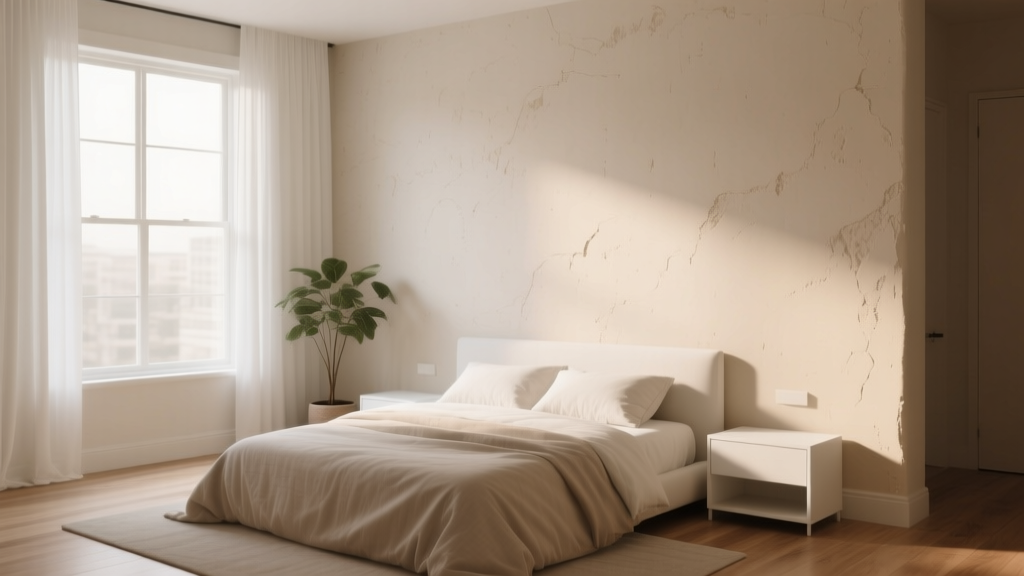
Bedroom Limewash Paint Wall Trend - The Decor Mag
Bedrooms are the one place in the home where design shouldn’t be about “making a statement” at the expense of comfort. The way a room looks and feels directly affects how your nervous system settles at night—lighting, color, texture, and visual clutter can either cue relaxation or keep your brain on alert. That’s why the bedroom limewash paint wall trend has moved beyond aesthetics and into the realm of sleep-friendly design.
Limewash creates soft, cloudy movement on walls that reads as calm and natural rather than shiny or harsh. Instead of a flat, lifeless surface or a high-gloss finish that bounces light around, limewash offers a breathable, matte texture that gently absorbs light. The result is a bedroom environment that feels quieter—visually and emotionally—supporting a more restful sleep routine.
Whether you’re a homeowner considering a full bedroom refresh or a renter looking for low-commitment ways to get the look, limewash can be a practical tool for creating a soothing sleep environment. The key is choosing the right wall, the right color family, and pairing it with bedroom furniture, bedding, and lighting that reinforce the same relaxed mood.
What Is Limewash Paint (and Why It Feels So Calming)
Limewash is a mineral-based finish traditionally made from crushed limestone that’s been mixed with water and natural pigments. It’s known for:
- Soft tonal variation: The subtle, mottled look adds depth without visual noise.
- Ultra-matte texture: Helps reduce glare from lamps, overhead lights, and morning sun.
- Natural, earthy character: Mimics plaster and stone, which many people find grounding.
- Breathable feel: Often associated with old-world finishes that look “alive” rather than plastic.
From a sleep wellness perspective, limewash is appealing because it supports a low-stimulation bedroom design. Highly reflective paint finishes and high-contrast patterns can increase visual activity—especially in small bedrooms where every surface is in your line of sight. Limewash is the opposite: soft edges, gentle movement, and muted reflection.
Limewash vs. Matte Paint vs. Venetian Plaster
- Standard matte paint: A consistent color field. Calm, but can feel flat if the room lacks texture.
- Limewash: Matte plus organic variation. Adds dimension without busy pattern.
- Venetian plaster: More polished and sometimes reflective. Gorgeous, but can be too glossy for a sleep-focused space unless done in a very matte style.
Choosing the Best Wall for a Limewash Bedroom
You don’t need to limewash every wall to get the effect. In many bedrooms, one strategic wall delivers the mood while keeping the project manageable and budget-friendly.
Best placement options
- Headboard wall (most popular): Creates a grounded focal point behind the bed, which helps the room feel anchored and orderly.
- Wall opposite the bed: Ideal if you want the first thing you see in the morning to feel soft and calming.
- Ceiling limewash (advanced but stunning): Can make a bedroom feel cocoon-like. Works best in rooms with minimal crown molding and warm lighting.
Small bedroom tip
If your bedroom is tight, keep limewash to one wall and choose a lighter tone. This maintains a sense of airiness while still giving you texture and depth.
Sleep-Friendly Limewash Color Ideas (That Still Feel On-Trend)
Color is one of the strongest levers in bedroom design for sleep quality. Softer, low-saturation shades generally feel more restful than high-chroma brights. Limewash naturally mutes pigment, which makes it easier to land on a calm palette.
Best limewash color families for a restful sleep environment
- Warm whites and creams: Cozy without looking stark. Great for north-facing rooms.
- Greige and mushroom: A reliable “quiet neutral” that pairs well with wood furniture.
- Soft clay and muted terracotta: Warm and enveloping, especially with linen bedding and brass accents.
- Sage and olive-gray: Nature-linked tones that work beautifully with natural textiles.
- Dusty blue-gray: Cool, gentle, and ideal if your bedroom runs warm.
Colors to be cautious with in a bedroom
- Very bright white: Can feel clinical and reflect too much light at night.
- High-saturation jewel tones: Striking, but can be visually energizing unless balanced with very calm decor.
- True black: Dramatic, yet can feel heavy and reduce morning light—use in accents instead.
How to Style a Limewash Bedroom Wall: Furniture, Bedding, Lighting, Layout
The limewash wall sets the tone; the rest of the room should reinforce a calm, sleep-friendly bedroom design. Think: soft materials, stable furniture placement, and layered lighting.
Furniture recommendations that complement limewash
- Bed frame: Choose an upholstered headboard (linen-look fabric, boucle, or cotton blend) for softness, or a warm wood frame for natural texture.
- Nightstands: Solid wood, cane-front, or matte painted pieces. Look for rounded edges if your space feels tight.
- Dressers and storage: Closed storage is best for sleep. Visual clutter can keep the brain alert, especially in small bedrooms.
Budget ranges:
- Budget: $150–$400 for a simple upholstered headboard or wood platform bed; $60–$150 per nightstand.
- Mid-range: $500–$1,200 for a quality bed frame; $150–$350 per nightstand.
- Investment: $1,500–$3,500+ for solid hardwood or designer upholstered frames; $400–$800 per nightstand.
Bedding that enhances the limewash “soft focus” effect
- Sheets: Long-staple cotton percale (crisp and cool) or sateen (smooth and warmer). Linen is excellent for texture and temperature regulation.
- Duvet insert: Choose weight based on your sleeper type—lightweight for hot sleepers, all-season for most people.
- Duvet cover: Linen or cotton with a matte finish to echo the wall’s softness.
- Throw + pillows: Keep contrast gentle—think tonal layers rather than bold patterns.
Budget ranges for bedding:
- Budget: $40–$90 sheet sets; $40–$80 duvet covers; $30–$70 duvet insert.
- Mid-range: $100–$220 sheet sets; $120–$250 duvet covers; $120–$250 duvet insert.
- Investment: $250–$450+ sheet sets; $250–$450+ duvet covers; $250–$500+ duvet insert.
Lighting: the make-or-break element for a sleep-friendly bedroom
Limewash looks best in warm, layered light. It also helps your circadian rhythm when you can lower brightness in the evening.
- Bedside lighting: Use two matching lamps or sconces to reduce harsh shadows. Aim for warm bulbs (around 2700K).
- Overhead lighting: Put it on a dimmer. Avoid bright, cool LEDs in the bedroom.
- Ambient glow: Add a shaded floor lamp or a small table lamp across the room for gentle light balance.
Practical product types to look for:
- Dimmable LED bulbs (warm white, high CRI for accurate color)
- Plug-in wall sconces for renters
- Linen or paper shades to diffuse light softly
Layout tips that support better rest
- Keep pathways clear: A calm bedroom feels physically easy to move through, especially at night.
- Center the bed on the limewash wall: Symmetry reduces visual “tension.”
- Reduce the “work zone” effect: If you must have a desk in the bedroom, keep it away from the bed and use a folding screen or tall plant to separate zones.
- Use a rug to soften sound: A wool or wool-blend rug can dampen noise and add warmth underfoot.
Limewash and Wellness: Sleep-Friendly Considerations
Great bedroom decor should actively support sleep, not just look good in daylight. Limewash helps create a grounded feel, but pair it with these wellness-forward choices:
- Sound softness: Add curtains (linen, cotton, or lined drapery) to reduce echo and street noise.
- Temperature comfort: Breathable bedding and layered blankets help you fine-tune warmth without overheating.
- Air quality: Keep dust minimal with closed storage and easy-to-clean surfaces. Consider an air purifier if allergies affect your sleep.
- Evening light hygiene: Use dim lamps after sunset and keep bright overhead lights off in the last hour before bed.
Practical Paint Planning: What to Know Before You Limewash
Limewash is approachable for DIYers, but it’s different from standard bedroom wall paint. Expect variation, embrace imperfection, and plan your prep carefully.
Surface considerations
- Best surfaces: Porous, matte, properly prepped walls.
- Tricky surfaces: Glossy paint, highly patched drywall, or previously water-damaged areas can cause uneven absorption.
- Priming: Many limewash systems recommend a mineral primer or specific base coat for consistent results.
Estimated cost ranges (DIY vs. pro)
- DIY accent wall: $80–$250 for paint + supplies, depending on brand and wall size.
- DIY full bedroom: $200–$600.
- Professional application: $600–$2,000+ depending on region, wall condition, and complexity.
Common Mistakes to Avoid with Limewash Bedroom Walls
- Choosing a color that’s too high-contrast: Limewash is most calming when the palette is soft and low-contrast, especially near the bed.
- Skipping lighting planning: Cool bulbs or overly bright fixtures can make limewash look dull or muddy and disrupt sleep cues at night.
- Over-styling the wall: The limewash texture is the feature. Too much wall decor can create visual clutter.
- Not testing in your room: Limewash shifts with daylight and warm lamplight. Sample first and view it morning, afternoon, and evening.
- Ignoring clutter control: A beautiful limewash wall won’t feel restful if the bedroom is crowded with open shelves, laundry piles, or busy surfaces.
- For renters: assuming it’s always removable: Some mineral finishes bond differently than standard paint. Always get written approval from your landlord and confirm repaint requirements.
FAQ: Bedroom Limewash Paint Walls
Does limewash work in a small bedroom?
Yes. Choose a light-to-mid tone (warm white, greige, pale sage) and use it on the headboard wall to add depth without shrinking the space. Keep bedding and curtains tonal to avoid visual “chop.”
Is limewash paint good for a sleep-friendly bedroom design?
It can be. Limewash’s matte finish reduces glare and its soft movement feels less visually stimulating than high-contrast wallpaper or glossy paint, helping create a calmer sleep environment.
What decor pairs best with a limewash wall?
Natural textures and matte finishes: linen bedding, wool rugs, warm woods, ceramic lamps, and soft-brushed metals. Keep art simple—one large piece or a pair of quiet prints works better than a gallery wall.
Can renters get the limewash look without painting?
Often, yes. Try peel-and-stick textured wallpaper in a plaster look, large fabric wall hangings, or a removable mural with a soft mineral pattern. Also consider plug-in sconces and linen curtains to mimic the calm mood without altering walls.
How do I keep a limewash bedroom from looking too rustic?
Balance the organic wall texture with cleaner-lined furniture and simple bedding. A tailored upholstered bed, streamlined nightstands, and modern lighting in warm finishes (aged brass, matte black, or soft white) keeps it current.
What lighting temperature is best with limewash walls?
Warm, dimmable lighting is ideal—around 2700K for bedside lamps. Limewash looks richer in warm light, and your body generally finds warm evening light more conducive to winding down.
Next Steps: A Calm Limewash Bedroom You’ll Want to Sleep In
Start small and build a sleep-supportive plan: pick one wall (usually behind the bed), sample two or three limewash-friendly neutrals, and set your lighting first so the color reads correctly at night. Then layer in bedroom design essentials that improve rest—closed storage to reduce clutter, breathable bedding for temperature comfort, and warm, dimmable lamps that signal bedtime.
If you’re ready to refresh your bedroom beyond the walls, explore more calming bedroom decor ideas, layouts, and sleep-friendly upgrades on thedecormag.com.
More Articles
 Bedroom Organic Cotton Bedding Guide - The Decor Mag
 Best Bedroom Storage Solutions Under Bed - The Decor Mag
 How to Style a Bed Like a Hotel - The Decor Mag
 Mid-Century Modern Bedroom Furniture Guide - The Decor Mag
 Best Bedroom Sleep Temperature Guide - The Decor Mag
 Best Bedroom Bedside Essential Oil Roller - The Decor Mag
 Bedroom Fluted Detail Bedside Table - The Decor Mag
 Bedroom Plaster Wall Treatment Ideas - The Decor Mag
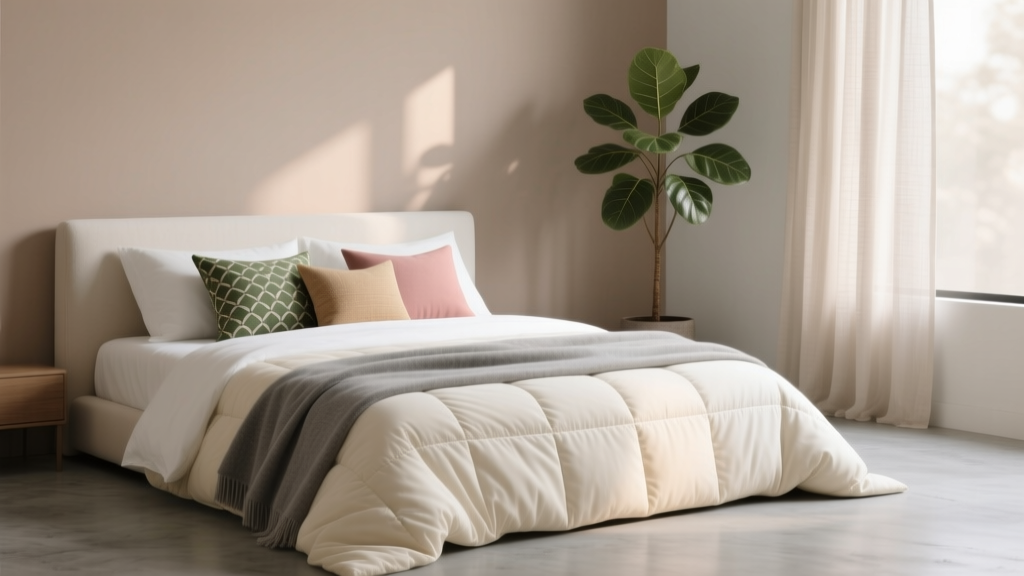 How to Layer Bedding Like a Designer - The Decor Mag
 Best Bedroom Inspiration for Living: Designing a Space That Supports Rest, Connection, and Daily Well-Being