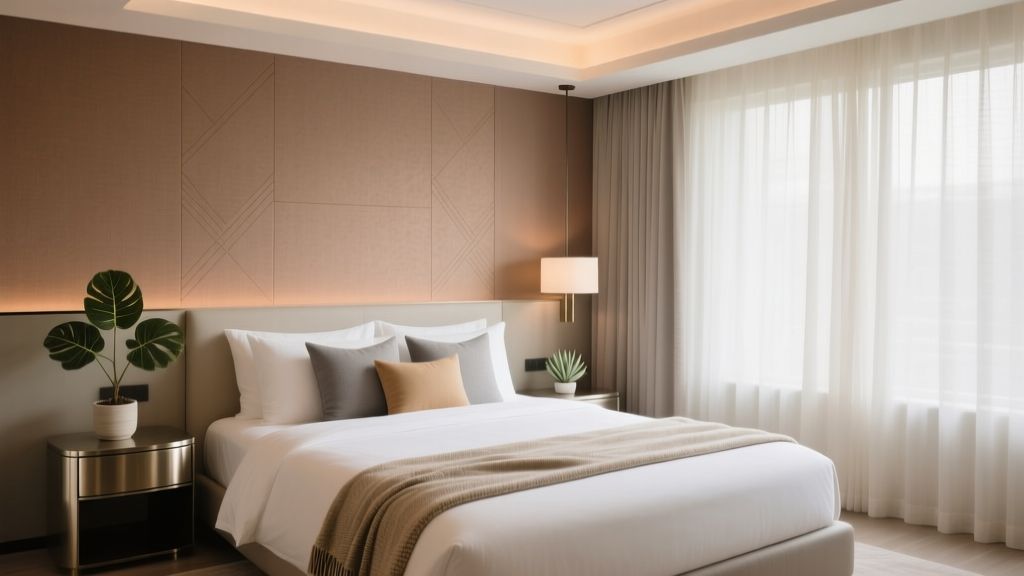
How to Style a Bed Like a Hotel - The Decor Mag
There’s a reason a well-made hotel bed feels instantly calming: it reduces visual noise, supports the body evenly, and creates a consistent sensory cue that it’s time to rest. When your bed looks inviting and intentional, your brain registers the bedroom as a true sleep environment—not a workspace, storage zone, or scrolling spot. That subtle shift can make it easier to unwind, fall asleep faster, and wake feeling more restored.
Hotel-style bed styling isn’t about luxury for luxury’s sake. It’s a practical formula built on comfort, clean layers, and thoughtful proportions. The goal is a bed that feels crisp but not fussy, plush but not overheated, and beautiful without demanding constant upkeep. Whether you rent a studio apartment or own a spacious home, you can recreate the look with smart material choices and a few design upgrades that also support better sleep quality.
What Makes a Bed Feel “Hotel-Quality”?
A hotel bed typically nails three things: structure, layering, and rest-friendly comfort. The styling looks polished because every component has a job—and the palette stays soothing.
- Structure: a supportive mattress, stable frame, and an anchor (headboard or wall styling) to make the bed feel grounded.
- Layering: sheets, duvet, and pillows arranged in a consistent order for that tailored look.
- Comfort balance: breathable fabrics, temperature-smart fills, and minimal scratchy textures.
Start With the Foundation: Mattress, Frame, and Headboard
1) Mattress support that improves sleep
No amount of crisp bedding can compensate for poor support. If you wake with aches, toss and turn, or feel overheated, focus here first.
- Mattress type:
- Hybrid (coil + foam/latex): great for hotel-like buoyancy and airflow.
- Latex: responsive, durable, cooler than many foams.
- Memory foam: pressure relief; choose gel/ventilated options if you sleep warm.
- Target feel: medium to medium-firm is the most universally “hotel” and helps keep the spine aligned.
- Budget ranges:
- Value: $400–$900 (solid for guest rooms and smaller budgets)
- Mid-range: $900–$1,800 (strong balance of comfort and durability)
- Investment: $1,800–$3,500+ (premium materials, stronger edge support, longer warranties)
2) A stable bed frame (quiet matters)
Squeaks and wobbles create micro-disturbances that can fragment sleep. A hotel bed feels solid because the base is solid.
- Best options: platform bed with center support, or a frame + high-quality foundation.
- Look for: center legs (queen/king), slats less than 3 inches apart, and a sturdy headboard connection.
- Budget ranges: $150–$500 (basic but stable), $500–$1,500 (upholstered or wood statement frames).
3) Headboard styling for instant “suite” energy
A headboard frames the bed and makes the room feel finished—especially in rentals where architecture may be minimal.
- Upholstered headboards add softness and sound absorption (helpful in apartments).
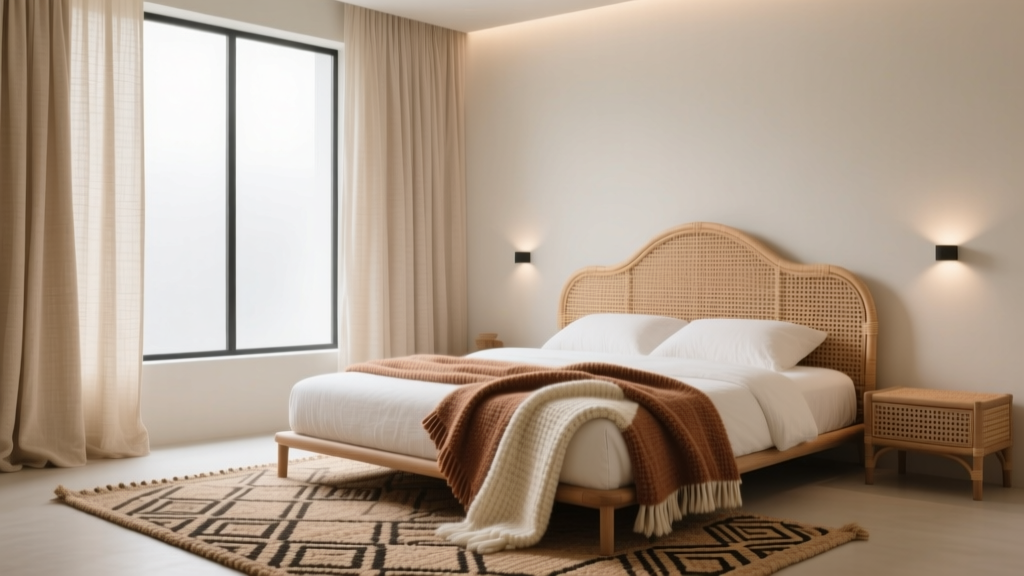
- Wood headboards read classic and warm; pair with crisp white bedding for contrast.
- Rental-friendly ideas: wall-mounted upholstered panels, peel-and-stick molding behind the bed, or a tall removable headboard.
- Budget ranges: $120–$400 (panels/DIY), $400–$1,200 (quality upholstered headboards).
The Hotel Layering Formula (Step-by-Step)
This is the method hotels rely on because it’s repeatable, easy to maintain, and visually calm.
Step 1: Begin with a smooth, breathable fitted sheet
- Material recommendations:
- Long-staple cotton percale (cool, crisp, classic hotel feel)
- Cotton sateen (smoother, slightly warmer, gentle sheen)
- Linen (airy, relaxed-luxe; best if you like texture)
- Thread count guidance: focus more on fiber quality than high numbers; 250–400 for percale often feels best.
- Budget ranges: $40–$90 (basic cotton), $90–$220 (better cotton/linen blends), $220–$450+ (premium long-staple sets).
Step 2: Add a flat sheet for that crisp “turn-down” layer
Hotels often use a flat sheet even if you don’t—because it creates that signature tucked-in look and helps keep duvets cleaner longer.
- Tuck tightly at the foot for structure, then let the top fold down neatly.
- If you dislike feeling pinned in, keep the bottom untucked and only smooth the sides.
Step 3: Use a duvet insert that matches your sleep temperature
The most common styling mistake is choosing a duvet that’s too warm. Overheating is a frequent sleep disruptor.
- Best fills for a sleep-friendly bed:
- Down: light and insulating; choose if you sleep cold and want loft
- Down-alternative: easier care, often more budget-friendly
- Wool: excellent temperature regulation and moisture control
- Weight guide:
- Hot sleepers: lightweight insert
- Most sleepers: all-season insert
- Cold rooms/cold sleepers: medium-weight + blanket option
- Budget ranges: $60–$150 (down-alternative), $150–$350 (quality all-season), $350–$800+ (premium down or wool).
Step 4: Choose a duvet cover with a clean finish
- Hotel look: white or ivory cotton percale duvet cover for crispness.
- Design-forward but calm: warm greige, soft taupe, pale sage, or light stone.
- Details that look expensive: knife-edge seams, minimal piping, hidden buttons, and corner ties.
Step 5: Add a blanket layer (the secret to “plush”)
This layer makes the bed look dimensional and helps you fine-tune warmth without changing the duvet.
- Best blanket types: cotton waffle blanket, lightweight quilt, or a cashmere-blend throw.
- Placement: fold across the lower third of the bed for a tailored hotel vibe.
- Budget ranges: $30–$80 (cotton throw), $80–$180 (waffle blanket/quilt), $180–$450+ (wool/cashmere blends).
Step 6: Pillow styling that still supports your neck
Hotels use a “wall of pillows” effect, but your sleep needs come first. Style extra pillows behind your sleeping pillows so comfort stays functional.
- Sleeping pillows: 2 per person (one supportive, one softer)
- Shams: 2–3 Euro shams (26x26) or standard shams for height
- Accent pillow: 1 lumbar pillow or a single statement cushion for polish
- Pillow fill tips:
- Side sleepers: medium-firm, higher loft
- Back sleepers: medium, supportive
- Stomach sleepers: soft, low loft
- Budget ranges: $25–$60 (basic), $60–$140 (better support), $140–$250+ (premium down/latex).
Color Palette and Pattern: Calm, Clean, and Cohesive
Hotel bedrooms are designed to lower stimulation. A calm bedroom design palette helps your nervous system shift toward rest.
- Best base colors for a sleep environment: warm white, ivory, sand, greige, soft gray, muted clay, pale sage, dusty blue.
- Accent strategy: keep contrast gentle—think charcoal, espresso, or deep olive in small doses.
- Patterns: subtle stripes, tone-on-tone texture, or small-scale geometric weaves. Avoid busy prints near the face if you’re sensitive to visual clutter.
Lighting Like a Hotel: Soft, Layered, and Glare-Free
Lighting affects melatonin and circadian rhythm. A well-styled hotel bed is usually paired with lighting that supports winding down.
Bedside lighting essentials
- Two matching lamps (or matching sconces) for symmetry and calm.
- Warm bulbs: 2700K–3000K for a softer glow.
- Dimmer: plug-in dimmers or smart bulbs are renter-friendly.
- Shade shape: drum or tapered shades diffuse light and reduce harsh shadows.
Nightstand sizing and placement
- Nightstand height should be within 2–4 inches of mattress top for easy reach.
- Leave a small breathing gap between nightstand and bed to avoid a cramped look.
- Budget ranges: $60–$200 (simple), $200–$600 (solid wood/stone look), $600+ (designer pieces).
Finishing Touches That Make the Bed Look Professionally Styled
- Crisp corners: smooth the duvet with your hands and create clean lines at the sides.
- Even pillow heights: taller pillows in back, smaller in front—no leaning stacks.
- Texture balance: pair crisp cotton bedding with one tactile element (waffle blanket, boucle cushion, or linen shams).
- A simple tray or book stack on the nightstand keeps the space curated without clutter.
- Rug placement: a rug that extends 18–24 inches beyond the sides of the bed feels hotel-like underfoot (great for cozy mornings).
Sleep-Friendly Wellness Tips to Pair With a Hotel-Style Bed
- Keep the room cool: many people sleep best around 60–67°F (15–19°C).
- Reduce light pollution: blackout curtains or a lined shade can dramatically improve sleep quality.
- Control noise: a soft rug, upholstered headboard, and white noise machine help in echo-prone rooms.
- Declutter the sleep zone: keep work items, laundry, and gym gear out of sight to reinforce the bedroom as a rest space.
- Choose low-irritant fabrics: if you’re sensitive, look for OEKO-TEX certified bedding and skip heavily fragranced sprays.
Common Mistakes to Avoid
- Overstuffing the bed with decorative pillows: it looks busy and creates nightly cleanup. Keep it streamlined.
- Choosing the wrong duvet size: too small looks skimpy. Consider sizing up (queen duvet on a full; king on a queen) for drape, if your bed frame allows.
- Mixing too many colors and patterns: a chaotic palette undermines the calm hotel effect.
- Ignoring pillow support: styling pillows are not a replacement for proper neck alignment.
- Using harsh overhead lighting at night: it can make the room feel stark and less sleep-friendly.
- Skipping a mattress protector: hotels protect their mattresses; you should too. It also extends mattress life.
FAQ: Styling a Bed Like a Hotel
What bedding material feels most like a hotel?
Most hotels use cotton percale for sheets and duvet covers because it feels crisp, cool, and breathable. If you prefer a smoother feel, choose cotton sateen. For a more relaxed luxury look, consider linen.
How many pillows do I need for a hotel-style bed?
A practical setup is two sleeping pillows per person, plus two shams (or two to three Euro shams) and one lumbar accent pillow. This gives height and polish without turning bedtime into a chore.
Should I use a top sheet, or just a duvet?
A top sheet helps create that classic hotel “turn-down” look and keeps your duvet insert cleaner longer. If you dislike top sheets, skip it and focus on a high-quality, washable duvet cover.
How do I get that fluffy, cloud-like duvet look?
Use a duvet insert with enough loft for your cover size, shake it out daily, and choose a cover with corner ties so it doesn’t slide. Many people also size up the duvet (like a king insert on a queen bed) for fuller drape.
What are the best colors for a relaxing bedroom?
For a restful sleep environment, stick with soft neutrals and muted tones: ivory, warm white, sand, greige, pale sage, and dusty blue. Use darker shades sparingly for contrast.
Can I create a hotel bed look on a budget?
Yes. Put your money into what you feel: comfortable pillows and breathable sheets. Then add affordable upgrades like a cotton waffle blanket, matching bedside lamps, and a simple upholstered headboard panel. A convincing hotel look is possible in the $150–$400 range if your mattress is already decent.
Next Steps: Your Simple Hotel-Bed Checklist
- Stabilize the foundation: quiet frame, supportive mattress, mattress protector.
- Choose one sheet set in a calming color (white, ivory, or soft neutral) in percale or sateen.
- Add an all-season duvet insert matched to your temperature needs.
- Layer one blanket or quilt across the foot for depth and flexibility.
- Streamline pillows: sleep pillows first, shams behind, one lumbar accent.
- Soften the room with warm bedside lighting and clutter-free nightstands.
A hotel-style bed is less about perfection and more about creating a bedroom design that supports real rest—cool, calm, and thoughtfully layered. For more soothing bedroom decor ideas and sleep-friendly styling guides, explore the latest inspiration on thedecormag.com.
More Articles
 Best Bedroom Humidifier Placement - The Decor Mag
 Bedroom Textured Plaster Headboard Wall - The Decor Mag
 How to Create a Bedroom for Deep Rest - The Decor Mag
 Bedroom Curved Furniture Design Trend - The Decor Mag
 Bedroom Paint for Sleep Quality | The Decor Mag
 Handmade Ceramics in Bedrooms (2026)
 How to Create Symmetry in Bedroom Design - The Decor Mag
 Bedroom Plaster Wall Treatment Ideas - The Decor Mag
 Global Textiles in Bedrooms: Styling Ideas (2026)
 How to Incorporate Woven Textiles in Bedroom - The Decor Mag