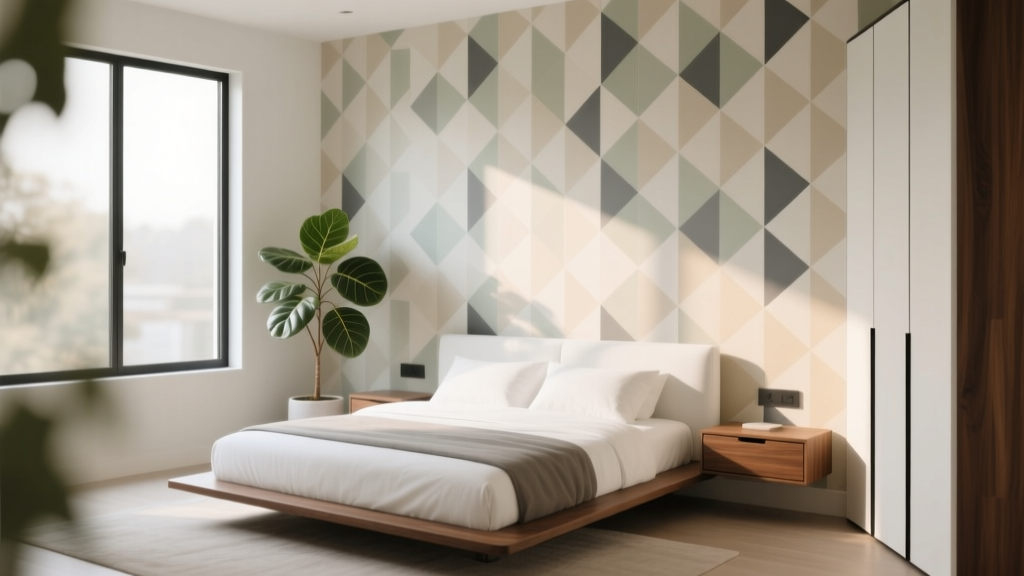
Bedroom Wallpaper Trends and Ideas - The Decor Mag
The bedroom is the one room where design isn’t just about style—it directly affects how well you sleep. Color, pattern, visual “busyness,” and even the texture of the walls influence how quickly your mind settles at night and how refreshed you feel in the morning. Wallpaper has returned as a major bedroom design tool because it can shape mood more effectively than a single paint color, especially when used with intention.
For homeowners, wallpaper can add depth, insulation-like coziness, and a polished finish that makes a room feel thoughtfully complete. For renters, removable wallpaper (also called peel-and-stick) offers a low-commitment way to soften a bland space, hide imperfections, and create a more personal sleep environment. The key is choosing patterns and materials that support relaxation rather than overstimulation.
Below, you’ll find today’s most practical bedroom wallpaper trends, sleep-friendly styling ideas, and easy ways to pair wallpaper with furniture, bedding, lighting, and layout—plus the mistakes that most commonly sabotage a calming bedroom.
How Wallpaper Affects Sleep Quality and the Bedroom Mood
Your brain reads the bedroom as a set of cues: light level, color temperature, perceived clutter, and the “visual noise” of patterns. Wallpaper can either calm the nervous system (think soft, grounded, predictable designs) or keep it alert (high contrast, busy motifs, glossy finishes that reflect light).
Sleep-friendly wallpaper characteristics
- Low-to-medium contrast: Gentle transitions are easier on the eyes at night.
- Matte or lightly textured finishes: Reduces glare from lamps and early morning light.
- Organic motifs: Botanicals, subtle waves, and nature-inspired patterns support relaxation.
- Warm neutrals and muted tones: Greige, mushroom, clay, dusty blue, sage, and soft taupe tend to feel restorative.
- Scaled appropriately: Large patterns can feel calming when simplified; tiny, busy prints can feel restless in small bedrooms.
A quick “nervous system check”
Before committing, look at a sample at night under your bedside lighting. If the pattern seems to “vibrate,” shimmer, or demand attention, it may be better suited to a hallway than a sleep space.
Top Bedroom Wallpaper Trends (With Practical, Rest-First Ideas)
1) Soft Biophilic Patterns: Botanicals, branches, and meadow prints
Biophilic bedroom design continues to dominate because nature-based visuals help reduce stress. Today’s botanical wallpapers are less formal and more atmospheric—think watercolor leaves, sketched branches, or faded florals that read as a gentle backdrop.
Best for: Creating a soothing focal point behind the bed (an accent wall) or wrapping a cozy reading nook.
Style it with:
- Furniture: Light oak or walnut nightstands; curved-edge bed frames; woven or cane details.
- Bedding: Linen duvet covers in oatmeal, sage, or soft white; a quilted cotton coverlet for texture.
- Lighting: Warm 2700K bulbs; wall sconces with linen shades to keep the nightstand uncluttered.
Budget range: $35–$120 per roll (traditional); $45–$150 per roll (peel-and-stick). Murals and premium brands can run higher.
2) Calm Minimalism: Textured neutrals, faux plaster, and linen-look wallpaper
One of the most sleep-friendly trends is “quiet texture.” Faux limewash, grasscloth-look vinyl, and linen-like finishes add depth without busy patterning. They’re especially useful in bedrooms that feel flat or builder-basic.
Best for: Small bedrooms, low ceilings, or anyone who wants a serene hotel-like atmosphere.
Material tip: If you love grasscloth, consider a vinyl grasscloth look for bedrooms where durability matters. True grasscloth can stain and is harder to clean.
Pair with:
- Furniture: Upholstered headboard in a warm neutral; slim-profile dressers to reduce visual bulk.
- Bedding: High-quality cotton percale sheets (crisp, cool) or sateen (smooth, slightly warmer).
- Rug: Wool or wool-blend rug for softness underfoot and sound dampening.
Budget range: $40–$140 per roll; grasscloth can be $150–$400+ per roll.
3) Large-Scale Murals: Dreamy landscapes and abstract horizons
Mural wallpapers—misty forests, painterly skies, mountain silhouettes, abstract washes—create an enveloping mood that feels restful when the palette stays muted. The trick is choosing designs with soft edges and low contrast.
Best for: A single wall behind the bed, especially when you want a dramatic change without adding clutter.
Sleep-friendly palette ideas: Foggy blue-gray, sand, taupe, muted olive, dusk lavender (kept subtle).
Lighting note: Murals look best with layered lighting so they feel gentle at night:
- Bedside lamps or sconces (warm, dimmable)
- Soft overhead light on a dimmer
- Optional low-level night light (amber tone) for nighttime movement
Budget range: $150–$600+ depending on brand, wall size, and whether it’s custom.
4) Modern Vintage: Toile, block prints, and heritage florals in softened colors
Vintage-inspired patterns can still be calming when the color story is gentle. Look for modern takes on toile, block prints, or traditional florals in dusty blues, warm creams, and faded greens.
Best for: Cottage, transitional, and classic bedrooms—especially in older homes with character.
A practical approach: Use wallpaper on the wall with the least visual interruption (fewest doors/windows) to keep the pattern feeling calm rather than chopped up.
Budget range: $50–$180 per roll.
5) Subtle Geometrics: Tiny checks, soft arches, and tonal stripes
Geometrics are trending, but the most sleep-friendly versions are tonal (same color family) and not too high-contrast. Soft arches and gentle stripes can even improve the perceived proportions of a room.
How to use stripes for layout help:
- Vertical stripes: Make ceilings feel higher.
- Horizontal stripes: Make narrow rooms feel wider (use carefully; can feel dynamic).
Choose: Matte finishes and slightly blurred edges over crisp, graphic lines for a calmer sleep environment.
Budget range: $35–$140 per roll.
Where to Put Wallpaper in a Bedroom (Layout-First Ideas)
Accent wall behind the headboard
This is the most popular approach because it creates a focal point without overwhelming the room. It also frames the bed—helpful for making the space feel intentional and tidy, which supports relaxation.
Pro tip: If you have a tall headboard, choose a wallpaper with a bit more movement or texture so it isn’t hidden visually.
Full-room wrap for a cocooning feel
Wrapping all four walls can be deeply cozy if the wallpaper is subtle and low contrast (textured neutrals, soft tonal patterns). In small bedrooms, it can feel like a boutique hotel.
Best paired with: Minimal decor, closed storage (dresser drawers, wardrobes), and simple window treatments to reduce visual clutter.
Half-wall (chair rail or “painted wainscot” effect)
Wallpaper on the top half with painted paneling or beadboard below adds warmth and character. It also protects the lower wall from scuffs—practical for tight spaces.
Color idea: Paint the lower half in a grounding tone pulled from the wallpaper (soft clay, warm gray, muted olive).
Wallpapered ceiling (“fifth wall”)
A ceiling wallpaper can be surprisingly calming when it’s subtle—think soft clouds, linen texture, or a very gentle star-like dot pattern. Avoid high-contrast designs that draw the eye upward too aggressively.
Lighting note: Use a diffuser or shade on overhead fixtures to reduce glare against the ceiling pattern.
Sleep-Friendly Styling: Furniture, Bedding, Lighting, and Color Pairings
Furniture recommendations that work with wallpaper
- Bed frame: Upholstered headboard (linen-like fabric) for softness and sound absorption; or wood frames for a warm, grounded feel.
- Nightstands: Choose drawers or a cabinet door to hide charging cables and books—less visual clutter helps the mind unwind.
- Dresser/wardrobe: If wallpaper is patterned, pick simple-front furniture (flat or lightly detailed) to keep the room balanced.
Bedding that supports comfort and temperature regulation
- Sheets: Cotton percale for hot sleepers; cotton sateen for those who like a smoother feel; linen for breathability with a relaxed look.
- Duvet insert: Choose a weight matched to your climate (lightweight for warm rooms, all-season for most homes).
- Layering: Add a cotton throw or quilt at the foot of the bed—cozy without overheating.
Lighting that flatters wallpaper and helps melatonin-friendly evenings
- Bulb temperature: 2700K (warm white) is typically best for bedrooms.
- Dimmers: Install dimmers where possible; for renters, use plug-in dimmers or smart bulbs.
- Bedside setup: Two light sources (one on each side) reduces harsh shadows and makes reading easier.
- Avoid: Exposed clear bulbs or cool 4000K+ lighting, which can feel clinical and overly energizing.
Color pairing guide (calm, modern combinations)
- Sage wallpaper: Pair with warm white bedding, light oak furniture, brass or matte black accents.
- Dusty blue wallpaper: Pair with creamy neutrals, walnut wood, soft gray rugs.
- Warm beige/greige texture: Pair with layered whites, taupe throws, and soft black lighting for contrast.
- Muted floral wallpaper: Pull one secondary color for cushions (one or two, not five) to avoid visual clutter.
Wallpaper Material Guide: What Works Best in Bedrooms
- Non-woven (paste-the-wall): Breathable, stable, and easier to install/remove than traditional paper. Great for primary bedrooms.
- Vinyl: Durable and wipeable; helpful for kids’ rooms or high-touch areas. Choose matte vinyl to reduce glare.
- Peel-and-stick: Ideal for renters; best on smooth, clean walls. Longevity varies by brand and wall paint type.
- Grasscloth (natural fibers): Beautiful texture, but can stain and is harder to clean. Better for low-contact areas away from headboards if you sit up in bed often.
Budget planning tip: Beyond wallpaper rolls, set aside funds for:
- Adhesive/paste (if needed): $15–$40
- Wall prep supplies (spackle, sanding blocks, primer): $20–$80
- Tools (smoother, sharp blades, level): $15–$50
- Professional installation (optional): often $300–$1,200+ depending on room size and complexity
Wellness Tips: Creating a Restorative Sleep Environment With Wallpaper
- Keep the bed wall visually calm: If the wallpaper is detailed, choose solid bedding and limit art above the headboard.
- Reduce reflectivity: Matte wallpaper and soft lighting lower glare, helping your eyes relax at night.
- Support airflow: If your bedroom runs warm, pick breathable bedding (percale/linen) to balance a cozy “cocoon” look with comfort.
- Prioritize blackout or room-darkening window treatments: Wallpaper sets mood, but light control protects sleep quality. Look for lined curtains or blackout rollers.
- Choose low-odor options: Ventilate during installation and for a day or two after; consider low-VOC paste and allow time before sleeping in the room if you’re sensitive.
Common Bedroom Wallpaper Mistakes to Avoid
- Choosing high-contrast patterns for small rooms: Bold black-and-white can feel energizing rather than restful.
- Skipping samples: A pattern that looks soothing in daylight can feel busy under warm lamplight.
- Ignoring scale: Tiny repeating prints can create a “static” effect; oversized patterns can overwhelm if too sharp or saturated.
- Not balancing with simple bedding and furniture: Wallpaper is already a major visual element—let it lead.
- Poor wall prep: Bumps and unpatched holes show more under wallpaper than paint, especially with side lighting.
- Over-decorating the wallpapered wall: Too many mirrors, shelves, and frames interrupt the calming effect.
FAQ: Bedroom Wallpaper Trends and Practical Questions
What wallpaper is best for a relaxing bedroom?
Look for matte finishes, low-to-medium contrast patterns, and nature-inspired or softly textured designs. Linen-look, faux plaster, muted botanicals, and tonal geometrics are consistently sleep-friendly.
Is peel-and-stick wallpaper good for renters?
Yes—peel-and-stick is a popular renter-friendly decor option. It performs best on smooth, clean walls with a well-cured paint finish. Test a small section first to confirm it removes cleanly.
Should I wallpaper all four walls or just an accent wall?
An accent wall behind the headboard is the easiest, most flexible approach. Full-room wallpaper can feel beautifully cocooning when the design is subtle and the rest of the room stays minimal and uncluttered.
How do I match bedding to patterned wallpaper?
Choose solid bedding in a color pulled from the wallpaper background or a softened accent color. Add texture with linen, cotton matelassé, or a knit throw rather than adding more patterns.
Can wallpaper help a small bedroom feel bigger?
Yes. Light-toned wallpapers with gentle texture, vertical stripes, or airy murals can expand the perceived space. Keep contrast low and pair with streamlined furniture to reduce visual heaviness.
What lighting works best with wallpaper in a bedroom?
Use warm 2700K bulbs, ideally on dimmers. Wall sconces or shaded lamps reduce glare on wallpaper and create a calmer nighttime atmosphere than bright overhead fixtures alone.
Next Steps: A Calm Plan for Choosing Bedroom Wallpaper
- Decide the goal: Cozy cocoon, airy retreat, or subtle texture?
- Pick placement: Start with the headboard wall for the biggest impact with the least pattern overload.
- Order samples: View them in morning light and under bedside lamps.
- Match the supporting pieces: Solid bedding, warm lighting, closed storage, and one or two complementary accent colors.
- Set a budget: Wallpaper + prep + tools (and installation if needed) so the project stays stress-free.
A well-chosen wallpaper can make your bedroom feel quieter, warmer, and more personal—exactly the kind of environment that supports deep rest and better sleep quality. For more soothing bedroom design ideas, renter-friendly upgrades, and sleep-smart decor tips, explore the latest guides on thedecormag.com.
More Articles
 Bedroom Handmade Ceramic Nightstand Lamp - The Decor Mag
 Bedroom Textured Wallpaper Ideas - The Decor Mag
 How to Choose Bedroom Euro Sham Size - The Decor Mag
 Best Bedroom Eye Mask Storage - The Decor Mag
 How to Create a Bedroom That Feels Collected - The Decor Mag
 Three-Layer Bedroom Lighting: Calm & Functional (2026)
 How To Clean Actually: A Bedroom Comfort Specialist’s No-Nonsense, Science-Backed Protocol
 Stylish Bedroom Design for Hot Summers
 Antique Bedroom Furniture: Styling Tips (2026)
 How to Choose Bedroom Duvet Cover Style - The Decor Mag