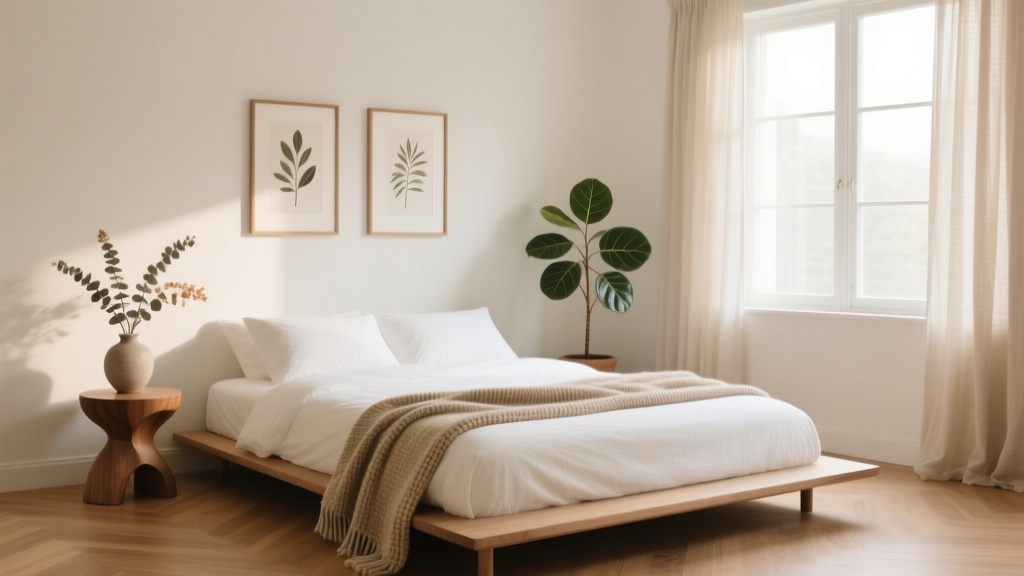
How to Style a Bedroom That Feels Effortless - The Decor Mag
An effortless bedroom doesn’t mean “nothing going on.” It means the room supports you so smoothly that you barely notice the work it’s doing—calming your nervous system, reducing visual noise, and making nightly routines feel simple. When a space looks and functions with ease, your brain gets a clear signal: this is where we downshift.
Bedroom design has a direct connection to sleep quality because your environment shapes light exposure, temperature, sound, and stress levels. Clutter and harsh lighting can keep the mind alert; uncomfortable bedding can trigger micro-wakeups; poor layout can create friction that makes bedtime feel like a chore. A well-styled bedroom becomes part of your sleep hygiene, helping you fall asleep faster and wake more refreshed.
The good news: an effortless look is one of the most achievable styles. It relies on smart foundations—layout, comfort-first furniture, breathable bedding, and layered lighting—then finishes with a few intentional decor choices. Whether you own your home or rent a studio, you can create a bedroom that feels restful, pulled together, and quietly luxurious.
What “Effortless” Really Means in Bedroom Design
Effortless style has a few consistent traits:
- Visual calm: fewer, better pieces instead of lots of small decor.
- Soft structure: clean lines warmed up with texture (linen, wool, wood).
- Function-first choices: lighting where you need it, storage that prevents clutter, furniture sized for the room.
- Sleep-friendly environment: darkness, quiet, comfortable temperature, and breathable materials.
Think of it as a “high comfort, low maintenance” bedroom aesthetic—where daily tidying takes minutes, not hours.
Start With Layout: The Foundation of an Easy Bedroom
If the layout feels awkward, styling will always feel like you’re forcing it. A calm bedroom design begins with circulation space and a clear focal point.
Place the Bed With Intention
- Anchor the room: Place the bed on the longest, most solid wall when possible.
- Keep pathways open: Aim for 24–30 inches of clearance on each side of the bed (or at least one side if space is tight).
- Skip tight squeezes: If you have to shimmy past furniture, remove or replace a piece.
- Consider sightlines: If you can, position the bed so you can see the door without being directly in line with it—many people find this feels more secure and restful.
Choose Nightstands That Match Your Real Routine
Nightstands are less about symmetry and more about function. If you read in bed, keep water nearby, or charge devices, you need a surface that can handle it without looking cluttered.
- Small rooms: wall-mounted shelf nightstands, narrow C-tables, or a floating ledge (10–14 inches deep).
- Average rooms: nightstands with one drawer to hide daily items.
- Sleep-friendly upgrade: move chargers into a drawer with a cord grommet to reduce visual noise and late-night scrolling temptation.
Use One “Landing Zone” to Prevent Clothes Piles
The fastest way for a bedroom to lose its effortless feeling is laundry drift. Add a designated spot:
- A lidded hamper (keeps the look clean)
- A slim bench at the foot of the bed
- Wall hooks behind the door for “worn but not dirty” items
Budget ranges: basic hamper $20–$60; lidded woven hamper $60–$150; upholstered bench $120–$400.
Choose a Calm Color Palette That Encourages Sleep
Color affects mood and perceived brightness. For a sleep environment, aim for a palette that feels soft in both daylight and lamplight.
Effortless Bedroom Color Formulas
- Warm neutrals: creamy white + oatmeal + light oak + matte black accents
- Soft earth tones: clay + sand + muted olive + natural linen
- Cool calm: pale greige + misty blue + charcoal + brushed nickel
Paint and Finish Tips for a Restful Look
- Choose low-sheen paint: eggshell or matte reduces glare and feels more soothing than shiny finishes.
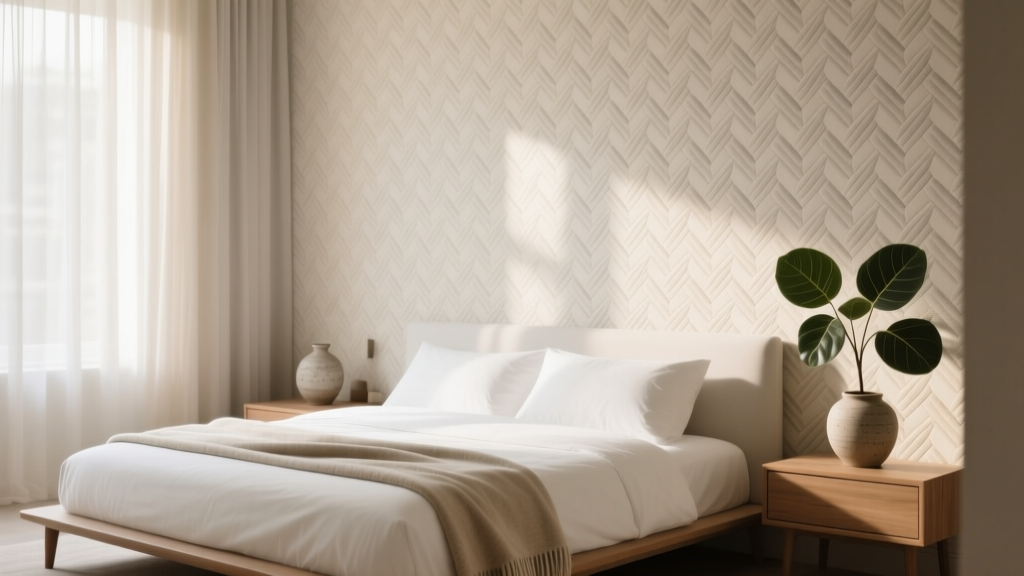
- Try “color drenching” light: painting trim the same color as walls creates a seamless, quiet backdrop—great for renters using removable wallpaper on one wall.
- Limit high-contrast patterns: bold stripes and sharp geometrics can feel energizing; keep patterns soft and organic if you use them.
Budget ranges: quality paint $45–$90 per gallon; removable wallpaper $40–$120 per roll.
Bedding That Looks Relaxed (and Sleeps Better)
Effortless bedding is about breathable layers and a slightly “undone” finish—think hotel comfort without the stiffness. Because bedding directly touches your body, it’s one of the biggest drivers of sleep quality.
Best Materials for a Sleep-Friendly Bed
- 100% cotton percale: crisp, cool, and breathable—ideal for hot sleepers.
- Washed linen: airy and moisture-wicking; naturally relaxed texture hides wrinkles.
- Cotton sateen: smoother and warmer than percale; good for cooler climates.
- Wool or down alternative duvet insert: wool regulates temperature well; down alternative suits allergy-sensitive sleepers.
Skip blends when possible (like poly-cotton) if you overheat at night; synthetics can trap warmth and moisture.
An Easy, Elevated Bedding Formula
- Fitted sheet + top sheet in percale or linen (white, ivory, or soft neutral).
- Duvet insert matched to your climate (all-season for most, lightweight for hot sleepers).
- Duvet cover in a slightly deeper tone than the sheets for gentle contrast.
- Two sleeping pillows + two shams (same fabric as duvet cover for cohesion).
- One textured throw (wool, cotton knit, or linen blend) draped casually across the lower third of the bed.
Budget ranges: percale sheet set $60–$200; linen sheet set $160–$450; duvet insert $80–$300; duvet cover $70–$250.
Pillow and Mattress Comfort Upgrades
- Side sleepers: medium-to-high loft pillow; consider a knee pillow for spinal alignment.
- Back sleepers: medium loft; small lumbar support if needed.
- Stomach sleepers: low loft to reduce neck strain.
- Mattress topper: a 2–3 inch latex or memory foam topper can extend mattress life and improve pressure relief.
Wellness tip: Keep the bed for sleep and intimacy when possible. Working from bed trains your brain to associate the space with alertness.
Lighting: The Fastest Way to Make a Bedroom Feel Softer
Lighting is where “effortless” often lives or dies. A single bright overhead fixture can make a bedroom feel stark, while layered lighting creates a gentle, lived-in glow that supports circadian rhythm.
Use a 3-Layer Bedroom Lighting Plan
- Ambient: ceiling fixture or semi-flush mount on a dimmer.
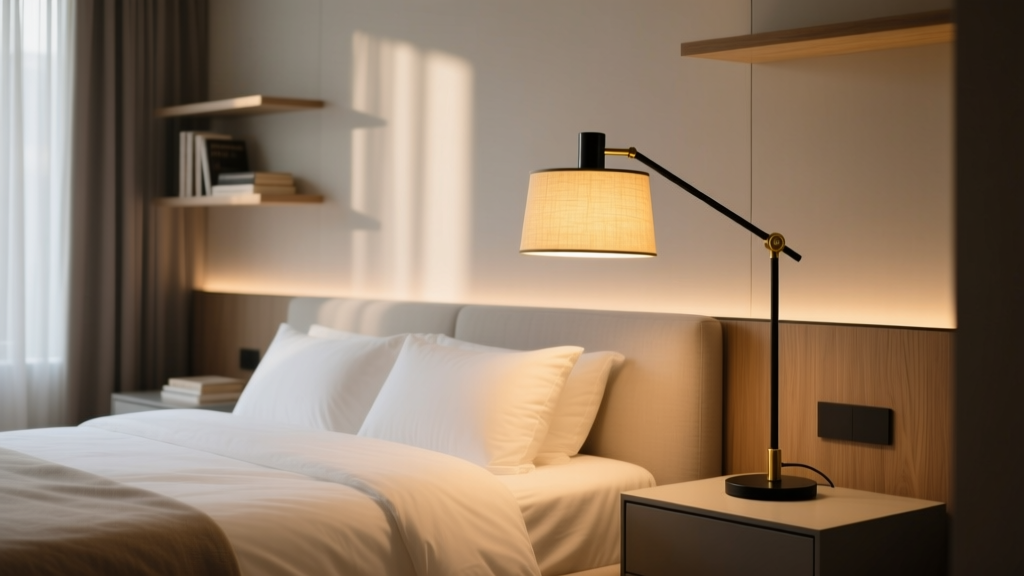
- Task: bedside reading lamps or wall sconces aimed downward.
- Accent: a small table lamp on a dresser, picture light, or warm LED strip inside a wardrobe.
Bulbs and Color Temperature for Better Sleep
- Warm light at night: 2200K–2700K helps signal “wind down.”
- Use dimmers: especially on bedside lamps and overhead lights.
- Avoid bright blue-white bulbs: 4000K–6500K can feel energizing and disrupt evening relaxation.
Budget ranges: dimmable LED bulbs $4–$12 each; plug-in sconces $40–$150; hardwired sconces $120–$350.
Furniture That Feels Light, Not Crowded
An effortless bedroom is rarely over-furnished. The key is choosing pieces with the right scale and built-in calm.
Go for Simple Silhouettes and Natural Materials
- Bed frames: upholstered headboard for softness, or wood for warmth (oak, walnut, ash).
- Dressers: low, wide profiles reduce visual height and make rooms feel larger.
- Hardware: matte black, aged brass, or brushed nickel—keep finishes consistent for a cohesive look.
Budget ranges: upholstered bed $350–$1,200; solid-wood bed $700–$2,500; dresser $250–$1,500.
Make Storage Invisible (or Beautiful)
- Under-bed storage: lidded bins or drawers for off-season items.
- Closed storage: wardrobes or dressers reduce visual clutter (great for renters without closets).
- Soft storage: woven baskets for throws and extra pillows.
Sleep-friendly note: Less clutter can reduce stress and mental load at bedtime, making it easier to relax and fall asleep.
Texture, Art, and Decor: The “Effortless” Finishing Touches
When the foundation is right, decor should be minimal but meaningful—pieces that add warmth without turning into dust collectors.
Use the Rule of Three for Styling
On a dresser or nightstand, group items in threes for a natural, relaxed balance:
- A small lamp
- A shallow tray (for hand cream, jewelry, earplugs)
- A simple vase or framed photo
Pick Art That Lowers the Volume
- Soft landscapes, abstract shapes, or black-and-white photography
- Large-scale pieces (one big artwork often looks calmer than many small frames)
- Frames in wood or matte finishes to reduce glare
Add One Grounding Textile
- Rug: a wool or wool-blend rug adds warmth and sound absorption (great for apartment living).
- Window treatments: linen curtains layered with blackout shades for light control.
Budget ranges: wool-blend rug $150–$600; 100% wool rug $450–$2,000; blackout shades $50–$250 per window; linen curtain panels $60–$220 per pair.
Sleep Wellness Upgrades That Don’t Ruin the Aesthetic
A beautiful bedroom is even better when it supports deep sleep. These upgrades blend wellness and decor.
- Blackout solutions: blackout shades or lined curtains to reduce early-morning wakeups.
- Sound control: a compact white noise machine (or a fan) plus a thicker rug to soften echo.
- Air quality: HEPA air purifier for allergies; choose a quiet model under 30–35 dB if possible.
- Temperature: breathable bedding and a ceiling fan or quiet tower fan—most people sleep best in a cool room.
- Scent, lightly: if you enjoy fragrance, keep it subtle (lavender or chamomile notes) and avoid overpowering candles right before bed.
Budget ranges: white noise machine $25–$80; HEPA air purifier $90–$300; tower fan $60–$180.
Common Mistakes That Make a Bedroom Feel “Trying Too Hard”
- Too many small decor items: creates visual clutter and complicates cleaning.
- Wrong bulb temperature: cool-white lighting can make a cozy bedroom feel clinical.
- Undersized rug: a tiny rug makes the room feel disjointed; aim for a size that reaches at least the front two-thirds of the bed.
- Overly busy bedding: loud patterns can feel energizing; use texture instead for interest.
- Furniture that blocks flow: tight pathways add friction and frustration to daily routines.
- No place for “daily life” items: without a tray, drawer, or hook, items spread across surfaces and floors.
FAQ: Effortless Bedroom Styling
How can I make my bedroom look effortless on a tight budget?
Focus on the high-impact basics: a cohesive neutral bedding set, warm bulbs (2700K), and simple decluttering. Add one textured throw and a lidded hamper. You can often transform the feel for $150–$400 by prioritizing lighting and bedding over lots of decor.
What’s the best bedroom color for sleep?
Soft, muted tones tend to feel most restful—warm whites, greige, muted blues, and gentle earth tones. The “best” bedroom color is one that looks calm in low evening light and doesn’t feel stark in the morning.
Do I really need blackout curtains for good sleep?
If streetlights, early sunrise, or neighbor lighting enters your room, blackout curtains or shades can noticeably improve sleep quality by supporting melatonin production. If you’re sensitive to light, they’re one of the most effective bedroom upgrades.
How do I make a small bedroom feel less cluttered?
Use fewer pieces with more function: a bed with under-bed storage, a nightstand with a drawer, and wall-mounted lighting to free surface space. Keep decor larger-scale and minimal—one big artwork instead of multiple small frames.
What bedding material is best for hot sleepers?
Look for 100% cotton percale or linen with a lightweight duvet insert. These breathable materials help manage heat and moisture better than many synthetic blends.
How can renters create an effortless bedroom without painting?
Use removable wallpaper on one wall, swap in warmer bulbs, add linen curtains, and choose cohesive textiles (bedding, rug, throw) in a calm palette. Peel-and-stick hooks can add functional storage behind doors without damage.
Next Steps: Create Your Effortless Bedroom in a Weekend
If you want the quickest path to an effortless, sleep-friendly bedroom design, follow this simple order:
- Clear surfaces and add one landing zone (tray, drawer, or hamper).
- Fix lighting with warm bulbs and at least one bedside lamp.
- Upgrade bedding to breathable sheets and a comfortable duvet insert.
- Refine the palette by choosing 2–3 core colors and repeating them.
- Add one or two textures (rug, throw, linen curtains) for softness and depth.
Your bedroom doesn’t need to be perfect to feel peaceful. With the right layout, calming colors, and comfort-first choices, it can become the easiest room in the home to live in—and the best room to sleep in.
For more calming bedroom decor and sleep environment ideas, explore the latest inspiration on thedecormag.com.
More Articles
 Best Bedroom Essential Oil Diffuser Spot - The Decor Mag
 Best Bedroom Jewelry Organization - The Decor Mag
 Bedroom Leather Pull Nightstand Handles - The Decor Mag
 Best Bedroom Bedside Tea Setup - The Decor Mag
 Bedroom Tufted Headboard Trends - The Decor Mag
 Bedroom Floating Nightstand Ideas - The Decor Mag
 How to Match Your Family’s Needs With the Right Bedroom Options: A Practical, Evidence-Based Guide
 Bedroom Fluted Wood Bed Frame Trend - The Decor Mag
 Bedroom Textured Wallpaper Ideas - The Decor Mag
 Best Bedroom Reading Light Options - The Decor Mag