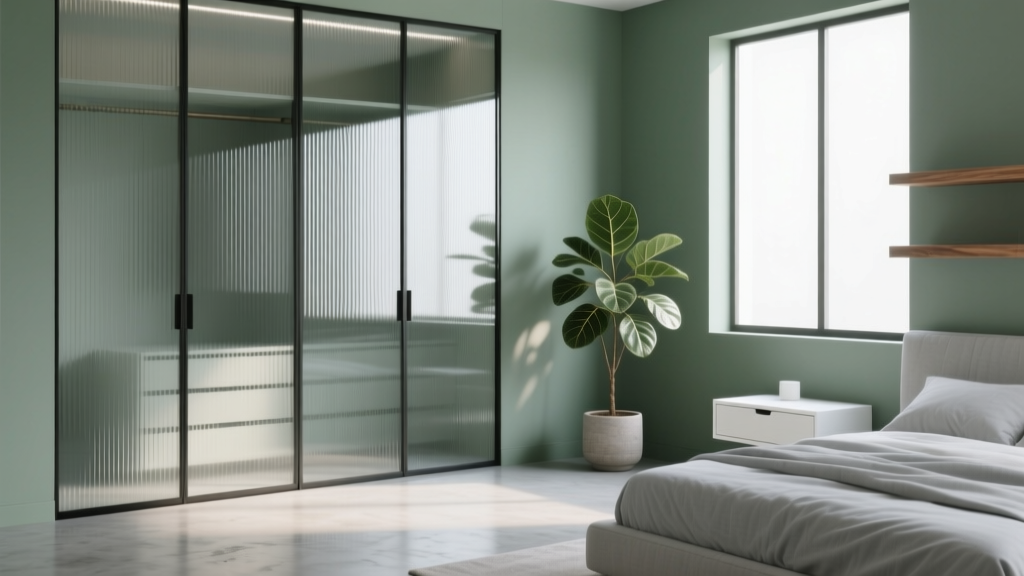
Bedroom Reeded Glass Wardrobe Doors - The Decor Mag
The bedroom works hardest when you’re not thinking about it. It sets the mood you fall asleep in, shapes what you see when you wake, and quietly influences how calm (or cluttered) your evenings feel. Storage plays a surprisingly big role here: bulky wardrobes, messy open shelving, and visual noise can keep your brain in “alert” mode long after you’ve turned down the lights.
Reeded glass wardrobe doors offer a rare balance for sleep-focused bedroom design: they hide the chaos without feeling heavy, they soften light instead of reflecting it harshly, and they add texture that reads as calming rather than busy. For homeowners and renters who want a more restful sleep environment, this is one of those upgrades that’s as practical as it is beautiful—especially in bedrooms where space is tight and every visual detail counts.
Below you’ll find a clear guide to choosing reeded (also called fluted) glass wardrobe doors, styling them to support relaxation, and avoiding the most common design mistakes that make bedrooms feel stimulating instead of soothing.
What Are Reeded (Fluted) Glass Wardrobe Doors—and Why They Feel So Calming
Reeded glass is a textured glass with vertical (sometimes horizontal) ridges. The grooves blur what’s behind the door while still letting light pass through. In a bedroom, that “soft concealment” is ideal: you get the neatness of closed storage without the visual weight of solid doors.
Sleep-friendly benefits of reeded glass doors
- Reduced visual clutter: Your brain doesn’t have to process stacks of clothes, hangers, or storage bins—helpful for winding down.
- Gentler light diffusion: When bedside lamps or ambient lighting hit reeded glass, it scatters instead of glaring, creating a calmer bedroom atmosphere.
- Texture without chaos: The vertical lines add interest and a sense of order—often associated with calmer, more “put-together” spaces.
- Works with many styles: Scandinavian, Japandi, modern, vintage-inspired, or contemporary—reeded glass plays nicely across aesthetics.
Reeded glass vs. frosted vs. clear glass
- Reeded/fluted: Soft concealment + strong design detail; best for wardrobes where you want privacy but a lighter feel.
- Frosted: More uniform blur; can feel cooler and more “bathroom-like” unless warmed up with wood frames and soft lighting.
- Clear: Highest visibility; looks sleek, but can increase visual clutter unless your closet is impeccably curated.
Choosing the Right Reeded Glass Wardrobe Door Style
Choosing well comes down to three things: how you use your storage, your room size, and your tolerance for maintenance. The best bedroom decor decisions support your daily routine and reduce friction at night.
1) Sliding vs. hinged vs. bi-fold doors
- Sliding reeded glass doors: Great for small bedrooms and tight walkways. They keep the layout efficient and reduce the chance of door-swing clutter near the bed.
- Hinged doors: Best access to the full wardrobe at once. Ideal if you have enough clearance and want a more traditional wardrobe feel.
- Bi-fold doors: Practical for shallow closets. Choose high-quality tracks so they open quietly—noise matters in a sleep sanctuary.
2) Frame materials: what looks best and lasts
- Wood frames (oak, ash, walnut veneer): Warmer and more calming for bedroom design. Pair especially well with beige, greige, or soft green walls.
- Aluminum frames: Sleek and minimal, often best in modern apartments. Choose matte finishes to reduce glare (matte black, champagne, bronze).
- MDF painted frames: Budget-friendly and customizable. Opt for low-VOC paint for a healthier sleep environment.
3) Glass thickness and safety
For wardrobe doors, tempered safety glass is the standard you want. It’s stronger and designed to break into safer pieces if damaged. Ask for:
- Tempered reeded glass (often 4–6 mm for inserts, thicker for larger panels)
- Soft-close hinges or dampers for quieter use at night and early mornings
- Quality tracks on sliding systems to prevent rattling
Designing a Sleep-Friendly Bedroom Around Reeded Glass Wardrobes
A wardrobe is usually one of the largest visual elements in a bedroom. When you treat it like part of the sleep environment—not just storage—you get a room that feels quieter and more intentional.
Best colors to pair with reeded glass doors
To support rest and relaxation, lean into low-contrast palettes. Reeded glass already adds texture, so colors can stay soft.
- Warm whites: creamy white, ivory, soft linen tones
- Calming neutrals: greige, mushroom, sand, oatmeal
- Restorative greens: sage, eucalyptus, olive-gray
- Sleepy blues: dusty blue, muted slate, gentle denim
Avoid: high-gloss bright white near the wardrobe if you’re sensitive to glare; it can feel clinical under overhead lighting.
Lighting recommendations that flatter reeded glass (and support sleep)
Lighting is a cornerstone of sleep wellness. Reeded glass looks best with warm, layered light—never a single harsh ceiling fixture.
- Bedside lamps: Warm LED bulbs in the 2200K–2700K range for an evening-friendly glow.
- Wardrobe interior lighting: Motion-sensor LED strips (warm white) inside the wardrobe can reduce the temptation to turn on bright overhead lights at night.
- Accent lighting: A plug-in picture light or slim wall sconce washing light across the wardrobe wall can make the glass texture look soft and luxe.
Look for dimmable fixtures whenever possible. Dimming supports melatonin-friendly bedtime routines and makes the whole bedroom feel less stimulating.
Layout tips: where the wardrobe should go
For a calmer bedroom layout, keep the wardrobe from dominating your direct line of sight from the pillow.
- Best placement: On the wall opposite the bed or along a side wall where it’s not the first thing you see at night.
- Small room trick: Sliding reeded glass doors can replace bulky dressers, freeing floor space and improving flow.
- Walkway comfort: Aim for 24–30 inches of clear walking space at minimum; 36 inches feels effortless.
Specific Furniture, Bedding, and Decor Pairings
Reeded glass reads as light and refined. The most restful bedrooms pair it with soft textiles, natural materials, and storage that prevents “visual chatter.”
Furniture recommendations
- Nightstands: Choose closed-drawer designs to reduce nighttime clutter. Light oak, walnut, or matte painted finishes complement reeded glass well.
- Bed frame: Upholstered headboards (linen, cotton, wool blends) add softness against the wardrobe’s clean lines.
- Bench or ottoman: A small storage bench at the foot of the bed helps keep “in-between” clothes out of sight.
Bedding choices for a calmer sleep environment
- Sheets: Cotton percale for hot sleepers; cotton sateen for a smoother feel; linen for breathability with a relaxed look.
- Duvet/comforter: Choose breathable fills (cotton, wool, or quality down alternatives). Aim for a weight that suits your climate.
- Color palette: Pull one tone from the wardrobe frame (oak warmth, black metal, bronze) and repeat it in a throw or pillow trim for cohesion.
Decor that enhances the texture without overpowering it
- Rugs: Low-contrast wool or wool-blend rugs help absorb sound—great for apartment bedrooms.
- Window treatments: Layered curtains (sheer + blackout) provide both daytime softness and nighttime darkness for better sleep quality.
- Art: Minimal, nature-inspired prints or soft abstracts; keep frames matte to avoid competing reflections.
Material and Maintenance: Keeping Reeded Glass Looking Serene
Texture hides fingerprints better than clear glass, but reeded glass has grooves that can collect dust. A simple routine keeps it looking fresh without much effort.
Cleaning tips
- Weekly: Dust with a microfiber cloth or a soft brush attachment on a vacuum.
- Monthly: Wipe with a gentle glass cleaner or a 50/50 mix of water and white vinegar. Spray on the cloth (not directly on the glass) to avoid drips into frames.
- For grooves: Use a soft detailing brush or an old toothbrush lightly—especially near handles.
Best hardware for quiet, sleep-friendly use
- Soft-close hinges/dampers: Reduces slamming that can disrupt sleep.
- Matte handles: Brushed brass, brushed nickel, or matte black hide smudges.
- Integrated pulls: Sleek and less likely to snag pajamas or robes.
Budget Ranges: What Reeded Glass Wardrobe Doors Typically Cost
Prices vary widely based on size, glass type, and whether you’re retrofitting existing doors or installing a full wardrobe system.
- Budget-friendly (approx. $150–$500 per door/panel): MDF frames with reeded acrylic or thinner glass inserts; best for renters or short-term upgrades.
- Mid-range (approx. $500–$1,200 per door/panel): Tempered reeded glass in aluminum or veneered wood frames; better tracks and soft-close options.
- Premium/custom (approx. $1,200–$3,000+ per door/panel): Larger panels, custom finishes (bronze reeded glass, reeded laminated glass), high-end hardware, made-to-measure installations.
Renters: If replacing doors isn’t allowed, consider a freestanding wardrobe with reeded glass-style panels, or use adhesive reeded window film on existing glass closet doors (check lease terms and test removability first).
Sleep Wellness Tips: Using Your Wardrobe to Support Better Rest
A wardrobe can either simplify bedtime or create nightly friction. These small changes improve the sleep environment without a full remodel.
- Create a “night zone” shelf: Keep sleep essentials (eye mask, magnesium lotion, book, charging cable) in one drawer so your nightstand stays clear.
- Use scent thoughtfully: Store strongly scented laundry products away from the bed if you’re sensitive; choose mild detergents for bedding.
- Reduce late-night light exposure: Add warm motion-sensor lighting inside the wardrobe to avoid turning on bright overhead lights.
- Keep the floor visible: Visual openness reduces stress. Reeded glass helps, but also commit to one hamper and one “in-between” hook or basket.
Common Mistakes to Avoid
- Choosing clear glass when you don’t want to curate: Clear doors demand constant organization; reeded glass is more forgiving and more relaxing.
- Pairing reeded glass with harsh, cool lighting: 4000K–6000K bulbs can make the room feel clinical and disrupt a soothing bedtime atmosphere.
- Ignoring sound: Cheap tracks and hinges rattle. In a sleep-focused bedroom, quiet hardware is worth it.
- Overcomplicating the palette: Too many contrasting colors and finishes can make the textured glass feel busy rather than serene.
- Placing the wardrobe where it crowds the bed: Tight circulation increases daily stress. If space is limited, sliding doors are usually the better choice.
FAQ: Bedroom Reeded Glass Wardrobe Doors
Are reeded glass wardrobe doors private enough for messy closets?
Yes for most homes. Reeded glass blurs outlines and reduces visual clutter, especially with interior organization. If you want maximum concealment, choose tighter fluting or consider reeded frosted glass for extra diffusion.
Do reeded glass doors make a bedroom look bigger?
They can. Compared with solid doors, reeded glass feels lighter and reflects less harshly than mirrors. In small bedrooms, sliding reeded glass doors often improve the sense of space by reducing bulky furniture needs.
What style of bedroom decor works best with reeded glass?
Reeded glass is versatile. It looks especially natural in Japandi, Scandinavian, modern organic, mid-century-inspired, and contemporary bedrooms—anywhere you want warmth, texture, and calm.
Is reeded glass hard to clean?
It’s slightly more detailed than flat glass because of the grooves, but it’s still easy with microfiber cloths and occasional gentle cleaning. Matte frames and brushed hardware help reduce visible fingerprints.
Can renters add reeded glass to a closet without replacing doors?
Often, yes. Options include removable reeded window film on existing glass panels, or a freestanding wardrobe with reeded-style doors. Always test a small area first and review lease guidelines.
Should I choose mirrored doors instead of reeded glass for a bedroom?
Mirrors can brighten a room, but they also increase reflections and visual stimulation. If your goal is a calmer sleep environment, reeded glass is typically the more soothing choice—especially paired with warm lighting.
Next Steps: A Simple Plan for a Calmer Bedroom
- Measure your space (door clearance, walkway width, ceiling height) and decide whether sliding or hinged doors fit best.
- Select a frame finish that supports rest: warm wood for coziness, matte metal for clean minimalism.
- Upgrade lighting to warm, dimmable bulbs and add motion-sensor wardrobe lighting to reduce nighttime glare.
- Organize the interior with bins, matching hangers, and one dedicated “night routine” drawer for a calmer evening flow.
Reeded glass wardrobe doors are a design choice that quietly improves how your bedroom feels—lighter, tidier, and more peaceful—while supporting the kind of low-stimulation environment that better sleep thrives in.
For more soothing bedroom design ideas, storage solutions, and sleep-friendly decor inspiration, explore the latest guides on thedecormag.com.
More Articles
 How To Clean Actually: A Bedroom Comfort Specialist’s No-Nonsense, Science-Backed Protocol
 Best Bedroom Rugs for Underfoot Comfort (2026)
 How to Choose Bedroom Blanket Ladder Style - The Decor Mag
 Bedroom Layout Common Mistakes: What 92% of Homeowners Get Wrong (And How to Fix Them)
 How to Choose Bedroom Duvet Cover Style - The Decor Mag
 Best Bedroom Inspiration for Living: Designing a Space That Supports Rest, Connection, and Daily Well-Being
 Bedroom Canopy Draping Techniques - The Decor Mag
 Industrial Bedroom Design Inspiration - The Decor Mag
 Bedroom Curved Headboard Upholstery Trend - The Decor Mag
 How to Create a Bedroom That Feels Peaceful - The Decor Mag