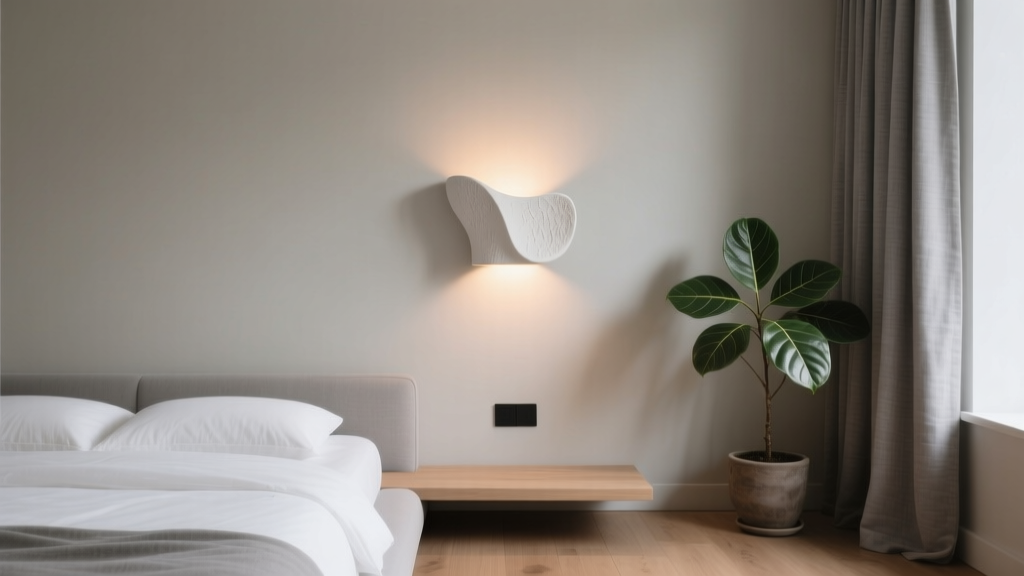
Bedroom Plaster Sconce Wall Application - The Decor Mag
Lighting has a quiet influence on how your bedroom feels—and how well you sleep. Harsh overhead fixtures can keep the nervous system on alert, while soft, well-placed wall lighting helps the brain shift into “evening mode.” That’s why plaster sconces have become a favorite in bedroom design: they create a gentle glow, add architectural character, and reduce the visual noise of table lamps and cords.
A plaster sconce wall application is more than a decorative upgrade. It’s a practical strategy for improving your sleep environment through calmer light, better bedside functionality, and a more intentional layout. Whether you’re a homeowner planning a renovation or a renter looking for a high-impact change, plaster-style sconces can help your bedroom feel like a restorative retreat.
This guide walks through choosing the right plaster sconces, placement and wiring considerations, wall application steps, and sleep-friendly tips—along with common mistakes to avoid—so you can create a bedroom that supports rest, relaxation, and everyday ease.
Why Plaster Sconces Work So Well in a Sleep-Friendly Bedroom
Plaster sconces (including true gypsum/plaster fixtures and “plaster-look” ceramic or composite options) are designed to blend into the wall and softly diffuse light. That diffusion is key for a calming bedroom lighting plan.
Sleep and wellness benefits
- Less glare at eye level: Diffused sconces reduce direct bulb exposure, helping prevent that “wide awake” feeling at bedtime.
- Better circadian support: When paired with warm, dimmable bulbs, sconces encourage melatonin-friendly evening light.
- Reduced clutter: Wall lights can replace table lamps, freeing nightstands for essentials and creating a visually calmer space.
- Balanced ambiance: Two matching sconces help create symmetry and a sense of order—often associated with relaxation.
Design benefits for bedroom decor
- Architectural texture: Plaster adds a matte, artisan finish that feels soft and timeless.
- Paintable surfaces: Many plaster sconces can be painted to match walls for a seamless look.
- Works across styles: From modern minimal to Mediterranean, Japandi, transitional, and vintage-inspired bedrooms.
Types of Plaster Sconces (and Which Bedrooms They Suit)
Choosing the right type is half of a successful bedroom plaster sconce wall application. Consider how you read, wind down, and move through the room at night.
1) Uplight plaster sconces
These cast light upward for a gentle wash on the wall and ceiling—excellent for calming ambient light.
- Best for: Minimalist bedrooms, low-glare lighting plans, couples who prefer dim, warm ambiance.
- Pair with: Dimmable warm LEDs (2200K–2700K).
2) Downlight plaster sconces
Downlights can be moodier and slightly more functional near the bed, depending on beam spread.
- Best for: Soft task lighting, nighttime navigation, cozy layered lighting.
- Tip: Avoid narrow beams that create harsh “spotlight” pools.
3) Up/down plaster sconces
These provide a balanced glow, creating visual height and an elegant architectural effect.
- Best for: Bedrooms with higher ceilings, feature walls behind the bed, hotel-inspired decor.
4) Plug-in plaster-look sconces (renter-friendly)
If hardwiring isn’t possible, plug-in sconces (often ceramic, resin, or plaster composite) can still give a similar look.
- Best for: Renters, quick upgrades, bedrooms with limited electrical access.
- Look for: Fabric-covered cords, dimmer switches on the cord, and a shade that hides the bulb.
Planning Your Bedroom Sconce Layout for Comfort and Function
Good placement supports both bedroom design and sleep quality. The goal is light where you need it, without glare in your eyes or awkward shadows on the wall.
Ideal placement height (general guidelines)
- Beside the bed: Typically 60–66 inches from the floor to the center of the sconce.
- Above a nightstand: Aim for 6–10 inches above the top of the nightstand.
- From the edge of the bed: Usually 6–12 inches outward from the nightstand’s outer edge (adjust for shade width).
Personalize it: If you sit up to read, mount slightly higher to avoid glare. If you’re sensitive to light, choose a sconce that hides the bulb completely and mount so the light source is above eye level when reclining.
Spacing and symmetry tips
- For a queen or king bed, matching sconces on both sides create a calm, balanced look.
- If your room layout is asymmetrical (doorway, closet, window), keep sconce height consistent even if spacing differs slightly.
- On a feature wall, align sconce placement with the headboard width for a tailored look.
Switches, dimmers, and bedside convenience
- Best-case setup: A wall switch plus a dimmer, located near the bedroom entry and/or bedside.
- Very practical upgrade: Smart dimmer switches or smart bulbs (so you can lower light from bed).
- For plug-ins: Choose models with an inline dimmer or use a plug-in dimmer rated for LEDs.
How to Apply Plaster Sconces to the Wall: What to Expect
A true plaster sconce wall application often means one of two things: mounting a plaster fixture to a standard electrical box, or installing a plaster-in fixture designed to look fully integrated with the wall surface.
Option A: Standard mounted plaster sconce (most common)
These attach like typical wall lights. Many plaster fixtures are paintable and sit flush, creating a built-in appearance without complex finishing.
- Best for: Most bedrooms, simple upgrades, easier electrician work.
- Skill level: DIY-friendly for plug-in; hardwired is usually electrician territory.
Option B: Plaster-in or mud-in sconce (seamless, custom look)
These are designed to be integrated into drywall and finished with joint compound for a truly architectural result.
- Best for: Renovations, new builds, feature walls, high-end custom bedrooms.
- Skill level: Typically professional install (drywall finishing is an art).
Wall surface considerations
- Drywall: Most straightforward for both standard and mud-in installations.
- Plaster walls (older homes): Often possible but may require specialized anchors and careful electrical work.
- Brick or concrete: Usually requires surface-mounted conduit or professional drilling—consider plug-in sconces or adjacent mounting solutions.
Materials and finishing recommendations
- Paint: Matte or eggshell wall paint keeps the sconce looking soft and reduces glare.
- Primer: Use a bonding primer on raw plaster before painting for an even finish.
- Bulbs: Warm LED (2200K–2700K), high CRI (90+), dimmable.
Bedroom Design Recommendations That Pair Beautifully with Plaster Sconces
Plaster sconces shine when the rest of the bedroom decor supports a calm, tactile atmosphere. Use them as part of a layered lighting plan and a restful layout.
Furniture: nightstands, bed frames, and layouts
- Nightstands: Choose 18–28 inches wide for most beds, with closed storage to reduce visual clutter.
- Bed frame: Upholstered or wood headboards soften sound and visually ground the room—ideal behind warm wall lighting.
- Clear pathways: Leave at least 24 inches of walkway on each side of the bed when possible for easier nighttime movement.
Budget ranges:
- Nightstands: $80–$250 (budget), $300–$800 (mid-range), $900+ (investment)
- Bed frames: $250–$700 (budget), $800–$2,000 (mid-range), $2,500+ (investment)
Bedding: textures that support relaxation
- Sheets: Percale cotton for crisp-cool sleepers; linen for breathable texture; sateen for smoother warmth.
- Duvet insert: Choose weight by season; consider wool fill for temperature regulation.
- Layering: Add a quilt or blanket at the foot of the bed for visual softness under sconce lighting.
Budget ranges:
- Sheet sets: $60–$150 (budget), $160–$350 (mid-range), $400+ (luxury)
- Duvet covers: $50–$120 (budget), $130–$300 (mid-range), $350+ (luxury)
Colors: calming palettes that flatter plaster
- Warm whites: Creamy off-whites make plaster sconces glow softly rather than starkly.
- Muted earth tones: Sand, clay, mushroom, and warm taupe create a grounded sleep environment.
- Soft greens and blues: Sage, eucalyptus, dusty blue—especially calming with warm lighting.
Paint finish tip: Use matte on walls for a velvety, low-reflective look; choose washable matte or eggshell if you need durability.
Layered lighting plan (best for sleep environment design)
- Ambient: Plaster sconces on dimmers
- Task: A focused reading light if needed (consider a narrow-beam adjustable fixture on one side only)
- Night navigation: Motion-activated, low-lumen floor or toe-kick lighting (warm tone)
Sleep-Friendly Lighting Choices for Plaster Sconces
Plaster fixtures are only as calming as the light you put in them. For bedroom lighting that supports sleep quality, focus on color temperature, brightness, and control.
Bulb recommendations
- Color temperature: 2200K–2700K for evening warmth
- Brightness: 400–800 lumens per sconce is typically plenty for bedside ambiance (use dimmers for flexibility)
- Color rendering: CRI 90+ so skin tones and bedding colors look natural
- Flicker: Choose reputable LED bulbs labeled flicker-free when possible
Wellness tip: create a “wind-down preset”
- Set sconces to 10–30% brightness for the last hour before bed.
- Turn off overhead lighting after dinner when possible.
- Pair with blackout curtains or a lined shade to reduce streetlight spill.
Budget Guide: What a Bedroom Plaster Sconce Project Really Costs
- Plug-in plaster-look sconces: $60–$250 each
- Hardwired plaster sconces: $120–$500 each (designer styles can be more)
- Electrician labor (new wiring): $200–$600 per location (varies widely by region and wall access)
- Drywall repair/patch/paint (if needed): $100–$500+
- Dimmers or smart controls: $20–$80 (basic dimmer) or $50–$200+ (smart dimmer)
If your bedroom is due for a refresh, budget for the “whole wall moment”: patching, paint, and a thoughtful bulb choice often make the biggest difference in how finished and soothing the space feels.
Common Mistakes to Avoid
- Mounting too low: This can create glare when you’re in bed and throw awkward shadows across the wall.
- Choosing the wrong bulb: A 3000K–4000K LED may feel clinical at night; overly bright bulbs can sabotage relaxation.
- Skipping dimmers: Bedroom lighting should be adjustable—one fixed brightness rarely works for both evening wind-down and practical tasks.
- Ignoring scale: Tiny sconces can look lost on a tall wall; oversized fixtures may crowd a small nightstand area.
- Not considering shadows: Up/down fixtures can highlight wall texture; test placement if your wall has heavy orange peel or uneven plaster.
- Over-relying on sconces: A good sleep environment uses layered light; include at least one other low, warm light source for flexibility.
FAQ: Bedroom Plaster Sconce Wall Application
Are plaster sconces bright enough for reading in bed?
Many plaster sconces are designed for ambient light rather than direct task lighting. If you read often, choose a downlight style with a wider beam and add a dimmable bulb, or supplement with an adjustable reading light on one side of the bed.
Can renters install plaster sconces without hardwiring?
Yes. Look for plug-in plaster-look sconces or lightweight plaster composites. Mount with appropriate wall anchors, use a cord cover for a cleaner look, and choose warm, dimmable bulbs to keep the bedroom lighting soft.
What’s the best color temperature for bedroom sconces?
For sleep-friendly bedroom design, aim for 2200K–2700K. This warm light feels calming in the evening and is generally more supportive of a restful wind-down routine than cooler tones.
Do plaster sconces need special paint?
Raw plaster typically does best with a primer first (often a bonding or stain-blocking primer), followed by matte or eggshell wall paint. If the fixture is labeled paintable, follow the manufacturer’s prep instructions for best adhesion.
How do I choose the right size sconce for my bed wall?
As a starting point, choose a fixture that feels proportionate to your headboard and nightstand width. For queen and king beds, medium-sized sconces often look best; in small bedrooms, a slimmer profile helps maintain visual calm and clearances.
Will plaster sconces show dust or marks easily?
Matte finishes can show fingerprints more than glossy surfaces, especially near switches. Choose washable matte paint, dust gently with a microfiber cloth, and avoid placing sconces where they’ll be brushed frequently.
Next Steps: A Calmer Bedroom, One Wall at a Time
Start by deciding what you want your bedside lighting to do: soothe you into sleep, support a little reading, reduce clutter, or all three. From there, choose a plaster sconce style that hides glare, add a dimmer for control, and pair it with warm bulbs and calming bedroom colors. Even a small update—like plug-in sconces with cord covers—can shift the whole sleep environment toward comfort.
For more bedroom design ideas, lighting plans, and sleep-friendly decor inspiration, explore the latest guides and room makeovers on thedecormag.com.
More Articles
 Best Bedroom Bench Options for Foot of Bed - The Decor Mag
 How to Create a Bedroom That Feels Timeless - The Decor Mag
 How to Style a Bed Like a Hotel - The Decor Mag
 Best Bedroom Sleep Weighted Blanket Guide - The Decor Mag
 Sustainable Bedroom FAQs Answered: Materials, Certifications, and Real Impact
 Best Bedroom Reading Light Options - The Decor Mag
 How to Style a Bedroom with Vintage Pieces - The Decor Mag
 Best Bedroom Mirror Placement Ideas - The Decor Mag
Best Bedrooms for Warm Climates: Design, Materials, and Climate-Smart Strategies
Best Bedroom Mirror Placement Ideas - The Decor Mag
Best Bedrooms for Warm Climates: Design, Materials, and Climate-Smart Strategies
 Reading Corner in Bedroom: Decor Ideas (2026)