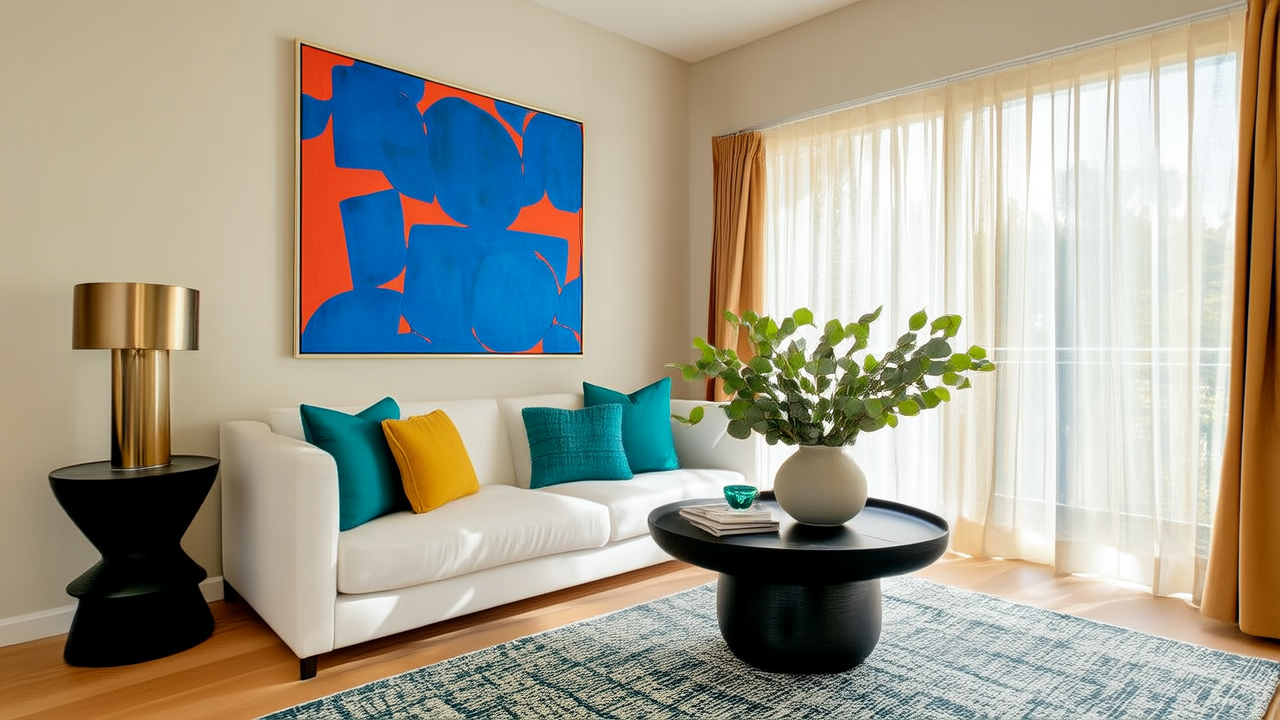
Bedroom Design Systems for Sleep, Comfort & Calm
How to Think About Bedroom Systems
This ultimate systems guide treats the bedroom as an integrated comfort machine: air, temperature, light, sound, textiles, storage, and sleep surfaces working together. A good system keeps the room at 65°F to 68°F, humidity at 40% to 60%, and noise below 30 dBA, while using blackout curtains, layered lighting, breathable bedding, and a mattress matched to body weight and sleeping position. It also includes practical controls, safe electrical planning, and maintenance routines. Design matters, but measurable comfort wins. The following sections show how to choose components, install them, and test performance with real brands, exact measurements, and simple nightly checks.
A bedroom system is not a single product. It is a set of interacting controls: how air moves, how surfaces feel, how light changes, how noise is blocked, and how clutter is stored. When these controls are aligned, sleep quality improves without relying on one expensive gadget. When they conflict, a premium mattress can still fail because the room is too warm or noisy. The most reliable plan starts with measurable comfort targets, then selects products that meet those targets within the room’s size, budget, and lifestyle.
Use five layers: climate, quiet, light, support, and order. Climate controls temperature, humidity, and air quality. Quiet controls sound transfer and vibration. Light controls brightness, color, timing, and glare. Support controls mattress, pillows, and pressure relief. Order controls storage, circulation, and maintenance. Each layer has simple numbers you can test with a thermometer, hygrometer, sound meter app, light meter app, and tape measure. If a product cannot improve one of those numbers, it is decoration, not system design.
Air, Temperature, and Humidity
Most sleepers do better when the bedroom stays between 65°F and 68°F, or 18.3°C to 20°C, with relative humidity from 40% to 60%. Cooler air helps the body drop core temperature at sleep onset. Humidity below 30% can dry nasal passages and skin; humidity above 65% can encourage mold, dust mites, and sticky discomfort. Place a digital thermometer and hygrometer at bed height, not near the door, and check readings twice daily for one week before changing equipment.
For heating and cooling, a small room over 100 square feet may need a 12,000 BTU mini-split such as a Daikin or Mitsubishi Electric unit, while a bedroom under 350 square feet may work with a window unit from Frigidaire or a fan and set-point strategy. A Hunter ceiling fan with 52-inch blades moves air at low power, but fans cool people, not rooms. Use a thermostat like Honeywell Home or ecobee with a remote sensor near the bed. For ventilation, aim for 0.5 to 1.0 air changes per hour in an occupied bedroom, adjusted for window opening, HVAC design, and number of occupants.
Heating, Cooling, and Ventilation
In warm climates, cooling strategy matters more than cooling product. A mini-split is quiet and efficient, often 19 to 22 SEER2, but installation can cost $2,000 to $5,000 depending on line-set length, wall type, and electrical panel capacity. A window unit is simpler and may cost $250 to $700, but noise can reach 50 to 60 dBA on high fan speed. If the bedroom is on an exterior wall with a large south or west window, add a low-e film or 30% tint to reduce solar heat gain without blocking all daylight.
In cold climates, avoid over-heating the room to 72°F or higher. Warm rooms dry out air, especially when outdoor humidity is low. A 300 to 500 square foot bedroom may need a humidifier output of 1 to 2 gallons per day, such as a Levoit or Honeywell model. Use distilled water or a demineralization cartridge if your tap water is hard. For ventilation, crack a window 1/2 inch to 1 inch for 10 to 15 minutes mid-morning, or use a bathroom exhaust fan on a timer if the layout allows cross-ventilation.
Purification and Allergen Control
Air cleaners are useful when allergens, pet dander, smoke, or dust trigger nighttime congestion. For a 200 to 300 square foot bedroom, choose a unit with a Clean Air Delivery Rate, or CADR, around 200 to 300 CFM for smoke, dust, and pollen. Brands such as Blueair, Coway, and Levoit provide quiet models; a Molekule air purifier uses a different technology, so check independent test data before paying a premium. Run the unit at 12 to 16 inches from the bed, not in a corner, and replace filters every 3 to 12 months according to usage.
Bedding is the second air-quality system. Use dust-mite-proof pillow and mattress covers with 1 to 5 micron pore size. Wash sheets weekly in water at 130°F, or 54°C, for cotton and linen. For synthetic fabrics, use 60°C if the care label allows. A vacuum with a HEPA filter, such as a Dyson V15 or Shark Navigator, should be run along mattress seams once monthly. For severe allergies, replace pillows every 1 to 2 years and a comforter every 3 to 5 years.
- Climate target: 65°F to 68°F, 40% to 60% relative humidity.
- Airflow target: 0.5 to 1.0 air changes per hour in an occupied bedroom, adjusted for occupants.
- Filter target: CADR 200 to 300 CFM for small to medium bedrooms.
- Noise target: 25 to 30 dBA at sleep level; 35 dBA maximum acceptable for many users.
- Allergen target: wash at 130°F or 54°C when fabric-safe.
- Comfort target: surface-to-skin temperature between 82°F and 88°F, or 28°C to 31°C.
Sound, Privacy, and Calm
Sound is one of the most underestimated bedroom systems. Ideal sleeping noise is often 25 to 30 dBA, similar to a quiet library. A 35 dBA limit is realistic in urban areas. Measure with a smartphone sound meter app during the night, not just daytime. Low-frequency traffic noise around 50 to 100 Hz is harder to block than high-frequency voices. For those frequencies, mass, airtightness, and decoupling matter more than soft decorations.
Start with the weakest boundary. A hollow-core bedroom door can leak noise; replace it with a solid-core door, or add acoustic seals and a door sweep with a 1/4 inch drop. For windows, use a 3-inch thick acoustic panel or a secondary window insert if exterior noise exceeds 45 dBA. Heavy curtains help echo more than outside noise, but layered drapery with a 1/2 inch air gap can reduce high-frequency street sounds by 3 to 6 decibels. Rugs with 1/2 inch dense pad reduce footfall echo; a 60 inch by 90 inch rug is a minimum for a standard bedroom.
Masking can be part of the system. A white noise machine such as a LectroFan or Marpac Dohm can keep background sound around 40 to 50 dBA if neighbors create irregular spikes. Keep volume low and set it to steady, not variable. For couples with different schedules, a bedside sound curtain is not possible, but a small fan at 3 feet distance or a sleep-earbud with low-level noise can help. Earplugs such as Loop or Moldex are useful for short-term adaptation, not a permanent fix for unsafe noise levels.
Lighting and Circadian Control
Light controls wake and sleep timing. For evening, keep ambient brightness under 50 lux, and use fixtures that cast light downward. For pre-sleep, aim for 5 to 10 lux at the bedside and a color temperature below 2700 Kelvin. A Philips Hue bulb dimmed to 1% at 2200 Kelvin can feel like candlelight without open flame risk. For reading, a 300 to 500 lumen task light with a 90+ CRI rating helps distinguish fabric and skin tones without flooding the room.
Daylight is equally important. Blackout curtains should overlap the window by at least 6 inches on each side and 2 inches at the top to limit light leaks. For a 60 inch by 64 inch window, a 96 inch width provides enough overlap when pleated. Motorized shades from Somfy or Hunter can schedule sunrise and sunset, while a Lutron Caséta switch provides reliable dimming. If the room faces east, use a shade that diffuses early sun instead of blocking all light, because a 15 to 20 minute sunrise cue can reduce morning grogginess.
Night lighting should be safe and low. Use 12 to 25 lumen LED path lights at 6 inches above the floor, with motion sensors set to 30 to 60 seconds. Avoid blue-rich white at night. Under-bed lighting from a warm LED strip at 2200 Kelvin can help prevent trips without disturbing a partner. For closet lighting, choose battery or plug-in fixtures rated for 150 to 300 lumens and CRI 80 or higher, and keep cords away from insulation.
Bedding, Mattress, and Support Layers
A mattress is the core support system, but it is not the whole system. Body weight, sleeping position, firmness, materials, and temperature all interact. Side sleepers under 180 pounds often prefer a medium-soft feel, around 3 to 5 on a 10-point scale, while back and stomach sleepers over 220 pounds often need medium-firm support, around 6 to 7. Pressure-relief layers should be at least 2 inches of foam, latex, or coils. For a person over 250 pounds, a 12 to 14 inch mattress with reinforced edge support helps prevent sagging.
Choosing a Mattress That Fits Your Body
Memory foam from Tempur-Pedic, hybrid beds from Casper or Purple, and adjustable air beds from Sleep Number each solve different problems. Tempur material is good for motion isolation and pressure relief but can sleep warm unless paired with a cooling cover. Casper and Purple offer more airflow through foam and polymer grid designs. Sleep Number’s adjustable firmness is useful for couples with different body weights, but air chambers need regular pressure checks every 1 to 3 months. Test for 10 to 15 minutes on your side, back, and stomach, and check if hips sink below shoulders by more than 1 inch.
Mattress size should not be guessed. A queen is 60 inches by 80 inches and fits most couples in a 12 by 12 foot room, but a king at 76 by 80 inches gives 38 inches of shoulder width per person. If you share the bed with a child or pet, add 6 to 12 inches of clearance at the foot. For small rooms, a split queen or a platform bed with 8 inches of under-bed storage can save floor area without sacrificing length.
Sheets, Comforters, and Pillows
Sheets should match your climate. Percale cotton at 180 to 280 thread count feels crisp and breathable, while sateen at 300 to 600 thread count feels smoother but can trap heat. Linen at 170 to 220 GSM becomes more breathable with washing. Bamboo viscose feels cool but may require frequent laundering. For hot sleepers, use a moisture-wicking fitted sheet and a flat sheet as a removable layer. For cold sleepers, use a flannel or brushed cotton sheet at 180 to 250 GSM, but still allow a removable top layer.
Comforters need fill power and loft. A down comforter with 600 to 800 fill power provides warmth with less weight. For a 65°F room, a 300 to 400 gram per square meter lightweight duvet may be enough; for 55°F, choose 500 to 700 grams per square meter. Synthetic fill is easier to wash and may be better for allergies. Pillows should keep the neck neutral. A side sleeper with 4 to 6 inches of shoulder width may need a pillow 4 to 5 inches high; a back sleeper may need 3 to 4 inches. Latex, memory foam, and down alternative should be replaced every 1 to 3 years.
Storage, Layout, and Maintenance
Clutter is a comfort system failure. A bedroom needs clear paths, stable surfaces, and storage that reduces visual noise. Keep a 24 to 30 inch walkway around the bed where possible. Nightstands should be 24 to 28 inches tall, close to mattress height, and at least 18 inches wide. For a queen bed, two 20 inch nightstands are better than one crowded bench. Under-bed storage should be no deeper than 8 to 10 inches unless you use rolling drawers, because deep boxes become forgotten dust collectors.
Closet systems should be planned by use, not by shelf count. A 6 foot closet section needs 12 inches of hanging space per 20 garments for shirts and 12 to 16 inches per coat. Use slim hangers such as wooden or velvet with 16 to 18 inch width. Add a shoe rack that is 5 to 6 inches per pair. For jewelry, watches, and chargers, use a 6 drawer organizer with 4 to 6 inch dividers. Label bins with a Brother P-touch or similar label maker, and keep cords in a 10 by 14 inch fabric box.
- Check air filters monthly: replace furnace filters every 1 to 3 months and purifier filters every 3 to 12 months.
- Rotate or flip the mattress every 3 to 6 months if the manufacturer allows it.
- Wash sheets weekly, duvet covers monthly, and mattress covers quarterly.
- Test light leaks at night with a flashlight from outside or a partner inside the room.
- Measure noise at 11 p.m., 3 a.m., and 6 a.m. to find recurring spikes.
- Inspect electrical cords quarterly for heat, fraying, or loose plugs, especially behind the bed.
- Re-tighten bed frame bolts every 6 months; use a torque wrench on metal frames if possible.
- Review storage every season: remove one unused item for every new item added.
Testing Your Bedroom System
Before buying anything, record a seven-day baseline. Use a thermometer, hygrometer, phone sound app, and a simple sleep diary. Note morning stiffness, night awakenings, screen time, caffeine, and room temperature. Then change one variable at a time. If you add a humidifier, keep the temperature and bedding the same. If you add blackout curtains, keep the light schedule the same. After seven nights, compare sleep onset, awakenings, and comfort scores. This prevents expensive purchases from masking a simple fix.
Use the table below as a selection map. It links targets to example products and practical notes. Do not treat brands as endorsements; use them as starting points for comparison. Always check warranty terms, return windows, and shipping restrictions. A mattress may have a 100-night trial, while a fan or air purifier may have only 30 days. For hard installations, such as mini-splits, motorized shades, or acoustic windows, get written quotes and permit information.
| System Layer | Target Numbers | Example Brands | Practical Notes |
|---|---|---|---|
| Climate | 65°F to 68°F; 40% to 60% RH | Daikin, Mitsubishi, Honeywell, Levoit | Use sensors at bed height; avoid direct airflow on skin. |
| Air quality | CADR 200 to 300 CFM; PM2.5 below 10 µg/m³ | Blueair, Coway, Dyson, Molekule | Replace filters on schedule; do not place in a corner. |
| Sound | 25 to 30 dBA sleep background | LectroFan, Marpac, Loop | Seal gaps first; mask irregular noise second. |
| Light | 5 to 10 lux at bedside; 2200 to 2700 K evening | Philips Hue, Lutron, Somfy | Use blackout overlap and dimmable drivers. |
| Support | Neutral spine; 3 to 7 firmness scale | Tempur-Pedic, Casper, Purple, Sleep Number | Match firmness to weight and position, not marketing labels. |
| Storage | 24 to 30 inch walkways; 8 to 10 inch under-bed depth | Elfa, IKEA, SimpleHouseware | Plan by garment count and maintenance access. |
Electrical safety belongs in the system, even if it is invisible. Bedrooms often have chargers, lamps, fans, and heating pads. Use GFCI outlets near bathrooms or exterior doors where required, and do not overload a 15 amp circuit with a 12,000 BTU air conditioner, electric blanket, and hair dryer at once. A mini-split may need a dedicated 20 amp circuit. Keep cords off rugs, under doors, and behind furniture. Use surge protectors only for electronics, not for high-draw heaters or window AC units unless the manufacturer approves it.
Finally, choose the smallest effective upgrade. If your room is 70°F, a fan and lighter bedding may solve it faster than a new mattress. If your partner snores, a sound test may reveal a blocked vent or a window gap before buying earbuds. If you wake with a stiff neck, measure pillow loft before replacing the mattress. The best bedroom system is the one you can verify, adjust, and maintain without becoming a full-time technician. Start with the numbers, test for seven nights, and keep only the changes that improve sleep without adding stress.
More Articles
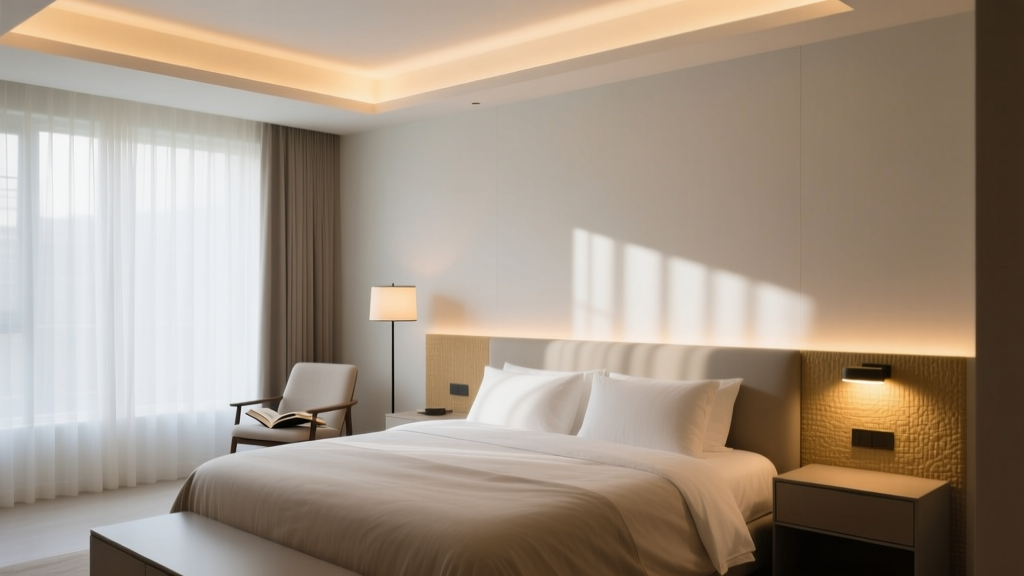 How to Layer Bedroom Lighting - The Decor Mag
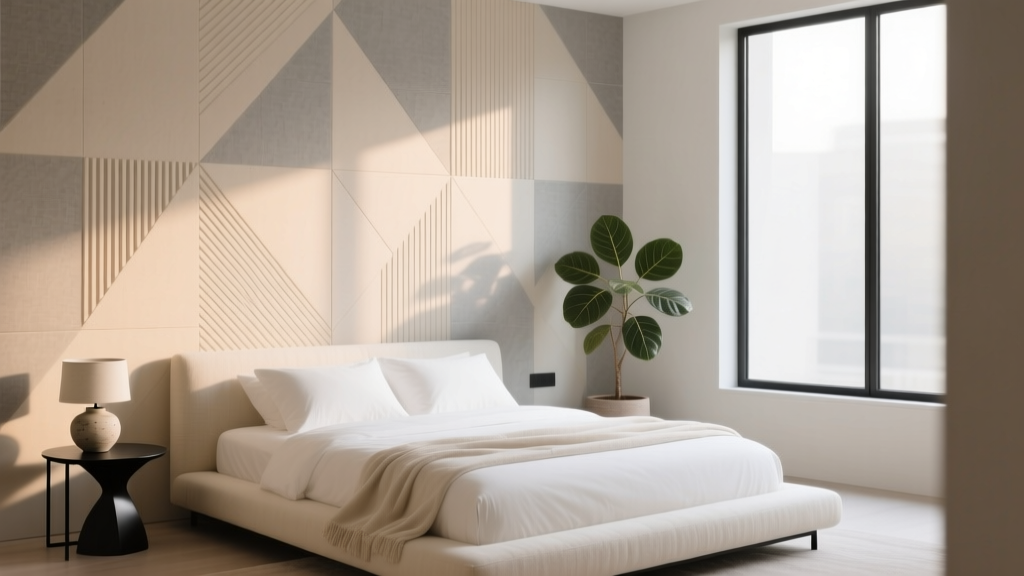 Bedroom Accent Wall Ideas - The Decor Mag
 Bedroom Lighting for Better Sleep
Black Bedroom Decor: Bold Ideas for Your Space
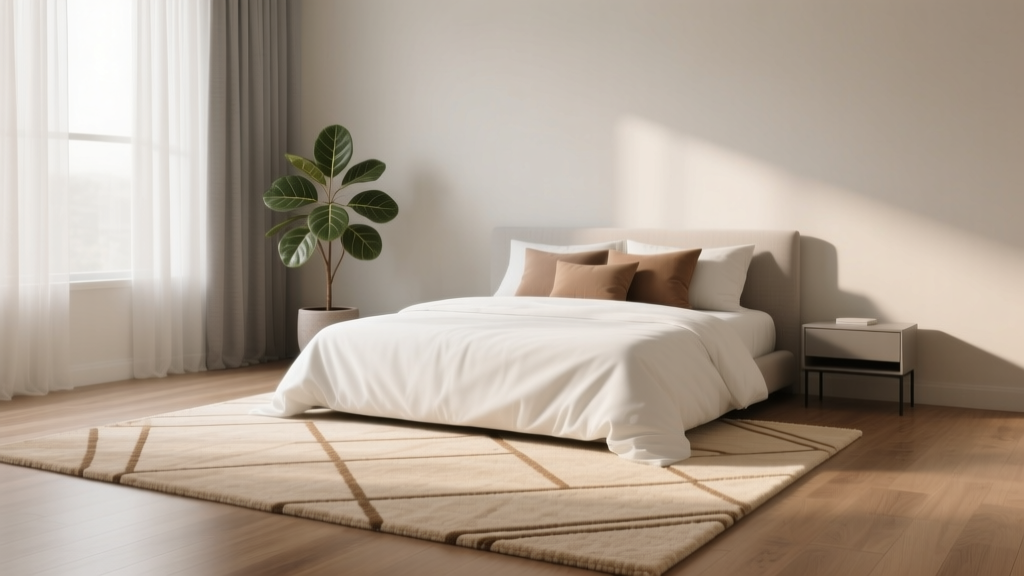 How to Choose Bedroom Rug Size - The Decor Mag
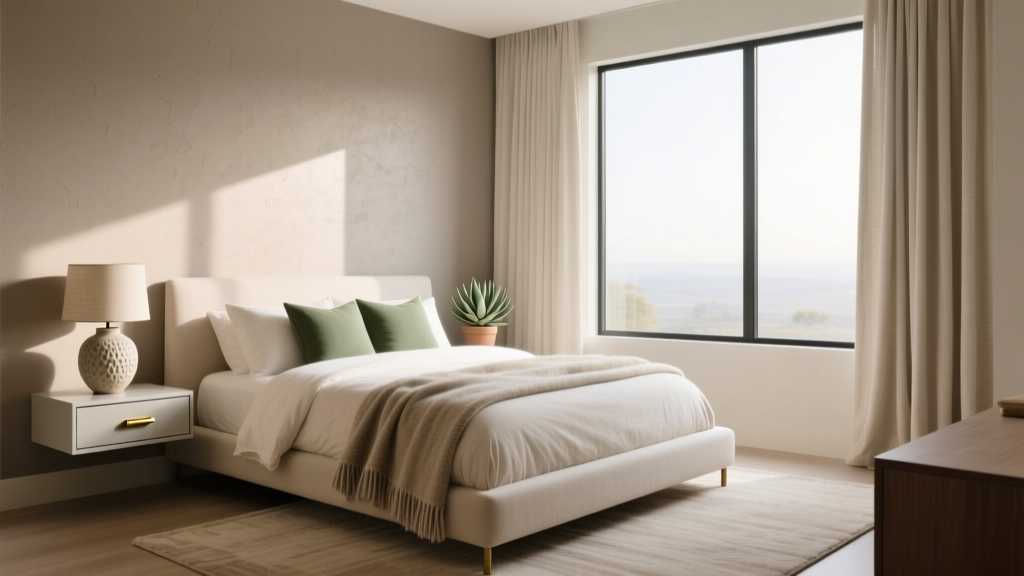 How to Create a Bedroom Color Story - The Decor Mag
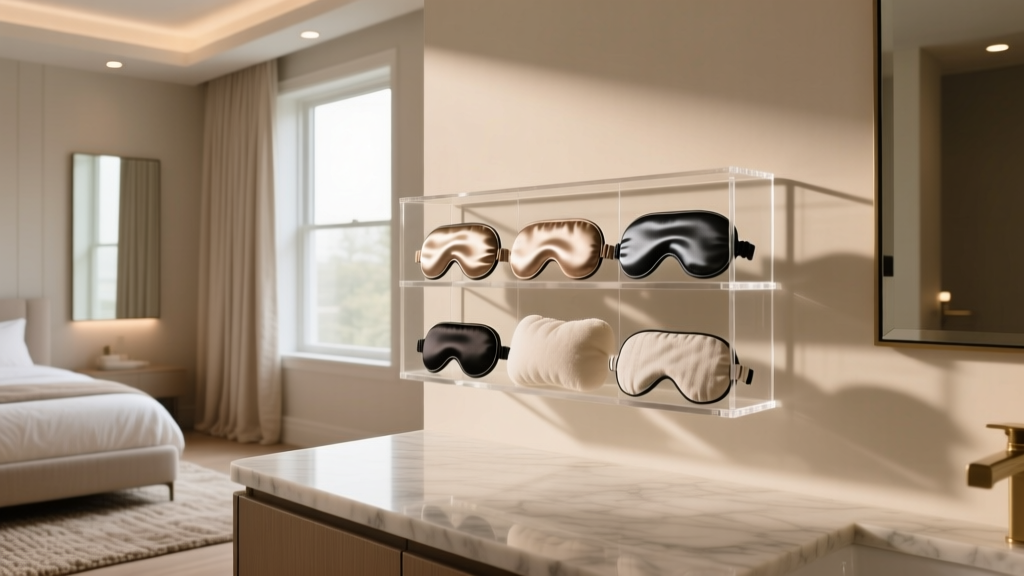 Best Bedroom Eye Mask Storage - The Decor Mag
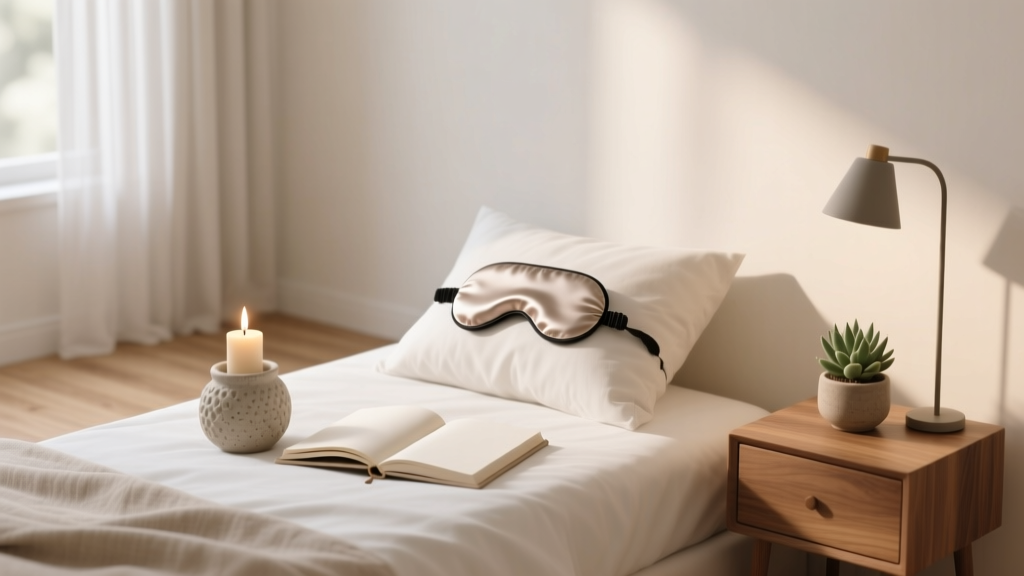 Best Bedroom Wind Down Ritual Items - The Decor Mag
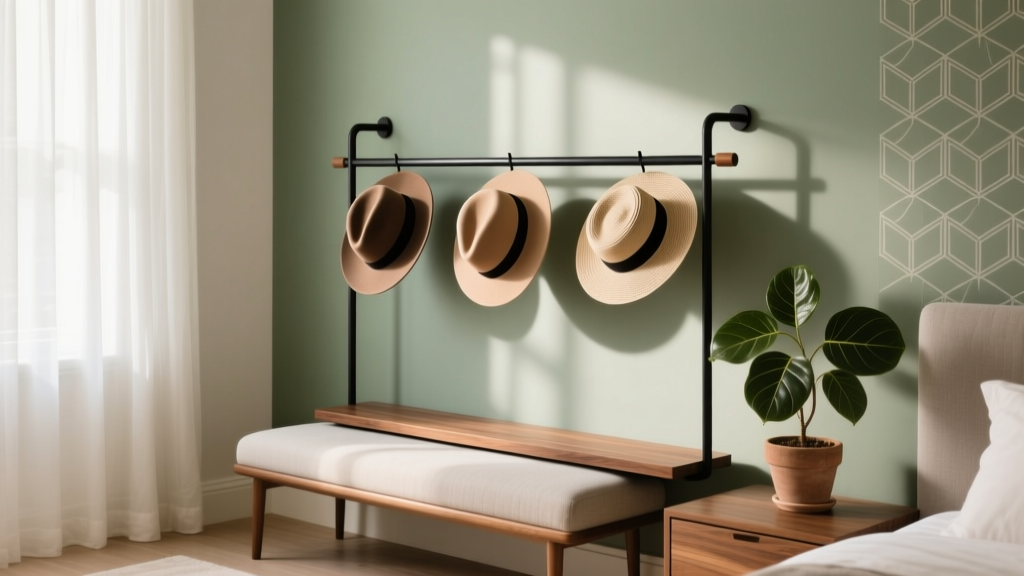 Best Bedroom Hat Storage Display - The Decor Mag
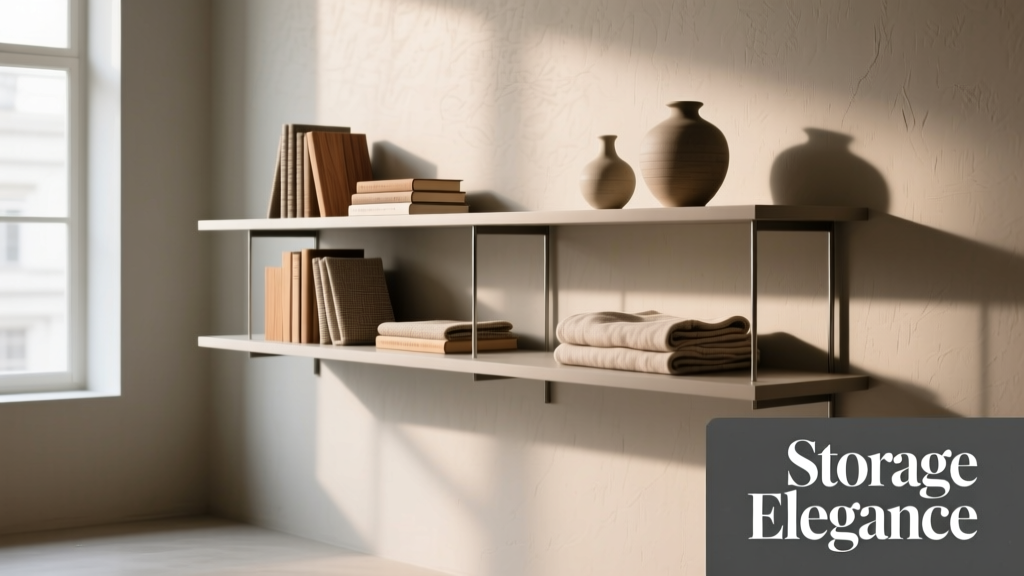 Smart Bedroom Storage Ideas for 2026