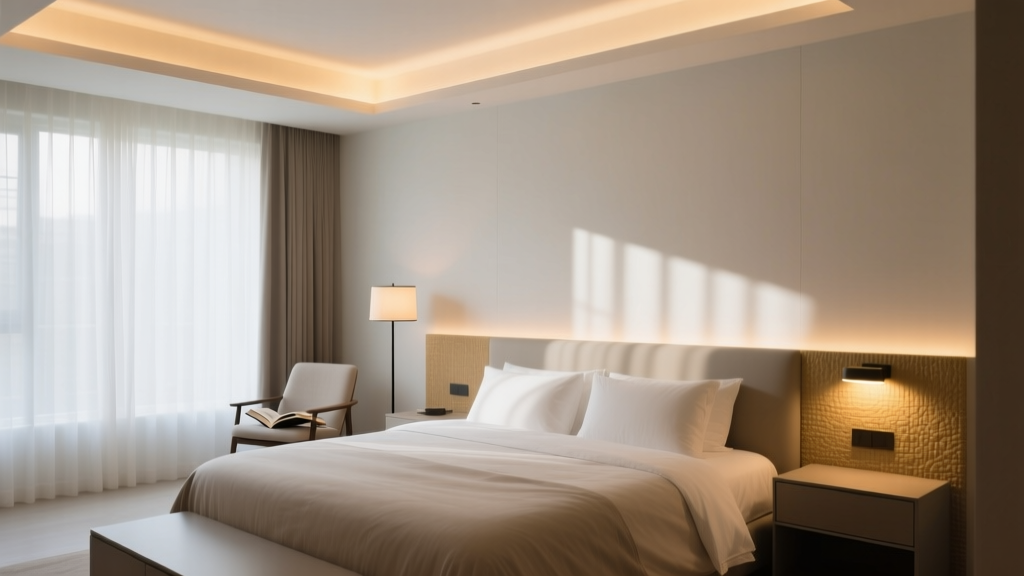
How to Layer Bedroom Lighting - The Decor Mag
Bedroom lighting does more than help you see—it sets the tone for how your nervous system winds down at night and how gently you wake in the morning. The right mix of light can make a small bedroom feel more spacious, soften harsh corners, and create a calm sleep environment that supports deeper rest. The wrong light—too bright, too cool, or placed at eye level—can keep your brain alert when you’re trying to relax.
Layered lighting is the designer’s approach to building a flexible, sleep-friendly bedroom. Instead of relying on one overhead fixture, you combine multiple light sources at different heights and purposes. This gives you options: bright and energizing when you’re folding laundry, soft and cozy when you’re reading, and dim and warm when it’s time to fall asleep.
Below, you’ll find practical ways to layer bedroom lighting with specific fixture types, recommended bulb temperatures, layout tips for renters and homeowners, and wellness-minded advice to protect your circadian rhythm—all with budgets that work whether you’re upgrading one lamp or redesigning the entire room.
What “Layered Lighting” Means in a Bedroom
Layering bedroom lighting typically includes three core types, plus a decorative “bonus” layer:
- Ambient lighting: General room light for safe movement and an overall glow.
- Task lighting: Focused light for activities like reading, dressing, or working at a vanity.
- Accent lighting: Soft light that adds depth—highlighting art, texture, or architectural features.
- Decorative lighting: Style-forward fixtures that double as mood setters (pendants, sculptural lamps, lanterns).
A well-designed bedroom lighting plan lets you reduce brightness in the evening, minimize glare, and avoid blue-heavy light that can interfere with melatonin production. The goal is a space that looks beautiful and feels restful.
Start with Your Bedroom’s “Lighting Zones”
Before buying anything, map the zones you actually use. Most bedrooms have a few predictable areas:
- Bedside zone: Reading, winding down, nighttime awakenings.
- Dresser/closet zone: Getting dressed, finding items, grooming.
- Desk/vanity zone (if applicable): Focus tasks, makeup, work.
- Pathway zone: From bed to door or bathroom (especially important at night).
A quick layout check (especially helpful for renters)
- Stand at the doorway and notice where shadows fall.
- Sit in bed and identify any bulbs you can see directly (these often cause glare).
- Look at mirror placement—mirrors bounce light, but can also reflect harsh bulbs into your eyes.
- Note outlet locations and whether you’ll need plug-in sconces, extension cords, or battery options.
Layer 1: Ambient Lighting (Your Soft “Base Glow”)
Ambient bedroom lighting should feel even, warm, and calming—enough to move around safely without making the room feel like an office.
Best ambient lighting options
- Flush-mount or semi-flush ceiling fixture: Great for standard ceilings and small bedrooms. Look for a fabric shade or frosted diffuser to prevent glare.
- Pendant light: Works well in bedrooms with higher ceilings; choose a shade that hides the bulb.
- Indirect floor lamp: A torchiere-style lamp that bounces light off the ceiling can mimic overhead lighting without the harshness.
- Wall-wash lighting: LED strips placed on top of a wardrobe or behind a headboard can create a hotel-like glow.
Bulb guidance for a sleep-friendly bedroom
- Color temperature: 2200K–2700K (warm white) for evening comfort.
- Brightness: Aim for 800–1,600 lumens total ambient light in an average bedroom, adjusted for room size and wall color.
- Dimming: Use dimmable bulbs and a compatible dimmer whenever possible. If hardwiring isn’t possible, use plug-in dimmers or smart bulbs.
Budget ranges
- Affordable: $20–$70 for a simple flush mount; $15–$40 per warm LED bulb or basic smart bulb.
- Mid-range: $80–$250 for a statement semi-flush or pendant with a diffuser.
- Investment: $300–$900+ for designer fixtures or custom shades.
Layer 2: Task Lighting (Where Function Meets Comfort)
Task lighting prevents eye strain and reduces the temptation to crank up the overhead light at night. The key is to keep task lighting targeted and shielded, so it supports bedtime routines without flooding the room.
Bedside task lighting: lamps vs. sconces
- Table lamps: Easiest swap for renters; choose a lamp with an opaque or linen shade for a softer glow.
- Wall sconces: Free up nightstand space—especially useful for small bedrooms. Plug-in sconces are renter-friendly.
- Swing-arm lamps: Excellent for readers; aim the beam at your book, not your partner.
Size and placement guidelines
- Nightstand height: Ideally close to mattress height for easy reach.
- Lamp height: A good rule is that the bottom of the lampshade sits around eye level when seated in bed, so the bulb isn’t visible.
- Sconce height: Typically 48–60 inches from the floor, adjusted so light lands on your book and not in your eyes.
Closet and dresser lighting
Getting dressed under dim, yellow-only light can distort colors. For closets and dressing areas, use slightly brighter warm light (still comfortable, not icy):
- Color temperature: 2700K–3000K for accurate clothing color without feeling too cool.
- Product types: Motion-sensor closet puck lights, LED light bars, or plug-in picture lights above a dresser mirror.
- Finish tip: Matte white or brushed brass fixtures tend to feel softer and less clinical than chrome in a bedroom decor scheme.
Budget ranges
- Affordable: $15–$60 per bedside lamp; $20–$50 for motion-sensor closet lights.
- Mid-range: $70–$200 per plug-in sconce or swing-arm lamp.
- Investment: $250–$600+ per hardwired sconce pair or specialty reading lights.
Layer 3: Accent Lighting (Depth, Warmth, and a Restful Mood)
Accent lighting is where a bedroom starts to feel designed rather than simply furnished. It adds gentle contrast, highlights texture, and creates that “exhale” feeling when you walk in.
Easy accent lighting ideas that support relaxation
- LED strip behind the headboard: Choose warm (2200K–2700K) strips with a diffuser channel for a smooth glow.
- Picture lights for wall art: Adds a curated, boutique-hotel effect while keeping overall brightness low.
- Uplighting plants or corners: A small spotlight aimed at a plant or textured wall creates soothing shadows.
- Candle-style LED lamps: Flameless, amber-toned bulbs can mimic candlelight without smoke or scent sensitivity.
Materials that soften the light
- Linen shades: Diffuse light with a natural, calming texture.
- Frosted glass globes: Reduce glare and spread light evenly.
- Rice paper or parchment-style shades: Create a gentle glow (handle with care and keep away from hot bulbs; LEDs recommended).
- Wood and rattan: Add warmth visually; choose designs that don’t cast busy shadows if you’re light-sensitive.
Layer 4: Decorative Lighting (Style That Still Feels Sleep-Friendly)
Decorative lighting anchors your bedroom decor, but it should never come at the cost of comfort. The best decorative fixtures hide the bulb, use warm LEDs, and pair well with dimmers.
Bedroom-friendly statement pieces
- Soft-shaded pendant over a nightstand: Frees surface space and looks elevated.
- Sculptural ceramic table lamps: Adds artistry without adding visual clutter.
- Paper lantern pendant: Lightweight, renter-friendly, and naturally diffused.
Wellness-First Lighting: Protect Your Circadian Rhythm
To support sleep quality, think about light in two phases: bright and functional earlier in the day, warm and dim in the evening.
Evening lighting routine (simple and effective)
- 2–3 hours before bed: Switch from overhead to lamps and sconces; dim to a cozy level.
- 1 hour before bed: Use warm accent lighting (headboard glow, a single lamp) and avoid bright task lighting unless needed.
- During nighttime wake-ups: Use very low pathway lighting (motion-sensor or dim amber) to avoid fully waking.
Best bulb types for a sleep-friendly bedroom
- Warm-dim LEDs: These shift warmer as they dim, similar to incandescent light.
- Amber or “sleep” bulbs: Great for bedside lamps if you’re sensitive to blue light.
- Smart bulbs: Helpful for scheduling a wind-down routine and setting low-light scenes.
Color and decor choices that work with layered lighting
- Wall colors: Warm whites, soft greige, muted clay, dusty blue, or gentle sage reflect light calmly.
- Bedding materials: Matte cotton percale or washed linen reduces glare compared to shiny sateen (though sateen can feel luxurious if you keep lighting soft).
- Rugs and curtains: Add light absorption and reduce “bounce,” helping the room feel quieter visually.
Practical Lighting Plans for Common Bedroom Setups
Small bedroom or studio apartment
- Ambient: Soft flush mount or torchiere floor lamp.
- Task: Plug-in wall sconces to free nightstand space.
- Accent: LED strip behind headboard or under-bed glow for depth.
Layout tip: Use vertical lighting (sconces, taller lamps) to draw the eye up and make the room feel larger.
Bedroom with a desk or vanity
- Task: Adjustable desk lamp with a shade; consider a bulb around 3000K for accurate color.
- Accent: Soft backlighting behind a mirror (avoid bare bulbs facing you at night).
Wellness tip: If you work late, keep your desk lighting localized and avoid turning on bright overhead lights that can delay sleepiness.
Shared bedroom (partners with different sleep preferences)
- Two independent bedside lights: Separate switches or smart controls prevent lighting arguments.
- Reading lights with narrow beams: Reduces spillover to the other side of the bed.
Common Bedroom Lighting Mistakes to Avoid
- Relying on one overhead light: Creates flat, harsh illumination and fewer mood options.
- Choosing bulbs that are too cool (4000K+): Can feel clinical and may interfere with wind-down routines.
- Exposed bulbs at eye level: Glare is overstimulating, especially when you’re in bed.
- Skipping dimmers: A bedroom needs brightness flexibility more than almost any other room.
- Over-lighting the room at night: Too much brightness can cue “daytime” to your brain.
- Forgetting pathway lighting: Stumbling to the bathroom at night is stressful and unsafe; low, warm motion lighting helps.
Shopping Checklist: What to Buy First (Prioritized)
- Two warm, dimmable bedside lights (lamps or sconces) with shades that hide the bulb.
- A dimming solution (dimmer switch, plug-in dimmer, or smart bulbs).
- Soft ambient upgrade (diffused ceiling fixture or indirect floor lamp).
- Low-level night lighting (motion-sensor amber night light or under-bed LED).
- Accent layer (picture light, headboard backlight, or a small corner lamp).
FAQ: Layered Bedroom Lighting
What is the best light color for a bedroom?
For a relaxing sleep environment, aim for 2200K–2700K in the evening. This warm light feels cozy and is generally more circadian-friendly than cooler temperatures.
How many lamps should a bedroom have?
Most bedrooms feel balanced with 3–5 light sources: two bedside lights, one ambient source (ceiling fixture or floor lamp), and one or two accents (headboard backlight, picture light, or a small lamp).
Are LED lights bad for sleep?
LEDs aren’t automatically a problem—brightness and color temperature matter most. Choose warm LEDs, dim them at night, and avoid bright, cool-white light close to bedtime.
What’s the most renter-friendly way to add layered lighting?
Use plug-in sconces, floor lamps, and smart bulbs. Adhesive cable channels can keep cords tidy, and you can add motion-sensor closet lights without wiring.
Should I put a ceiling light in the bedroom?
A ceiling light is helpful for cleaning and getting dressed, but it shouldn’t be your only light. Pair it with bedside and accent lighting so evenings can feel softer and more sleep-friendly.
How bright should bedside reading lights be?
A bedside lamp often works well around 400–800 lumens per side, depending on shade opacity and distance to the book. A warm bulb plus a focused shade helps you read comfortably without lighting the whole room.
Next Steps: Create Your Bedroom Lighting “Scenes”
Layered bedroom lighting gets easier when you think in scenes. Set up a few go-to combinations:
- Morning: Ambient on medium + closet/dresser task lighting.
- Evening wind-down: Bedside lamps low + one accent light.
- Reading: One bedside task light focused + the rest dim.
- Nighttime pathway: Motion-sensor low amber light only.
If you start with warm, dimmable bedside lighting and add one gentle ambient source, you’ll feel an immediate shift—less glare, more comfort, and a bedroom design that actively supports better sleep.
For more calming bedroom decor ideas, sleep-friendly design tips, and lighting inspiration, explore the latest guides on thedecormag.com.
More Articles
 Reading Corner in Bedroom: Decor Ideas (2026)
 Best Bedroom Shoe Storage Solutions - The Decor Mag
 Best Bedroom Bedside Essential Oil Roller - The Decor Mag
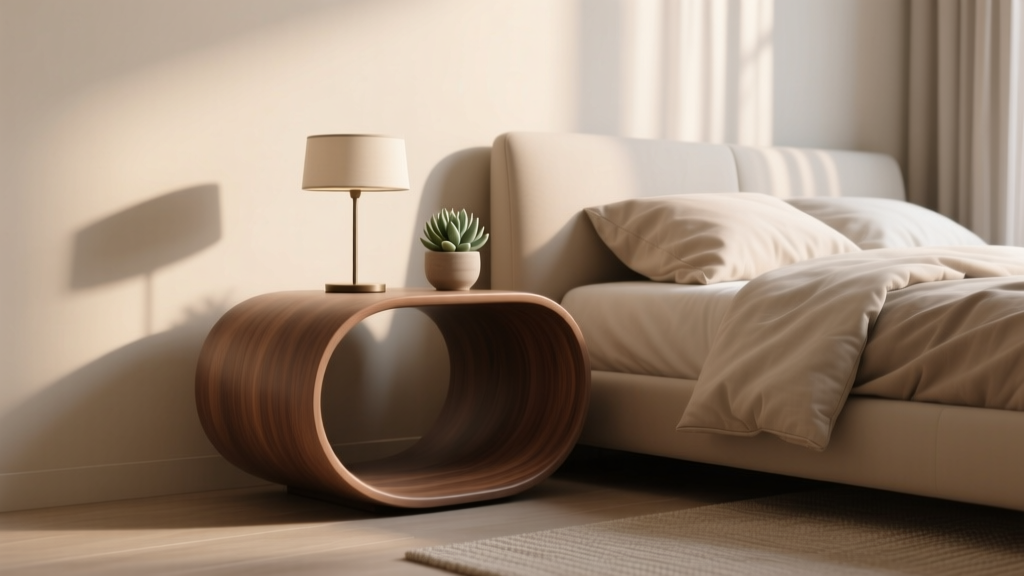 Bedroom Curved Nightstand Design Trend - The Decor Mag
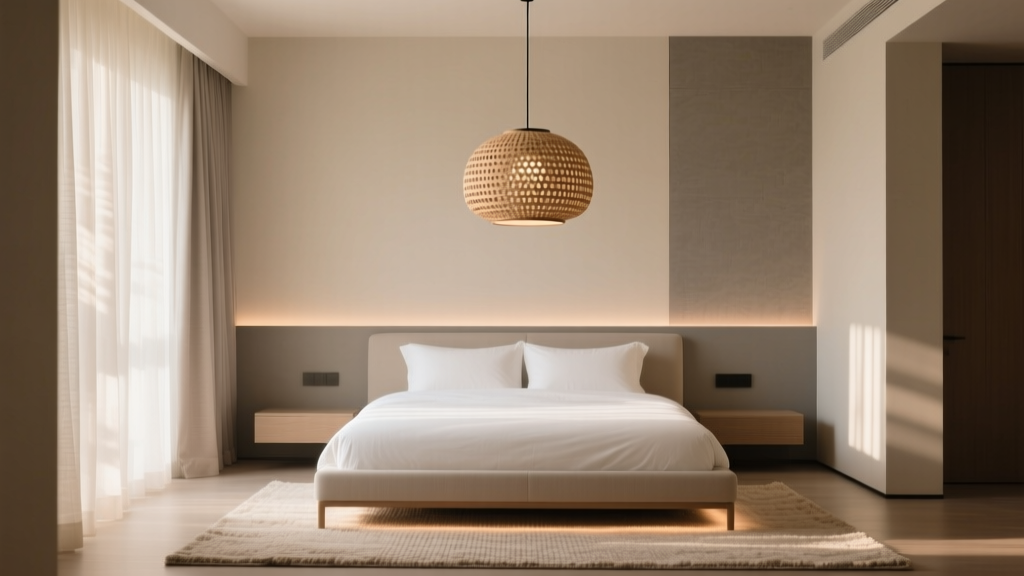 Bedroom Woven Pendant Light Ideas - The Decor Mag
 Bedroom Paint for Sleep Quality | The Decor Mag
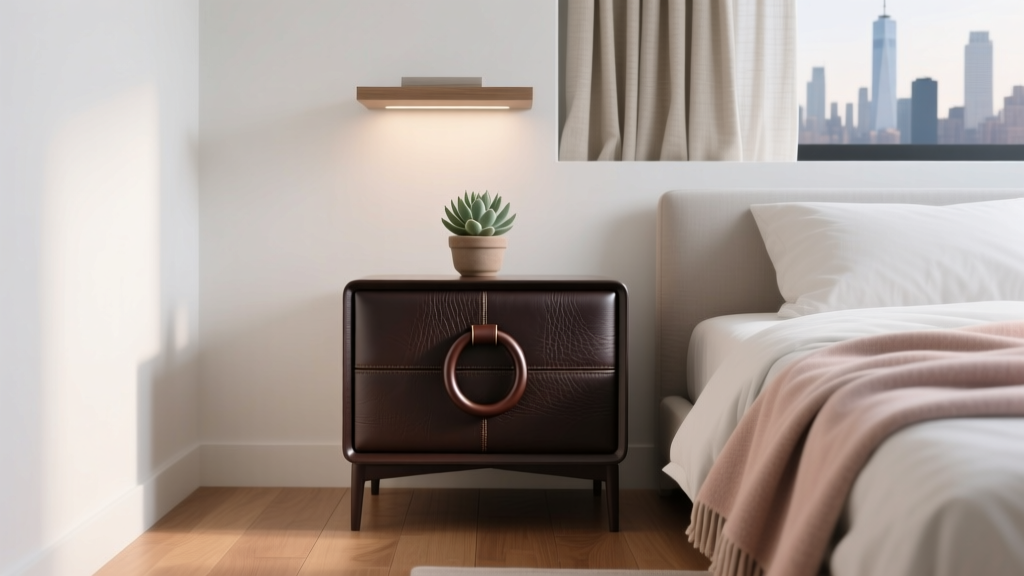 Bedroom Leather Pull Nightstand Handles - The Decor Mag
 Bedroom Warm Limewash Bedroom Walls - The Decor Mag
 Best Bedroom Sleep Tracking Device Spot - The Decor Mag
 How to Style a Bedroom with Layered Textiles - The Decor Mag