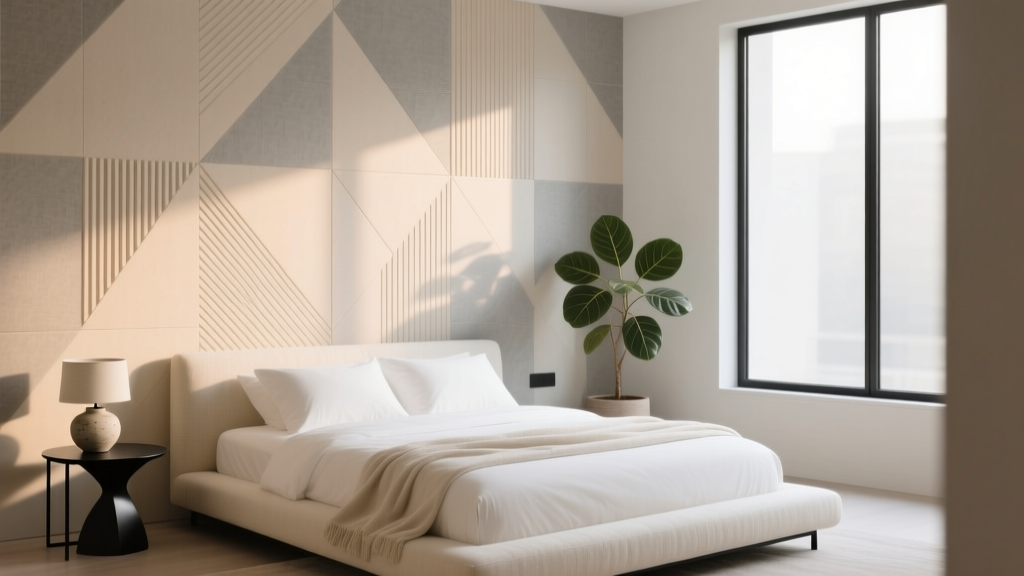
Bedroom Accent Wall Ideas - The Decor Mag
Your bedroom is more than a place to store clothes and recharge devices—it’s the space where your nervous system downshifts. The colors you see before sleep, the textures within arm’s reach, and the visual “noise” (or calm) in your line of sight all influence how quickly you relax. A thoughtfully designed accent wall can anchor the room, reduce cluttered energy, and support a more restorative sleep environment.
An accent wall works because it gives your eyes a single, intentional focal point. Instead of scanning multiple competing elements—busy art, mismatched furniture, harsh lighting—your brain gets a clear visual cue that the space is cohesive and safe. When you choose sleep-friendly colors, soft finishes, and gentle lighting, that accent wall becomes a wellness tool as much as a decor feature.
Below are practical bedroom accent wall ideas tailored for homeowners and renters alike, with budget ranges, material suggestions, and calming design moves that support better sleep quality.
Start Here: Choosing the Best Wall for Calm and Balance
In most bedrooms, the best accent wall is the wall behind the headboard. It frames the bed (the room’s purpose), looks intentional, and doesn’t compete with closets or windows. If your bed sits under a window, the next best choice is typically the wall you see first when you enter.
Quick checklist for picking your accent wall
- Choose the least “busy” wall: Fewer doors, vents, and switches create a cleaner look.
- Prioritize what you see from bed: Your last view at night should feel serene.
- Consider natural light: Dark colors can feel cozy in bright rooms and heavy in low-light rooms.
- Respect room proportions: Accent walls can visually widen, narrow, or “lower” a room depending on pattern and color.
Sleep-friendly layout note
If possible, avoid placing your bed directly in line with the door or too close to a high-traffic pathway. Even subtle movement and light changes can fragment sleep. Your accent wall can visually “ground” the bed in the best spot.
Paint Accent Walls: The Highest Impact, Lowest Commitment
Paint is the simplest way to transform your bedroom decor without adding bulk or dust-collecting textures. It’s also easy to adjust if you’re dialing in a calmer sleep environment.
Best bedroom accent wall colors for relaxation
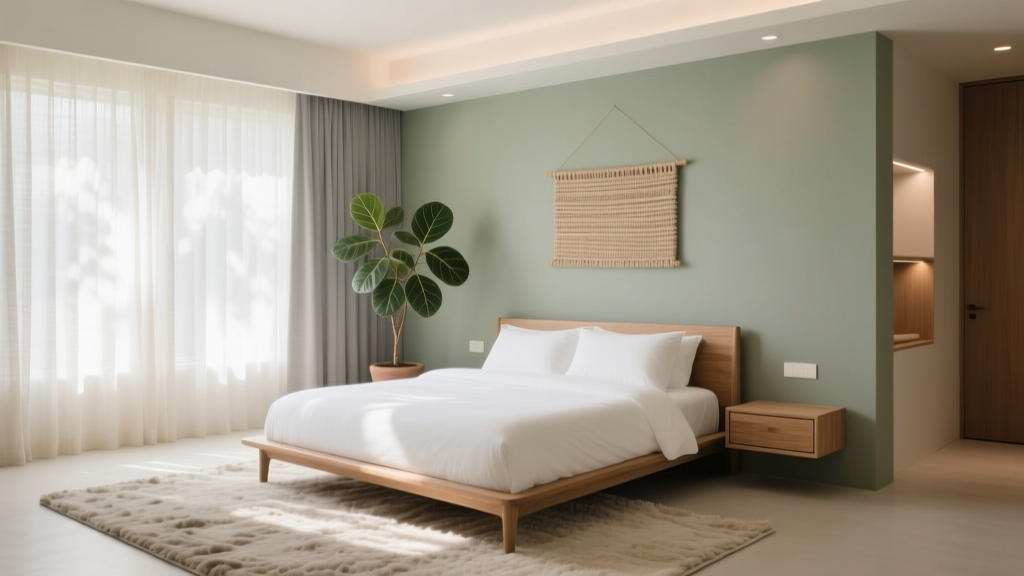
- Soft greens: sage, eucalyptus, olive-gray (pairs well with warm woods)
- Muted blues: dusty blue, slate, gray-blue (supports a cooler, quieter mood)
- Warm neutrals: mushroom, greige, sand, oatmeal (excellent for renters and minimalists)
- Deep cocoon tones: charcoal, deep navy, forest green (best in rooms with good daylight)
Finish matters for sleep and maintenance
- Matte or eggshell: reduces glare from lamps and morning sun; feels softer visually.
- Satin: easier to clean, but can reflect light—use only if your lighting is very warm and diffused.
Budget range
- $40–$120: paint + basic tools for one wall (DIY)
- $250–$600: professional painting for a single accent wall (varies by region)
Practical pairing recommendations
- Furniture: medium-tone oak or walnut nightstands; upholstered headboard in oatmeal, linen-look, or boucle.
- Bedding: solid cotton percale (cool and crisp) or linen (breathable, textured) in whites, warm taupes, or pale gray.
- Lighting: warm LED bulbs (2200K–2700K) in bedside lamps or plug-in sconces to avoid harsh glare on the accent wall.
Wallpaper Accent Walls: Pattern Without Chaos
Wallpaper can bring depth and personality, but the best bedroom accent wall ideas keep patterns quiet enough for rest. Look for low-contrast prints, watercolor effects, or subtle texture rather than high-energy geometrics.
Sleep-friendly wallpaper styles
- Textured grasscloth look: adds warmth and softness (choose wipeable versions for durability).
- Muted botanical prints: calming, nature-inspired, especially in soft greens and taupes.
- Abstract neutrals: gentle movement without “busy” detail.
- Micro-patterns: tiny repeats read as texture from a distance.
Best options for renters
- Peel-and-stick wallpaper: test a sample first; it performs best on smooth, clean walls.
- Wallpaper panels: frame panels behind the bed for a tailored look with less commitment.
Budget range
- $60–$250: peel-and-stick for one wall (small rooms or partial coverage)
- $250–$900: traditional wallpaper materials (depends on brand and roll coverage)
- $600–$1,800: professional installation (pattern matching adds labor)
Wellness tip
If you’re sensitive to visual stimulation, keep pattern contrast low. The wall should feel like a backdrop, not a spotlight.
Wood Slats and Paneling: Warmth, Texture, and Better Sound
Wood treatments are a favorite in modern bedroom design because they add warmth and reduce echo. A slatted accent wall behind the headboard can make the room feel quieter and more enveloping—both supportive for sleep quality.
Popular wood accent wall approaches
- Vertical slat wall: makes ceilings feel taller; looks modern and tidy.
- Board-and-batten: classic, calm structure; easy to paint in soft neutrals.
- Shiplap (horizontal): widens narrow rooms visually; keep seams subtle for a restful look.
- Half-wall paneling: adds depth without dominating; works well in small bedrooms.
Materials to look for
- MDF slat kits: budget-friendly, consistent finish (choose low-VOC paint or sealed surfaces).
- Real wood veneer panels: warmer and more natural; often higher cost but long-lasting.
- Acoustic slat panels: felt-backed slats can reduce reflections and noise (helpful in apartments).
Budget range
- $150–$500: DIY MDF or simple trim wall
- $400–$1,200: pre-made slat panels for one wall
- $1,000–$3,500+: custom carpentry or premium wood/veneer installs
Design pairings that feel restful
- Bed frame: low-profile platform bed in walnut, oak, or upholstered fabric.
- Rug: wool or wool-blend in a low pile to soften sound; size it so at least 18–24 inches extend beyond the sides of the bed.
- Window treatments: blackout curtains or layered drapery + roller shade to control light and support melatonin production.
Fabric and Upholstered Accent Walls: Hotel-Calm Comfort
For a truly cozy bedroom, fabric can create a soft visual and tactile experience. Upholstered accent panels behind the bed also absorb sound, which can be a game-changer for light sleepers.
Great fabric options
- Linen-look upholstery panels: relaxed, breathable, and timeless.
- Velvet (matte): rich, light-absorbing, and cocooning in deeper tones.
- Felt tiles: renter-friendly and naturally sound-dampening.
Budget range
- $80–$250: DIY felt or fabric tiles behind the headboard
- $250–$900: upholstered wall panel kits
- $1,500–$5,000+: custom upholstered wall with professional installation
Sleep wellness note
If allergies are a concern, choose low-shed fabrics and vacuum panels occasionally with a soft brush attachment. Keep humidity in the 40–50% range for comfort and to discourage dust mites.
Painted Arch or Color Block: A Soft Statement in Small Bedrooms
If you want an accent wall idea without committing to the entire wall, a painted arch behind the bed or a gentle color block can create a focal point that still feels minimalist.
How to make it look intentional
- Match the shape to your headboard width: the arch should be slightly wider than the bed.
- Use softened edges: consider a rounded rectangle rather than sharp angles for a calmer feel.
- Repeat the accent color twice: in a pillow, throw, or artwork so it feels balanced.
Budget range
- $25–$80: paint + painter’s tape (DIY)
Lighting the Accent Wall: The Secret to a Softer Bedroom Mood
Your accent wall will only feel as relaxing as the lighting around it. Bright overhead lights can make even the best bedroom decor feel clinical. Layered, warm lighting supports evening wind-down and reduces harsh contrast.
Sleep-friendly lighting plan
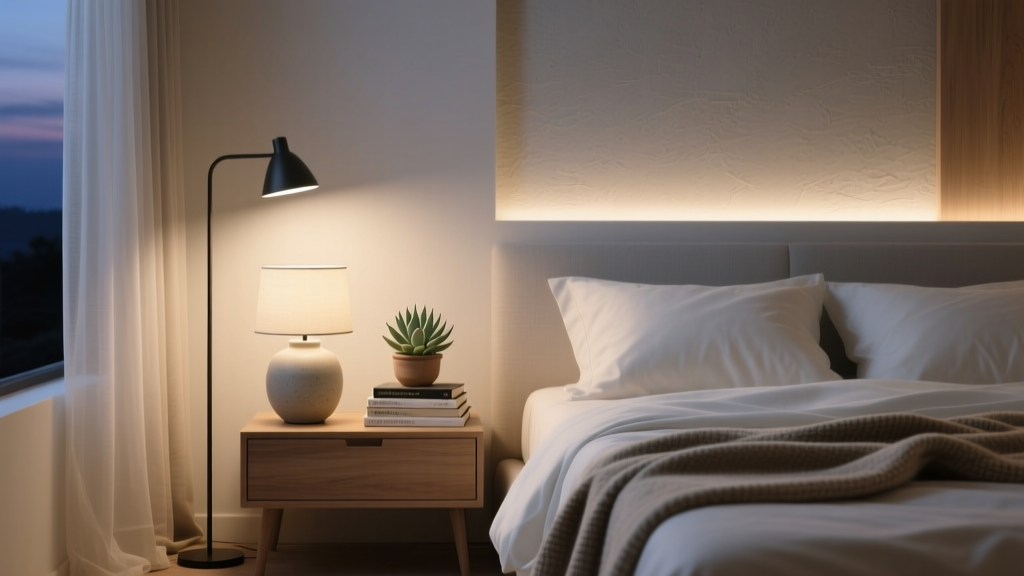
- Bedside lamps or wall sconces: choose shades that diffuse light (linen, frosted glass).
- Dimmable bulbs: warm LEDs at 2200K–2700K; dim to 10–30% in the last hour before bed.
- Indirect lighting: LED strip behind a headboard or on top of a picture ledge for a gentle glow (avoid visible dots).
- Limit blue-rich light: avoid cool white (4000K+) in the bedroom at night.
Budget range
- $30–$120: two warm bedside lamps or plug-in sconces
- $60–$200: dimmer switches or smart bulbs (great for renters if using bulbs)
Common Mistakes to Avoid (and What to Do Instead)
- Choosing high-contrast, busy patterns: they can feel energizing and visually loud at night.
Do instead: pick low-contrast designs and matte finishes that calm glare. - Using glossy paint on the accent wall: it reflects light and highlights wall imperfections.
Do instead: use matte or eggshell for a softer sleep environment. - Accent wall competing with clutter: too many decor items dilute the focal point.
Do instead: keep nightstands simple (lamp + book + small tray), and limit wall art to 1–2 pieces. - Ignoring scale: tiny art above a king bed or an oversized pattern in a small room can feel off.
Do instead: choose a headboard that fills 60–70% of the wall width and scale decor accordingly. - Overly bright overhead lighting: undermines the calming purpose of the bedroom.
Do instead: rely on layered lighting and warm bulbs to reduce nighttime stimulation.
Easy Styling Formula: Make the Accent Wall Feel Cohesive
If you’re unsure how to tie everything together, use this simple formula designed for a restful bedroom:
- One accent + two supporting neutrals: e.g., sage wall + warm white bedding + light oak furniture.
- Repeat materials: match wood tones across bed frame, nightstands, and picture frames.
- Add one soft texture: boucle pillow, linen duvet cover, or a wool throw.
- Keep surfaces calm: use a tray to corral essentials and hide charging cords when possible.
Suggested sleep-friendly shopping list (product types)
- Blackout curtains or layered shade + drapery for light control
- Warm dimmable bulbs (2200K–2700K) for evening relaxation
- Breathable bedding: cotton percale for hot sleepers; linen for year-round comfort
- Supportive pillows based on sleep position (side sleepers often need higher loft)
- Low-VOC paint for better indoor air quality, especially in smaller bedrooms
FAQ: Bedroom Accent Wall Ideas
What is the best wall to use as a bedroom accent wall?
The wall behind the bed is usually the best choice because it frames the headboard and creates a clear focal point. If that wall has a window or feels too busy, choose the first wall you see when entering the room.
Are dark accent walls bad for sleep?
Not necessarily. Deep navy, charcoal, and forest green can feel cocooning and restful, especially with warm lighting and lighter bedding for balance. In very small or dim rooms, go for mid-tone muted colors to avoid a heavy feel.
What are renter-friendly accent wall ideas?
Peel-and-stick wallpaper, removable decals, fabric or felt tile panels, and a painted arch (if painting is allowed) are all renter-friendly. Always test a small area first and keep documentation for move-out.
How do I make an accent wall look expensive on a budget?
Use matte paint, keep the palette tight (one accent + neutrals), upgrade lighting to warm and dimmable, and add one intentional “statement” piece—like a larger headboard, a pair of matching sconces, or a simple wood picture ledge.
Can an accent wall help with noise and sleep quality?
Yes. Slatted acoustic panels, upholstered panels, rugs, curtains, and soft bedding layers can reduce echo and soften sound reflections. While they won’t replace true soundproofing, they can make the bedroom noticeably quieter and more conducive to sleep.
How long should I wait to sleep in a freshly painted bedroom?
Use low-VOC paint when possible and ventilate well. Many people feel comfortable sleeping in the room after 24–48 hours with windows open and fans circulating air, but follow the paint manufacturer’s guidance and trust your sensitivity level.
Next Steps: A Calm Plan You Can Do This Weekend
- Pick your wall: ideally behind the headboard for a grounded focal point.
- Choose a calming color or texture: start with paint if you want the simplest update.
- Adjust lighting: switch to warm, dimmable bulbs and add bedside lamps or sconces.
- Balance with bedding: breathable, solid-color textiles reduce visual noise and support comfort.
- Declutter the sightline: keep the area around the bed clear so your brain reads “rest.”
Your bedroom accent wall should feel like an exhale—quietly beautiful, supportive of your sleep environment, and easy to live with. For more calming bedroom design ideas and wellness-forward decor tips, explore the latest guides on thedecormag.com.
More Articles
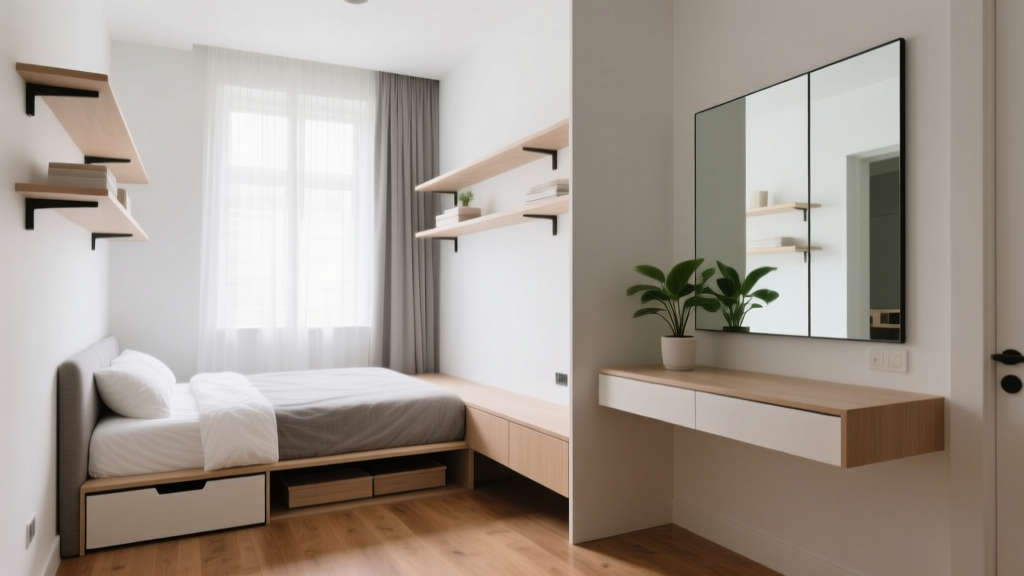 Small Bedroom Layout Hacks for Apartments (2026)
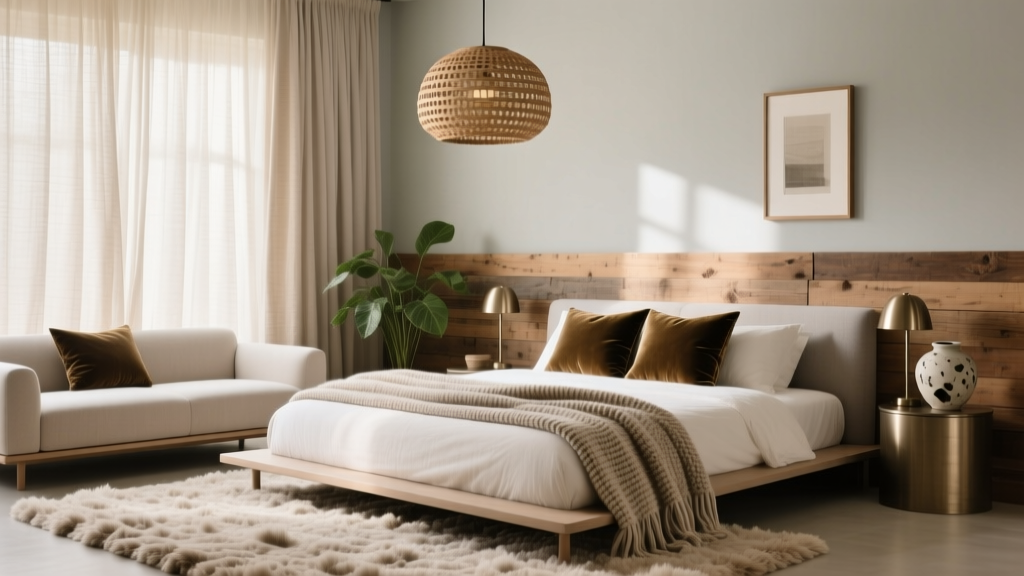 How to Incorporate Texture in Bedroom Decor - The Decor Mag
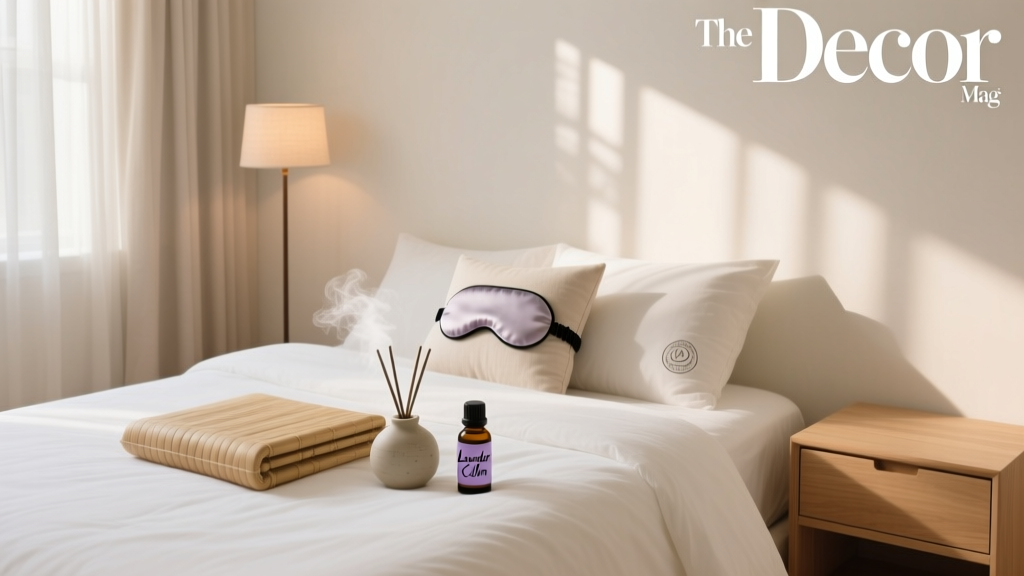 Best Bedroom Sleep Hygiene Essentials - The Decor Mag
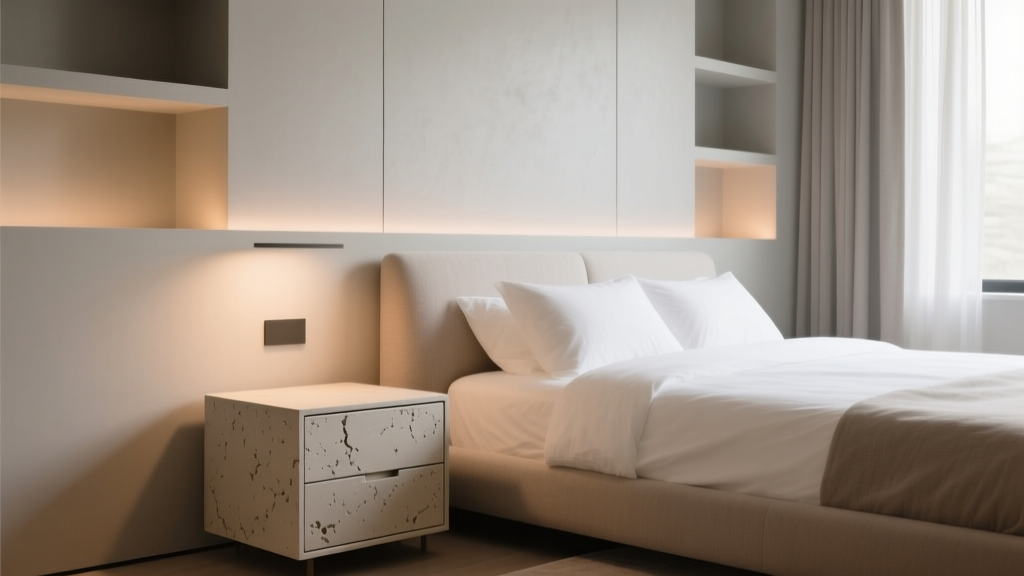 Bedroom Warm Plaster Nightstand Finish - The Decor Mag
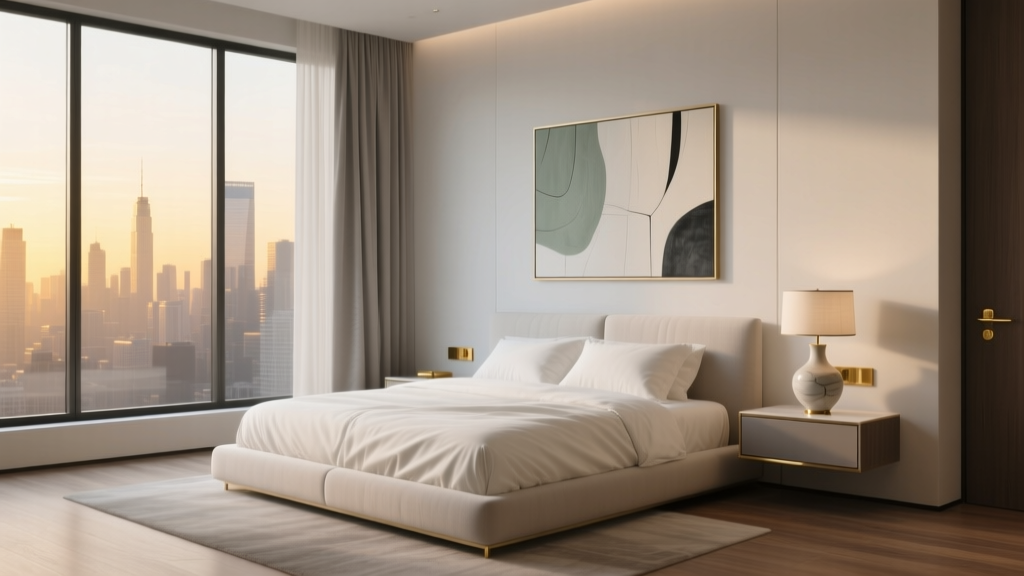 Luxury Bedroom Design Trends - The Decor Mag
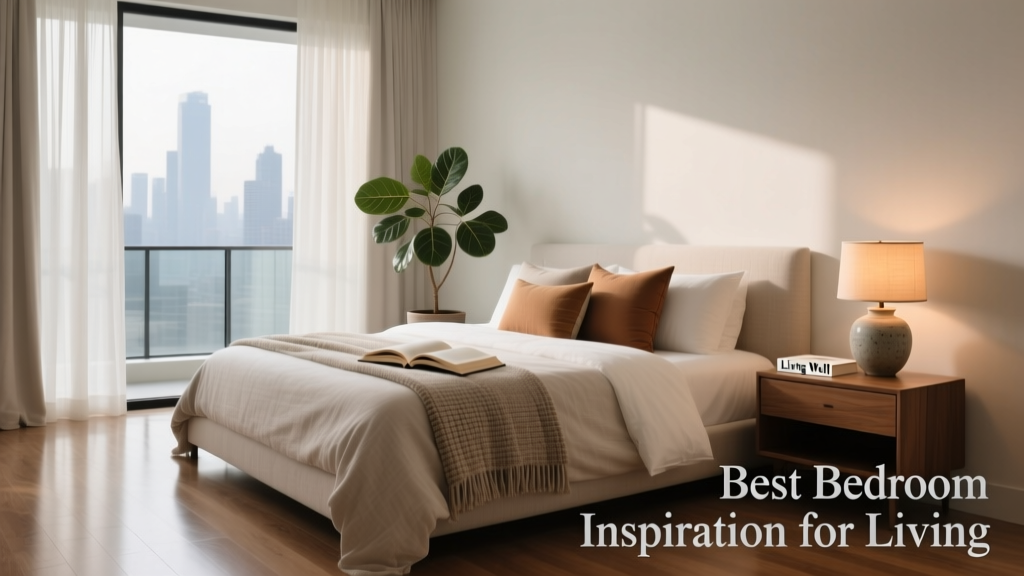 Best Bedroom Inspiration for Living: Designing a Space That Supports Rest, Connection, and Daily Well-Being
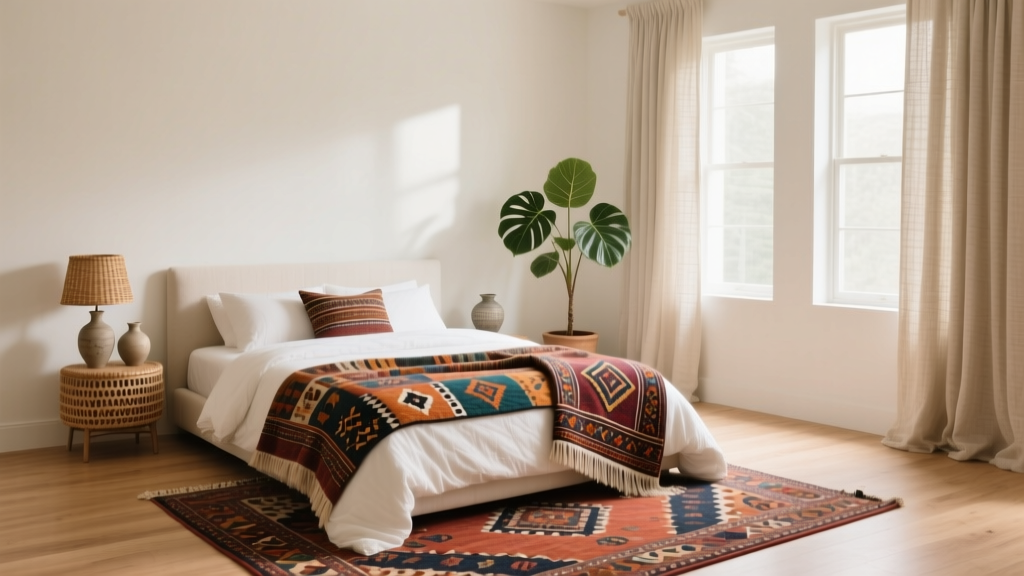 Global Textiles in Bedrooms: Styling Ideas (2026)
 How to Create a Bedroom Sanctuary - The Decor Mag
 Best Bedroom Nighttime Routine Essentials - The Decor Mag
 Best Bedroom Wind Down Ritual Items - The Decor Mag