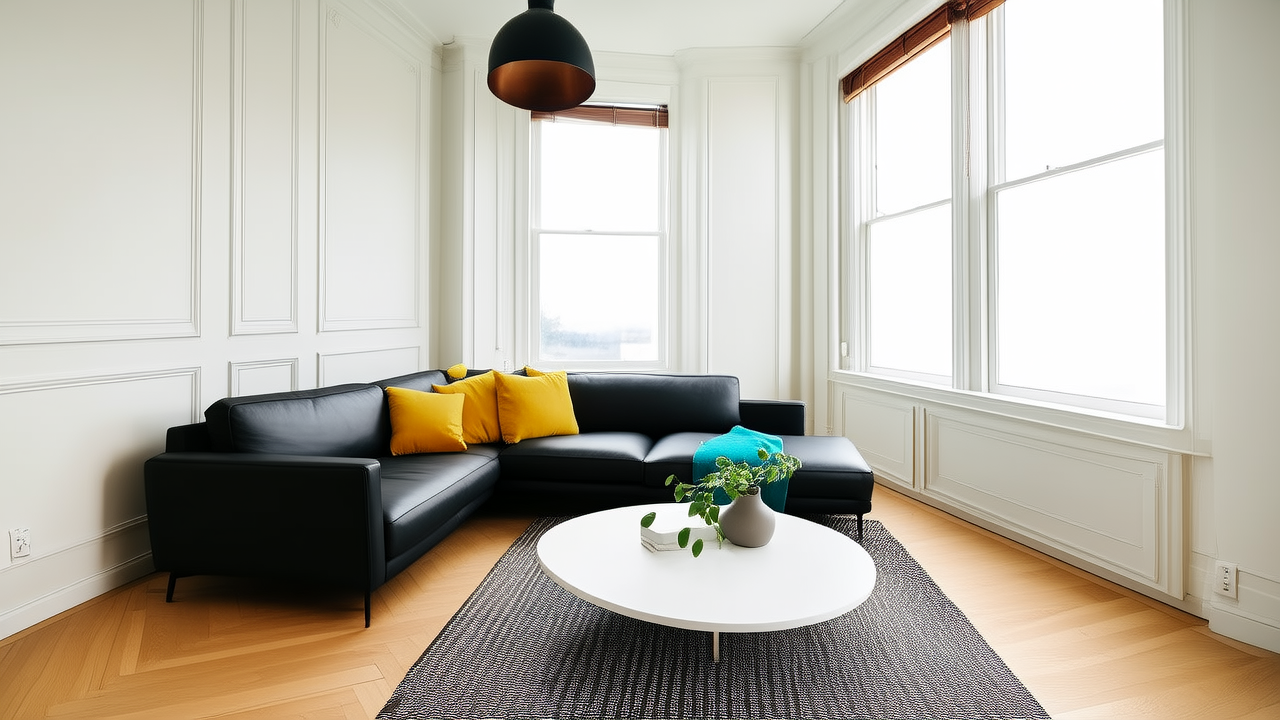
Bedroom Lighting for Better Sleep
Light and Sleep: The Science
Your circadian rhythm is deeply influenced by light exposure. Bright, blue-rich light in the evening suppresses melatonin production, making it harder to fall asleep. As we age, our eyes become more sensitive to light disruption, making bedroom lighting choices even more important.
Color Temperature Matters
Light color temperature is measured in Kelvins. Daylight is around 5000K—bright and blue. Evening light should be 2700K or lower—warm and amber. This mimics the natural transition from daylight to sunset and signals your brain to produce melatonin.
Smart Bulb Strategy
Smart bulbs that shift color temperature throughout the day are ideal for bedrooms. Set them to bright white (4000K) during morning hours and transition to warm amber (2200K) after sunset. Many systems automate this based on time of day.
Layered Lighting Design
A well-lit bedroom uses three layers: ambient (overall illumination), task (reading, dressing), and accent (decorative). Each layer should be independently controlled so you can reduce light gradually as bedtime approaches.
Ambient Lighting
Flush-mount or semi-flush ceiling fixtures provide general light. Install a dimmer switch—this single upgrade gives you complete control over brightness. For evening use, dim to 20-30 percent of maximum.
Reading Light Without Sleep Disruption
Bedside reading lights should be warm-toned and directed. Swing-arm wall lamps focus light on your book without illuminating the whole room. Choose shades that block upward light spill. Red or amber reading lights are the least disruptive to sleep.
Partner Considerations
When sharing a bed, use individual reading lights with narrow beams. This lets one person read while the other sleeps undisturbed. Clip-on book lights or small directional sconces work well for this purpose.
Nighttime Navigation
Motion-activated night lights in hallways and bathrooms prevent the need for bright overhead lights during nighttime trips. Choose warm amber night lights—they provide enough illumination for safe navigation without triggering wakefulness.
Blackout and Light Control
External light sources—street lamps, car headlights, early sunrise—disrupt sleep. Blackout curtains or cellular shades block external light completely. For existing window treatments, add a blackout liner behind decorative curtains.
Better Light, Better Sleep
Bedroom lighting is one of the most overlooked factors in sleep quality. Warm color temperatures, layered control, and smart dimming create an environment that supports natural sleep cycles at every stage of life.
More Articles
 Room Kitchen Essentials: Human-Centered Compact Design 2026
 Best Bedroom Dream Journal Setup - The Decor Mag
 Best Bedroom Meditation Corner Setup - The Decor Mag
 Bedroom Lighting to Reduce Fall Risk at Night
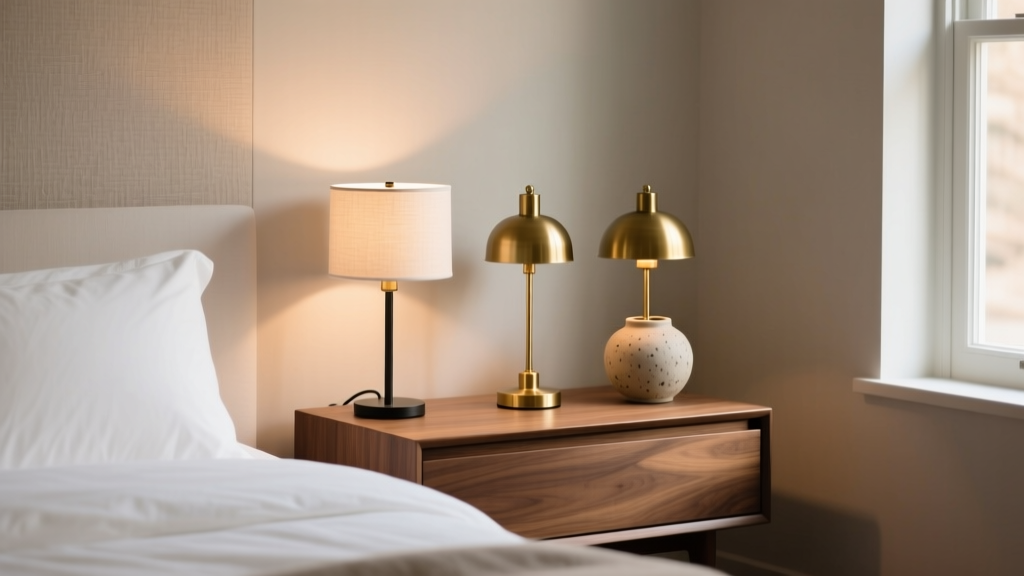 Best Bedroom Lamp Styles for Nightstands - The Decor Mag
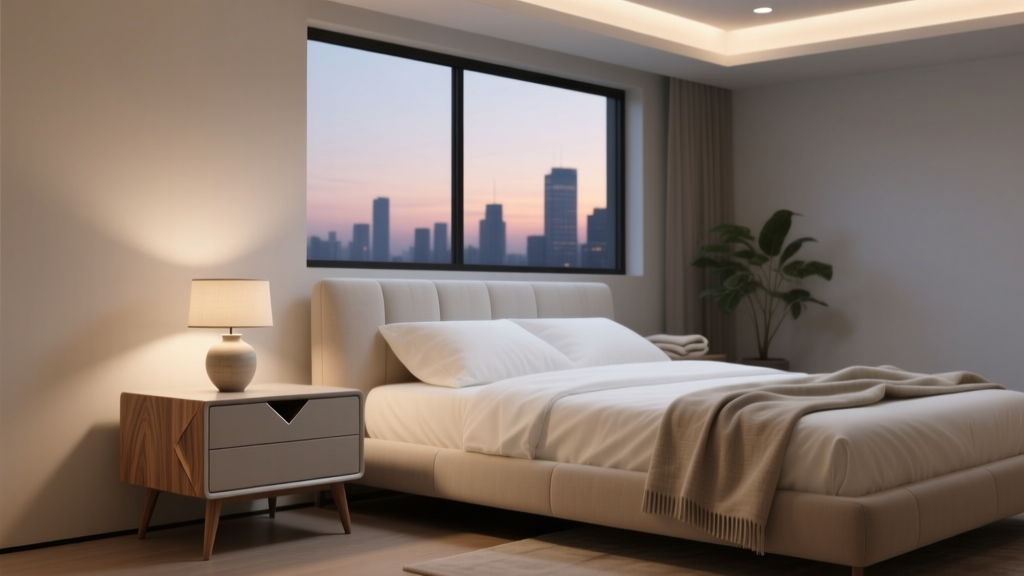 How to Choose Bedroom Nightstand Height - The Decor Mag
 Best Bedroom Perfume Collection Display - The Decor Mag
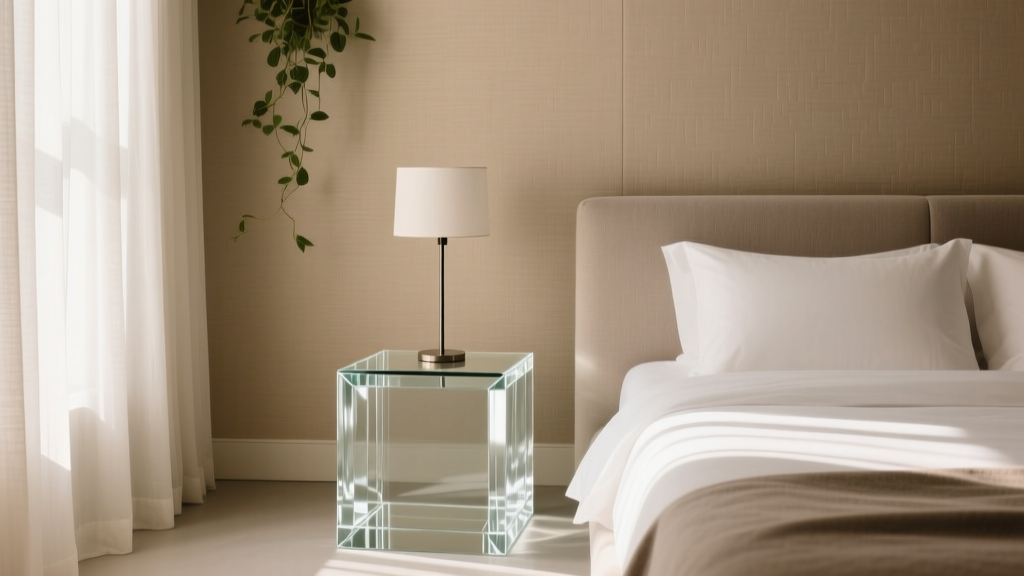 Best Bedroom Water Glass Bedside - The Decor Mag
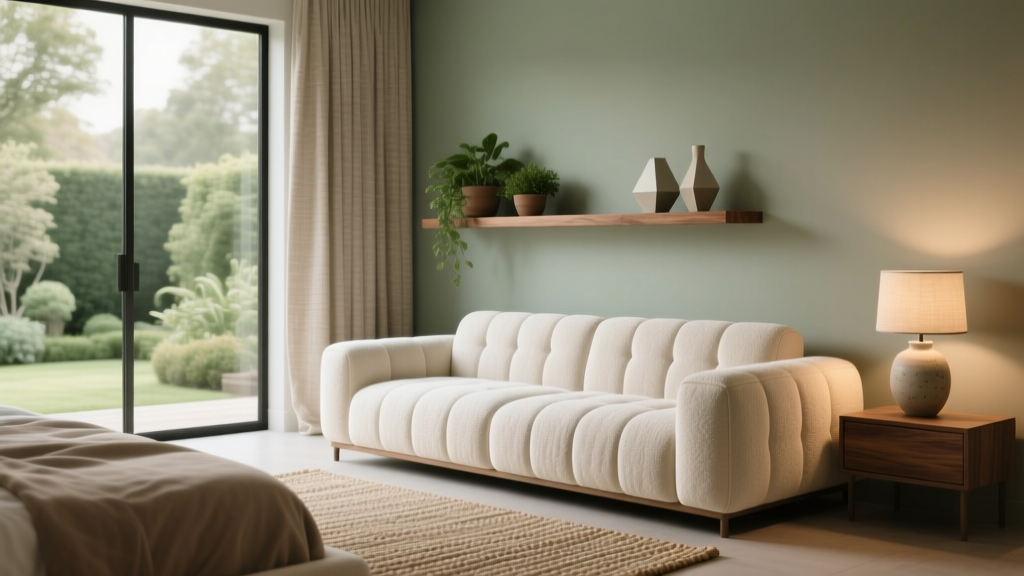 Bedroom Boucle Fabric Furniture Trend - The Decor Mag
 How to Choose Bedroom Mattress Firmness - The Decor Mag