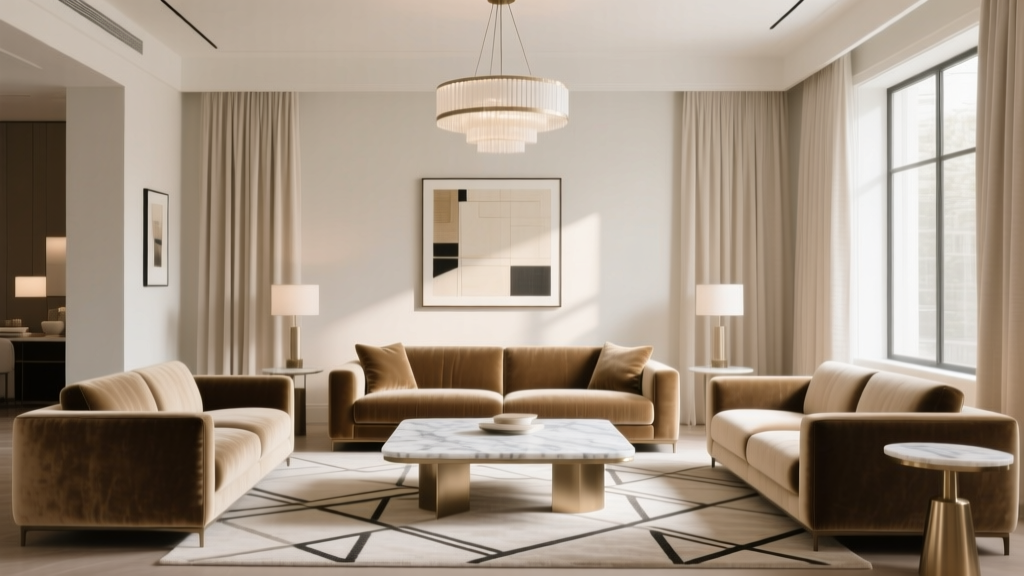
How to Create a Formal Living Room - The Decor Mag
A formal living room can feel like a luxury—an intentional space that looks polished, welcomes guests, and elevates the whole home. But “formal” doesn’t have to mean stiff, outdated, or off-limits to everyday life. With the right layout, materials, and styling, you can create a room that feels refined and comfortable at the same time.
This guide walks you through how to design a formal living room step by step: choosing a cohesive style, planning a balanced layout, selecting classic furniture silhouettes, and layering lighting, textiles, and décor. You’ll also find practical measurements, budget ranges, real-world scenarios for renters and homeowners, plus common mistakes that can make a space feel awkward or overly precious.
Whether you’re refreshing an underused “front room” or upgrading your main lounge into something more elevated, these formal living room ideas will help you get the look—without losing warmth.
What Makes a Living Room “Formal”?
A formal living room typically has a more structured layout and a curated, symmetrical feel. Think: quality upholstery, intentional negative space, coordinated colors, and decorative details that read classic and considered.
Signature elements of formal living room decor
- Defined seating arrangement (often centered around a focal point like a fireplace)
- Symmetry and balance (matching lamps, paired chairs, aligned artwork)
- Elevated materials such as wool, velvet, leather, linen, silk blends, marble, and brass
- Layered lighting (ceiling fixture + table/floor lamps + accent lighting)
- Thoughtful styling with fewer, higher-impact pieces
Step 1: Choose a Formal Style Direction (So Everything Looks Intentional)
Formal rooms look best when they commit to a cohesive design story. Start with one of these timeless (and trend-friendly) directions, then select furniture and finishes that support it.
Popular formal living room styles right now
- Modern Traditional: classic shapes with cleaner lines, warm neutrals, curated antiques
- Transitional: a balanced mix of traditional and contemporary—great for most homes
- Classic European: ornate details, rich woods, layered drapery, elegant lighting
- Quiet Luxury (current trend): tonal palettes, plush textures, minimal clutter, investment pieces
- Art Deco Revival: curved silhouettes, glossy woods, brass, sculptural lighting
Quick tip: Choose a “lead” finish and a “supporting” finish for metals. For example, brushed brass + polished nickel, or antique bronze + black. This keeps formal living room decor consistent without feeling matchy.
Step 2: Plan a Balanced Layout (With Measurements That Work)
A formal living room layout feels composed. Before buying anything, map the room’s focal point and traffic paths. Common focal points include a fireplace, a picture window, built-in shelves, or a media wall (yes, a TV can work in a formal space—it just needs to be integrated thoughtfully).
Go-to layout rules for a formal living room
- Keep walkways clear: aim for 30–36 inches for main pathways.
- Anchor with a properly sized rug: front legs of all seating should sit on the rug; ideally all legs do.
- Create conversation distance: keep seating 6–10 feet apart for comfortable chatting.
- Leave breathing room: allow 16–18 inches between the coffee table and sofa.
Rug sizing cheat sheet (for a formal look)
- Small room: 8' x 10' often works (ensure front legs of furniture are on it).
- Medium room: 9' x 12' creates a more luxurious, formal foundation.
- Large room: 10' x 14' (or larger) prevents a “floating furniture” look.
Formal seating arrangements that always read polished
- Classic symmetry: Sofa facing two armchairs, matching end tables, matching lamps.
- Double sofa: Two sofas facing each other with a rectangular coffee table (excellent for entertaining).
- U-shape: Sofa + two chairs + an accent bench or settee for extra elegance.
Step 3: Invest in Key Furniture Pieces (Quality Over Quantity)
A formal living room doesn’t need more furniture—it needs the right furniture. Prioritize solid frames, tailored upholstery, and classic silhouettes. If you’re working with a tighter budget, focus spending on one hero piece (often the sofa), then save on accents.
The essentials for a formal living room
- Sofa: Look for structured arms (track, English roll arm, or gently sloped) and seat depth around 21–24 inches for an upright, formal sit.
- Armchairs: Two matching chairs read most formal; swivel chairs add function while staying elegant.
- Coffee table: Wood, stone, or glass with refined details. Ideal height: 16–18 inches (close to seat height).
- Side tables: Height should be within 2 inches of the sofa arm for convenience.
- Console table: Great behind a floating sofa or along an entry wall for a gallery-like feel.
Material recommendations that instantly elevate
- Upholstery: performance velvet, linen blends, top-grain leather, wool blends
- Casegoods: walnut, oak, lacquered wood, marble or quartz tops, brass accents
- Hardware/metal finishes: aged brass, polished nickel, antique bronze, iron
Budget ranges (realistic guidelines)
- Starter formal refresh: $500–$1,500 (rug + lighting + curtains + styling)
- Mid-range update: $2,000–$6,000 (sofa + rug + two chairs or upgraded lighting)
- High-end transformation: $7,000–$20,000+ (custom upholstery, premium rugs, millwork, designer lighting)
Step 4: Layer Lighting Like a Designer
Lighting is one of the fastest ways to make a living room feel formal. You want a mix of ambient, task, and accent lighting—each on dimmers if possible.
A simple lighting plan that works in most rooms
- Ceiling fixture: chandelier, lantern pendant, or statement semi-flush (scale it to the room).
- Table lamps: use a matching pair on end tables for symmetry and a classic look.
- Floor lamp: add near a reading chair for function.
- Accent lighting: picture lights, LED for shelves, or a small lamp on a console.
Size guidance for a statement chandelier
- Add room length (ft) + room width (ft) = ideal fixture diameter (inches). Example: 12' + 14' = 26" chandelier.
- Hang so the bottom of the fixture is 7 feet from the floor in open areas (higher for tall ceilings).
Step 5: Use Color and Pattern with Restraint (But Don’t Be Afraid of Depth)
Formal living room design often leans on sophisticated palettes—creamy whites, warm taupes, charcoal, navy, forest green, and layered neutrals. Current trends also favor tonal rooms (multiple shades of one color) and moody paint choices for a cocooning, upscale feel.
Easy formal color schemes
- Warm neutral: ivory + camel + walnut + aged brass
- Classic contrast: white walls + black accents + tailored patterns
- Traditional elegance: soft greige + navy + polished nickel
- Moody modern formal: deep green walls + cream upholstery + antique bronze
Pattern rules that keep the room refined
- Pick one hero pattern (rug or drapery), then support it with smaller-scale patterns.
- Use the 60/30/10 approach: 60% main color, 30% secondary, 10% accent.
- Mix patterns by scale: one large, one medium, one small.
Step 6: Dress the Windows (This Is Where “Formal” Happens Fast)
If you want the room to look finished, prioritize window treatments. Curtains add softness, height, and architectural presence—especially in a formal space.
Designer-approved curtain guidelines
- Hang high: place the rod 4–8 inches above the window frame, or just below crown molding.
- Go wide: extend the rod 8–12 inches beyond each side of the window so panels can stack off the glass.
- Choose length: for a formal look, panels should kiss the floor or puddle 1–2 inches.
- Fullness matters: total curtain width should be 2x the window width (minimum 1.5x for budget).
Best materials for formal drapery
- Linen blends: tailored but relaxed, great for transitional rooms
- Velvet: luxurious, adds depth and sound absorption
- Silk blends: classic formal sheen (use linings to protect from sun)
Step 7: Add Architectural Details (Even If You’re Renting)
Formal rooms often feel “built-in.” If your space lacks architectural character, you can add it—sometimes without permanent changes.
High-impact upgrades for homeowners
- Crown molding or picture-frame molding for a traditional look
- Wainscoting (especially in dining/living combos) for instant formality
- Built-in shelving or a fireplace surround upgrade
Renter-friendly ways to get the same effect
- Peel-and-stick wall molding (painted to match the wall for subtle sophistication)
- Removable wallpaper in a refined pattern (grasscloth look, damask, or tonal stripe)
- Large-scale art to mimic architectural presence
Step 8: Style Like a Curator (Not a Collector)
Formal living room decor looks intentional when every surface has breathing room. Aim for fewer pieces with more visual weight: a large mirror instead of five small frames, a substantial vase instead of scattered trinkets.
Styling formula for a formal coffee table
- One tray (wood, brass, or lacquer) to corral items
- One stack of books (2–3) with cohesive covers
- One sculptural object (stone, ceramic, or metal)
- One organic element (fresh flowers, branch arrangement, or plant)
Artwork and mirror placement tips
- Hang art so the center is around 57–60 inches from the floor (gallery standard).
- Over a sofa, choose art that’s roughly 2/3 the sofa width.
- Use a mirror opposite a window to bounce light and add a formal “finished” feel.
Real-World Examples: How This Looks in Everyday Homes
Scenario 1: The “front room” that feels unused
You have a living room near the entry that’s rarely used. The solution: build a conversation-focused layout rather than a TV-first room.
- Place a 84–96 inch sofa facing two matching chairs.
- Add a 9' x 12' wool rug to ground the arrangement.
- Install a chandelier on a dimmer and add a pair of table lamps.
- Finish with full-height curtains and one large piece of art over the mantel or console.
Scenario 2: A small apartment living room that needs to look elevated
In a compact space, formal is about tailored pieces and strong scale control.
- Choose a sofa with slim arms and structured upholstery (avoid overstuffed styles).
- Use a round coffee table (30–36") to improve traffic flow.
- Hang curtains near the ceiling to make the room feel taller.
- Pick one statement rug and keep the palette tonal for a quiet luxury vibe.
Scenario 3: A family living room that still feels formal
Formality and kid-friendly can coexist with the right materials.
- Select performance fabric (Crypton, treated linen blends, performance velvet).
- Choose a patterned rug that disguises wear (vintage-style, subtle Persian, or tonal geometric).
- Use closed storage (a credenza or cabinet) to hide toys and extras quickly.
Product Recommendations Worth Considering
These categories tend to deliver the biggest “formal living room” payoff:
- Wool or wool-blend rug (8' x 10' or 9' x 12'): $400–$2,500 depending on weave and brand
- Tailored curtain panels with lining: $150–$800 per window (more for custom)
- Statement ceiling light (lantern, chandelier, semi-flush): $200–$2,000+
- Matching table lamps with linen shades: $150–$600 each
- Large framed art or oversized mirror: $150–$1,500+
Common Mistakes to Avoid
- Furniture pushed against the walls: Pull pieces inward to create a conversation zone and a more intentional layout.
- Rug too small: A small rug makes even expensive furniture look underscaled and casual.
- Only one light source: Relying on overhead lighting alone flattens the space.
- Too many tiny decor items: This reads cluttered instead of curated. Use fewer, larger pieces.
- Ignoring window treatments: Bare windows often make a room feel unfinished—especially in formal design.
- Overly matchy sets: Formal doesn’t mean identical everything. Aim for coordinated, not showroom.
FAQ: Formal Living Room Design
Can a formal living room still feel cozy?
Yes. Use warm lighting (2700K bulbs), layered textiles (wool rug, velvet or linen pillows), and comfortable seat depth (around 21–24"). Formal is more about structure and polish than sacrificing comfort.
How do I make a formal living room with a TV?
Keep the TV secondary: mount it within built-ins, use a frame-style TV, or balance the wall with sconces and substantial cabinetry. A tailored media console and symmetrical styling help it blend with formal living room decor.
What’s the best paint finish for a formal living room?
For most walls, eggshell is a safe, refined choice. If your walls are in excellent condition, matte can look very luxe. Use semi-gloss on trim to highlight architectural details.
Which sofa style looks most formal?
Look for a structured silhouette: track arms, English roll arms, or tight back cushions. Avoid overly slouchy profiles if you want a classic formal living room look.
What are easy upgrades that make the biggest difference fast?
A properly sized rug, full-length curtains hung high and wide, a pair of matching lamps, and one large piece of art can transform a room within a weekend—often in the $500–$1,500 range.
Your Next Steps: A Simple Plan for This Weekend
- Measure your room, seating area, and windows (write down rug and curtain sizes you need).
- Define the focal point and choose a symmetrical or balanced layout.
- Upgrade one anchor: a larger rug, a tailored sofa, or elevated lighting.
- Finish with textiles: curtains, pillows, and a throw in elevated materials.
- Edit and style: remove clutter, then add a few substantial decor pieces.
A formal living room is less about following strict rules and more about creating a space that feels intentional, welcoming, and beautifully put together. With smart measurements, elevated materials, and a curated approach, you can make your living room feel timeless—whether you own your home or rent it.
Looking for more living room design and decor inspiration? Explore more ideas, layouts, and style guides on thedecormag.com.
More Articles
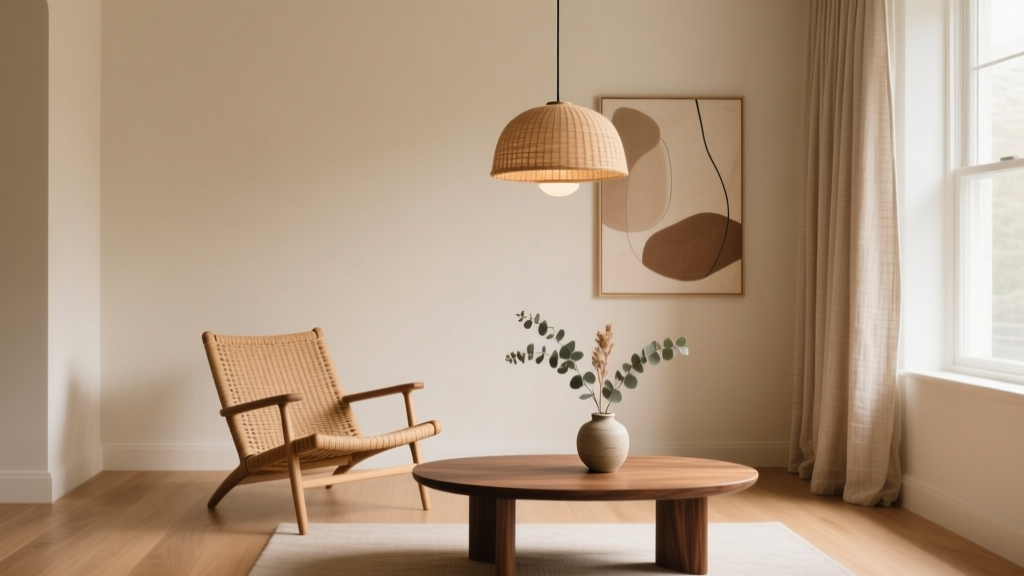 Living Room Warm Minimalist Approach - The Decor Mag
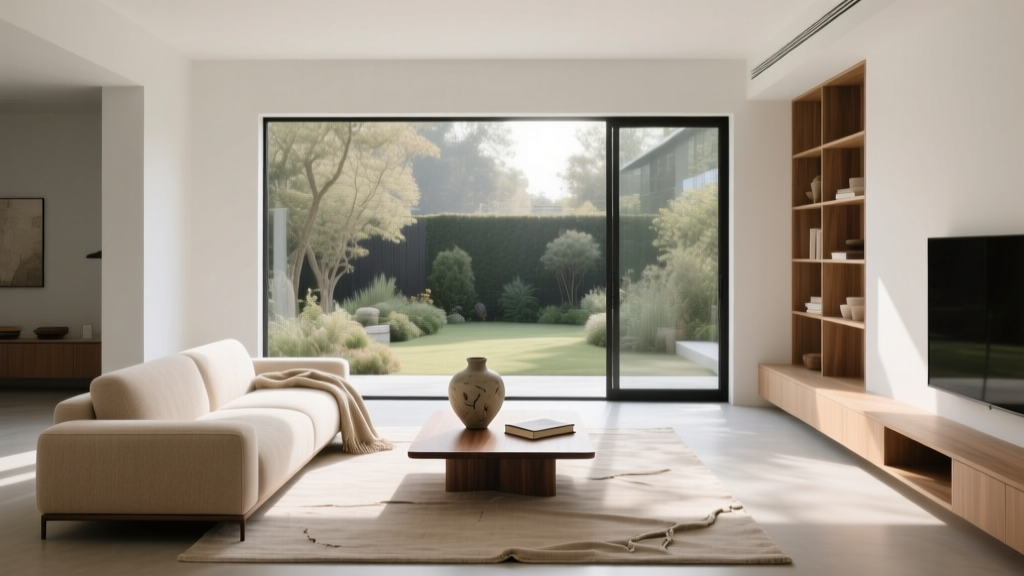 Modern Minimalist Living Room Ideas for 2026 - The Decor Mag
 Best Outdoor Furniture for Modern Living Spaces 2026
 Warm, Budget-Friendly Living Spaces in 2026
 Palette vs Paint: Color Systems vs Surface Finishes 2026
 Sofa for Small Spaces: Best Picks (2026)
 How to Style a Round Coffee Table - The Decor Mag
 Living Room Color Guide: Science-Backed Picks for 2026
 Leather Furniture for Living Rooms (2026)
 Best Console Styling for Behind Couch - The Decor Mag