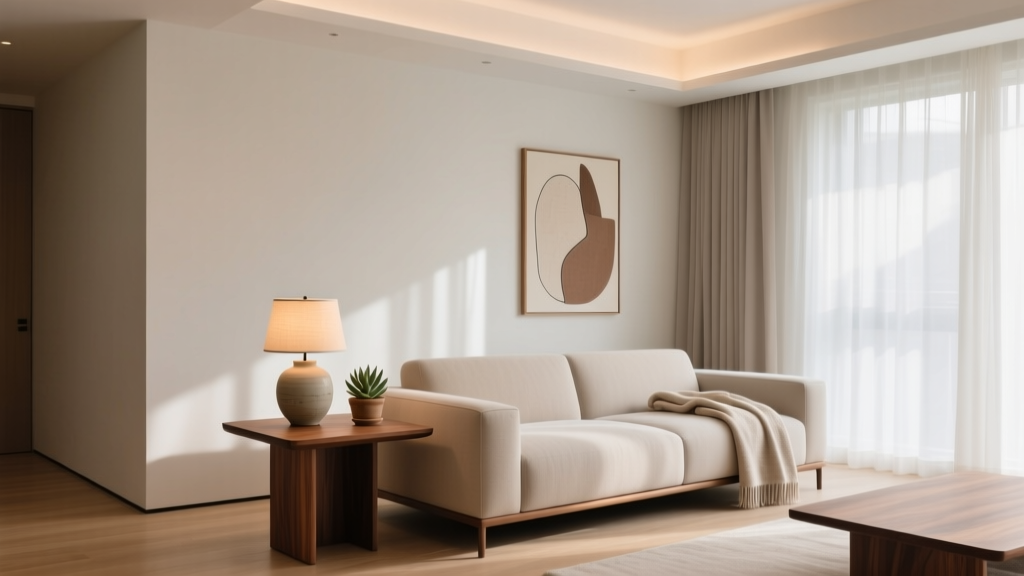
Best Side Table Height Next to Sofa Arm - The Decor Mag
A side table seems like a small decision—until you live with the wrong one. Too low, and you’re constantly bending to reach your coffee. Too high, and it crowds your sofa arm, blocks sightlines, and looks oddly out of scale. The “right” side table height is the sweet spot where comfort, function, and living room style meet.
This guide breaks down the best side table height next to a sofa arm using designer-approved measurements, real-life room scenarios, and practical shopping tips. You’ll learn how to measure your sofa (and your seating posture), what to do when your sofa arms are unusually low or high, and how to choose shapes and materials that feel both current and timeless.
Whether you’re furnishing a first apartment, upgrading a family room, or styling a small living room for better flow, getting this detail right will instantly make your space feel more intentional—and more enjoyable to use every day.
The Ideal Side Table Height Next to a Sofa (The Simple Rule)
Best overall rule: Choose a side table that is within 0–2 inches of your sofa arm height, measured from the floor to the top of the arm.
- Best match: Side table top is level with the sofa arm (most comfortable for drinks and remotes).
- Slightly higher (up to 2 inches): Often looks polished and feels convenient, especially with thicker sofa arms.
- Slightly lower (up to 2 inches): Works when you want a more relaxed look, or if your sofa arm is high.
This guideline creates a clean visual line and keeps essentials within easy reach—one of the most overlooked elements of functional living room design.
Standard Measurements You’ll See Most Often
Most sofas have arm heights between 22 and 26 inches. Many “standard” side tables fall in the 22 to 24 inch range, which is why they work in so many living rooms.
- Typical sofa arm height: 22–26 inches
- Typical side table height: 22–24 inches
- Taller side table styles (often for reading): 25–28 inches
If you’re shopping online, look for terms like “end table,” “sofa side table,” “accent table,” or “drink table”—but always verify the exact height in the specs.
How to Measure the Right Side Table Height (Step-by-Step)
Before you add anything to cart, take five minutes to measure. It can save you weeks of frustration (and return shipping).
- Measure your sofa arm height: From floor to the top of the arm at its highest point.
- Measure your seat height: From floor to the top of the cushion where you actually sit.
- Consider your routine: Do you eat on the sofa, work on a laptop, or mostly use the table for décor?
- Choose a height within 0–2 inches: Aim to match the arm height first; adjust based on how you use the space.
A Quick “Comfort Check” Test
Sit on your sofa and mimic placing a mug down next to you. Your hand should land naturally without your shoulder lifting or your torso leaning. If it feels like a reach or a dip, the table height is off.
Choosing Height Based on Sofa Style (Real-World Scenarios)
Not all sofas are built the same. Arm height, arm width, and cushion depth all change what looks balanced and what feels easy to use.
1) Modern Low-Arm or Track-Arm Sofas
Low, streamlined arms are popular in contemporary living rooms and small-space designs. These sofas often look best with a table that’s slightly higher than the arm—otherwise the table can disappear visually.
- Best side table height: Arm height to +2 inches
- Bonus tip: Choose a table with a thin top or airy base (metal, open wood frame) to keep the look light.
2) High, Rolled-Arm Traditional Sofas
Classic rolled arms can be taller and visually heavy. A table that’s too tall may feel crowded and awkward.
- Best side table height: Arm height to -2 inches
- Style tip: Balance the curves with a round or oval side table for a softer, tailored look.
3) Deep, Lounge-Style Sectionals
Deep seats are made for relaxing, but they can make you sit lower relative to the table. If your sectional is very deep, a slightly taller table can be more practical for snacks and drinks.
- Best side table height: Arm height to +2 inches (sometimes +3 if the seat is very low)
- Alternative: Pair a standard side table with a small drink table (10–12 inch top) tucked closer to the seat.
4) Sleeper Sofas and Extra-Firm Cushions
Firm cushions keep you sitting higher, so a table that matches the arm height usually feels just right.
- Best side table height: Arm height (exact match is ideal)
Side Table Size and Proportions: Height Isn’t Everything
Once height is right, proportion is what makes the setup look “designer.”
Ideal Tabletop Width (Next to the Sofa Arm)
- For average sofas: 18–24 inches wide
- For small living rooms/apartments: 14–18 inches wide
- For large sectionals or wide arms: 22–30 inches wide (or use two smaller tables)
Depth and Clearance Guidelines
- Leave 1–3 inches between the table and the sofa arm to avoid banging and scuffing.
- Keep walkways open: Aim for 30–36 inches of clearance in main paths (24 inches minimum in tight spaces).
- If the sofa sits close to a wall: Consider a narrow table (10–14 inches deep) or a C-table that slides under the sofa.
Design Tips: How to Make the Side Table Look Intentional
Side tables are functional, but they’re also a prime styling opportunity. These design strategies work across trending looks—warm minimalism, modern organic, quiet luxury, and classic transitional.
Match the Visual Weight, Not the Exact Style
If your sofa is bulky, choose a table with substance (thicker legs, a solid base). If your sofa is sleek, an airy table keeps the room from feeling heavy.
Use Material to Set the Mood
- Wood (oak, walnut, ash): Warm, timeless, great for Scandinavian and modern organic interiors.
- Metal (black, brass, chrome): Crisp and modern; black is grounding, brass adds warmth, chrome feels fresh and trend-forward.
- Stone (marble, travertine, concrete look): Elevated and durable; travertine is having a major moment but still feels classic.
- Glass: Best for small living rooms—visually light and great with statement rugs.
Consider a Lower Shelf (But Only If You’ll Use It)
A shelf can add storage for books and baskets, but it also collects clutter fast. If you’re styling a serene living room, a clean, open base may be easier to maintain.
Product Recommendations by Budget (What to Look For)
Rather than listing brand-specific items that go out of stock, here are reliable categories and features to shop for—plus realistic budget ranges.
Budget-Friendly: $60–$150
- Best for: Renters, first apartments, flexible layouts
- Look for: Solid wood legs, veneer tops with durable edge banding, powder-coated metal frames
- Smart pick: A C-table (typically 24–26 inches high) for small spaces and laptop lounging
Mid-Range: $150–$400
- Best for: Long-term daily use, family rooms
- Look for: Solid wood tops, thicker frames, better hardware, stain-resistant finishes
- Smart pick: A round pedestal side table in oak or walnut (easy to navigate around)
Investment: $400–$1,200+
- Best for: Statement living rooms, “buy once” shoppers
- Look for: Real stone (travertine/marble), high-quality joinery, hand-finished wood, heirloom silhouettes
- Smart pick: A sculptural stone table (keep the height aligned with the sofa arm for a luxe, tailored feel)
Real-World Living Room Setups (Examples You Can Copy)
Example 1: Small Apartment Sofa Against a Wall
- Sofa arm height: 24 inches
- Best table: 24–26 inches high, 14–18 inches wide
- Why it works: Slightly taller makes the tabletop more usable when space is tight
- Styling idea: One lamp + a small tray for keys/remote to keep it tidy
Example 2: Family Room Sectional With Kids and Snacks
- Sofa arm height: 25 inches
- Best table: 25–27 inches high with rounded corners
- Material pick: Wood or sealed stone for wipeable durability
- Styling idea: Use a lidded box or basket on a lower shelf to corral chargers and games
Example 3: Formal Living Room With a Traditional Sofa
- Sofa arm height: 26 inches
- Best table: 24–26 inches high, round or oval
- Why it works: Keeps the profile elegant and avoids a “towering” look
- Styling idea: A ceramic lamp + one hardcover book + a small floral arrangement
Common Mistakes to Avoid
- Buying based on “standard height” only: Your sofa might not be standard—measure first.
- Going too tall for the arm height: A table that’s 4–6 inches higher can feel intrusive and look top-heavy.
- Choosing a tabletop that’s too small for real life: A 10-inch-wide table might look cute but won’t hold a lamp and a drink comfortably (unless it’s a dedicated drink table).
- Ignoring base space: Bulky legs can block knees and make the seating area feel cramped.
- Forgetting cord management: If you’ll charge devices, plan for an outlet-friendly placement or a table with a shelf to hide a power strip.
Quick Styling Formula: What to Put on a Side Table
A side table feels finished when it has a purposeful mix of height, texture, and function. Try this simple formula:
- One tall item: Lamp or vase (adds height and anchors the corner)
- One functional item: Coaster, catchall dish, or tray
- One personal touch: A small framed photo, candle, or a plant
Keep at least 30–40% of the tabletop clear so it’s actually usable—especially in a high-traffic living room.
FAQ: Side Table Height Next to Sofa Arm
Should a side table be level with the sofa arm?
Yes, that’s the most comfortable and visually balanced choice in most living rooms. Aim for the tabletop to be even with the sofa arm or up to 2 inches higher.
Is it okay if the side table is lower than the sofa arm?
It can work if it’s only 1–2 inches lower or if you prefer a more relaxed look. Much lower than that tends to feel inconvenient for drinks and remotes.
What if my sofa has very high arms?
If your sofa arm height is above the typical range (say 28 inches), choose a table that’s slightly lower than the arm to avoid a bulky, crowded look. A 25–27 inch table often looks more proportional in these cases.
What’s the best side table height for a sectional?
Most sectionals do well with 24–26 inches, but measure your specific arm height. If the seats are very deep and low, a table on the higher end of that range can be more comfortable.
Can I use a nesting table set instead of one side table?
Absolutely. Nesting tables are great for flexible living room layouts—use the taller table (often 24–26 inches) for daily use, and pull out the smaller one when guests need extra surface space.
How do I choose between a side table and a drink table?
A side table usually supports a lamp and décor (often 18–24 inches wide). A drink table is smaller (often 8–12 inches wide) and is best when space is tight or you want a minimal look with just a spot for a cup.
Next Steps: Find Your Perfect Fit
To get the best side table height next to your sofa arm, start with one key measurement: your sofa arm height. Choose a side table that lands within 0–2 inches of that number, then fine-tune based on your lifestyle—lounging, entertaining, working from the sofa, or keeping things kid-friendly.
If you’re shopping this week, do these three things before you buy:
- Measure sofa arm height and seat height.
- Map clearances (especially walkways) so the table doesn’t crowd the room.
- Pick a material that matches how you live—durable finishes for busy homes, lighter visual materials for small spaces.
For more living room design and decor ideas—from layout guides to styling tips and trend-forward inspiration—explore the latest articles on thedecormag.com.
More Articles
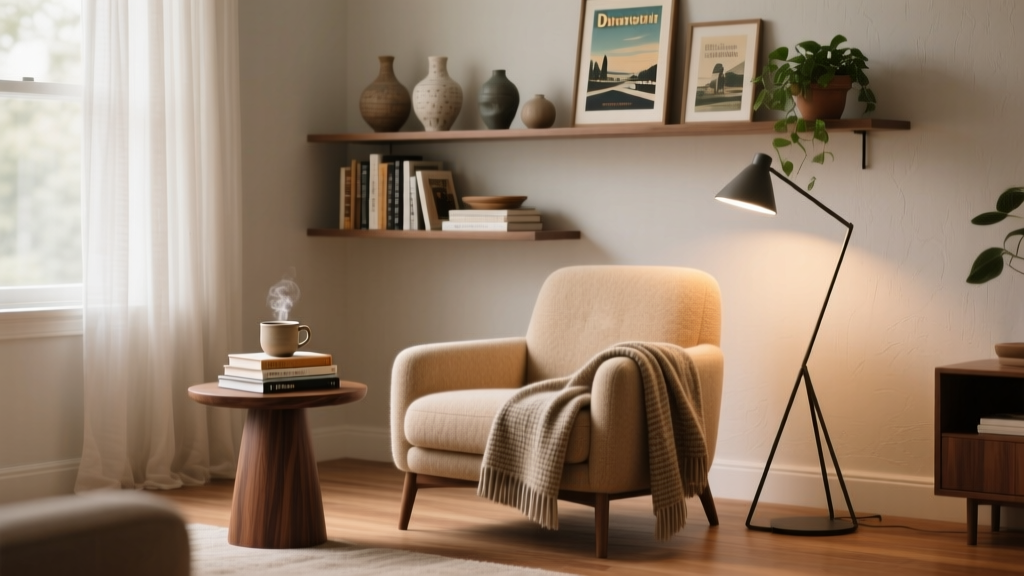 Living Room Cozy Reading Corner Inspiration - The Decor Mag
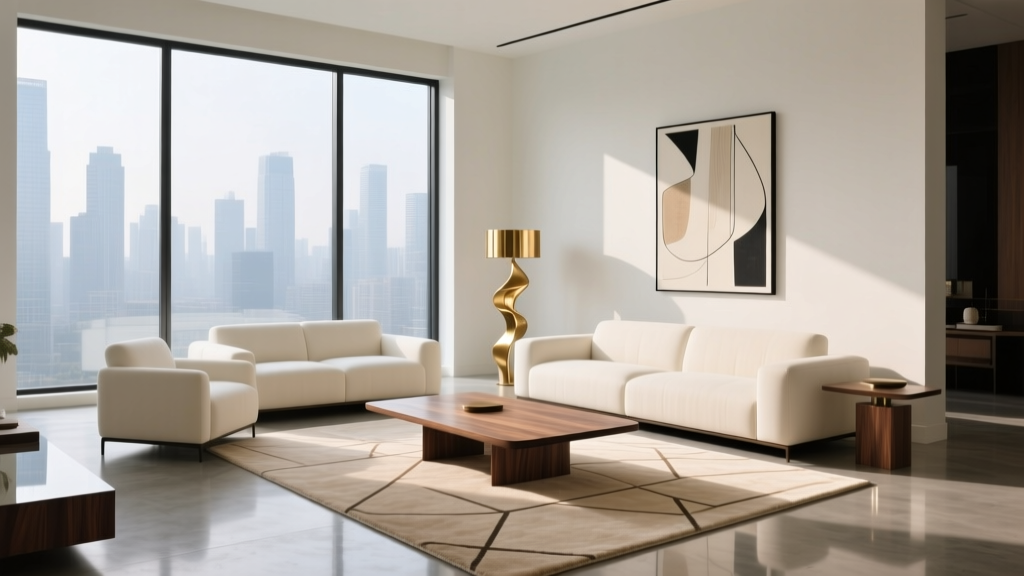 Luxury Living Room Design Trends - The Decor Mag
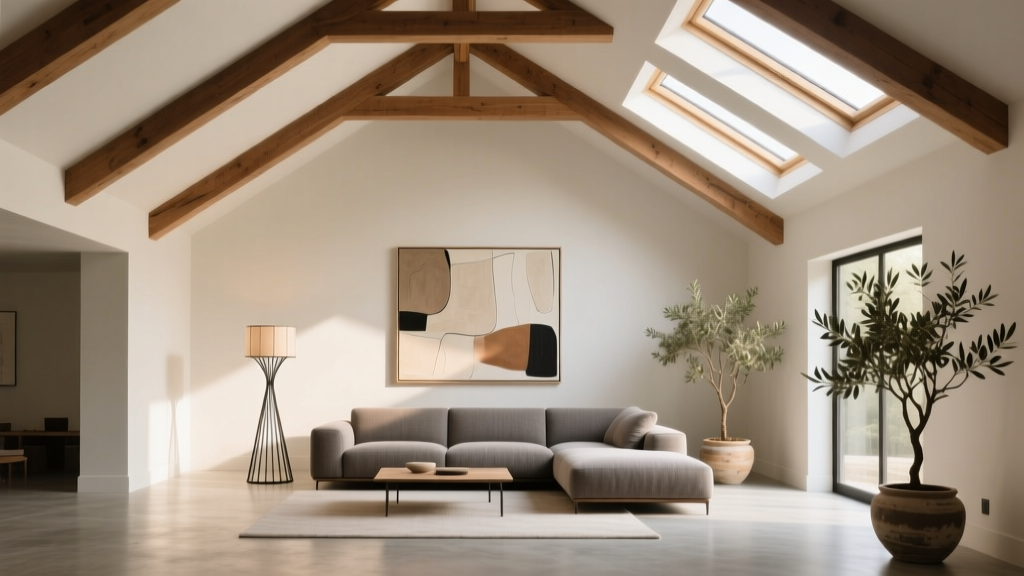 Living Room Vaulted Ceilings: Styling Tips (2026)
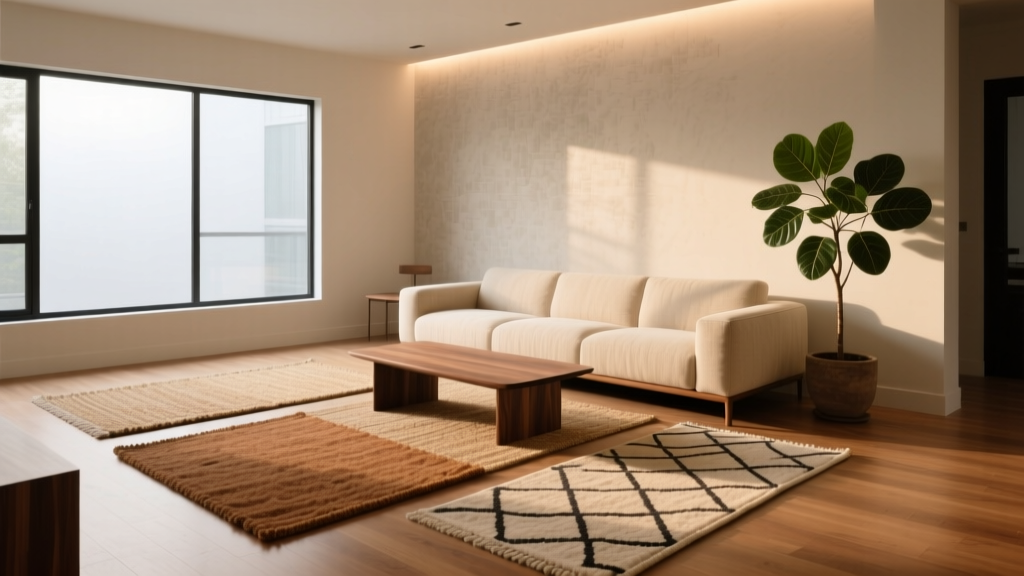 Living Room Layered Rug Ideas - The Decor Mag
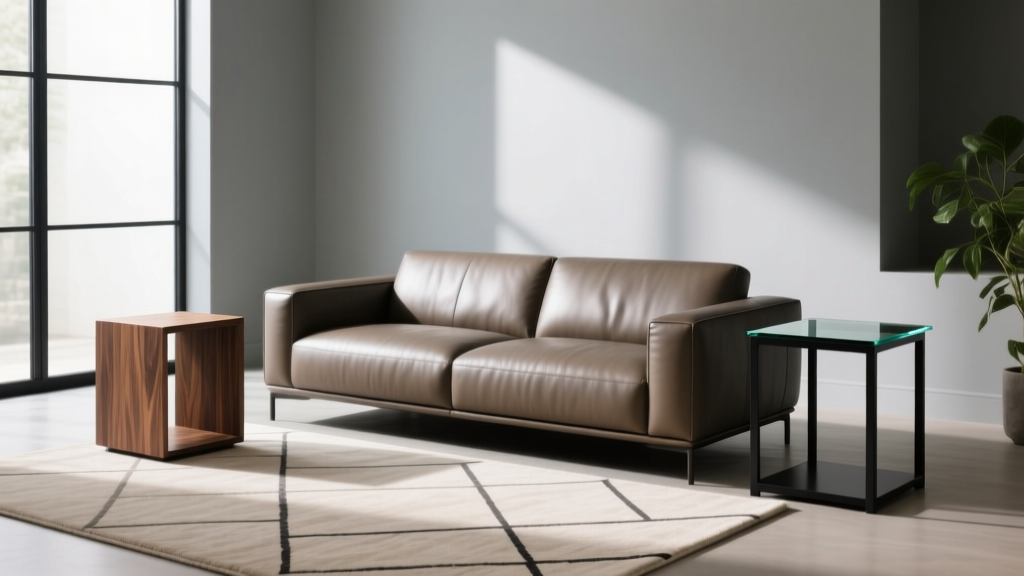 Best End Table Pairings for Sofas - The Decor Mag
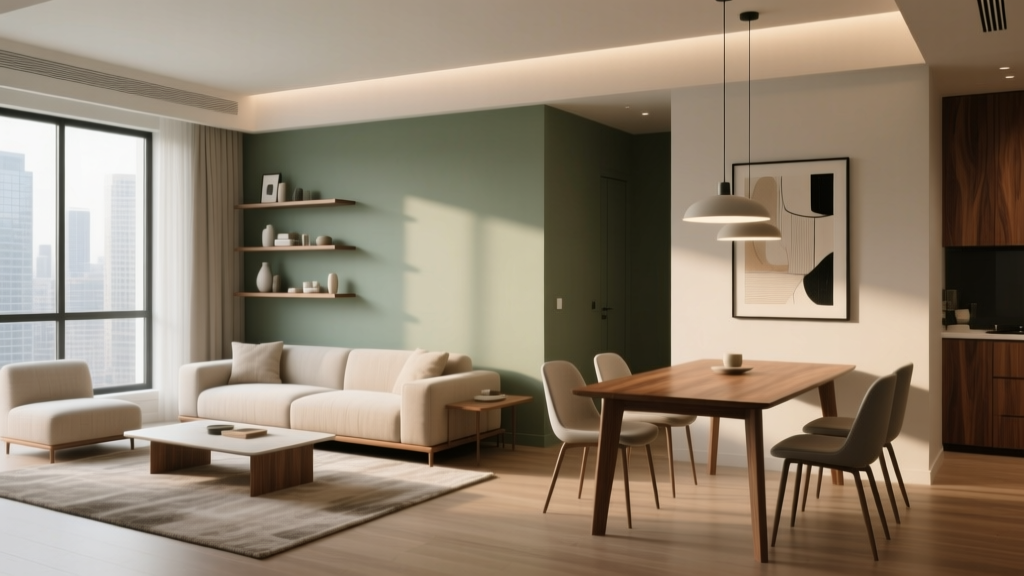 Living Room to Dining Flow: Design Tips (2026)
 Best Hidden Storage for Living Rooms (2026)
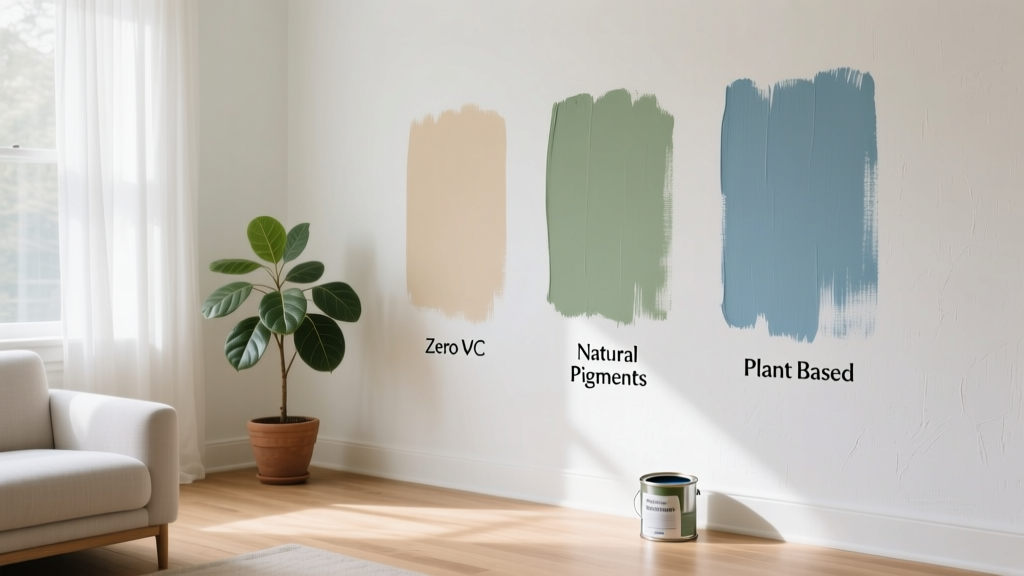 Non-Toxic Paint Guide: Safe Colors for Every Room
 How to Mix Upholstery Patterns Successfully - The Decor Mag
 Living Room Fireplace Styling Ideas (2026)