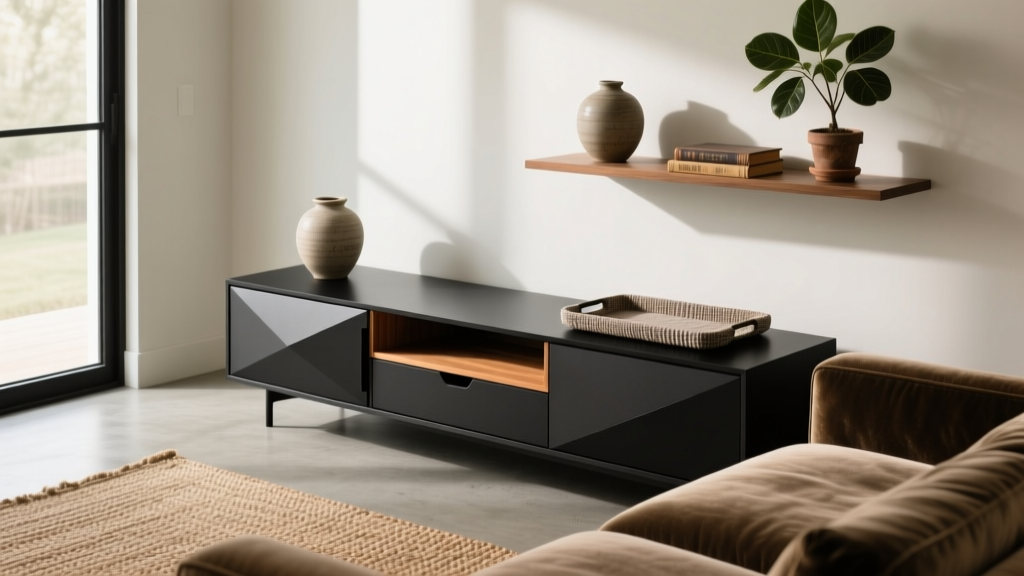
Best Console Styling for Behind Couch - The Decor Mag
A console table behind the couch is one of those living room upgrades that looks “designer” but solves real-life problems: it fills that awkward gap, adds much-needed surface space, and gives you a place to layer lighting, storage, and style without rearranging your entire room. Whether you live in a compact apartment or a spacious open-plan home, a well-styled behind-the-sofa console can make the seating area feel intentional, finished, and more functional.
The best part? This is a high-impact change that can work with almost any décor style—modern, transitional, traditional, coastal, or eclectic. With the right measurements, a smart mix of decor, and a few timeless styling principles, you can create a console moment that looks curated (not cluttered) and works for everyday living.
Below, you’ll learn how to choose the right console size, what to put on it (and what to skip), how to style it like a pro, and how to tailor the look for families, renters, and different living room layouts—plus common mistakes to avoid and a quick FAQ.
Why Add a Console Table Behind the Couch?
A sofa floating in the middle of a room can feel unfinished, especially in open-concept layouts. A console table behind the couch helps define zones and gives you a “landing strip” for essentials.
- Creates a visual anchor for a floating sofa and makes the seating area feel grounded.
- Adds function for lamps, drinks, remotes, books, and charging.
- Improves flow by softly separating living and dining areas without blocking sightlines.
- Boosts storage with baskets, drawers, or lower shelves for throws and games.
- Offers a styling opportunity for art, mirrors, greenery, and seasonal decor.
Get the Measurements Right (This Makes or Breaks the Look)
Console styling starts with the console itself. The wrong size will always look “off,” no matter how pretty the decor is.
Ideal Console Table Height Behind a Sofa
- Best range: 28–32 inches tall for most sofas.
- Rule of thumb: Aim for the console to be within 1–3 inches of the sofa back height.
- Why it matters: Too tall feels like a barrier; too short looks undersized and harder to use.
Console Table Length and Clearance
- Length: Choose a console that’s about 2/3 to nearly the full length of the sofa. For an 84-inch sofa, a 56–80 inch console typically looks balanced.
- Walking clearance: If the console sits in a walkway, maintain 30–36 inches of clear path behind it.
- Gap between sofa and console: Aim for 2–6 inches. Close enough to feel connected; not so close it rubs the upholstery.
Depth: Slim Is Usually Better
- Most rooms: 10–14 inches deep keeps things airy.
- If you want lamps + decor: 14–18 inches gives more flexibility.
- For tight apartments: Look for 8–10 inches or consider a wall-mounted picture ledge behind the sofa.
Choosing the Right Console Style and Material
The best console table behind a couch complements your living room furniture and stands up to real use. Material choice matters for durability, maintenance, and the overall vibe.
Material Recommendations (Practical + Stylish)
- Solid wood (oak, walnut, ash): Warm, timeless, and durable; ideal for high-traffic living rooms.
- Veneer wood: Budget-friendly and often looks high-end if well-made; avoid overly thin, flimsy options.
- Metal frames: Great for modern and industrial rooms; look for powder-coated finishes to resist scratches.
- Glass tops: Visually light for small spaces; requires frequent cleaning and is less kid-friendly.
- Stone or faux marble: Trend-forward and polished; use coasters and check weight limits on floors in older buildings.
Budget Ranges to Expect
- $80–$200: Slim metal consoles, basic MDF/veneers, small-scale options (great for renters).
- $200–$600: Quality veneers, mixed materials, better stability; many “sweet spot” finds here.
- $600–$1,500+: Solid wood, designer silhouettes, custom sizing, heirloom durability.
Product Types That Work Especially Well
- Narrow console with lower shelf: Perfect for baskets and hidden storage.
- Console with drawers: Best for remotes, chargers, candles, and paperwork you don’t want visible.
- Two small consoles side-by-side: Flexible and easier to move in apartments; reads as one long piece when styled cohesively.
- Counter-height console (34–36 inches): Can double as extra seating/serving in open-plan layouts—best with taller sofa backs and ample clearance.
The Best Console Styling Formula (Looks Designer, Feels Easy)
If you’ve ever stared at a blank console and wondered what goes where, use this simple formula: anchor + light + height + life + layer. It’s adaptable to every style.
Step-by-Step: Style a Console Behind the Couch
- Start with an anchor (center focus). Choose one:
- A large framed art piece (or two stacked/overlapped)
- A mirror to bounce light (especially helpful in smaller living rooms)
- A sculptural object or tall vase (if wall art isn’t possible)
- Add lighting for function and warmth.
- Use two matching table lamps for symmetry in traditional/transitional rooms.
- Use one statement lamp for a modern or eclectic look.
- Choose lamp height so the shade bottom sits around eye level when seated (typically 24–28 inches from the tabletop, depending on sofa height).
- Build height variation. Mix tall/medium/low objects:
- Tall: lamp, vase with branches, candlesticks
- Medium: framed photo, ceramic bowl, small sculpture
- Low: stacked books, tray, coaster set
- Add “life.” Bring in an organic element:
- A low bowl of moss, a potted plant, or fresh stems
- If you don’t want maintenance, use high-quality faux greenery with realistic stems
- Layer with a tray to control clutter. A tray instantly makes everyday items feel intentional:
- Coasters, matches, candle, small dish for keys
- Keep the tray depth shallow so the console doesn’t feel crowded
The “Rule of Three” (An Easy Styling Shortcut)
Groups of three often look balanced without feeling too symmetrical. Try a trio like:
- A small stack of books + a candle + a petite vase
- A tray + a small plant + a decorative object
- A framed photo + a bowl + a sculptural piece
Real-World Styling Scenarios (Steal These Looks)
Scenario 1: Small Apartment with a Floating Sofa
Goal: Add function without visual heaviness.
- Console: 8–12 inches deep, 48–60 inches long, open base (metal + slim wood top).
- Style: One lamp + a round mirror + a tray with coasters.
- Extra tip: Use a plug-in wall sconce above the console instead of a lamp if tabletop space is tight.
Scenario 2: Family Living Room (Kids, Pets, Real Life)
Goal: Durable, safe, and easy to reset.
- Console: Rounded corners or softened edges; sturdy base; drawers or baskets below.
- Materials: Solid wood or sealed veneer; avoid glass tops.
- Style: Two sturdy lamps (heavier bases), a tray for remotes, and low décor that won’t topple easily.
- Safety: Use museum putty for lightweight objects and cord management clips for lamps.
Scenario 3: Open-Concept Living/Dining Space
Goal: Create a “room divider” effect while keeping sightlines open.
- Console: 60–84 inches long, 14–18 inches deep, visually substantial.
- Style: Symmetrical lamps + large art; baskets below for throw blankets and board games.
- Design trend to try: Warm minimalism—fewer, larger pieces with natural textures (linen shades, ceramic vases, aged brass accents).
Scenario 4: Renter-Friendly Setup (No Holes, No Stress)
Goal: Maximum impact with minimal wall commitment.
- Anchor: Lean a large framed print or mirror directly on the console.
- Style: Add two vertical elements (lamp + tall vase) to frame the leaning art.
- Bonus: Use peel-and-stick cord covers to keep lamp cords tidy.
Behind-the-Couch Console Styling Tips Designers Rely On
Balance Symmetry and Personality
- Classic look: Matching lamps on both ends, centered art.
- Modern look: One statement lamp on one side, taller vase on the other, asymmetrical art.
Use Texture for a Layered, High-End Feel
Mix materials that play well together:
- Wood + ceramic + linen shades
- Black metal + glass + greenery
- Stone top + aged brass + woven baskets
Choose a Color Strategy (So It Doesn’t Feel Random)
- Option A: Tone-on-tone neutrals (timeless and calm).
- Option B: One accent color repeated 2–3 times (pillow, vase, art detail).
- Option C: Earthy palette trend—clay, olive, camel, warm white, and soft black accents.
Keep It Functional: A Console Is Not Just for Looks
- Add a slim catchall dish for keys and small items.
- Use a decorative box for remotes and chargers.
- Consider a charging station tucked into a drawer or basket (with a power strip).
Common Mistakes to Avoid
- Choosing a console that’s too tall. It can feel like a wall behind the sofa and disrupt conversation flow.
- Going too deep in a narrow walkway. If you can’t comfortably pass behind it, it will become a daily annoyance.
- Cluttering the surface. A console covered edge-to-edge reads messy fast—leave breathing room.
- Using tiny decor on a long table. Small items get visually lost; scale up with larger art, lamps, or a substantial tray.
- Ignoring cords. Visible lamp cords instantly break the polished look; use cord clips or a console with hidden management.
- Not anchoring the vignette. Without art/mirror/statement pieces, the styling can look like a collection of unrelated objects.
Quick Styling Templates (Copy and Adjust)
Template 1: Timeless Transitional
- Two matching lamps (linen shades)
- Centered landscape art or mirror
- Stack of 2–3 coffee table books
- Tray with coasters + candle
- One ceramic vase with greenery
Template 2: Modern Minimal
- One sculptural lamp
- Oversized abstract art leaning against the wall
- Single statement bowl or stone object
- One branch arrangement (tall, airy)
Template 3: Cozy Collected (Eclectic)
- Asymmetrical art stack (two frames overlapping)
- Vintage-style lamp + small table lamp or candle cluster
- Mixed objects: book stack, small sculpture, textured box
- Plant in a woven basket on the lower shelf
FAQ: Console Styling Behind the Couch
How tall should a console table be behind a couch?
Most look best at 28–32 inches high, ideally within 1–3 inches of the sofa back height. This keeps the profile comfortable and visually balanced.
How long should a behind-the-couch console table be?
Aim for about two-thirds the length of your sofa up to nearly full length. For an 84-inch sofa, a 56–80 inch console usually works well.
What can I use instead of a console table behind the sofa?
Try a narrow bench, a pair of slim cabinets, a floating shelf, or even a row of storage cubes with a finished wood top—great options for renters or tight spaces.
Should I put lamps on a console behind a couch?
Yes, lamps are one of the best ways to add ambient lighting to a living room. Choose stable bases, manage cords, and ensure the lamp height feels comfortable when seated.
How do I style a console table behind a couch without it looking cluttered?
Use fewer, larger pieces. Anchor with art or a mirror, corral small items in a tray, and leave at least 25–40% of the surface visually open for breathing room.
What if my sofa is against the wall—do I still need a console?
Not necessarily. If you’re craving extra surface area, consider a very slim console (8–10 inches deep) or floating ledge. Otherwise, focus on side tables and lighting around the sofa instead.
Wrap-Up: Your Next Steps for a Better-Looking Living Room
Start by measuring your sofa height, the available clearance behind it, and the length you can comfortably fit. Choose a console that matches your room’s needs—slim for tight walkways, sturdy with storage for family spaces, or longer and more substantial for open-plan layouts. Then style it with an anchor (art or mirror), add lighting, vary heights, and use a tray to keep daily items looking tidy.
If you want an easy weekend win, try this: set up your console with one lamp, one tray, one stack of books, and one organic element. Live with it for a few days, then tweak scale and spacing until it feels effortless.
For more living room design and decor inspiration—console styling ideas, layout solutions, and trend-forward picks—explore the latest guides on thedecormag.com.
More Articles
 Best Fabrics for Living Room Upholstery - The Decor Mag
 Living Room Architectural Detail Ideas - The Decor Mag
 Curtains for Living Rooms: Best Choices (2026)
 Small Living Room Storage Solutions - The Decor Mag
 Sofa for Small Spaces: Best Picks (2026)
 Cozy Reading Nook Ideas: Soul-Warming Spaces (2026)
 Best Accent Wall Treatments Under $500 - The Decor Mag
 Cheap vs Premium Living Room Setup Cost in 2026
 How to Mix Patterns in Living Room Decor - The Decor Mag
 Best Ottoman Coffee Table Combinations - The Decor Mag