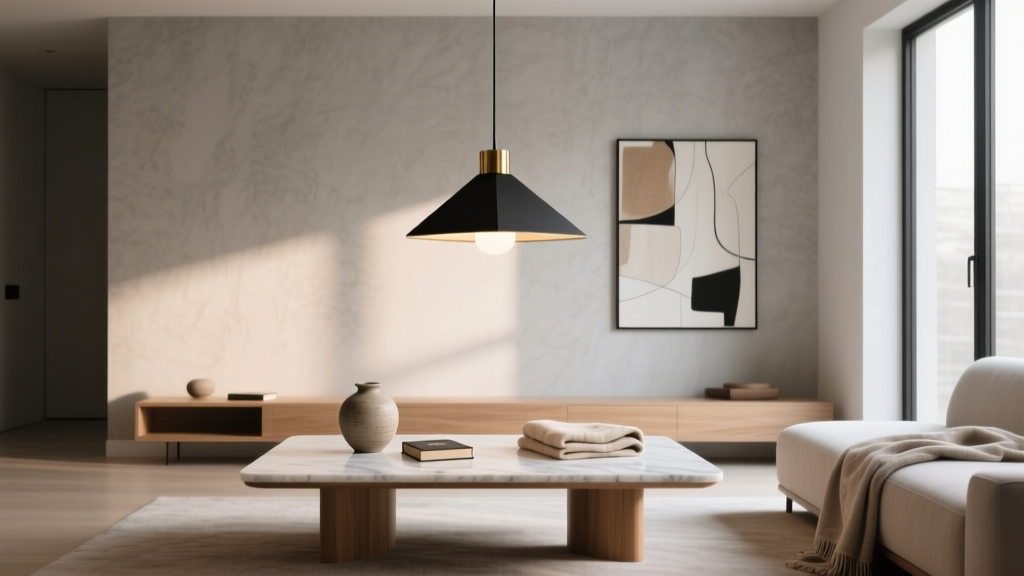
Pendant Light Height Above Coffee Table (2026)
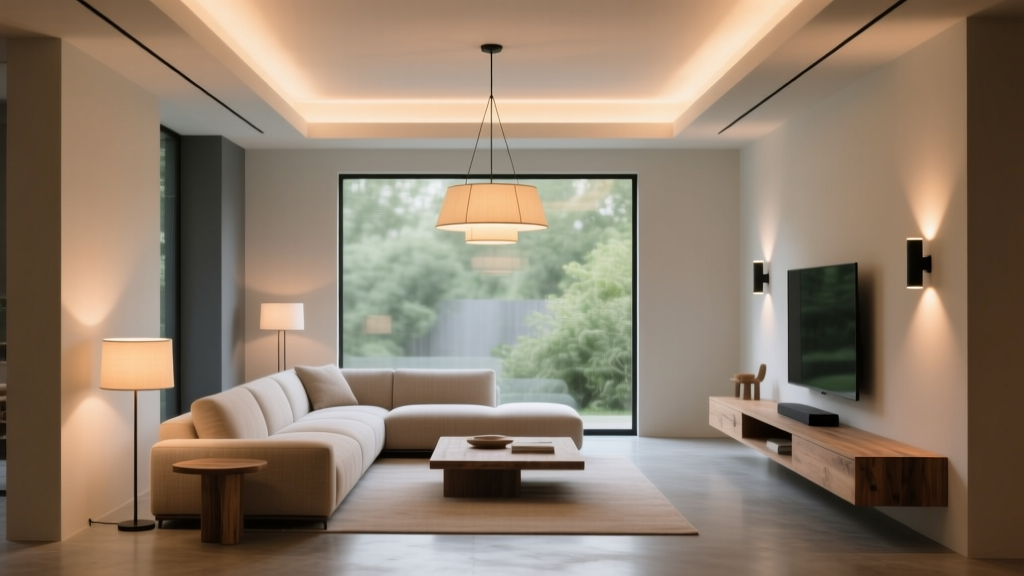
A well-chosen pendant light can make a living room feel finished—anchoring the seating area, adding warmth at night, and giving your coffee table the “center stage” treatment it deserves. But there’s one detail that often separates a professionally designed look from a slightly awkward one: hanging height. Too low, and it blocks sightlines and becomes a head-bumper. Too high, and it floats awkwardly, failing to create that cozy, layered lighting you’re after.
This guide breaks down the best pendant light heights above coffee tables, with specific measurements, room-by-room scenarios, and design tips you can use whether you own your home or rent an apartment. You’ll learn the sweet spot for clearance, how to scale a pendant to your table and seating area, what to do with tall ceilings, and how to avoid common mistakes that lead to glare, clutter, or “off” proportions.
Why Pendant Height Above a Coffee Table Matters
Pendant lights in living rooms do more than look pretty. They shape how the room functions and feels—especially when placed over a coffee table in a conversational seating area.
- Comfort: The right height prevents glare and keeps the fixture out of your line of sight when you’re seated.
- Safety: Proper clearance avoids bumps when reaching for snacks, playing board games, or standing up from the sofa.
- Visual balance: A pendant that’s correctly positioned “connects” the ceiling to the furniture, making the space feel cohesive.
- Better lighting: Height affects how light spreads across the tabletop and surrounding seating.
The Ideal Height Range: Quick Rule of Thumb
For most living rooms, the best pendant light height above a coffee table is:
24–36 inches from the bottom of the pendant to the tabletop.
This range tends to work because it provides a comfortable sightline when seated, gives enough clearance for activities on the table, and still allows the pendant to feel connected to the seating area.
A Simple Starting Point
If you want a single number to begin with, aim for:
30 inches above the coffee table (measured from the bottom of the pendant).
Then adjust up or down based on the pendant size, ceiling height, and how the space is used.
Step-by-Step: How to Measure Pendant Height Above a Coffee Table
Getting the measurement right is easier when you follow a repeatable method.
- Measure your coffee table height. Most coffee tables are 14–18 inches tall, but modern styles can vary.
- Pick your clearance target: Start with 30 inches from tabletop to pendant bottom.
- Mark the height. Use painter’s tape on a nearby wall or a broom handle held at the target height while someone stands back to assess.
- Check sightlines from seating. Sit on the sofa and chairs. The pendant should feel present but not block the view of people across the table.
- Adjust for the fixture’s shape. A wide shade may need to be slightly higher than a narrow one to avoid feeling visually heavy.
- Confirm walking clearance. If your layout forces traffic near the coffee table, err on the higher end of the range.
Pro tip: If you’re unsure, temporarily hang a lightweight paper lantern or mock-up the pendant with cardboard at the planned height. It’s a low-cost way to “see” the scale before committing.
Choosing the Right Height for Your Room: Key Factors
1) Ceiling Height (Standard vs. Tall)
The tabletop-to-pendant clearance (24–36 inches) usually stays consistent even when ceilings change, because it’s about human comfort and sightlines. What changes with ceiling height is how long the cord/rod looks and whether the pendant feels too small for the volume of the room.
- 8-foot ceilings: Stick close to 28–32 inches above the tabletop to keep the pendant from feeling too close to the ceiling.
- 9–10-foot ceilings: 30–36 inches above the tabletop often looks balanced; consider a slightly larger pendant.
- Vaulted ceilings: Maintain the same tabletop clearance, but choose a fixture with presence (a larger shade, layered glass, or a multi-light cluster) so it doesn’t look lost.
2) Pendant Size and Visual Weight
A large pendant hung too low can overwhelm a seating area. A small pendant hung too high can feel like an afterthought.
- Large statement pendant: Start at 32–36 inches above the tabletop.
- Small to medium pendant: Start at 28–32 inches above the tabletop.
- Cluster pendants (2–5 lights): Keep the lowest point within 28–36 inches above the tabletop; stagger heights for a modern look.
3) How You Use the Coffee Table
Your living room lighting should support real life, not just photos.
- Entertaining and snacks: Aim higher (32–36 inches) so platters and raised glasses don’t feel cramped.
- Board games / puzzles: Mid-range (28–34 inches) with a diffuser to reduce glare.
- Kids in the space: Consider 34–36 inches plus a fixture with a durable shade (metal, rattan, acrylic) rather than delicate glass.
Design Tips for a Polished, Living-Room-Lighting Look
Centering: Over the Coffee Table or the Seating Area?
In a living room, the coffee table often sits within a “conversation zone.” If your coffee table is perfectly centered within the seating arrangement, centering the pendant over it works beautifully. If the table is off-center (common in smaller rooms), center the pendant over the seating group instead so it feels intentional.
Quick check: Stand in your room and identify the visual center of the sofa + chairs + rug. That’s often the best spot for the pendant, even if the coffee table shifts a few inches.
Scale: Picking the Right Pendant Diameter
As a general guideline, the pendant should be about 1/3 to 1/2 the width of the coffee table. This keeps it proportional without overpowering the tabletop.
- 48" coffee table width: consider a pendant around 16–24 inches wide
- 36" coffee table width: consider a pendant around 12–18 inches wide
If you’re using multiple pendants, think of the overall “cluster width” as the pendant size.
Light Quality: Bulbs, Color Temperature, and Dimmers
The best pendant height won’t save harsh lighting. For living room decor that feels inviting, prioritize soft, controllable light.
- Add a dimmer: This is one of the most valuable upgrades for living room lighting design.
- Choose warm color temperature: 2700K is a classic cozy glow; 3000K is slightly brighter but still warm.
- Look for high CRI bulbs: 90+ CRI helps your textiles, wall color, and decor look richer.
- Mind the lumens: For ambient glow, aim around 800–1600 lumens total for the pendant, depending on room size and other light sources.
Trending Materials That Still Feel Timeless
Current design trends lean warm, textured, and layered—yet the best choices won’t date your living room quickly.
- Natural woven shades: rattan, cane, seagrass (great for coastal, boho, and modern organic living rooms)
- Plaster or ceramic pendants: soft matte texture, subtle and sculptural
- Opal or milk glass: diffused light that flatters everyone
- Mixed metals: aged brass with black accents feels current while remaining classic
- Smoked glass (use carefully): moody, modern look; best with sufficient lumens and a dimmer
Product Recommendations and Budget Ranges
You can find stylish pendant lighting at almost any price point. Here are practical options by budget, plus what to look for.
Budget-Friendly ($60–$150)
- Best for: renters, first apartments, quick living room refreshes
- Look for: plug-in pendant options, fabric drum shades, simple metal domes
- Materials: powder-coated metal, linen blend, lightweight rattan
Mid-Range ($150–$450)
- Best for: most homeowners, higher-quality finishes, better diffusers
- Look for: opal glass, ceramic, larger statement sizes, adjustable rods
- Materials: solid brass accents, thick glass, natural woven with sturdier frames
Investment ($450–$1,200+)
- Best for: design-forward spaces, vaulted ceilings, sculptural focal points
- Look for: artisan glass, custom lengths, designer silhouettes, high-end finishes
- Materials: hand-blown glass, plaster, premium natural fibers, heavy gauge metals
Practical shopping tip: If your ceiling box isn’t centered, prioritize fixtures that work with a swag hook or have a canopy that allows slight offset adjustments (always check with an electrician for safe installation).
Real-World Living Room Scenarios (and the Best Heights)
Scenario 1: Small Apartment Living Room (8-foot ceilings)
You have a compact sofa, a 36-inch coffee table, and the room doubles as a TV space.
- Recommended height: 28–32 inches above the tabletop
- Fixture style: a 12–16" fabric drum or opal globe to reduce glare
- Extra tip: place the pendant slightly forward of the TV line so it doesn’t reflect in the screen
Scenario 2: Open-Concept Living Room (9–10-foot ceilings)
The seating area needs definition within a larger space connected to dining/kitchen.
- Recommended height: 30–36 inches above the tabletop
- Fixture style: a larger 18–24" pendant or a 3-light cluster for presence
- Extra tip: coordinate finishes with nearby kitchen pendants (matching metal tones is enough—shapes don’t need to match)
Scenario 3: Family Living Room with Kids
Your coffee table is busy—games, crafts, movie nights, and lots of movement.
- Recommended height: 34–36 inches above the tabletop
- Fixture style: durable woven shade or metal with diffuser; avoid fragile glass low over the table
- Extra tip: install a dimmer so evenings feel calm without turning the space too bright
Common Mistakes to Avoid
- Hanging the pendant too low: Anything under 24 inches above the tabletop often blocks sightlines and feels intrusive.
- Choosing a pendant that’s too small: A tiny fixture floating above a large seating area looks under-scaled, especially with tall ceilings.
- Skipping a dimmer: Living rooms need flexibility—bright for activities, soft for relaxing.
- Using clear glass with a harsh bulb: This can cause glare and make the pendant visually “loud.” Use frosted bulbs or a diffuser.
- Ignoring the rug and seating layout: A pendant should relate to the entire conversation zone, not just the coffee table’s position.
- Forgetting about headroom in traffic paths: If people regularly walk near the coffee table, keep the pendant higher and tighter to center.
FAQ: Pendant Lights Over Coffee Tables
How low should a pendant hang above a coffee table?
Aim for 24–36 inches from the bottom of the pendant to the tabletop, with around 30 inches being a reliable starting point in most living rooms.
Can you hang a pendant light over a coffee table in a living room?
Yes—especially if you want to define a seating area and add layered living room lighting. The key is choosing the right scale and hanging height so it feels comfortable and doesn’t block conversation.
What if my ceiling electrical box isn’t centered over the coffee table?
You have a few options: use a pendant with a swag hook to reposition the drop, choose a fixture with a canopy that allows slight offsets, or have an electrician move the junction box for the cleanest result.
Should I use one pendant or multiple pendants over a coffee table?
One pendant works well for many spaces, especially with a statement shade. Multiple pendants (like a cluster) can look stunning in open-concept or high-ceiling living rooms, as long as the overall grouping stays proportional to the coffee table and seating area.
What kind of bulb is best for a living room pendant?
Look for 2700K–3000K warm white, 90+ CRI if possible, and pair it with a dimmer. If the shade is clear, use a frosted bulb to reduce glare.
Will a pendant over a coffee table make my room feel smaller?
Not if it’s properly scaled and hung at the right height. A pendant can actually make a living room feel more intentional by visually anchoring the seating area—especially when combined with a rug and balanced side lighting.
Next Steps: Get the Height Right, Then Layer the Lighting
Start by measuring your coffee table and setting the pendant so the bottom sits around 30 inches above the tabletop, then fine-tune within the 24–36 inch range based on fixture size and how you live in the space. Add a dimmer, choose warm bulbs, and make sure the pendant feels centered within the conversation area—not just the furniture placement on moving day.
If you’re ready to keep upgrading your living room design, explore more lighting, layout, and decor ideas on thedecormag.com.
More Articles
 Living Room Curtains: How to Choose (2026)
 Living Room Warm Minimalist Approach - The Decor Mag
 Smart Living Spaces on a Budget in 2026
 Best Wall Sconce Wiring Options - The Decor Mag
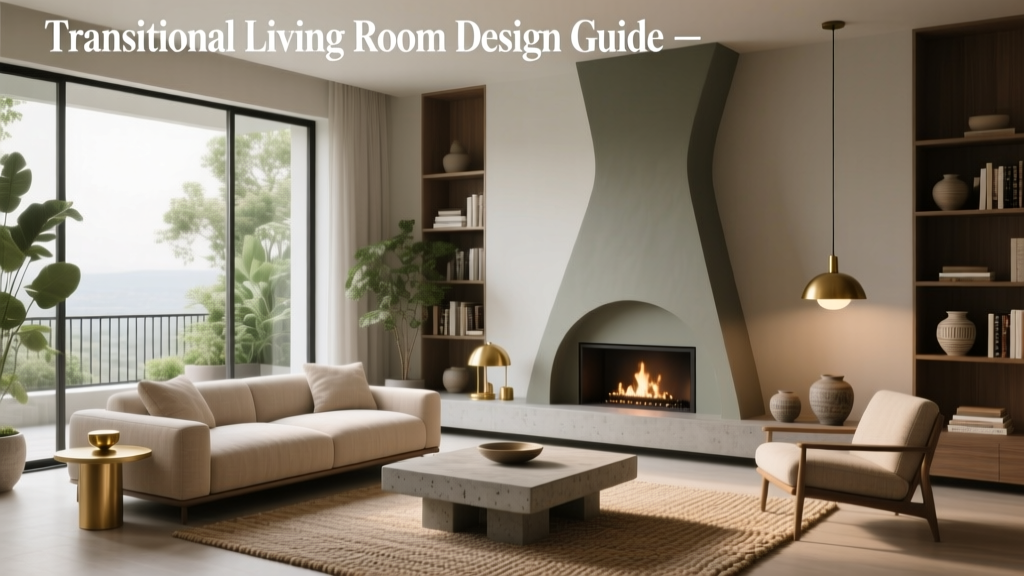 Transitional Living Room Design Guide - The Decor Mag
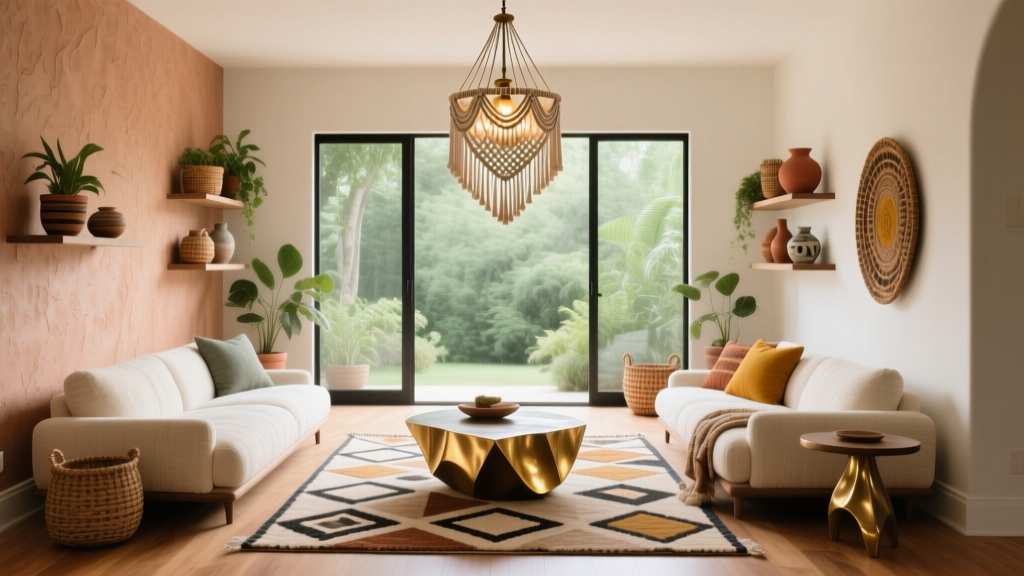 Living Room Polished Bohemian Style - The Decor Mag
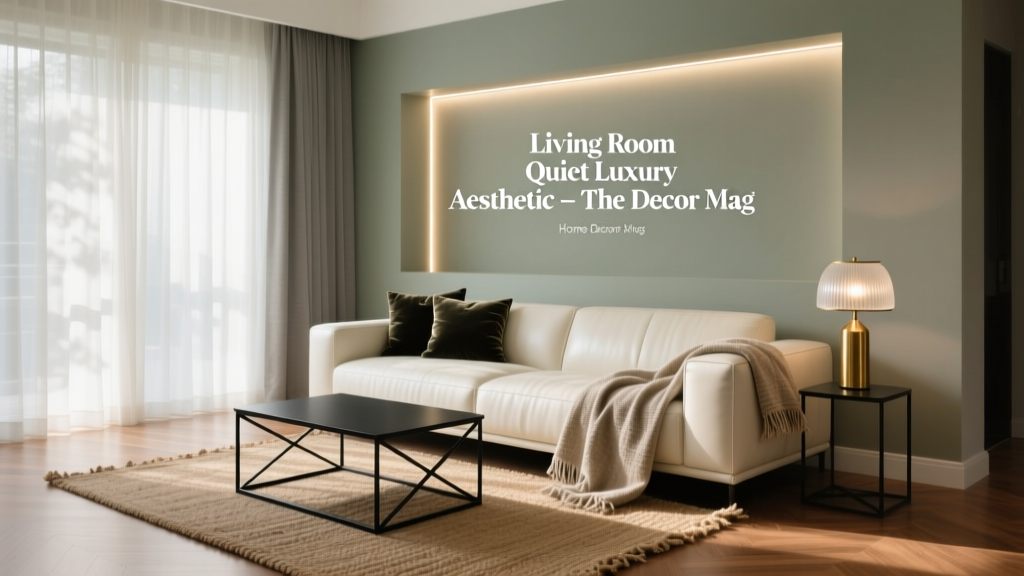 Living Room Quiet Luxury Aesthetic - The Decor Mag
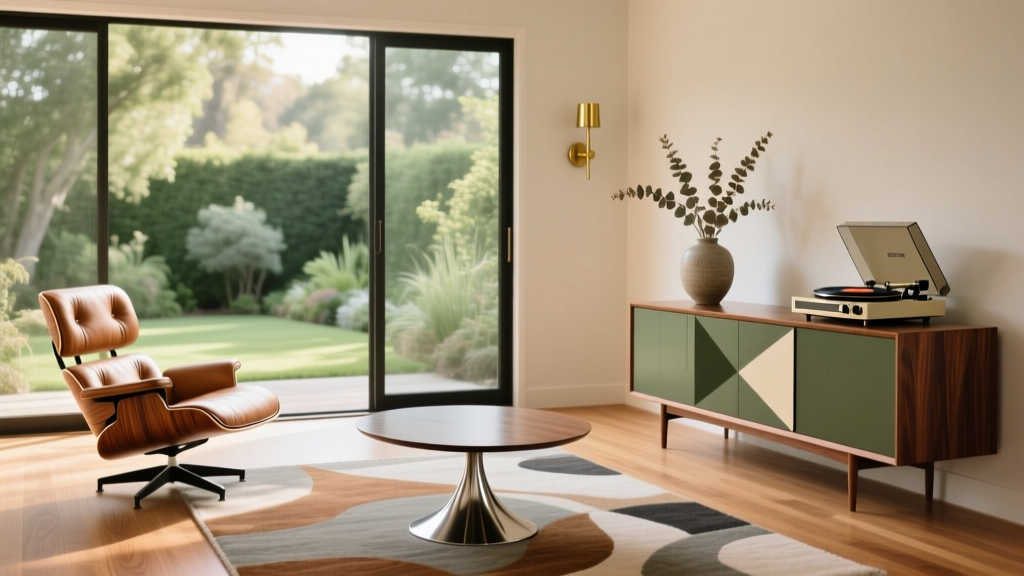 Mid-Century Modern Living Room Must-Haves - The Decor Mag
 Best Affordable Living Space Solutions 2026
 How to Layer Lighting in a Living Room - The Decor Mag