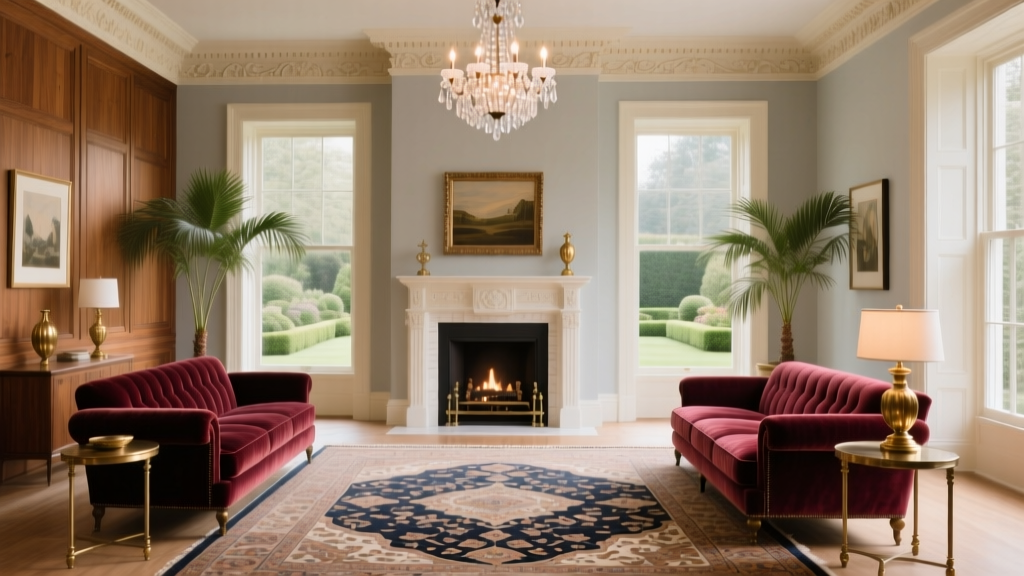
Elegant Traditional Living Room Ideas - The Decor Mag
A traditional living room has a quiet confidence to it. The pieces feel considered, the proportions feel right, and the space seems to welcome you to sit down and stay awhile. When done well, traditional design isn’t fussy or stuck in the past—it’s polished, comfortable, and deeply livable, whether you’re styling a historic home or a modern rental.
This guide breaks traditional living room decor into practical, achievable steps. You’ll learn how to choose classic furniture silhouettes, build a timeless color palette, layer patterns like a pro, and use lighting, art, and accessories to create that “finished” look. Along the way, you’ll find real-world scenarios, common mistakes to avoid, and budget-friendly options that still feel elegant.
What Makes a Living Room “Traditional” (and Elegant)?
Traditional style is rooted in European and early American design, but today’s best traditional rooms mix old and new for a fresh, tailored feel. Elegance comes from balance, quality materials, and thoughtful details—not from stuffing the room with ornate décor.
Traditional design hallmarks
- Symmetry and order: matching lamps, paired chairs, evenly spaced art.
- Classic silhouettes: roll-arm sofas, wingback chairs, skirted upholstery, turned legs.
- Layered textiles: wool rugs, linen drapery, needlepoint or embroidered pillows.
- Warm materials: wood, brass, leather, marble, and natural fibers.
- Pattern with restraint: stripes, plaids, botanicals, damask, or small-scale geometrics.
Current trend to embrace: “Updated traditional” (also called modern traditional), where you keep the classic bones but simplify the palette, add cleaner-lined accent chairs, and mix metals for a lighter feel.
Start With a Traditional Layout: Comfort Meets Symmetry
Before you shop for anything, make the room work. Traditional living room layouts prioritize conversation and clear pathways. A good plan makes even modest furniture feel high-end.
Key measurements to follow
- Walkways: aim for 30–36 inches for main paths; 24 inches can work in tight rooms.
- Rug sizing: in most living rooms, choose an 8' x 10' or 9' x 12' so at least the front legs of seating sit on the rug. Avoid “floating” tiny rugs.
- Coffee table spacing: keep 16–18 inches between sofa and table for legroom.
- Coffee table height: ideally within 1–2 inches of seat cushion height.
- Art above sofa: roughly 2/3 the sofa width, hung so the center sits around 57–60 inches from the floor (adjust for tall ceilings).
Two classic layout formulas
- Sofa + two chairs: sofa facing the focal point, chairs opposite or angled in. Add a coffee table and two side tables for symmetry.
- Two sofas facing: ideal for formal rooms or long spaces. Anchor with a generous rug and a substantial coffee table (wood or upholstered ottoman).
Real-world scenario: A rental living room with awkward corners
If you can’t center the sofa on the wall (hello, radiator or off-center window), build “visual symmetry” instead. Place matching lamps on either side of the sofa using slim end tables, then balance the off-center window with a tall bookcase or a floor lamp on the opposite side. The eye reads it as intentional.
Choose Classic Furniture That Still Feels Fresh
Traditional living room furniture is all about proportion and craftsmanship. You don’t need antiques, but you do want pieces that look grounded and tailored.
The anchor: a timeless sofa
- Best silhouettes: roll-arm, English arm, or tight-back for a polished look.
- Upholstery: performance linen, cotton-linen blend, or velvet for elegance with durability.
- Color ideas: warm ivory, soft camel, greige, or a muted blue.
Budget range:
- $800–$1,500: look for a solid kiln-dried frame and removable cushions; choose a neutral fabric.
- $1,500–$3,500: better tailoring, higher-density foam, more fabric options (including performance).
- $3,500+: heirloom quality, eight-way hand-tied springs, premium fills, custom sizing.
Elegant traditional seating options
- Wingback chair: instant classic; works in corners or flanking a fireplace.
- Bergère-style chair: refined and comfortable with exposed wood frames.
- Skirted slipper chair: a great small-space alternative that still reads traditional.
Case goods: tables that read “collected”
- Coffee table: wood with turned legs, a trunk-style table, or marble top for a dressy touch.
- Side tables: matching is classic; coordinating is more updated. Brass details elevate instantly.
- Console table: behind the sofa adds architecture and a place for lamps in open-plan rooms.
Build a Traditional Color Palette (That Doesn’t Feel Heavy)
Traditional color palettes feel layered and warm. The trick is choosing a few “anchor neutrals” and adding depth through textiles and art rather than painting everything dark.
Timeless palette formulas
- Warm neutral base + deep accents: ivory walls, walnut wood, navy and camel textiles.
- Soft heritage hues: sage green, dusty blue, warm white, and antique brass.
- Monochrome elegance: shades of beige/greige with contrast from black frames and dark wood.
Paint and finish recommendations
- Walls: warm white or light greige in an eggshell finish (more forgiving than matte for everyday living).
- Trim: crisp white in semi-gloss for a classic tailored edge.
- Ceiling: flat white, or go “historical” with a soft tinted white for warmth.
Trend watch: color-drenched traditional rooms—painting walls and trim the same shade—looks especially elegant with classic molding. Choose muted tones (smoky blue, soft olive) to keep it timeless.
Layer Rugs, Drapes, and Upholstery Like a Designer
Textiles are where traditional living room design shines. They add comfort, acoustic softness, and that luxurious “layered” look.
Rugs: wool, wool blends, and classic patterns
- Best materials: 100% wool (durable, naturally stain-resistant), wool-viscose blends (more sheen, slightly less durable), or performance synthetics for high-traffic homes.
- Traditional patterns: Persian-inspired, Oushak, bordered rugs, subtle stripes, or small-scale geometrics.
- Budget range: $250–$600 (synthetic/printed), $700–$2,000 (quality wool), $2,000+ (hand-knotted).
Drapery: the fastest way to make a room feel “finished”
- Hang high: mount rods 4–8 inches above the window frame (or closer to crown molding) to make ceilings feel taller.
- Go wide: extend rods 8–12 inches past each side of the window so curtains stack neatly and don’t block light.
- Length: “kiss” the floor or break slightly (about 1 inch) for a relaxed traditional look.
- Fabric: linen, cotton, or lined blends; add blackout lining for bedrooms-adjacent living rooms.
Pattern mixing made simple (a step-by-step formula)
- Pick one hero pattern: a rug or a statement curtain (floral, stripe, classic motif).
- Add a secondary pattern: smaller scale (check, subtle geometric) on pillows or an accent chair.
- Include a “solid” texture: velvet, bouclé, or nubby linen to calm the mix.
- Repeat colors: echo two to three hues across the room for cohesion.
Lighting That Feels Traditional, Warm, and Layered
Elegant traditional living rooms rarely rely on a single overhead fixture. Instead, they use layers of light for a flattering glow.
Traditional lighting plan
- Overhead: chandelier, lantern, or classic semi-flush for ambient light.
- Task lighting: table lamps at end tables for reading and comfort.
- Accent lighting: picture lights, sconces, or a library lamp for atmosphere.
Practical specs for a polished look
- Bulbs: warm white 2700K for cozy elegance (3000K if you prefer slightly brighter, cleaner light).
- Lampshades: linen or paper shades soften light better than glossy materials.
- Scale: table lamps should generally be 24–32 inches tall for standard end tables.
Product-style recommendations: antique brass swing-arm sconces, ceramic ginger jar lamps, pleated shades, and oil-rubbed bronze floor lamps pair beautifully with traditional living room furniture.
Traditional Details That Read Luxe: Molding, Metals, and Styling
You don’t need a full renovation to get an elegant traditional vibe. A few architectural details and well-chosen finishes can do a lot of heavy lifting.
Easy upgrades (great for renters, too)
- Peel-and-stick picture frame molding: creates classic paneling on a focal wall.
- Swap hardware: upgrade curtain rod finials to classic shapes (urn, ball, spear).
- Use large-scale art: one oversized framed print looks more expensive than several small pieces.
- Add a mirror: an antique-style gold or wood frame brightens and elevates instantly.
Styling formulas for traditional surfaces
- Coffee table: stack of 2–3 books + a small tray + one sculptural object + a low arrangement.
- Console table: two lamps for symmetry + a centered mirror or art + a bowl for keys.
- Bookcase: mix vertical books with horizontal stacks; add framed photos and one or two lidded boxes to hide clutter.
Real-world scenario: Family-friendly traditional living room
Choose a performance fabric sofa in warm ivory, a patterned wool rug (patterns hide crumbs and wear), and a large upholstered ottoman with a tray instead of a sharp-cornered coffee table. Add tailored drapery and classic lamps to keep it elegant while still kid-proof.
Common Mistakes to Avoid in a Traditional Living Room
- Going too matchy-matchy: a full set (sofa + loveseat + chair all identical) can feel dated. Mix one classic sofa with complementary chairs.
- Choosing undersized rugs: small rugs make rooms feel chopped up. When in doubt, size up.
- Ignoring scale: tiny art over a large sofa or spindly tables next to a substantial sofa reads unbalanced.
- Over-accessorizing: too many small items look cluttered. Edit down and go larger.
- Cold lighting: 4000K bulbs can make traditional rooms feel harsh and flat. Stick to warm temperatures.
- Pushing all furniture to the walls: float seating when possible; even pulling the sofa out 4–8 inches can improve flow.
Elegant Traditional Living Room Ideas by Budget
Under $500: high-impact refresh
- Replace pillow covers with classic patterns (stripe + small floral).
- Add two matching table lamps (check secondhand marketplaces).
- Upgrade curtains: hang higher and wider; add budget linen-look panels.
- Introduce a large vintage-style mirror above the mantel or sofa.
$500–$2,500: the “foundation” upgrade
- Buy the right-size rug (8' x 10' for many rooms).
- Swap to a substantial coffee table (wood or upholstered ottoman).
- Invest in lined drapery and a proper rod with classic finials.
- Add one quality accent chair (wingback or bergère style).
$2,500–$10,000+: the full traditional transformation
- Upgrade the sofa to a higher-quality frame and performance upholstery.
- Add built-ins or a bookcase wall (or furniture-style bookcases for a similar effect).
- Install picture molding or wainscoting and repaint in a heritage palette.
- Layer lighting with sconces and a statement chandelier.
FAQ: Traditional Living Room Design
How do I make a traditional living room feel modern?
Keep classic silhouettes, but simplify the palette and add cleaner-lined accents. Try a roll-arm sofa with contemporary side chairs, mix metals (brass + black), and choose large-scale art instead of many small frames.
What’s the best rug pattern for a traditional living room?
Oushak and Persian-inspired patterns are timeless and forgiving. If you prefer something quieter, go for a subtle stripe, tone-on-tone geometric, or a bordered rug that frames the seating area.
Can I mix traditional and contemporary furniture?
Yes—this is one of the most current living room design trends. Anchor the room with one or two traditional pieces (sofa, rug), then add contemporary lighting or streamlined chairs. Repeat colors and finishes to keep it cohesive.
What window treatments look most elegant in a traditional space?
Floor-length drapery with lining instantly elevates the room. Hang the rod high and wide, and choose linen, cotton, or a silk-look fabric for a tailored drape.
What are the best coffee table options for a traditional living room?
Wood tables with turned legs, trunk-style tables, and marble-top tables all work beautifully. For family rooms, an upholstered ottoman with a tray gives you comfort and fewer sharp corners.
How do I decorate traditionally if I’m renting?
Focus on reversible upgrades: curtains and rods, lamps, a larger rug, removable molding, and classic framed art. Use furniture placement and symmetry to create a “built-in” feeling without permanent changes.
Next Steps: Bring Traditional Elegance Into Your Living Room
Start by measuring your room and choosing a layout that supports conversation and comfort. Then invest in one strong foundation piece—usually a properly sized rug or a classic sofa—before layering in drapery, lighting, and accessories. Aim for symmetry where it makes sense, mix patterns with a simple formula, and edit your décor so the room feels collected rather than crowded.
If you’re ready for more inspiration, explore more living room ideas, decorating guides, and timeless style tips on thedecormag.com.
More Articles
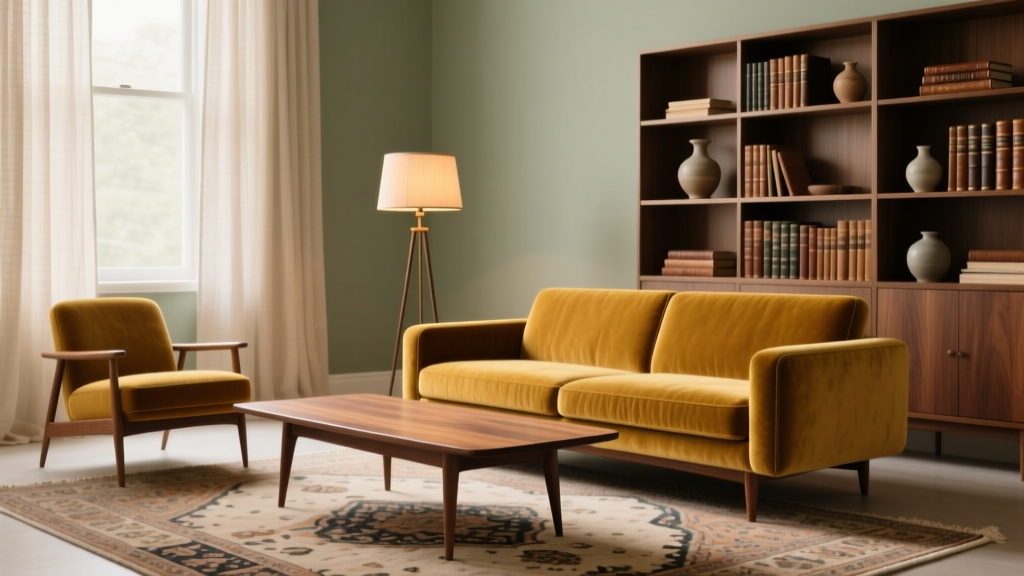 Living Room Vintage Decor Finds - The Decor Mag
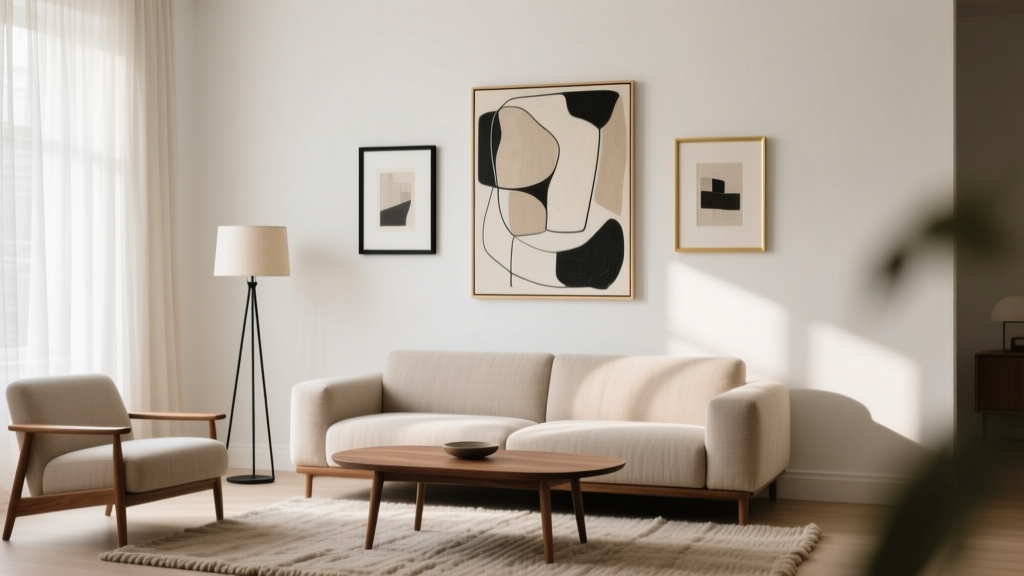 Living Room Art Placement Guide - The Decor Mag
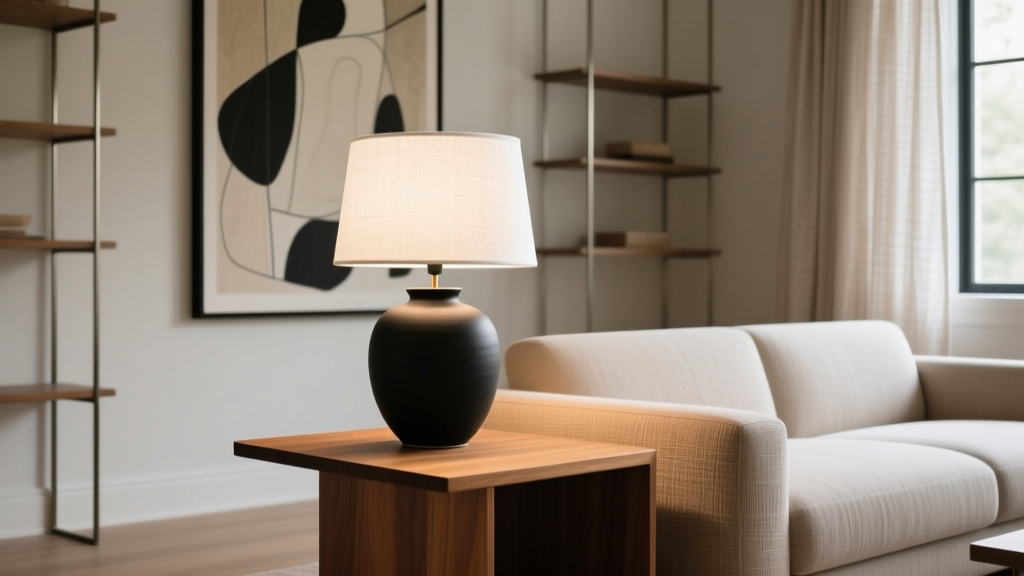 Best Table Lamp Pairings for End Tables - The Decor Mag
 Living Room Cozy Reading Corner Inspiration - The Decor Mag
 Best Living Room Color Guides for Harmony in 2026
 Island Bedroom Ideas 2026: Coastal Calm & Smart Layouts
 Cozy Farmhouse Living Room Decor Tips - The Decor Mag
 Art Scale for Living Rooms: How to Choose (2026)
 Best Outdoor Furniture for Comfortable Living
 Living Room Symmetrical Design Principles - The Decor Mag