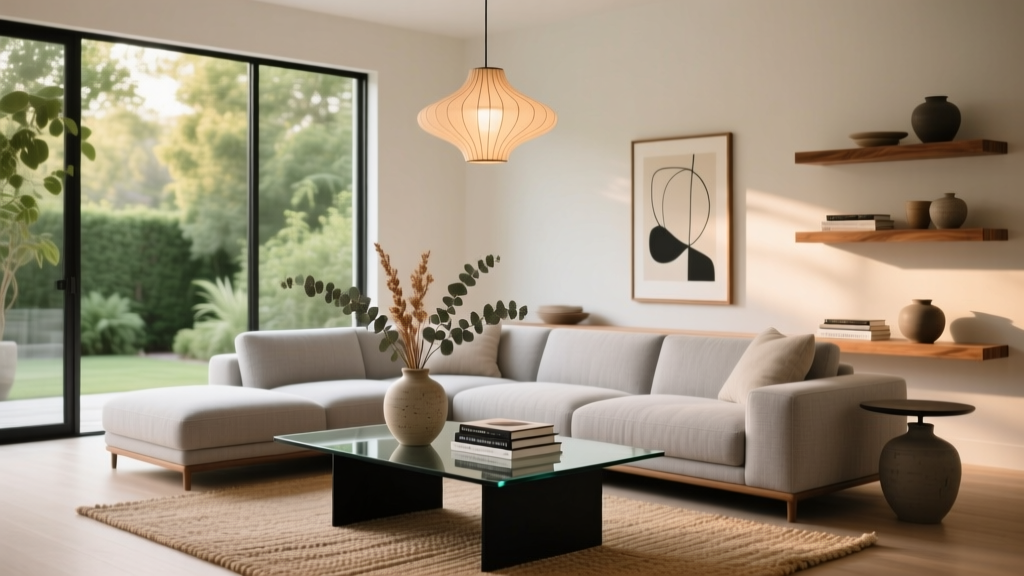
Living Room Entertaining: Design Tips (2026)
Some living rooms look beautiful in photos but fall apart the moment guests arrive: there’s nowhere to set a drink, conversations split awkwardly across the room, lighting feels harsh, and the TV becomes the default focal point. A living room that entertains well isn’t just stylish—it’s designed to support how people actually gather, move, snack, talk, and relax.
Whether you host game nights, holiday dinners, movie marathons, or casual drop-ins, the best entertaining spaces balance comfort, flow, and flexibility. The good news: you don’t need a huge room or a huge budget. With smart layout planning, the right furniture scale, layered lighting, and a few hosting-friendly upgrades, you can make your living room feel effortless when company comes over.
This guide walks you through practical living room design and decor choices—measurements, seating rules, product ideas, storage strategies, and real-world scenarios—so you can create a living room that feels welcoming every day and works brilliantly when you’re entertaining.
Start With the Entertaining “Brief”: How Do You Host?
Before buying anything, define what “entertains well” means for you. A living room optimized for cocktail parties looks different from one built for family movie nights.
Ask yourself these quick questions
- How many people do you host most often? (2–4, 6–8, 10+)
- What’s the main activity? Conversation, TV/movies, games, music, kids, a mix
- Do guests eat in the living room? Snacks only or full plates?
- What’s your pain point? Not enough seating, no surfaces, bad lighting, clutter
Real-world scenario
Small apartment, frequent guests: If you typically host 4–6 friends, prioritize extra perches (ottomans/poufs) and a coffee table that can handle drinks and snacks. You’ll get more mileage than investing in an oversized sectional that blocks flow.
Layout That Encourages Conversation (Not Just TV)
Entertaining-friendly living room layout comes down to two things: clear pathways and a conversation grouping that keeps everyone within comfortable talking distance.
Key measurements for a great layout
- Main walkways: Aim for 36 inches wide (30 inches minimum in tight rooms).
- Between sofa and coffee table: 14–18 inches for easy reach and legroom.
- Between seating pieces: Keep chairs within 3–8 feet to avoid “shouting distance.”
- Rug sizing: Ideally, front legs of all seating sit on the rug. For many rooms, 8' x 10' or 9' x 12' creates a cohesive zone.
Conversation-first seating arrangements
- Classic U-shape: Sofa + two chairs facing in, anchored by a rug. Great for conversation and board games.
- L-shape sectional + swivel chair: A modern favorite—add one swivel chair to “close” the conversation circle without blocking traffic.
- Two sofas facing: Ideal for formal living rooms and frequent hosting; add a narrow coffee table and plenty of side tables.
Trend + timeless principle
Swivel chairs are having a moment (and for good reason). They rotate between conversation and TV, making them one of the most entertaining-friendly pieces you can add. Timeless principle: aim for a layout that works even when the screen is off.
Choose Seating That’s Comfortable, Flexible, and Properly Scaled
When guests linger, seating comfort matters more than you think. The most entertaining living rooms combine a comfortable “primary” seat with flexible extras.
What to look for in a sofa
- Depth: 21–24 inch seat depth suits most people; deeper sofas feel lounge-y but can be awkward for shorter guests.
- Fabric: Performance fabrics (solution-dyed acrylic, performance polyester, treated cotton blends) handle spills and wear.
- Cushion fill: High-resiliency foam wrapped in fiber is a practical sweet spot—comfortable but not constantly needing fluffing.
Add “pull-up” seating without crowding the room
- Ottomans or poufs: Easy to tuck away; choose a 16–18 inch height for comfortable seating.
- Stools: Use as extra seats or side tables with a tray.
- Lightweight accent chairs: Armless or open-frame styles are visually airy in small living rooms.
Budget ranges (typical retail)
- Quality sofa: $900–$3,500 (more for custom upholstery)
- Accent chair: $250–$1,200
- Ottoman/pouf: $80–$400
Real-world scenario
You host often, but your living room is narrow: Swap bulky recliners for two slim swivel chairs or armless chairs. Add a small ottoman that can slide under a console. You’ll open up pathways while increasing seating capacity.
Plan Surfaces for Drinks, Snacks, and Games
If guests have nowhere to put a drink, they’ll use your windowsill, your book stack, or your upholstered armrest. Entertaining-ready living room decor includes enough surfaces—without turning the room into a furniture obstacle course.
Surface “formula” that works
- 1 coffee table (or two nesting tables)
- 1 side table per 1–2 seats (at least two in most rooms)
- 1 console or credenza for serving and storage
Practical sizes and materials
- Coffee table size: About 2/3 the length of the sofa; height within 1–2 inches of the seat cushion height.
- Rounded edges: Great for tight layouts and homes with kids—easier circulation, fewer bruised shins.
- Materials:
- Wood (warm, forgiving; hides fingerprints)
- Stone or faux stone (elevated look; use coasters)
- Glass (visually light, but shows smudges and can feel fragile for parties)
Product-style recommendations
- Nesting tables: Best for small living rooms—expand when guests arrive, tuck away after.
- Lift-top coffee table: Handy for casual meals, laptops, or game night storage.
- Large tray: Instantly organizes remotes, candles, and coasters; doubles as a serving surface.
Layer Your Lighting Like a Host: Ambient, Task, Accent
Lighting is one of the fastest ways to make a living room feel welcoming. Overhead-only lighting can feel flat and harsh—fine for cleaning, not great for entertaining.
A simple lighting plan (with bulb guidance)
- Ambient (overall glow): Ceiling fixture, semi-flush, or floor lamps. Choose warm bulbs: 2700K for cozy, 3000K for slightly brighter.
- Task (reading / games): Table lamp near seating or an adjustable floor lamp.
- Accent (mood): Picture light, wall sconces, LED strip inside shelves, or a small lamp on a credenza.
Entertaining-friendly upgrades
- Dimmer switches: One of the best ROI changes; often $20–$60 plus installation.
- Smart bulbs: Set scenes like “Movie,” “Cocktail,” or “Game Night.”
- Two table lamps (one on each side of a sofa/console) for balanced light in photos and in real life.
Create a Hosting Zone: Bar Cart, Beverage Tray, or Sideboard
Guests love a self-serve moment. A dedicated hosting zone keeps your kitchen from becoming the only gathering spot and makes entertaining feel smoother.
Options by room size
- Small living room: A beverage tray on a console table or sturdy ottoman.
- Medium room: A bar cart you can roll out when needed.
- Larger room: A sideboard/credenza for glassware, snacks, linens, and games.
What to stock (simple and stylish)
- Coasters + cocktail napkins
- Ice bucket or insulated tumbler
- 2–3 serving bowls (ceramic or melamine for durability)
- Trash/recycling solution nearby (even a lidded bin tucked by the credenza)
Budget range
- Basic bar cart: $80–$250
- Credenza/sideboard: $300–$1,800
Acoustics, Textiles, and Comfort: The Unsung Heroes
Ever been in a living room where everyone talks louder and louder? Hard surfaces bounce sound around. Soft furnishings help conversations feel comfortable.
Textiles that improve sound and comfort
- Rug pad + area rug: Adds cushion underfoot and reduces echo. Choose a pad about 1 inch smaller than the rug on all sides.
- Window treatments: Lined curtains soften sound and add warmth (even if you keep them open most of the time).
- Throw pillows and blankets: Use durable covers you can wash; aim for 2–5 pillows on a standard sofa for a tailored look.
Material recommendations
- Performance velvet: Surprisingly durable, rich texture, hides wear.
- Indoor-outdoor fabrics: Great for kids/pets and frequent spills.
- Wool rugs: Resilient and timeless; for budget-friendly options, look for wool blends or high-quality polypropylene with a low pile.
Make It Personal (But Not Cluttered): Decor That Sparks Conversation
Entertaining-friendly living room decor should feel inviting and lived-in, with a few pieces that act as natural conversation starters.
Conversation-starting decor ideas
- Art with a story: A print from a trip, a local artist, or a bold abstract that sets the color palette.
- Coffee table books: Choose topics guests actually pick up—design, travel, food, photography.
- A sculptural object or vase: One striking piece reads more intentional than many small items.
Current trends you can use without dating the room
- Warm neutrals + earthy accents: Cream, camel, terracotta, olive—easy to layer and timeless.
- Curved furniture: A round coffee table or curved accent chair softens a room and improves flow.
- Mixed materials: Wood + metal + stone keeps the room from feeling flat.
Storage That Disappears the Mess (Fast)
The entertaining secret no one talks about: you need a place to put everyday clutter quickly—mail, chargers, toys, remotes, throws.
Smart storage ideas for living rooms
- Ottoman with hidden storage: Ideal for throws, games, and extra cords.
- Closed storage credenza: Hides clutter while offering a serving surface.
- Baskets: A stylish catch-all for blankets or kids’ items (choose structured baskets that stand up).
- Console with drawers: Great near an entry or behind a sofa for small-item control.
Step-by-step: The 10-minute pre-guest reset
- Clear the coffee table into a tray (remotes, matches, coasters).
- Toss loose items into one lidded basket or a drawer.
- Fluff cushions; fold one throw neatly.
- Set out coasters and a small snack bowl.
- Dim lights and turn on one accent lamp.
Common Mistakes That Make Entertaining Harder
- Pushing all furniture against the walls: It can create a “dance floor” effect in the center and kill conversation. Pull seating inward onto the rug whenever possible.
- Not enough surfaces: If you host 6 people, plan at least 3–5 reachable drink spots (side tables, stools, nesting tables).
- Oversized sectional in a small room: It can block pathways and make the room feel cramped. Consider a sofa + chairs + ottoman instead.
- Single overhead light source: Layer lighting so faces look warm and the room feels relaxed.
- Ignoring scale: A tiny rug or undersized coffee table makes the room feel “off,” even if everything is pretty.
- Delicate materials in a high-use space: Skip fussy fabrics and unstable side tables if you entertain frequently.
FAQ: Entertaining-Friendly Living Room Design
How many seats should a living room have for entertaining?
A good rule is to have seating for the number of people you host most often, plus 1–2 extra perches. For many households, that means a sofa (3 seats), two chairs (2 seats), and one ottoman/pouf (1 seat) for a total of 6.
What’s the best living room layout for conversation and TV?
Try an L-shaped arrangement (sectional or sofa + chair) plus a swivel chair to bridge the angle. Keep chairs within 3–8 feet of each other so conversation feels natural.
What size rug works best in a living room that hosts guests?
Most entertaining layouts benefit from an 8' x 10' or 9' x 12' rug, sized so the front legs of your sofa and chairs sit on it. A too-small rug makes the seating area feel disconnected.
How do I make a small living room work for entertaining?
Focus on flexible pieces: nesting tables, storage ottomans, and lightweight accent chairs you can reposition. Keep pathways at 30–36 inches where you can, and use a round coffee table to ease movement.
What are the most durable materials for a high-traffic living room?
Look for performance fabrics (especially on sofas), wool or quality low-pile rugs, and tables in wood or stone/faux stone. Add washable pillow covers and keep coasters and trays on hand.
What’s the quickest upgrade to make a living room feel more guest-ready?
Add two good lamps (or dimmable bulbs), a large tray with coasters on the coffee table, and one piece of closed storage (or a lidded basket) for the fast clutter sweep.
Actionable Next Steps: Your Entertaining Upgrade Checklist
- Measure your room and mark a 36-inch main pathway.
- Re-center the seating on a correctly sized rug and create a conversation grouping.
- Add at least two surfaces within arm’s reach of seating (side tables or nesting tables).
- Layer lighting with 2–3 lamps and warm bulbs (2700K–3000K), ideally on dimmers.
- Set up a hosting zone (tray, bar cart, or sideboard) with coasters, napkins, and serving bowls.
- Choose one storage solution to hide clutter quickly—ottoman, baskets, or a credenza.
A living room that entertains well feels easy: people settle in, conversations flow, snacks have a home, and the room looks better as the night goes on—not worse. Start with layout and lighting, then build in flexible seating and surfaces. Once those foundations are right, the decor becomes the fun part.
For more living room design and decor inspiration—from layouts and rug sizing to trend-forward styling—explore more ideas on thedecormag.com.
More Articles
 Living Room Decor for Low Natural Light
 Living Room TV Stand Styling Tips - The Decor Mag
 Living Room French Provincial Inspiration - The Decor Mag
 Warm, Sustainable Wood Living Spaces for 2026
 How to Style a Round Coffee Table - The Decor Mag
 Living Room Architectural Detail Ideas - The Decor Mag
 Best Sconce Lighting for Living Room Walls - The Decor Mag
 Budget Living Room Furniture 2026: Style & Durability
 Living Room Earth Tone Color Palettes - The Decor Mag
 How to Decorate a Long Narrow Living Room - The Decor Mag