How to Style a Living Room with a Large Rug - The Decor Mag
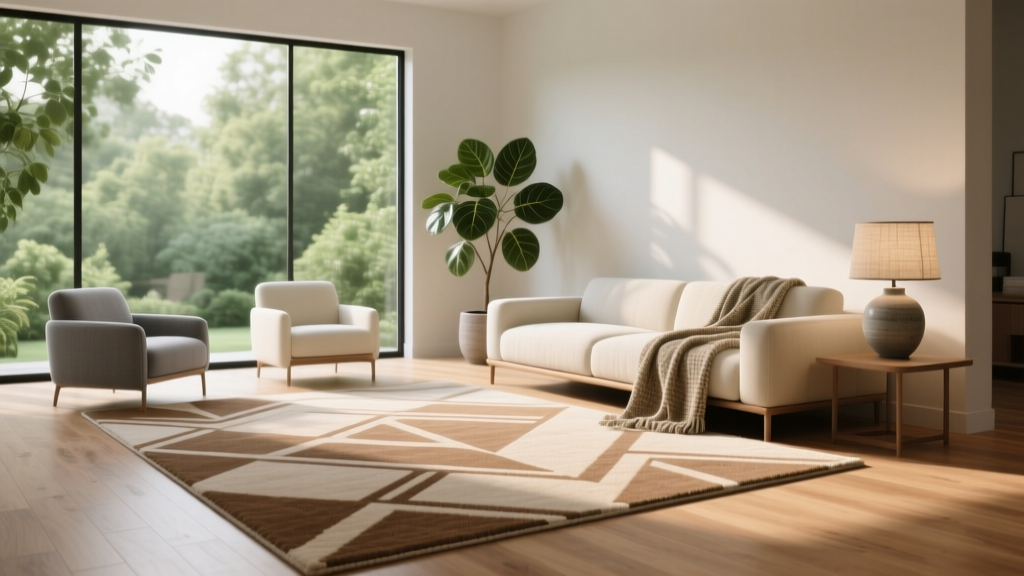
A large rug can be the single most transformative piece in a living room. It softens acoustics, adds comfort underfoot, and visually “locks” your seating area into a cohesive zone—especially in open-plan homes where the living space needs clear definition. When a room feels a little floaty or unfinished, the right oversized rug often solves it faster than new furniture.
But bigger isn’t automatically better if the sizing or placement is off. A too-small rug can make even beautiful furniture look disconnected, while a rug that’s oversized in the wrong way can crowd walkways and fight with your layout. The goal is balance: a rug large enough to anchor the room, frame the furniture, and create intentional borders.
This guide walks you through how to choose the right size, pick the best materials for your lifestyle, style colors and patterns confidently, and place a large rug like a designer. You’ll also get real-world scenarios (renters included), common mistakes to avoid, and a practical checklist to pull it all together.
Why a Large Rug Works (and When It’s Worth It)
In living room design, scale is everything. A large area rug helps create that sense of proportion and polish. It can:
- Anchor furniture so sofas and chairs feel connected rather than scattered.
- Define zones in open-concept layouts (living/dining, living/entry).
- Add warmth and quiet by reducing echo and softening hard floors.
- Introduce color, pattern, and texture without repainting or buying a new sofa.
A large rug is especially worth considering if you’re styling a large living room, a long narrow space, or a rental where you want maximum impact with minimal changes.
Step 1: Choose the Right Rug Size for Your Living Room
The fastest way to make a living room look more expensive is to size the rug generously. Most people go too small. Use these size guidelines as your baseline.
Living Room Rug Size Guidelines (Most Common Options)
- 8' x 10': Great for smaller living rooms or apartments where you can still get the front legs of furniture on the rug.
- 9' x 12': The sweet spot for many standard living rooms; comfortably fits a sofa, coffee table, and accent chairs.
- 10' x 14': Ideal for large living rooms or open-concept spaces where you want a substantial, anchored seating zone.
- 12' x 15' (or custom): Best for expansive great rooms, oversized sectionals, or when you want the entire furniture group fully on the rug.
Rule of Thumb: Leave a Border
A timeless principle: aim for 8–18 inches of bare floor between the rug and the walls. In smaller rooms, 6–10 inches can still look intentional. That border gives the rug room to “breathe” and prevents wall-to-wall carpet vibes (unless you’re intentionally layering over carpet).
Quick Measuring Method (No Guesswork)
- Map your seating area: Measure the width and depth of the space where the sofa and chairs sit.
- Add clearance: Add 6–12 inches beyond the furniture footprint where possible.
- Test with painter’s tape: Tape the rug outline on the floor and live with it for a day to confirm walkway clearance.
Walkway target: Keep main pathways at 30–36 inches wide whenever you can. If the room is tight, aim for 24–30 inches minimum.
Step 2: Pick a Placement Strategy That Matches Your Layout
Rug placement is what makes the room feel “designed.” With a large rug, your goal is to connect key pieces while preserving comfortable circulation.
Option A: All Front Legs on the Rug (Most Popular)
Place the rug so the front legs of the sofa and chairs sit on it, with the coffee table centered. This creates cohesion while keeping the rug size manageable.
- Works well for: apartments, smaller living rooms, versatile furniture arrangements
- Best rug sizes: 8' x 10', 9' x 12'
Option B: All Furniture Fully on the Rug (Luxurious and Grounded)
For large living rooms, place the rug so all seating furniture sits completely on it, including side tables if possible. It feels intentional and high-end.
- Works well for: large rooms, open plans, big sectionals
- Best rug sizes: 9' x 12', 10' x 14', larger/custom
Option C: Floating Rug (Only the Coffee Table on It)
This is usually the least flattering option, but it can work in very small rooms where a larger rug would block doors or pathways.
- Tip: If you must float, choose a rug that’s still visually substantial and ensure it’s centered precisely.
Sectional Sofa Tip
For sectionals, choose a rug that extends at least 6–12 inches past the outer edges of the sectional on the exposed sides. A too-narrow rug makes a sectional feel bulky and unbalanced.
Step 3: Choose the Right Rug Material for Your Lifestyle
The best living room rug isn’t just pretty—it performs. Material choice affects durability, maintenance, feel underfoot, and how the rug handles pets, kids, and everyday life.
Top Materials for Living Room Rugs
- Wool (Best all-around): Durable, naturally stain-resistant, cozy, and timeless. Great for high-traffic living rooms.
- Wool blends (Value option): Often less expensive while maintaining softness; check shedding and fiber density.
- Cotton (Casual, lighter): Budget-friendly and often washable in smaller sizes, but can wear faster in high traffic.
- Jute/Sisal (Textural, on-trend): Adds warmth and a natural look; best for low-spill households. Can feel rough and stain easily.
- Synthetic (Polypropylene/Polyester) (Family-friendly): Great for renters, kids, and pets. Easy-care and often budget-priced; can feel less luxe.
- Viscose/Bamboo silk (High sheen, delicate): Looks elegant but shows wear and water spots; better for formal living rooms.
Pile Height: What to Choose
- Low pile: Best for high traffic, dining-adjacent living rooms, and easy vacuuming.
- Medium pile: Comfortable, versatile for most living rooms.
- High pile/shag: Cozy and trendy, but harder to clean and can swallow small items (and pet hair).
Budget Ranges (Realistic Expectations)
- Budget ($150–$400): Mostly synthetic; great for rentals, first apartments, or trend-forward patterns.
- Mid-range ($400–$1,200): Wool blends, higher-quality synthetics, some hand-tufted options.
- Investment ($1,200–$3,500+): Hand-knotted wool, heirloom-quality pieces, custom sizing.
Product recommendation (universal): Add a rug pad—preferably felt + rubber—especially on hardwood. It improves comfort, prevents slipping, and helps the rug wear evenly.
Step 4: Style Color and Pattern Like a Designer
A large rug sets the tone for the whole room. If you want a living room that feels cohesive, start by deciding what role the rug should play: quiet foundation or statement maker.
If Your Furniture Is Neutral
Use the rug to add personality:
- Modern trend: muted vintage patterns (soft terracotta, faded navy, warm greige).
- Timeless: classic Persian-inspired motifs or subtle stripes.
- Contemporary: abstract designs with tonal movement.
If Your Sofa Is Bold (Color or Pattern)
Let the rug ground the room:
- Choose a neutral rug with texture (wool loop, jute, flatweave).
- Or pick a patterned rug that includes one or two colors from the sofa for an intentional connection.
Easy Color-Matching Formula
- 60% dominant color (walls, big upholstery)
- 30% secondary color (rug, curtains, accent chairs)
- 10% accent color (pillows, art, decor)
For living room decor that feels current, many designers are leaning into warm neutrals (oatmeal, camel, clay) paired with deep grounded tones (forest green, ink blue, oxblood) and natural textures (wool, linen, rattan).
Step 5: Make Furniture Placement Work on a Large Rug
Once the rug is down, it becomes your layout template.
Coffee Table and Rug Proportions
- Choose a coffee table that’s about 1/2 to 2/3 the length of your sofa.
- Keep 14–18 inches between the coffee table and sofa for comfortable legroom.
- Try to leave at least 12 inches of rug visible around the coffee table edges so it doesn’t look cramped.
Chairs, Side Tables, and Balance
- Ensure accent chairs sit at least partially on the rug to feel connected.
- Place side tables so they’re within 3 inches of the sofa or chair arm for practical reach.
- In symmetrical layouts, match chair spacing and use the rug to “square up” the arrangement.
Real-World Styling Scenarios
Scenario 1: A Small Apartment Living Room (Renter-Friendly)
You have a 72-inch sofa, one accent chair, and limited space. Choose an 8' x 10' low-pile rug. Place it so the sofa’s front legs and the chair’s front legs sit on the rug, with the rug extending a few inches beyond each side of the sofa if possible. Add a slip-resistant rug pad to prevent shifting on hardwood or laminate.
Style tip: Pick a patterned rug (vintage-inspired or geometric) to camouflage everyday wear and add character without repainting walls.
Scenario 2: Open-Concept Living/Dining Space
Your living area blends into a dining space and entry. Use a 9' x 12' or 10' x 14' rug to clearly define the living “zone.” Keep the rug edge aligned with the sofa back or slightly beyond it, and maintain a clear walkway to the dining area.
Style tip: Choose a rug that relates to the dining rug (similar undertone or complementary colors) but doesn’t match exactly—coordination looks more modern than identical sets.
Scenario 3: Large Family Living Room with Kids and Pets
Go for a durable, stain-resistant option: a low-pile wool or high-quality synthetic in a medium-to-dark, multi-tonal pattern. A 10' x 14' rug often works well with a sectional and two extra chairs.
Style tip: Add texture through pillows and throws, and keep the rug pattern slightly busier to hide crumbs and pet hair between cleanings.
Common Mistakes to Avoid When Styling a Large Rug
- Buying too small “just to save money”: A small rug can make the whole room feel smaller. If budget is tight, prioritize correct size in a more affordable material.
- Ignoring door swings and walkways: Check clearance for doors, drawers, and traffic paths before committing.
- Skipping the rug pad: Without it, rugs slide, corners curl, and wear increases.
- Choosing a delicate material for a high-traffic room: Viscose looks beautiful but can be high-maintenance in everyday living rooms.
- Overmatching everything: A rug that perfectly matches the sofa, curtains, and pillows can look flat. Aim for harmony, not duplication.
- Forgetting about scale of pattern: In large rooms, tiny repetitive patterns can look busy. In small rooms, oversized motifs may overwhelm—test with tape and photos.
Quick Styling Checklist (Use This Before You Buy)
- Measure your seating area and tape the rug outline on the floor.
- Choose placement: front legs on or all furniture on.
- Confirm walkways (target 30–36 inches where possible).
- Select material based on traffic level, pets, and cleaning habits.
- Pick a color strategy: statement rug or grounding neutral.
- Order a quality rug pad in the right size (trim if needed).
FAQ: Styling a Living Room with a Large Rug
What is the best rug size for a living room?
For many living rooms, 9' x 12' is the most versatile “designer” size. Smaller rooms often suit 8' x 10', while larger rooms and open plans may need 10' x 14' or bigger. The best size allows at least the front legs of all seating to sit on the rug.
Should a large rug touch the wall?
Usually, no. A clean border of bare floor looks more intentional. Aim for 8–18 inches between the rug and walls (or 6–10 inches in tight rooms). The exception is layering over wall-to-wall carpet or using custom sizes in very large spaces.
Can I put a large rug over carpet in a living room?
Yes, and it’s a great way to add style in rentals or builder-grade homes. Choose a low-pile or flatweave rug for a smoother look, and use a rug pad designed for carpet if slipping is an issue.
What rug material is best for pets?
Low-pile wool and quality synthetics are the most pet-friendly. They’re easier to vacuum and more resilient. Avoid delicate viscose and very high-pile shags if shedding, accidents, or frequent cleaning are concerns.
How do I stop a large rug from sliding or curling?
Use a proper rug pad (felt + rubber on hard floors), and make sure it’s slightly smaller than the rug. For curling corners, try rug corner grips or double-sided rug tape (test first on delicate flooring).
What’s the best rug color for a living room?
The best color depends on your goals. For a timeless foundation, go with warm neutrals (oatmeal, taupe, greige) or soft grays with texture. For a statement, look for rugs that pull in accent colors from art or pillows—muted vintage palettes are especially popular in current living room decor trends.
Next Steps: Bring Your Living Room Together
If you’re ready to style your living room with a large rug, start with measurements and placement—those two steps make everything else easier. Then choose a material that fits your day-to-day life, and let the rug guide your furniture arrangement and color palette. Even in a rental, a well-sized area rug can make the whole space feel more intentional, comfortable, and finished.
For more living room design tips, rug sizing guides, and decor ideas you can actually use, explore the latest inspiration on thedecormag.com.
More Articles
 Living Room Fireplace Styling Ideas (2026)
 Best Table Lamp Pairings for End Tables - The Decor Mag
 Living Room Neutral Color Scheme Ideas - The Decor Mag
 Floating Shelves Living Room Styling (2026)
 Bohemian Living Room Decor Ideas - The Decor Mag
 Maximalist Living Room Decor Done Right - The Decor Mag
 Rug Size for Living Room: How to Choose (2026)
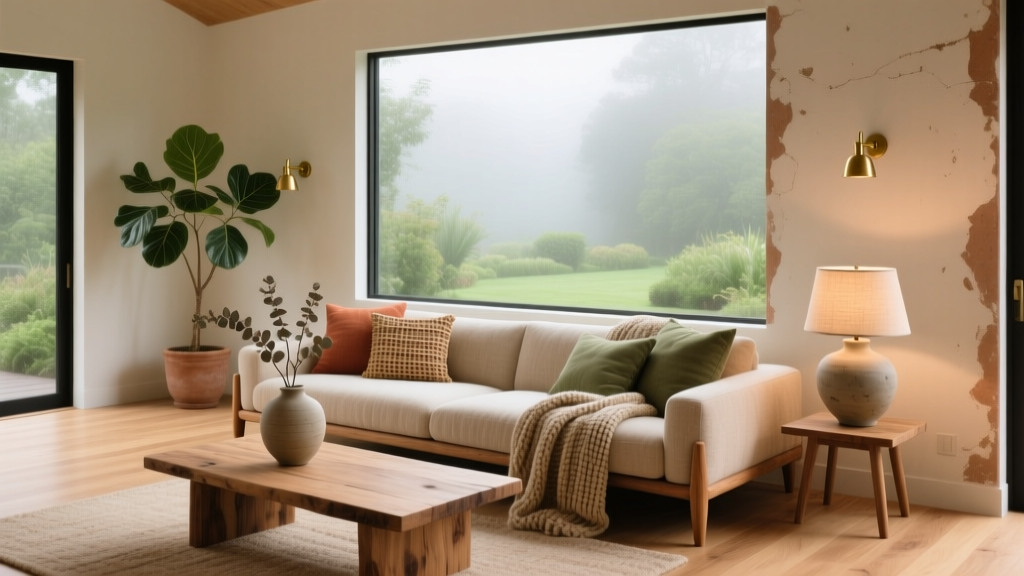 Living Room Earthy Organic Modern - The Decor Mag
 Practical vs Wood Flooring: 2026 Living Room Showdown
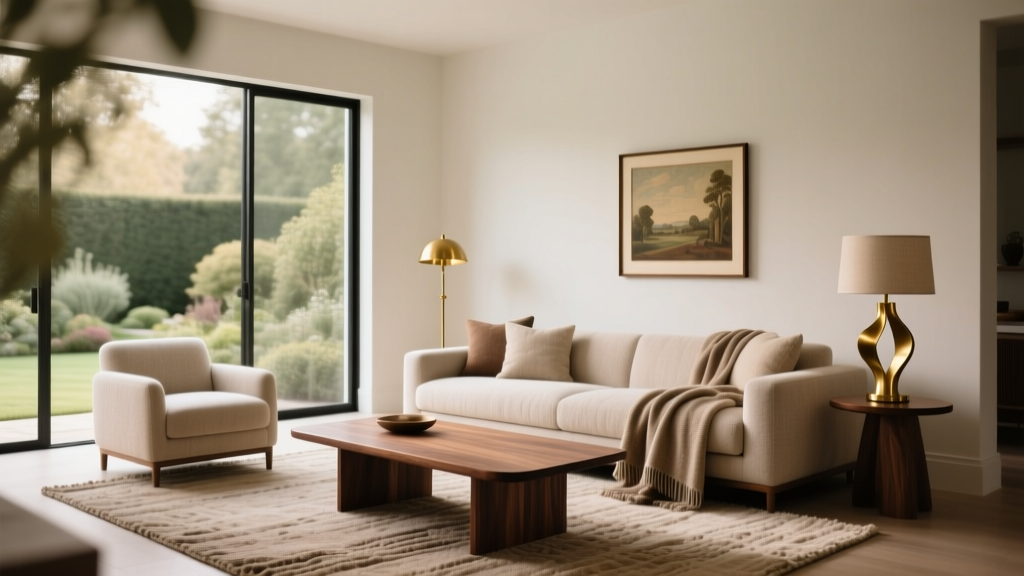 Living Room Classic Design Principles - The Decor Mag