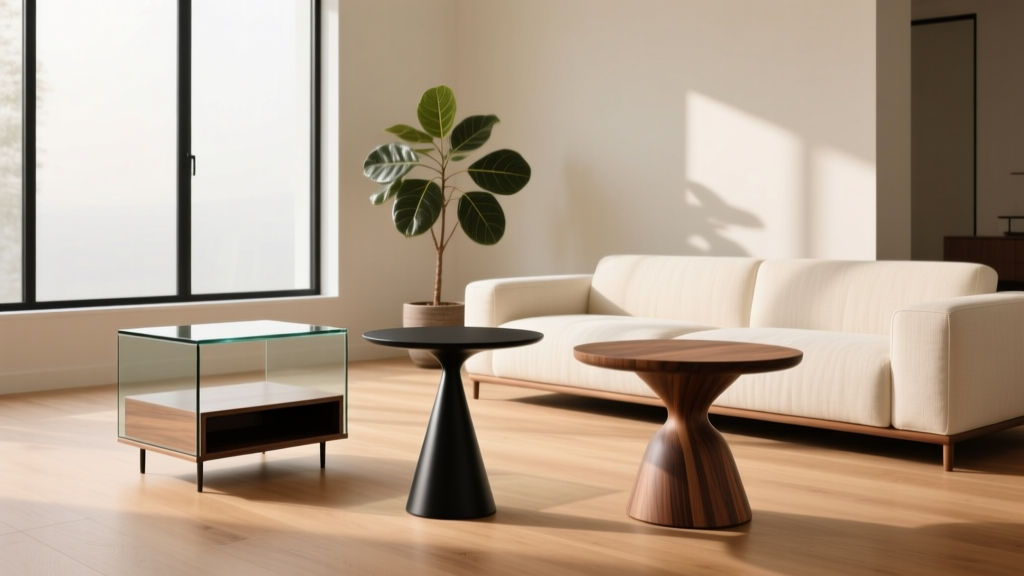
How to Choose the Perfect Side Table - The Decor Mag
A side table might seem like a small decision compared to a sofa or rug, but it’s one of those living room pieces you’ll use every single day. It’s where your coffee lands, where a lamp makes evenings feel cozy, where you set a book mid-chapter, and where a guest places a drink without awkward balancing. The right side table also quietly pulls your living room design together—adding structure, contrast, and personality.
This guide walks you through choosing the perfect side table for your space and lifestyle. You’ll learn how to nail the right size, pick materials that hold up to real life, match (or intentionally mix) styles, and avoid the most common buying mistakes. Along the way, you’ll find practical measurements, budget ranges, and real-world scenarios that make the decision feel straightforward.
Start With Function: What Do You Need Your Side Table to Do?
Before you shop, decide what “perfect” means for your home. Side tables do different jobs depending on who lives there and how the room is used.
Common side table roles
- Everyday landing zone: drinks, remotes, phone, candles, coasters
- Task lighting support: table lamp for reading or ambiance
- Extra storage: shelves or drawers for chargers, magazines, games
- Flexible seating support: pull next to an accent chair, move for entertaining
- Small-space multitasker: C-table that slides under a sofa, or nesting tables
Quick self-check
Ask yourself:
- Will people regularly eat or drink here? (Prioritize a stable, easy-clean surface.)
- Do you need hidden storage? (Consider a drawer, shelf, or lift-top.)
- Do you move furniture around often? (Go lighter, smaller, or add a table with an open base.)
- Do you have kids or pets? (Round edges and durable finishes matter.)
Get the Size Right: Height, Width, and Clearance
Proportion is what separates a “just okay” living room from a polished one. A side table that’s too tall feels awkward; too small looks lost and becomes inconvenient.
Ideal side table height (the rule designers use)
- Target height: Within 1–2 inches of your sofa arm height.
- Typical range: 22–26 inches tall for most standard sofas.
- If your sofa arms are low: Aim for 20–22 inches.
- If your sofa arms are tall: Aim for 24–28 inches.
Tip: Measure from the floor to the top of the sofa arm (or seat cushion if you prefer) and shop using that number.
Diameter/width: how much surface do you actually need?
- Small spaces: 12–18 inches wide (or round diameter) works well beside compact sofas and apartment sectionals.
- Standard needs: 18–24 inches wide fits a lamp + drink + small decor.
- Large sofas/sectionals: 24–30 inches wide can look more balanced and usable.
Clearance: keep the room easy to move through
- Leave 2–4 inches between the sofa and side table so it doesn’t feel jammed.
- Maintain 18–24 inches of walking clearance for main pathways.
- If the table sits near a door swing or recliner, measure the fully open position before buying.
Choose a Shape That Works With Your Layout
Side tables aren’t one-size-fits-all. Shape affects both comfort and visual flow in a living room.
Square or rectangular side tables
- Best for: structured layouts, modern or transitional living room decor, larger seating pieces
- Why they work: generous surface area; easy to style with a lamp + tray
- Watch for: sharp corners in tight walkways or kid-heavy homes
Round side tables
- Best for: small living rooms, high-traffic areas, families with kids
- Why they work: softens boxy furniture; safer and easier to move around
- Design trend: rounded silhouettes are popular right now, especially paired with textured materials like travertine or oak.
C-tables and slide-under tables
- Best for: renters, small apartments, lounging with a laptop or meals on the sofa
- Why they work: the base tucks under seating; saves space
- Tip: Check the clearance under your sofa—many require 1.5–2 inches of height to slide in smoothly.
Nesting tables
- Best for: entertaining, flexible living rooms, multipurpose spaces
- Why they work: expand when guests arrive; compress when you want breathing room
Pick the Right Material: Style, Durability, and Maintenance
Materials drive both the look and how a side table holds up. A beautiful piece that stains, scratches, or wobbles will frustrate you fast.
Wood (oak, walnut, mango, acacia)
- Vibe: warm, timeless, works with nearly any living room style
- Best for: cozy, organic modern, Scandinavian, traditional spaces
- Durability: strong; hides wear better in medium tones and textured grains
- Care: coasters recommended; avoid prolonged moisture
Metal (powder-coated steel, brass, blackened iron)
- Vibe: sleek, modern, often visually “lighter” than wood
- Best for: modern living rooms, industrial touches, tight spaces
- Durability: excellent; powder coating resists scratches better than paint
- Care: wipe clean; check for wobble and quality welds
Stone (marble, travertine, quartz, concrete)
- Vibe: elevated, sculptural, trend-forward but also classic in the right shapes
- Best for: making a small living room feel more luxurious
- Durability: varies—marble and travertine can etch; quartz is more forgiving
- Care: use coasters; seal natural stone if required by the manufacturer
Glass and acrylic
- Vibe: airy, minimal, great for visually expanding a space
- Best for: small apartments, layered decor where you don’t want heaviness
- Durability: tempered glass is sturdy; acrylic can scratch
- Care: microfiber cloth; avoid abrasive cleaners
Upholstered or ottoman-style side tables
- Vibe: soft, cozy, great for relaxed living rooms
- Best for: homes that prioritize comfort and flexible seating
- Tip: Add a tray to create a stable surface for drinks.
Match (or Mix) Your Living Room Decor Style
The best living room design looks collected, not copied from a showroom. Your side table can coordinate with your existing furniture—or intentionally contrast it for more depth.
Easy pairing formulas
- Modern sofa + warmth: add a wood side table in oak or walnut to soften clean lines.
- Traditional sofa + freshness: choose a streamlined metal or marble table to update the look.
- Neutral room + character: pick a table with texture—fluted wood, ribbed glass, or honed stone.
- Eclectic living room: mix eras (e.g., mid-century table beside a contemporary sofa) but repeat one element like finish, color, or shape.
Should side tables match each other?
Not necessarily. Matching tables create symmetry and calm—great if your living room already has strong patterns or bold art. Mismatched tables feel more curated, especially in open-plan spaces. A reliable approach is to keep one link between them:
- same height, different materials
- same material, different shapes
- same color family, different styles
Product Recommendations by Budget (What to Look For)
Rather than pushing one brand, shop by construction and features—those details determine whether a piece feels solid or flimsy.
Budget-friendly: $60–$150
- Best picks: C-tables, small round tables, nesting sets
- Look for: powder-coated metal, thicker legs, felt pads included
- Avoid: ultra-lightweight tops that flex; unstable three-legged designs unless well-built
Mid-range: $150–$400
- Best picks: solid wood or veneer done well, small drawer tables, mixed-material designs
- Look for: soft-close drawers, reinforced corners, quality hardware
- Great value: tables with a lower shelf for baskets or books
Investment: $400–$1,000+
- Best picks: solid hardwood, genuine stone tops, sculptural designs
- Look for: sealed stone, sturdy joinery, weight and balance
- Worth it when: the table is a focal point or you want heirloom longevity
Real-World Scenarios: What Works Where
Scenario 1: Small apartment living room with a loveseat
You have limited floor space and need the room to feel open. Choose a round side table around 16–18 inches in diameter and 22–24 inches tall. Materials like glass or light wood keep things airy. Add a small tray to corral essentials.
Scenario 2: Sectional sofa in a family room
Sectionals often need more substantial tables so they don’t look undersized. Try a 24–30 inch wide table at the end, and consider an additional small pull-up C-table near the chaise for drinks. Choose rounded edges and a durable finish (sealed wood, quartz, or powder-coated metal).
Scenario 3: A formal living room with two armchairs
Place a small table between the chairs so guests have a shared surface. A round pedestal table around 18–22 inches wide creates symmetry and looks intentional. A stone or wood top with a sculptural base feels elevated without trying too hard.
Step-by-Step: How to Choose Your Side Table in 15 Minutes
- Measure height: floor to sofa arm (target within 1–2 inches).
- Measure footprint: tape out the maximum width that won’t block walkways.
- Decide function: lamp support, storage, flexible pull-up, or purely decorative.
- Pick a shape: round for flow, square/rectangular for surface area, nesting for flexibility.
- Choose a material: based on lifestyle (kids/pets, entertaining, maintenance tolerance).
- Check stability: wide base, level legs, solid hardware; read reviews for wobble notes.
Common Mistakes to Avoid
- Buying without measuring: a table that’s too tall makes reaching uncomfortable; too short looks out of scale.
- Ignoring walkway clearance: tight paths make the whole living room feel cramped.
- Choosing style over practicality: porous stone with no coasters, or glass in a scratch-prone setup can become annoying fast.
- Going too small “to save space”: undersized tables don’t function well and can look accidental.
- Forgetting lighting needs: if your side table must hold a lamp, confirm the top is wide enough (generally at least 16–18 inches).
- Overmatching: identical everything can feel flat; consider mixing textures for a more layered living room decor look.
FAQ: Choosing the Perfect Side Table
What height should a side table be next to a sofa?
Aim for a side table that’s within 1–2 inches of your sofa arm height. Most living rooms land in the 22–26 inch range.
Can a side table be taller than the sofa arm?
Yes, but keep it subtle—about 1–3 inches taller at most. Taller tables can work well when holding a lamp, but too tall looks awkward and feels inconvenient for drinks.
Do side tables have to match the coffee table?
No. They should coordinate, not necessarily match. Repeating one element—wood tone, metal finish, or shape—helps the living room design feel cohesive while still layered.
What’s best for small living rooms: round, square, or nesting?
Round tables and nesting tables are often best for small living rooms because they improve traffic flow and add flexibility. C-tables are also excellent when floor space is tight.
What material is most durable for a side table?
For low-maintenance durability, consider powder-coated metal, sealed hardwood, or quartz. If you love marble or travertine, plan to use coasters to prevent etching.
How do I style a side table so it doesn’t look cluttered?
Use the “one tray + one tall + one personal” approach: a small tray for essentials, something tall (lamp or vase), and one personal item (book or decorative object). Leave some empty surface area so it stays functional.
Wrap-Up: Your Next Steps
Choose the perfect side table by letting real life lead the decision: measure your sofa height, map out a comfortable footprint, then pick a shape and material that supports how you relax, host, and move through your living room. If you’re torn between two options, prioritize the one that’s the right height and feels stable—those are the details you’ll appreciate daily.
Want more ideas for living room decor, layout help, and trend-forward styling? Explore more living room inspiration on thedecormag.com.
More Articles
 Texture in Minimalist Living Rooms (2026)
 Gallery Wall Ideas for Living Rooms (2026)
 Living Room Window Treatments for Privacy (2026)
 Warm, Budget-Friendly Living Spaces in 2026
 Living Room Statement Piece Furniture Guide - The Decor Mag
 Smart Space Allocation for Real Homes in 2026
 Cat Trees for Living Rooms: Stylish & Seamless (2026)
 Living Room Warm Minimalist Approach - The Decor Mag
 Living Room Decor with Hardwood Floors (2026)
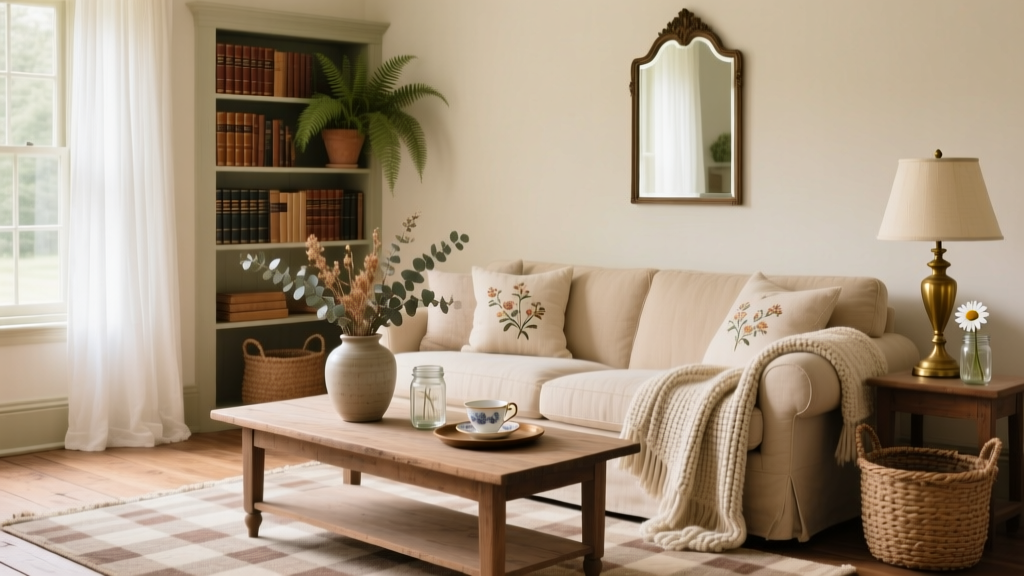 Living Room English Country Cottage Feel - The Decor Mag