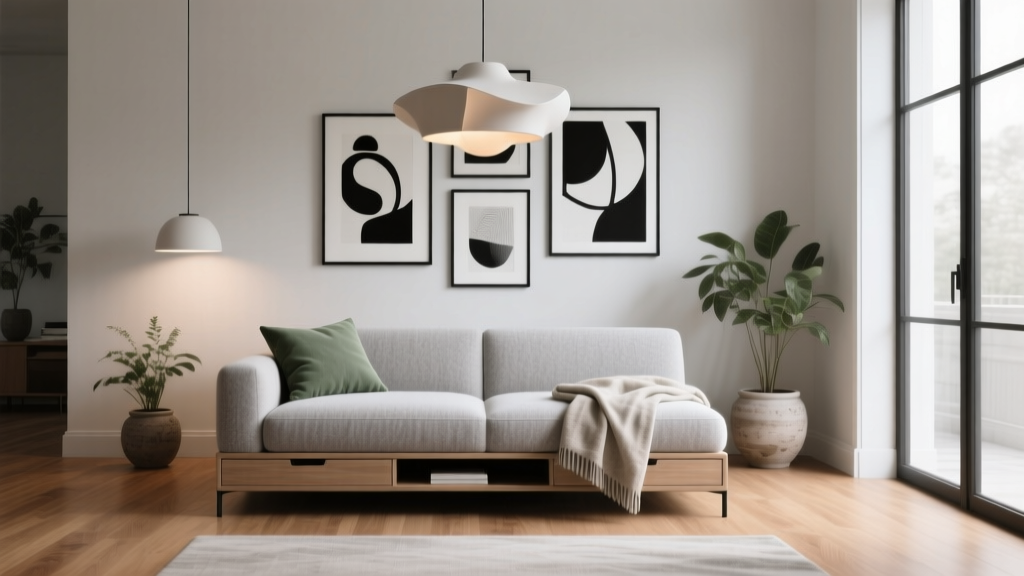
Best Daybeds for Living Room Guest Space (2026)
If your living room has to do double duty—movie nights one day, overnight guests the next—a daybed can be the smartest piece of furniture you add. It offers the comfort of a sofa, the practicality of a bed, and the style flexibility to blend into almost any living room design. For renters, it’s also a great way to avoid buying both a couch and a guest bed (especially when space is tight and layouts are unpredictable).
This guide breaks down the best daybed options for creating a welcoming living room guest space, from streamlined modern frames to storage-friendly trundles. You’ll learn what sizes work best, which materials hold up to real life, how to style a daybed so it looks intentional (not like a spare mattress in the corner), and which common mistakes can make a daybed feel awkward in a living room.
Why a Daybed Works So Well in a Living Room
A well-chosen daybed can solve three common living room challenges at once: seating, sleeping, and storage. Unlike many sleeper sofas, a daybed doesn’t rely on a fold-out mechanism, so it’s typically easier to maintain, more comfortable, and less “clunky” in daily use.
- Everyday function: Comfortable lounging and extra seating for guests.
- Overnight flexibility: A real sleep surface (especially with a quality mattress).
- Style range: Can read as a sofa, a chaise, or a built-in bench depending on how you style it.
- Space-efficiency: Great for studio apartments, small living rooms, and multipurpose layouts.
Start Here: Choosing the Right Size and Layout
Before you fall in love with a frame, map the daybed into your living room layout. Comfort comes from clearance, not just cushion quality.
Best Daybed Mattress Sizes for Guest Comfort
- Twin daybed (38" x 75"): Best for narrow living rooms, solo sleepers, teens, and occasional guests.
- Twin XL (38" x 80"): A smart upgrade for taller guests; same width as twin.
- Full daybed (54" x 75"): Best for couples (cozy), frequent guests, or anyone who wants a sofa-like depth with serious sleep comfort.
Living Room Clearance Measurements (Practical Rules)
- Leave 30"–36" for main walking paths (especially between the daybed and coffee table).
- Allow at least 18" between the daybed and side table for easy access.
- If your daybed has a trundle, measure for pull-out space: plan for 75"–80" of clear floor length in front.
- For TV viewing, place the daybed so guests can lounge without craning their neck—think “sofa alignment,” not “bed pushed to the wall with no sightline.”
Best Daybed Options by Type (With Design Guidance)
1) Sofa-Style Daybeds (Best for Everyday Living Room Seating)
Sofa-style daybeds have a back and arms (or at least one arm), so they visually read like a couch. This is the easiest way to make a daybed look intentional in a living room guest space.
Look for:
- Back height: roughly 28"–36" for comfortable lounging support.
- Upholstery: performance fabric (poly blends), top-grain leather, or durable linen-look weaves.
- Seat depth: a twin mattress is usually 38" deep; add layered pillows so it functions like a sofa depth (around 22"–26" usable).
Budget range: $450–$1,800 (frame + basic mattress); $1,200–$3,000 for higher-end upholstered designs.
Real-world scenario: A renter in a one-bedroom uses a neutral upholstered daybed in place of a standard sofa. With three 22" pillows along the back and a washable slipcover, it reads like a tailored couch, yet converts into a proper guest bed with fresh sheets kept in an ottoman.
2) Daybeds with Trundles (Best for Hosting Two Guests)
If you host family holidays or friends in pairs, a trundle daybed is one of the most efficient sleep solutions for a living room. It looks neat day-to-day, then expands into two sleep surfaces at night.
Key detail: Many trundles sit lower than the main mattress. For adult comfort, look for a “pop-up” trundle that rises to match the main bed height.
What to buy:
- Main mattress: 8"–10" hybrid or high-density foam
- Trundle mattress: 6"–8" (check maximum height your frame allows)
Budget range: $500–$1,500 for the frame; $300–$1,200 per mattress depending on quality.
Real-world scenario: A small living room in a townhome uses a wood trundle daybed under a gallery wall. On weekdays it’s a reading nook; on weekends, it sleeps two kids comfortably during sleepovers, with bedding stored in labeled bins under a console table.
3) Storage Daybeds (Best for Linens, Off-Season Items, and Small Homes)
Storage daybeds are ideal when your living room guest space also needs to hold extra blankets, pillows, or even paperwork. Some offer drawers; others have lift-up platforms.
Design tip: If your daybed has drawers, choose a layout where drawers open freely without hitting a rug edge or coffee table.
Materials that perform well:
- Plywood + solid wood rails: sturdy and less prone to sagging than particleboard
- Powder-coated steel frames: great for thinner profiles and modern-industrial living room decor
Budget range: $650–$2,200 depending on construction and upholstery.
4) Minimal Metal or Wood Frame Daybeds (Best for Airy, Small Living Rooms)
If your living room feels crowded, choose a daybed with a slim silhouette—open metal sides or a light wood frame. These feel visually lighter than bulky upholstered pieces and pair well with modern, Scandinavian, coastal, and transitional living room styles.
Best for:
- Small apartments and studio layouts
- Rooms that need more negative space
- Homeowners who like changing decor seasonally (a simple frame is a blank canvas)
Budget range: $250–$1,200 for the frame; add $300–$1,000 for a quality mattress.
5) Daybed “Nook” or Built-In Look (Best for a Designer Finish)
This option is less about a specific product and more about styling. A daybed placed wall-to-wall with drapery panels, layered art, and tailored pillows can look like a custom banquette—especially if you add a long shelf or picture ledge above it.
On-trend, timeless approach: warm neutrals, textured fabrics, and layered lighting (plug-in sconces or swing-arm lamps) to make the space feel intentional and cozy.
Budget range: $700–$3,500 depending on frame/upholstery and how far you go with built-in styling elements.
Mattress and Cushioning: What Makes Guests Sleep Well
A daybed can look gorgeous and still be uncomfortable if the mattress isn’t right. For a living room guest bed, comfort and durability matter more than ultra-plush softness.
Recommended Mattress Specs
- Thickness: 8"–10" (twin) or 10"–12" (full) if your frame allows
- Material: hybrid (foam + coils) for bounce and airflow, or high-density foam for a quieter sleep surface
- Support: medium to medium-firm tends to suit the widest range of guests
Don’t Skip These Comfort Add-Ons
- 2"–3" mattress topper (especially if using a firmer foam mattress)
- Mattress protector (quiet, breathable, washable)
- Quality sheets with deep pockets if you add a topper
How to Style a Daybed So It Looks Like a Living Room Piece
The secret to a daybed that blends seamlessly into living room decor is intentional layering. You’re creating a “sofa moment” that can turn into a bed in minutes.
Pillow Formula (Easy and Reliable)
- Back layer: 2–3 Euro pillows (26" x 26") or 3 standard bed pillows in matching shams
- Support layer: 2 lumbar pillows (12" x 20" or 14" x 36")
- Accent layer: 1–2 patterned pillows that tie into your rug or curtains
Throw and Rug Tips That Make It Feel Finished
- Drape a 50" x 60" or larger throw over one corner for a relaxed, inviting look.
- Use a rug large enough that at least the front legs of nearby seating sit on it; for many living rooms, 8' x 10' is the sweet spot.
- If the daybed is the main seating, anchor it with a coffee table 14"–18" away for comfortable reach.
Lighting for a Guest-Ready Setup
- Add a reading light: floor lamp with an adjustable arm or a plug-in sconce.
- Keep a charging spot nearby: slim side table + cord management box.
Product Recommendations: What to Look for When Shopping
Instead of a single “best” daybed for everyone, focus on specs and features that match your living room needs and your budget.
Best Features for Real Homes
- Sturdy support system: close-set wood slats or a steel platform; avoid wide slat gaps that lead to sagging
- Weight capacity: check for at least 400–600 lbs for adult use
- Performance fabric: ideal for pets, kids, and frequent lounging
- Removable cushion covers: a game-changer for renters and high-traffic homes
Budget Tiers (What You Can Expect)
- $250–$600: simple metal/wood frames; plan to invest in a better mattress
- $600–$1,500: stronger construction, trundle/storage options, improved finishes
- $1,500–$3,500+: upholstered designer styles, premium fabrics, better detailing, longer-lasting comfort
Step-by-Step: Set Up a Living Room Guest Space Around a Daybed
- Pick your daybed location: place it where it feels like seating first (often along the longest wall).
- Measure clearances: confirm 30"–36" walkways and trundle pull-out space if needed.
- Choose a mattress + topper combo: aim for medium-firm with a 2"–3" topper for universal comfort.
- Create a bedside zone: side table (or C-table) + lamp + outlet access.
- Store guest essentials nearby: a lidded basket or ottoman with sheets, towels, and a spare pillow.
- Style it like a sofa: layered pillows, throw, and a nearby rug to anchor the seating area.
Common Mistakes to Avoid
- Buying a daybed that looks like a bed: overly ornate headboards or visible mattress edges can feel out of place in a living room. Choose sofa-like lines or style it thoughtfully.
- Ignoring mattress height limits: especially with trundles—too-thick mattresses can prevent smooth operation or look bulky.
- Not planning for bedding storage: if guests need to sleep there, you need a place for sheets, blankets, and extra pillows.
- Forgetting about daily comfort: if this is your main seating, prioritize back support and pillow structure.
- Cramming it into a tight corner: if you can’t walk comfortably around it, the whole living room will feel smaller.
FAQ: Daybeds in Living Rooms
Is a daybed comfortable enough for overnight guests?
Yes—if you treat it like a real bed. Choose a quality 8"–12" mattress (depending on frame limits) and add a breathable mattress topper and proper pillows. Many guests find a daybed more comfortable than a sleeper sofa.
What’s the best daybed size for a small living room?
A twin (38" x 75") is usually the easiest fit. If you host taller guests, a twin XL adds length without taking up extra width.
How do I make a daybed look like a sofa?
Use a layered pillow setup (Euro or standard pillows as a backrest), add a throw, and place a side table and lamp next to it. Upholstered frames or daybeds with arms also help it read as living room seating.
Should I choose a trundle or storage drawers?
Choose a trundle if you often host two sleepers. Choose drawers if you need linen storage and usually host one guest at a time. If space allows, a pop-up trundle offers the most flexibility.
What materials hold up best for a daybed used every day?
Look for performance upholstery (poly blends, Crypton-type fabrics), powder-coated steel, and frames built with solid wood rails or quality plywood. Avoid flimsy slats and low-density foam cushions if it will function as your main sofa.
Where should I place a daybed in a living room layout?
The best placement is typically along a main wall where a sofa would go, with a coffee table 14"–18" away and clear walking paths around it. If it’s near a window, add side panels or a shade for privacy when guests sleep.
Next Steps: Choose Your Daybed Style and Make It Guest-Ready
Start by measuring your living room and deciding how often you host overnight guests. If it’s occasional, a slim, sofa-style daybed with a great mattress is usually the best balance of comfort and design. If you host frequently (or host two people), a trundle daybed can turn your living room into a true guest space without sacrificing everyday style.
- Measure your available wall length and walking clearances.
- Pick a daybed type: sofa-style, trundle, storage, or minimal frame.
- Upgrade comfort with a quality mattress, topper, and layered pillows.
- Add a lamp, side table, and hidden bedding storage for a polished finish.
For more living room design and decor ideas—from small-space layouts to cozy guest-ready styling—explore the latest inspiration on thedecormag.com.
More Articles
 The Best Accent Chairs for Living Rooms - The Decor Mag
 Texture in Minimalist Living Rooms (2026)
 Family Living Room Layouts for Movie Night
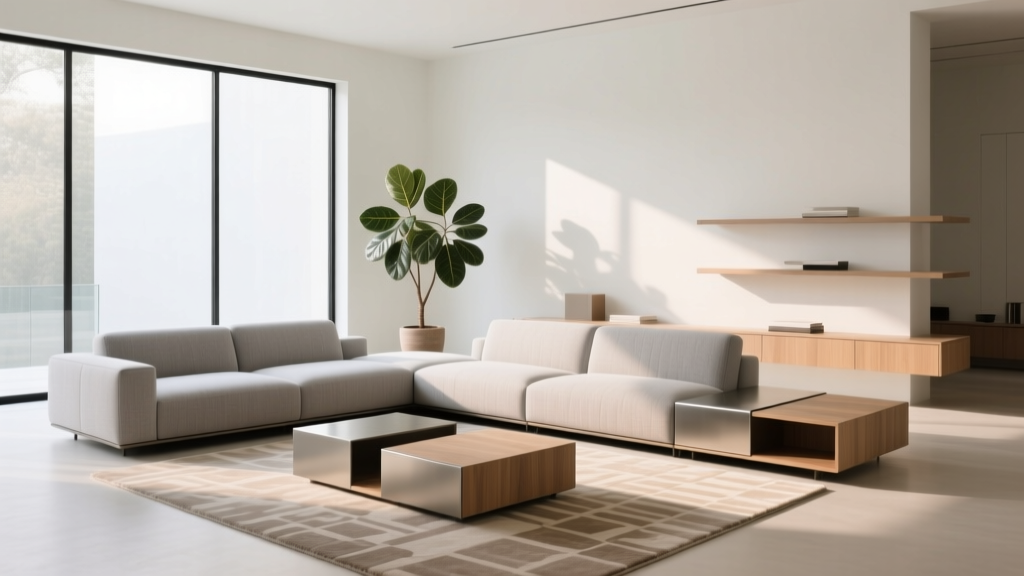 Best Modular Furniture for Living Rooms (2026)
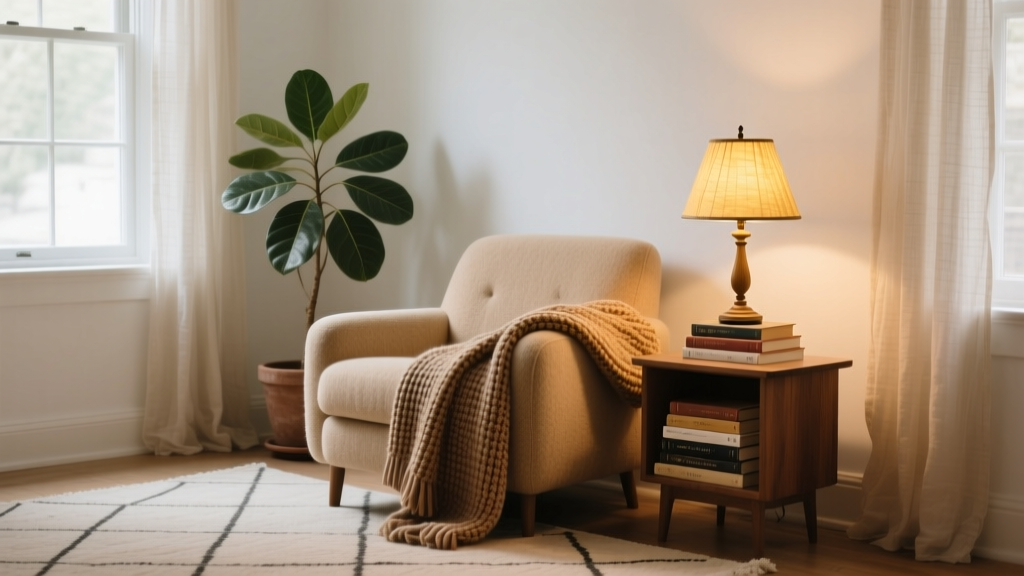 Cozy Reading Nook Ideas: Soul-Warming Spaces (2026)
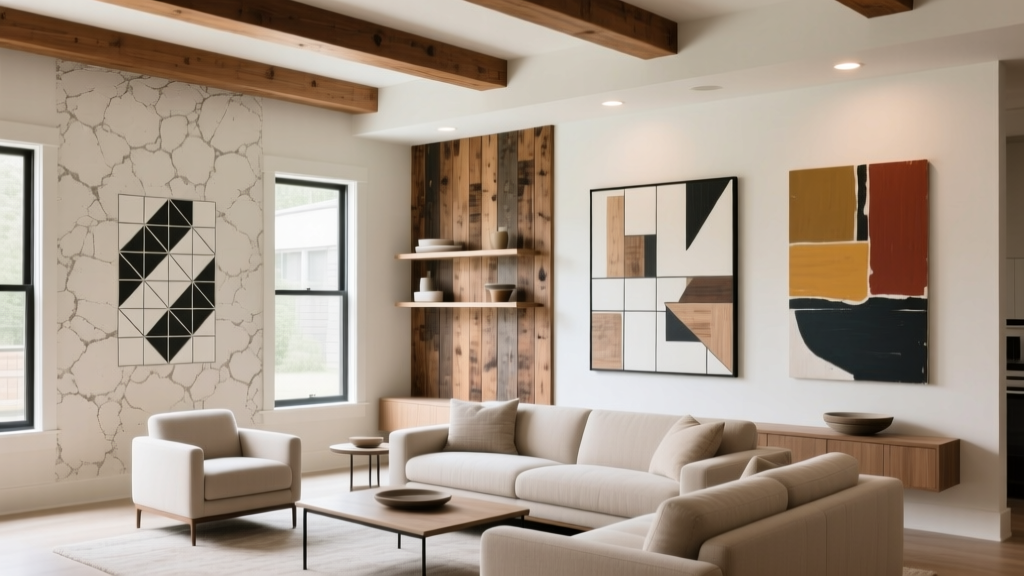 Best Accent Wall Treatments Under $500 - The Decor Mag
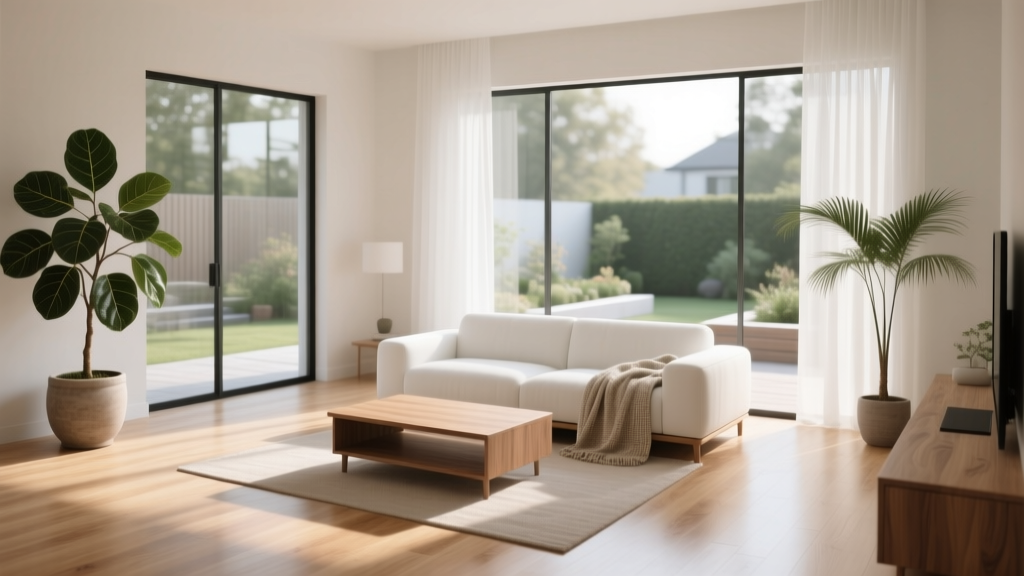 Living Room Bright Airy Design Tips - The Decor Mag
 Living Room Soft Glam Decor Tips - The Decor Mag
 Living Room Window Treatment Trends - The Decor Mag
 Open Concept Living Room Furniture Arrangement