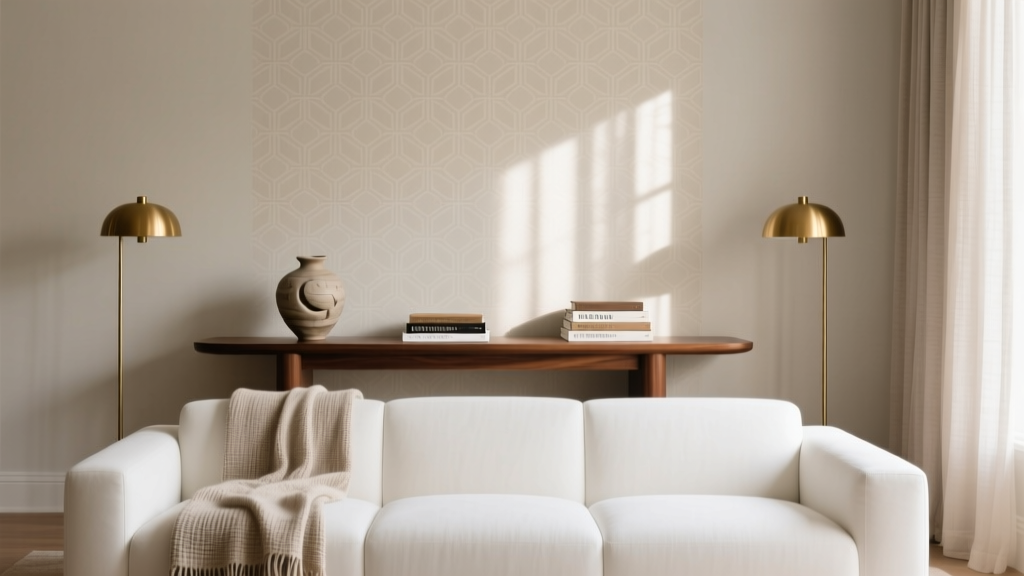
Console Table Behind Sofa: Styling Ideas (2026)
A console table behind the sofa is one of those living room design moves that looks effortlessly “pulled together”—but it also works hard. It can solve awkward spacing in an open-plan room, add much-needed surface area for lighting and drinks, and create a visual bridge between the sofa and the rest of the space. For renters, it’s a no-renovation way to add storage and style; for homeowners, it’s a subtle upgrade that makes the room feel thoughtfully finished.
The best part is that a sofa console table can flex to match your lifestyle. Need a drop zone for keys and mail? A place to charge devices? A spot to layer decor without cluttering your coffee table? With the right measurements, a smart layout, and a few timeless styling principles (plus a nod to current trends), you can create a behind-the-couch moment that looks designer—and functions better every day.
Below, you’ll learn how to choose the right console size, what materials perform best, how to style it step by step, and how to avoid the most common mistakes that make console tables look messy or out of scale.
Why a Console Table Behind the Sofa Works So Well
When you place a console table behind a sofa, you’re essentially adding a “back layer” to your living room. This is especially helpful in:
- Open-concept living rooms where the sofa floats in the middle of the space and needs grounding.
- Small living rooms where you want function without crowding the coffee table area.
- Family rooms that benefit from extra surfaces for lamps, snacks, or devices.
- Rental apartments where you can’t add built-ins but still want storage and a styled look.
From a decorating standpoint, a console table also helps with:
- Balance and scale (the back of the sofa isn’t a big blank wall of upholstery).
- Layering (lighting + art + decor creates depth).
- Traffic flow (you can define a walkway behind the sofa more clearly).
Choose the Right Console Table: Measurements That Matter
Ideal Height
A good rule: the console table should be within 1–2 inches of the sofa back height (or slightly lower). If it’s much taller, it can feel looming; much shorter and it can look like it’s “sinking” behind the sofa.
- Typical sofa back height: 30–36 inches
- Recommended console height: 28–36 inches
Best Length
Aim for a console that’s about two-thirds to nearly the full length of your sofa.
- For an 84-inch sofa: try a 56–80 inch console
- For a 72-inch sofa: try a 48–68 inch console
If you can’t find the perfect size, two smaller consoles or a console + narrow cabinet combination can work beautifully in larger rooms.
Depth (This One Prevents Daily Annoyances)
Depth determines whether your living room feels sleek or cramped. Most behind-sofa setups do best with:
- Best all-around depth: 10–14 inches
- For tighter walkways: 8–10 inches
- If you want it to function like a bar/desk: 14–18 inches (only if you have space)
Walkway clearance tip: If there’s a path behind the sofa, try to keep 30–36 inches of clear walking space from the console edge to the next obstacle (wall, dining table, etc.).
Material and Finish Recommendations (Style Meets Real Life)
The right materials make your console table behind the sofa feel cohesive with your living room decor—and stand up to daily use.
Best Console Materials by Lifestyle
- Solid wood or veneer: Warm, timeless, and forgiving. Great for everyday family rooms.
- Metal frame + wood top: A current favorite for modern, industrial, and transitional spaces. Usually lighter visually.
- Stone or faux marble top: Elevated and trend-forward; great for glam or modern rooms. Choose rounded corners if you have kids.
- Glass: Visually light for small living rooms, but shows fingerprints and requires more upkeep.
Finish Pairings That Look Intentional
- Warm wood console + brass accents: classic, inviting, and very on-trend
- Black console + mixed metals: crisp contrast that suits modern and traditional rooms
- Light oak console + textured ceramics: perfect for Scandinavian, coastal, or organic modern interiors
Budget Ranges to Expect
- Budget: $90–$250 (flat-pack consoles, narrow metal-frame styles)
- Mid-range: $250–$700 (better finishes, sturdier construction, drawers)
- Investment: $700–$2,000+ (solid wood, designer pieces, custom sizing)
Step-by-Step: How to Style a Console Table Behind Your Sofa
Use this as your go-to formula. You can adapt it to any living room style—modern, farmhouse, traditional, minimalist, or eclectic.
Step 1: Anchor with Lighting (Function First)
Lighting makes a behind-the-sofa console feel purposeful, not random. Choose:
- Two matching table lamps for symmetry and a polished look
- One statement lamp plus decor on the other side for an asymmetrical, collected feel
Shade height tip: When seated, the bottom of the lampshade should sit roughly at eye level or slightly below. Most living rooms do well with 26–32 inch tall table lamps on a console.
Step 2: Add Height with Art or a Mirror
A mirror bounces light and visually expands small living rooms. Art adds personality. Either way, you want the vertical element to feel connected to the console.
- Art sizing guideline: aim for artwork that’s about two-thirds the console length (or a grouped gallery that spans that width).
- Placement guideline: hang art so the center is around 57–60 inches from the floor (adjust slightly depending on ceiling height and furniture).
Trend to try: Oversized, softly abstract art in warm neutrals or earthy tones works beautifully with the current organic modern trend—especially when paired with textured ceramics and natural wood.
Step 3: Build a Balanced “Triangle” with Decor
Decor looks best when it creates a gentle rhythm of heights. Think: tall, medium, low.
Try this easy styling trio:
- Tall: lamp, vase with branches, or a sculptural object
- Medium: stacked books, a bowl, or a framed photo
- Low: tray, coaster set, or small candle
Step 4: Corral Clutter with a Tray
A tray instantly makes practical items look intentional. It’s one of the simplest upgrades for everyday living room decor.
- What to place on a tray: coasters, a candle, a small plant, matches, a decorative box
- Best tray size: roughly 12–18 inches wide for most consoles
Step 5: Add Storage (Especially for Real Homes)
If your living room doubles as a family room, choose a console with drawers or baskets underneath.
- Drawer-friendly items: remotes, chargers, batteries, playing cards
- Basket-friendly items: throws, kids’ toys, extra candles, magazines
Quick win: If your console has an open shelf, add two or three matching baskets for a cleaner, more cohesive look.
Step 6: Make It Feel Lived-In (But Not Messy)
The most beautiful console tables don’t look staged—they look curated. Add one personal touch:
- a framed photo in a high-quality frame
- a small travel souvenir (kept minimal and sculptural)
- a favorite book with an intentional color palette
Product Recommendations That Work in Most Living Rooms
Rather than naming a single “best” item, here are smart categories that reliably look good behind a sofa and suit a range of budgets.
Console Table Styles to Consider
- Narrow console with drawers (10–14 inches deep): best for daily functionality
- Waterfall console (wood or stone-look): clean, modern, and visually striking
- Metal-frame console with lower shelf: great for baskets and layered styling
- Parsons-style console: timeless lines that fit almost any decor style
Decor Staples Worth Buying
- Two substantial lamps (or one statement lamp): $60–$350 each
- Large mirror or oversized art print: $80–$600
- Textured vase (ceramic/stoneware): $25–$180
- Decorative tray (wood, leather, metal): $20–$150
- Cord management kit (adhesive clips + cable box): $10–$40
Real-World Styling Scenarios (So You Can Picture It)
Scenario 1: Small Apartment with a Floating Sofa
You have a loveseat or apartment sofa floating in the room, and you need a walkway behind it. Choose a console 8–10 inches deep with a slim profile.
- One medium lamp (28–30 inches tall)
- A round mirror to bounce light
- A tray for keys + coasters
- A small plant or bud vase
Result: The living room feels finished and functional without sacrificing walking space.
Scenario 2: Family Living Room That Needs Hidden Storage
You want the room to feel calmer, but you’re always dealing with remotes, chargers, and toys. Pick a console with drawers or an open shelf for baskets.
- Two sturdy lamps for balanced lighting
- Large framed art (or a washable framed textile behind acrylic for texture)
- Matching baskets below for quick cleanup
- A lidded box on top for “daily clutter”
Result: You get a styled look that holds up to real life.
Scenario 3: Open-Concept Home Where the Sofa Faces the Kitchen
Your sofa acts as a divider between living and kitchen/dining zones. Use a long console (closer to the sofa length) to reinforce that boundary.
- Pair of lamps to create ambiance at night
- A large bowl or tray that can double as a snack/serving station
- Stools tucked under (only if you have adequate walkway clearance)
Result: The living room feels anchored and intentionally zoned.
Common Mistakes to Avoid
- Choosing a console that’s too deep: It crowds the walkway and makes the space feel tight. Stick to 10–14 inches in most rooms.
- Ignoring scale: A tiny console behind a large sectional looks lost; an oversized console behind a petite sofa looks heavy.
- Too many small decor items: This reads as clutter. Fewer, larger pieces feel more elevated.
- No cord plan: Visible lamp cords instantly break the polished look. Use adhesive cord clips and a cable box.
- Perfect symmetry when the room isn’t symmetrical: If your sofa is off-center or the wall art can’t be centered, lean into an asymmetrical styling layout.
- Blocking vents or pathways: Always check floor vents, radiator access, and primary walk routes before committing.
FAQ: Styling a Console Table Behind Your Sofa
How much space should be between the sofa and the console table?
Ideally, keep it close—about 1–3 inches behind the sofa. This prevents items from falling and keeps the setup looking intentional. If you need to access outlets, you can go slightly wider, but avoid large gaps that look accidental.
Should the console table be taller than the sofa?
Usually no. Aim for the console to be level with the sofa back or slightly lower. A console that’s significantly taller can feel top-heavy and may interfere with sightlines.
What can I use instead of a console table behind a couch?
If a console won’t fit, try:
- a narrow bench (styled with a tray)
- a low bookcase (watch the depth)
- two slim pedestal tables placed behind each sofa end
- a custom shelf ledge mounted on the wall (great for tight rentals if allowed)
How do I style a console table behind a sectional?
Focus on the longest straight section. You can use one longer console or two shorter ones. Keep heights consistent and repeat materials (matching lamps or similar decor finishes) so it reads as one cohesive moment.
What’s the best way to hide cords for lamps on a sofa console table?
Run cords straight down the back using adhesive cord clips, then tuck excess into a cable management box near the outlet. If possible, use a slim surge protector mounted to the back underside of the console with removable strips.
Can I put stools under a console table behind my sofa?
Yes—if you have space. Choose a console with at least 30 inches of leg clearance width per stool (or measure your stool widths) and confirm you’ll still have 30–36 inches of walkway clearance behind the stools when they’re tucked in.
Your Next Steps: A Simple Plan for a Pulled-Together Look
If you want a console table behind your sofa to look styled (not stuffed), start with these three moves:
- Measure first: height within 1–2 inches of the sofa back, depth 10–14 inches, length around two-thirds of the sofa.
- Pick a lighting plan: one statement lamp or two matching lamps, with cords managed from day one.
- Style in layers: art or mirror behind, a tray to corral essentials, and a few larger decor pieces instead of many small ones.
Once the foundation is right, you can refresh seasonally—swap in a new vase, rotate books, or switch art—without redoing the whole living room.
Want more ways to elevate your living room? Explore more living room design and decor ideas on thedecormag.com.
More Articles
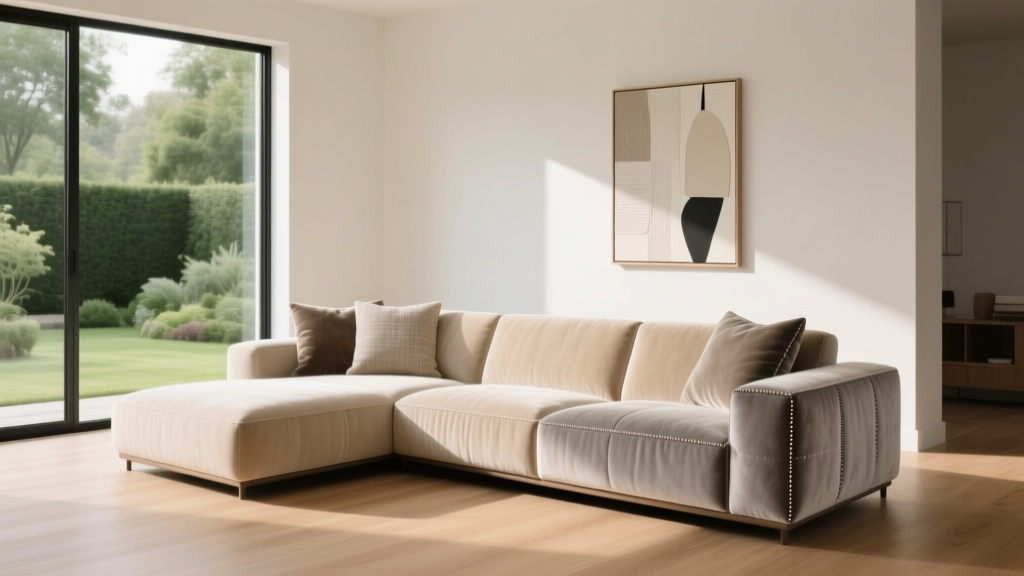 Best Fabrics for Living Room Upholstery - The Decor Mag
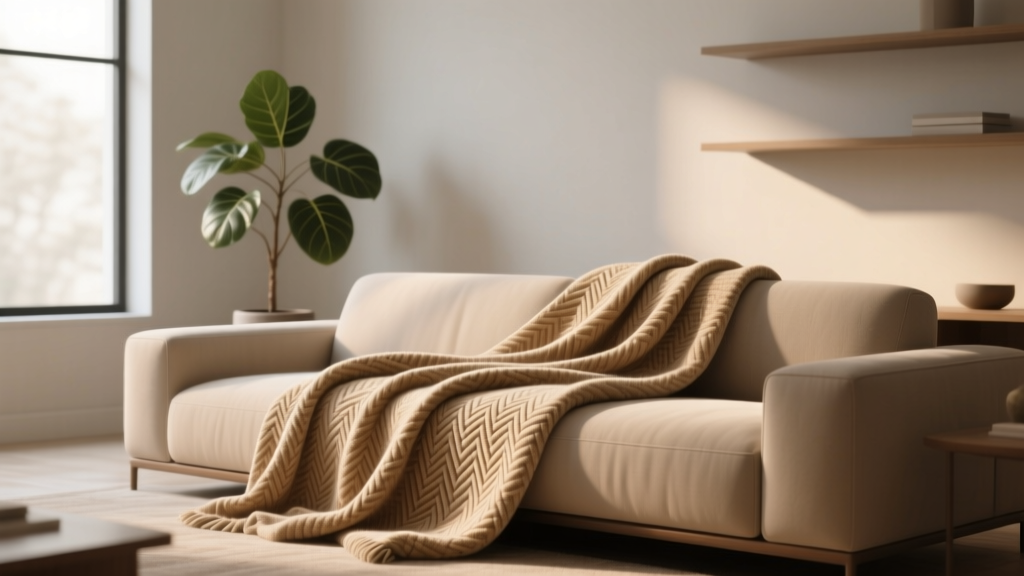 How to Choose the Perfect Throw Blanket - The Decor Mag
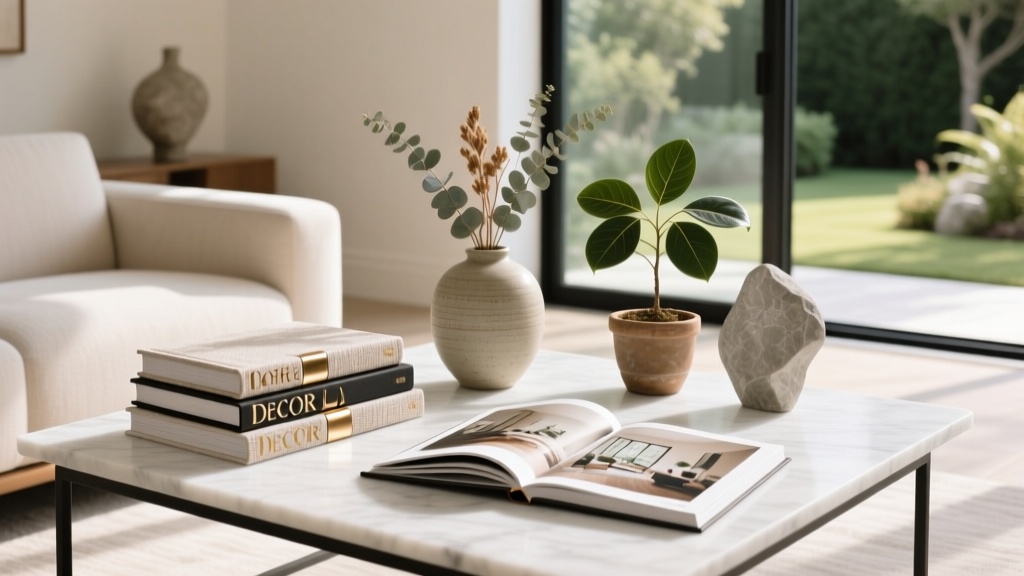 Best Coffee Table Books for Styling - The Decor Mag
 Best Bar Cart Placement in Living Rooms - The Decor Mag
 Smart Function Storage Ideas for Real Living Spaces
 Cheap vs Premium Decor: What’s Worth It in 2026?
 Scandinavian Living Room Design Essentials - The Decor Mag
 Best Sideboard Storage for Living Rooms - The Decor Mag
 Best Paint Colors for North-Facing Living Rooms (2026)
 Best Family Checklist System for Modern Homes (2026)