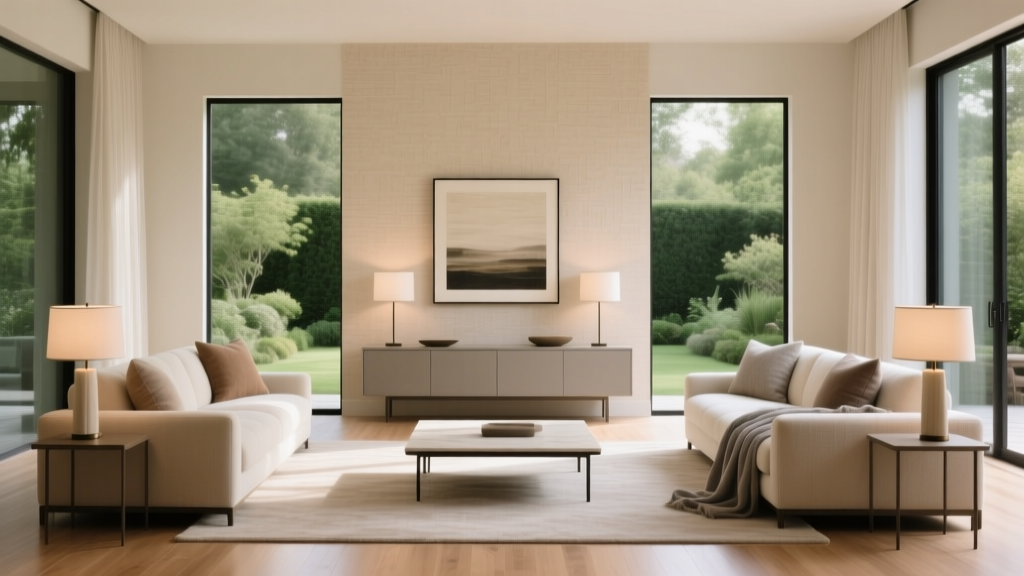
Living Room Symmetrical Design Principles - The Decor Mag
Symmetry is one of those design “tools” that works almost everywhere—especially in the living room, where you want the space to feel welcoming, calm, and pulled together. When a room feels slightly off (even if you can’t explain why), the issue is often visual imbalance: one side looks heavier, taller, brighter, or busier than the other. Symmetrical living room design principles give you a reliable framework to fix that, whether you’re decorating from scratch or trying to make an existing layout feel more intentional.
The best part: symmetry isn’t only for traditional homes. It can look classic and elegant, but it can also feel modern, minimal, cozy, or even eclectic—depending on the materials, colors, and styling choices you make. In this guide, you’ll learn how to build symmetry around a focal point, choose the right furniture sizes, place lighting and art with confidence, and use “soft symmetry” so your room feels balanced without looking staged.
You’ll also get real-world scenarios (small apartment layouts, open-plan living rooms, TV-first spaces), common mistakes to avoid, and a set of step-by-step actions you can do this weekend—no renovation required.
What Symmetry Means in Living Room Design (and Why It Works)
Symmetry in interior design is the intentional mirroring of elements across an axis—usually a centerline. In a living room, that axis often runs through the focal point (a fireplace, a TV wall, a picture window) and extends out into the seating arrangement.
Three Types of Balance You’ll Use Most
- Formal symmetry: Exact mirroring—two matching sofas, two identical lamps, twin chairs, matching side tables. Great for traditional, transitional, and “hotel lobby” polish.
- Soft symmetry (aka relaxed symmetry): The layout mirrors, but pieces don’t match exactly—two different chairs of similar visual weight, or two similar lamps in different finishes. Ideal for modern and eclectic rooms.
- Asymmetrical balance: Not symmetrical, but still balanced through size, color, and visual weight. Useful when symmetry isn’t practical (like a doorway on one side), but you still want a composed look.
Symmetry works because it’s easy for the eye to read. The brain likes patterns, and symmetrical rooms feel stable. When your living room is a daily-use space—hosting guests, watching movies, working from the couch—that sense of order helps the room feel restful instead of chaotic.
Start with a Focal Point and Draw the “Centerline”
Every successful symmetrical living room starts with a focal point. The focal point isn’t always architectural; you can create one with furniture and decor.
Common Living Room Focal Points
- Fireplace mantel
- TV wall or media console
- Large window or a set of French doors
- Statement art wall
- Built-ins or bookcases
Quick Step-by-Step: Find Your Axis
- Stand facing your focal point.
- Imagine (or tape) a line straight down the center.
- Place the largest seating piece (sofa or sectional) centered on that line whenever possible.
- Build outward with matching or visually comparable pieces on each side.
Renters tip: If your room has no obvious focal point, create one with a large area rug + coffee table + centered sofa, then anchor it with oversized art or a removable peel-and-stick mural behind the sofa.
Symmetrical Furniture Layouts That Work in Real Homes
Symmetry doesn’t require a massive living room. It’s more about clear planning and proper scale. Here are layouts that work in apartments, suburban family rooms, and open-plan spaces.
Layout 1: Classic Sofa + Two Chairs
This is the most versatile symmetrical living room layout. Place a sofa centered on the focal point, then flank the opposite side with two matching (or similar) accent chairs.
- Best for: Most rooms, especially 11’x14’ to 14’x18’
- Key measurement: Aim for 30–36 inches of walking clearance behind seating or through main pathways.
- Proportion tip: Chairs should be within 2–4 inches of the sofa seat height so the grouping feels cohesive.
Real-world scenario: A renter with a 12’x15’ living room and a TV on one wall. Center a 84" sofa on the TV wall axis, place two compact swivel chairs opposite, and use a round coffee table (36–40") for smoother circulation.
Layout 2: Two Sofas Facing Each Other (The Conversation Room)
For homeowners who entertain, this symmetrical setup feels instantly elevated and encourages conversation.
- Best for: Rooms at least 14’ wide
- Spacing guide: Keep 42–54 inches between sofa fronts if you’ll include a coffee table; closer if you want intimacy.
- Table sizing: Coffee table should be about 2/3 the length of a sofa.
Trend-forward touch: Pair two identical sofas in a performance fabric (bouclé lookalikes or textured weaves) with a stone-look oval coffee table for a modern organic feel.
Layout 3: Symmetry with a Sectional (Yes, It’s Possible)
A sectional isn’t naturally symmetrical, but you can balance it using matching elements and a strong centerline.
- Center the sectional’s “main” side on the focal point.
- Balance the shorter return with a single substantial chair + floor lamp on the opposite side.
- Use matching side tables or matching lamps to reinforce symmetry.
Best for: Family rooms and TV-first spaces where lounging is priority.
Anchor Symmetry with the Right Rug Size (Most People Go Too Small)
In living room decor, the rug is the “stage” that makes symmetry readable. If the rug is undersized, your furniture floats and your carefully planned balance disappears.
Go-To Rug Sizing Rules
- 8’x10’: Works for many rooms; front legs of sofa and chairs should sit on the rug.
- 9’x12’: Best for larger groupings; all main furniture legs can sit on the rug.
- 5’x8’: Usually too small for a main living room—better for layering or small seating nooks.
Placement Measurement
- Start the rug 6–10 inches in front of the media console or fireplace hearth.
- Leave 12–18 inches of bare floor between rug edge and walls (when possible).
Material recommendations: For high-traffic living rooms, consider wool blends, solution-dyed polypropylene, or performance rugs that resist staining. For a softer, trend-driven look, a low-pile rug with subtle texture keeps symmetry feeling calm and current.
Lighting for Symmetry: The Fastest Way to Make a Room Look “Done”
Lighting is one of the easiest ways to add symmetry without buying all new furniture. Even in a small living room, symmetrical lighting creates instant polish.
Symmetrical Lighting Ideas
- Matching table lamps on end tables flanking a sofa
- Wall sconces on either side of a fireplace or art piece
- Pair of floor lamps behind two chairs
Lighting Specs That Work
- Table lamp height: 24–32 inches tall (aim for bottom of shade near eye level when seated)
- Warmth: 2700K for cozy living rooms; 3000K if you prefer a cleaner, brighter look
- Bulb brightness: 800–1100 lumens per lamp for ambient light (layer with overhead lighting)
Product Recommendations (Budget Ranges)
- Matching ceramic table lamps: $60–$200 each (look for linen shades to soften light)
- Plug-in wall sconces (renter-friendly): $50–$180 each
- Arched floor lamps for modern symmetry: $120–$350
Real-world scenario: Your room has one overhead fixture and feels flat. Add two matching lamps on either side of the sofa and a dimmable floor lamp near a reading chair. The symmetry makes the room feel intentional, and the light layering makes it feel expensive.
Art and Decor Placement: Simple Symmetry That Looks Curated
Wall decor is where many living rooms lose their balance. Symmetry gives you a roadmap for placing art, mirrors, and accessories so they feel aligned and calm.
Art Hanging Measurements You Can Trust
- Center of artwork: About 57–60 inches from the floor (gallery standard)
- Above sofa: Keep the bottom of the frame 6–10 inches above the sofa back
- Scale rule: Art above a sofa should be roughly 2/3 the sofa width (or use a pair/triptych)
Easy Symmetrical Styling Moves
- Mirror a pair of frames on both sides of a central piece.
- Use matching baskets or planters flanking a console.
- Style built-in shelves with repeated shapes: two stacks of books + matching vases at similar heights.
Trend + timeless combo: A large, simple frame (timeless) paired with a textured, neutral abstract print (current trend) keeps the room fresh without overwhelming the symmetry.
Soft Symmetry: How to Keep It from Feeling Too Formal
Some people avoid symmetrical living room design because they worry it’ll feel stiff. The solution is “soft symmetry”—the layout stays balanced, but the details are varied.
Ways to Create Relaxed Symmetry
- Use two different side tables in the same height range (within 1–2 inches) and similar visual weight.
- Choose matching lamp shapes but vary finishes (black + aged brass).
- Mix two accent chairs in different fabrics but similar silhouettes.
- Keep pillows symmetrical in count (e.g., 2 and 2) but not identical in pattern.
Material pairing that looks current: light oak + matte black + warm linen + a touch of brushed brass. It reads modern and organic while still feeling grounded.
Budget-Friendly Symmetry: Big Impact Without Big Spending
You don’t need twin designer sofas to make symmetry work. Focus on repeating key elements and balancing visual weight.
High-Impact Purchases (With Typical Ranges)
- Set of two matching throw pillow covers: $20–$80
- Pair of end tables: $120–$500 (look for 18–24" width for most sofas)
- Two matching lamps: $120–$400 total
- Large rug (8’x10’): $180–$800 (more for wool)
- Pair of curtain panels: $60–$250 (hang high and wide for symmetry)
Quick DIY Symmetry Fixes
- Center your sofa on the focal point (or the wall) even if everything else stays the same.
- Move one lamp to create a pair—borrow from a bedroom if needed.
- Use two matching baskets for blankets or kids’ toys to visually “bookend” a console.
- Swap mismatched frames for a unified set (same finish, different sizes).
Common Mistakes to Avoid in Symmetrical Living Room Decor
- Going too matchy: Identical everything can feel like a furniture showroom. Keep the layout symmetrical, then add personality through texture and art.
- Rug is too small: The room won’t feel anchored. When in doubt, size up.
- Ignoring scale: Two tiny side tables next to a large sofa won’t read as balanced. Aim for side tables near sofa arm height (or slightly lower).
- Forgetting negative space: Symmetry needs breathing room. Avoid crowding both sides with too many accessories.
- Uneven lighting temperature: Mixing cool 5000K bulbs with warm 2700K bulbs makes the room feel disjointed, even if the layout is perfect.
- Centerline is “almost” centered: A sofa that’s 6 inches off can make the whole room feel wrong. Measure from wall corners or use painter’s tape to mark the midpoint.
FAQ: Living Room Symmetry Questions Homeowners Ask Most
Do I need identical furniture for a symmetrical living room?
No. Identical pieces create formal symmetry, but soft symmetry works just as well. Focus on similar height, scale, and visual weight—especially with lamps, tables, and chairs.
How do I create symmetry in a small living room?
Start with one clear axis (usually the TV wall or largest wall), then mirror only the essentials: two lamps, two frames, or two matching poufs. Keep pathways clear with at least 30 inches of circulation space.
What if my living room has an off-center fireplace or awkward doorway?
Use “visual symmetry.” Center your seating area on the room’s functional focal point (often the TV or conversation area), then balance the off-center element with a tall plant, floor lamp, or shelving unit on the opposite side.
What’s the best coffee table shape for symmetrical layouts?
Rectangular tables suit sofa-to-sofa or sofa-with-chairs layouts. Round or oval tables are great in tight spaces because they soften the geometry and improve flow. Aim for 14–18 inches between the coffee table and seating.
Can a TV be a focal point and still look stylish?
Absolutely. Build symmetry around the media console with matching cabinets, sconces, or art panels. A low, wide console (often 60–90 inches) helps the TV feel grounded and intentional.
Your Next Steps: A Simple Symmetry Checklist
- Pick the focal point (fireplace, TV, window, or art wall).
- Find the centerline and center your main seating piece.
- Choose one symmetrical “pair” to start: lamps, chairs, side tables, or art.
- Confirm measurements: 30–36" walkways, 14–18" coffee table spacing, correctly sized rug.
- Soften it with texture: linen, wool, bouclé-style upholstery, warm woods, and matte metals.
Symmetry is a design shortcut that makes a living room feel calmer, cleaner, and more welcoming—whether you rent a small apartment or own a spacious family home. Start with the centerline, build your pairs, then add personality through materials and styling.
Want more ideas? Explore more living room layout tips, decor trends, and budget-friendly styling guides on thedecormag.com.
More Articles
 Pet-Friendly Living Room Furniture Picks - The Decor Mag
 Best Ottoman Coffee Table Combinations - The Decor Mag
 Outdoor Living Spaces: Design Principles That Work
 Travel Souvenirs in Living Room Decor (2026)
 Living Room Fireplace Styling Ideas (2026)
 Living Room Warm vs Cool Tone Balancing - The Decor Mag
 How to Create a Balanced Living Room Layout - The Decor Mag
 Best Wall Sconce Wiring Options - The Decor Mag
 Living Room Color Scheme from Art (2026)
 Living Room Furniture with Kids: Smart Picks (2026)