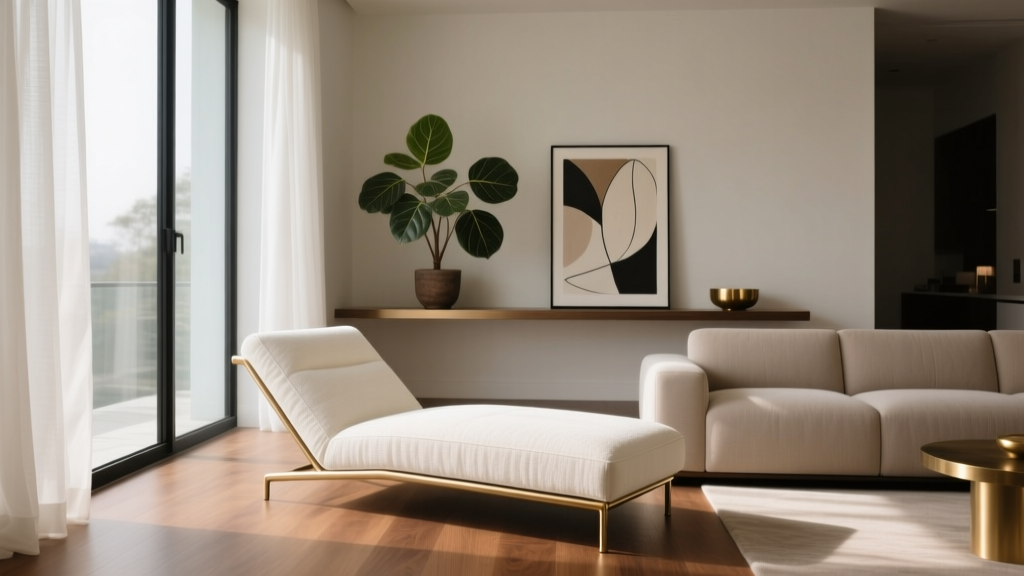
Best Chaise Lounge Placement Ideas - The Decor Mag
A chaise lounge can be the piece that makes a living room feel finished. It’s part sofa, part daybed, part design statement—and when it’s placed well, it instantly signals “this room is meant to be lived in.” But when it’s placed poorly, even a beautiful chaise can block traffic flow, make seating awkward, or throw off the balance of the entire space.
This guide breaks down the best chaise lounge placement ideas for real homes and real layouts—open-concept apartments, narrow living rooms, family spaces with TVs, and cozy reading corners. You’ll get practical rules of thumb, specific measurements, styling tips, product suggestions by budget, and common mistakes to avoid, so you can place a chaise with confidence (and comfort).
Before You Place Anything: Quick Planning Rules That Prevent Regret
1) Start with traffic flow (the “walkway first” rule)
A chaise should never feel like an obstacle course. Keep clear paths through the living room:
- Main walkways: aim for 36 inches wide (30 inches minimum in tight apartments).
- Space between seating and coffee table: keep 14–18 inches for comfortable reach and legroom.
- TV viewing distance: a simple guideline is 1.5–2.5x the TV’s diagonal size (e.g., a 55" TV typically looks best at 7–11.5 feet).
2) Know your chaise footprint
Most chaises run longer than people expect. Typical sizing:
- Standard chaise lounge: about 60–75 inches long and 28–34 inches deep.
- Chaise sectionals: the chaise portion often extends 63–72 inches from the sofa frame.
- Armless chaise: tends to look lighter visually but can “float” if not anchored with a rug or side table.
3) Decide the chaise’s job
Placement gets easier when the function is clear. Choose your main priority:
- Extra lounging for movie nights
- A reading retreat by the window
- Supplemental seating for guests
- A sculptural accent piece that elevates the decor
Best Chaise Lounge Placement Ideas (By Layout and Lifestyle)
1) At the end of a sofa (the classic “sofa + chaise” combo)
This is one of the most popular living room layouts for a reason: it’s intuitive, cozy, and great for entertaining. Place a standalone chaise at the end of your sofa to create an L-shaped conversation zone without committing to a full sectional.
Best for: medium to large living rooms, renters who want flexibility, homes that host guests.
How to do it well:
- Leave 24–30 inches between the chaise and coffee table edge if the chaise is angled slightly.
- Keep the chaise’s back (if it has one) aligned with the sofa’s back height for a cohesive silhouette.
- Anchor with a rug that extends at least 8–12 inches under both pieces so they feel like a set.
Real-world example: A renter with an 84" sofa in a 12' x 16' living room adds a 65" armless chaise on the sofa’s left side. With a 9' x 12' rug and a round coffee table, the layout feels open, and the chaise becomes the favorite spot without blocking the walkway to the hallway.
2) Floating in the middle of the room (open-concept zoning)
In open-plan apartments and great rooms, a chaise can help define the living room “zone” without building walls. A floating chaise works best when it visually relates to other furniture—think rug, side table, and lighting.
Best for: open-concept layouts, lofts, large rooms that feel undefined.
Step-by-step placement:
- Start with the rug: choose at least an 8' x 10' (often 9' x 12' for bigger rooms).
- Float the chaise parallel to the sofa or at a gentle angle facing the focal point (TV, fireplace, view).
- Add a slim side table (10–14" wide) so it reads as intentional seating, not a stray piece.
- Finish with a floor lamp placed 8–12" behind the chaise for reading light and height balance.
Trend cue: This placement pairs beautifully with curved chaises and sculptural silhouettes—a major current living room design trend that softens boxy floor plans.
3) By the window (the “reading chaise” arrangement)
If you have good natural light, a chaise near a window can turn an average living room into a true retreat. This is especially effective in spaces where you don’t need every seat facing the TV.
Best for: readers, plant lovers, small homes where you want a dedicated moment of calm.
Measurements and comfort tips:
- Keep the chaise 6–12 inches away from curtains so fabric hangs cleanly and doesn’t snag.
- If there’s a radiator or baseboard heater, maintain 8–12 inches clearance for airflow.
- Add a small drink table: 8–12 inches from the arm/edge is ideal.
Material recommendation: For sun-exposed areas, consider performance fabric (solution-dyed acrylic, treated polyester blends) or top-grain leather that develops patina. Avoid delicate silks or untreated linen if the chaise gets direct light daily.
4) Across from the sofa (balanced conversation seating)
Placing a chaise opposite the sofa creates a comfortable conversational layout, similar to two facing sofas but with a more relaxed vibe. It’s also a smart move in narrow rooms where side-by-side layouts feel tight.
Best for: entertaining, long and narrow living rooms, homes that prioritize conversation over TV.
Design tips that make it work:
- Keep 36–48 inches between sofa and chaise to avoid knee-to-knee crowding.
- Use a rectangular coffee table for a classic look, or a round/oval one to soften the arrangement and improve circulation.
- If the chaise has a high back, place it so it doesn’t visually block the room entry.
Real-world example: In a 10' x 18' living room, a homeowner centers a 90" sofa on one long wall and places a 70" chaise opposite, slightly angled. An oval coffee table keeps the walking path smooth to the adjoining dining area.
5) In a corner (space-saving and cozy)
Corners are underrated for chaise lounge placement. A corner chaise can feel like a built-in nook, especially when layered with texture and lighting.
Best for: small living rooms, awkward corners, studio apartments.
How to style a corner chaise so it doesn’t look “stuck there”:
- Add a tall floor lamp or a wall sconce to create a deliberate “zone.”
- Place a small bookshelf or plant stand nearby for height and interest.
- Use a 5' x 8' rug to define the nook if it’s separate from the main seating area.
6) Near the fireplace (the timeless lounge moment)
A chaise near a fireplace is classic living room design—inviting, luxurious, and naturally oriented around a focal point. This placement shines in traditional interiors, modern organic spaces, and anything with a cozy vibe.
Best for: rooms with a strong focal point, homeowners who want a “designed” look.
Safety and spacing:
- For wood-burning fireplaces, keep upholstered furniture a safe distance—often 36 inches or more depending on heat output and local guidance.
- Avoid blocking the hearth pathway; maintain a 36-inch clearance for comfort and safety.
7) As a replacement for a bulky accent chair (small-space swap)
If your living room feels cramped, replacing a deep armchair with a slim-profile chaise can provide the same lounging comfort with a more streamlined footprint—especially with armless or low-arm styles.
Best for: apartments, minimalist living rooms, anyone trying to reduce visual clutter.
Look for:
- Leggy frames (exposed legs = more airy visual space)
- Low backs for openness
- Armless designs if you want a flexible “move it anywhere” piece
Choosing the Right Chaise for Your Living Room Style
Materials that hold up (and look better over time)
- Performance fabric: Great for kids, pets, and movie-night snacks; look for stain resistance and tight weaves.
- Leather (top-grain or full-grain): Timeless, durable, and easy to wipe clean; ideal for elevated living room decor.
- Bouclé and textured weaves: Very on-trend for 2025, adds warmth and dimension; best for lower-mess households.
- Velvet: Rich and classic; choose performance velvet if you want easier maintenance.
Color and pattern guidance
- Small rooms: choose light neutrals (warm white, oatmeal, soft gray) to keep the living room feeling open.
- Neutral rooms: a chaise is a perfect place to add a subtle pattern (herringbone, micro-check) without overwhelming the space.
- Statement lovers: go bold with a deep color (olive, navy, terracotta) and keep nearby textiles simpler for balance.
Budget-Friendly Product Recommendations (What to Buy and What to Expect)
Prices vary by size, upholstery, and frame quality. Here are realistic ranges for chaise lounge shopping:
- Budget ($200–$600): Smaller armless chaises, faux leather, polyester upholstery. Look for solid joinery and sturdy legs; avoid flimsy frames.
- Mid-range ($700–$1,500): Better cushioning, performance fabrics, stronger frames. This is the sweet spot for many homeowners and renters.
- Investment ($1,600–$3,500+): Top-grain leather, high-resiliency foam, hardwood frames, customizable upholstery, and longer warranties.
What’s worth spending on:
- Frame: kiln-dried hardwood or high-quality engineered wood
- Cushions: high-resiliency foam or foam + down blend for comfort and shape retention
- Upholstery: performance fabric if the chaise is used daily
Common Chaise Lounge Placement Mistakes to Avoid
- Blocking entry points: if you have to squeeze past the chaise, it’s in the wrong spot or the wrong size.
- Ignoring the focal point: a chaise that faces away from the TV/fireplace/view often feels disconnected.
- Choosing a coffee table that’s too big: oversized tables make chaise seating awkward; keep 14–18 inches of breathing room.
- Forgetting an “anchor”: a chaise floating without a rug, side table, or lamp can look accidental.
- Mismatched scale: a petite chaise next to a bulky sofa (or vice versa) can throw off visual balance.
- Not testing the recline direction: in chaise sectionals, make sure the chaise side doesn’t block the best walkway or doorway.
Styling Tips That Make Any Chaise Look Intentional
- Add a lumbar pillow + a throw: one structured pillow and one textured throw is usually enough for a polished look.
- Use a tray on the side table: it keeps remotes, a candle, or coasters tidy and elevates everyday living room decor.
- Layer lighting: pair overhead lighting with a floor lamp or wall sconce near the chaise for a cozy evening vibe.
- Try an accent rug moment: if the chaise is in a reading nook, a smaller rug helps it feel like a destination.
FAQ: Chaise Lounge Placement in Living Rooms
Where should a chaise go in a small living room?
Place it in a corner or at the end of a sofa, and keep a 30–36 inch walkway clear. Choose an armless or low-profile chaise with exposed legs to reduce visual bulk.
Should a chaise face the TV?
If your living room is TV-centered, yes—angle it slightly toward the screen for comfortable viewing. If your space is more about conversation or a window view, it can face the room instead.
Can I float a chaise in the middle of the room?
Absolutely. Anchor it with a rug and a side table, and make sure you maintain 36 inches of clear circulation around key paths.
What size rug works best with a chaise and sofa?
In most living rooms, an 8' x 10' is the minimum for a sofa-and-chaise grouping, while 9' x 12' often looks more proportional in larger rooms. The goal is to get at least the front legs of both pieces on the rug.
Is a chaise better than an accent chair?
It depends on how you relax. A chaise is ideal for stretching out and lounging; an accent chair is better if you need upright seating for conversation. Many rooms benefit from one of each if space allows.
How do I prevent a chaise from overwhelming my layout?
Pick a chaise with a lighter visual footprint (slim arms, low back, raised legs), keep the coffee table modest, and avoid pushing it into high-traffic zones like doorways and hall paths.
Your Next Steps: Place, Test, and Fine-Tune
Start by measuring your room and sketching your main walkways. Decide whether your chaise is primarily for TV lounging, reading, or extra guest seating, then choose a placement that supports that purpose. Once it’s in position, test it for a few days—sit, recline, walk through the room at night, and adjust by a few inches. Tiny shifts can dramatically improve flow and comfort.
For more living room design and decor ideas—layout guides, furniture picks, and styling tips—explore the latest inspiration on thedecormag.com.
More Articles
 Warm, Budget-Friendly Living Spaces in 2026
 7 Living Space Design Mistakes to Avoid
 Living Room Bold Color Accent Ideas - The Decor Mag
 Palette vs Paint: Color Systems vs Surface Finishes 2026
 Living Room Layered Rug Ideas - The Decor Mag
 Living Room Artful Eclectic Design - The Decor Mag
 How to Style a Living Room with a Large Rug - The Decor Mag
 Patterned Wallpaper Living Room Styling (2026)
 Living Room Statement Piece Furniture Guide - The Decor Mag
 Best Living Room Focal Point Ideas for 2026