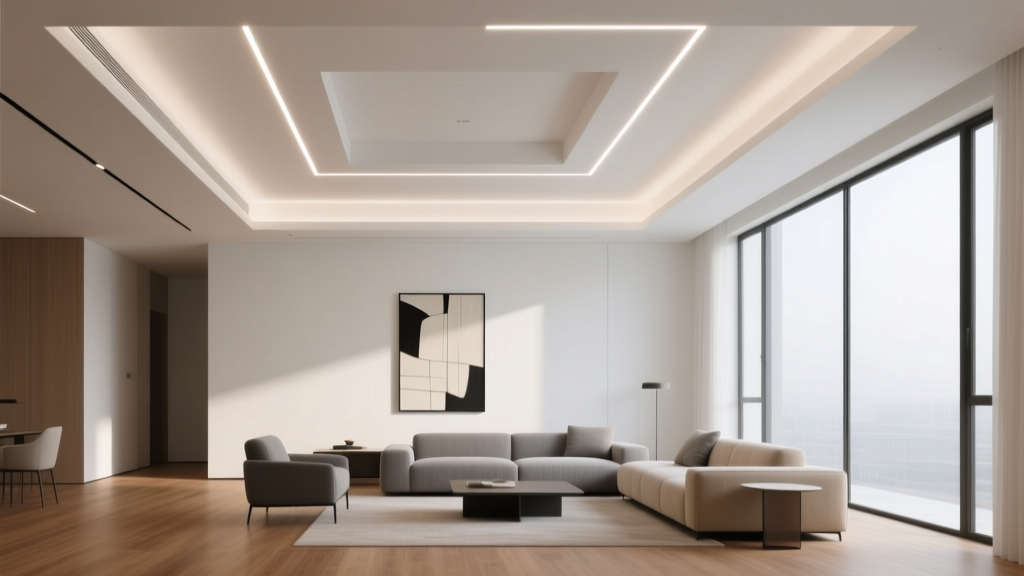
Living Room Ceiling Design Inspiration - The Decor Mag
The ceiling is the largest uninterrupted surface in most living rooms, yet it’s often treated like a blank afterthought—painted flat white and forgotten. When you start thinking of the ceiling as the “fifth wall,” everything changes: the room can feel taller, warmer, more polished, and far more intentional. The right living room ceiling design can even solve common problems like awkward proportions, echoey acoustics, or dim lighting.
Start Here: Assess Your Living Room Ceiling
Before choosing beams, paint, or lighting, take a few quick measurements and note what you’re working with. These details determine what will look balanced and what will feel visually “off.”
Key measurements to take (10 minutes)
- Ceiling height: Standard is often 8 ft; many newer homes are 9–10 ft.
- Room size: Length x width helps scale lighting and ceiling patterns.
- Window placement: Natural light affects ceiling color and sheen choices.
- Existing features: HVAC vents, sprinklers, speakers, ceiling fans, or soffits.
- Lighting layout: Note current fixture location(s) and switched outlets.
Quick style direction (helps you choose the right ceiling look)
- Modern: Clean planes, recessed lighting, micro-texture, matte finishes.
- Traditional: Coffered ceilings, crown molding, symmetrical chandeliers.
- Coastal/Farmhouse: Shiplap, painted beams, soft whites and warm neutrals.
- Industrial: Exposed ducts, concrete looks, track lighting, darker tones.
- Eclectic: Wallpapered ceilings, bold paint, mixed metals, layered lighting.
Paint and Color: The Fastest Ceiling Upgrade
If you want immediate impact with minimal construction, ceiling paint is the most budget-friendly ceiling design option. The trick is choosing the right color and sheen for your ceiling height and light levels.
Ceiling color ideas that work in real living rooms
- Classic bright white: Crisp and reflective; great for low ceilings and smaller rooms.
- Soft warm white: More inviting than stark white, pairs well with beige/greige walls.
- Tinted ceiling (1–2 shades lighter than walls): Creates a cocoon effect without feeling heavy.
- Color-drenched ceiling (same as walls): A current trend that looks high-end and calming.
- Moody ceiling (deep navy, charcoal, forest green): Best for rooms with 9 ft+ ceilings or strong natural light.
Practical paint guidance (sheen and prep)
- Best sheen: Flat or matte hides imperfections; use eggshell only if the ceiling is very smooth and you need wipeability.
- Paint quantity: One gallon typically covers 350–400 sq ft per coat. Most ceilings need 2 coats.
- Budget range: $50–$150 for paint and supplies for an average living room; $300–$900 if hiring a painter (varies by region and ceiling height).
Real-world scenario
A rental living room with 8 ft ceilings and limited daylight can feel cramped. Painting the ceiling a clean white (flat) while using a warm neutral on walls helps bounce light and visually lift the ceiling—without changing a single permanent feature.
Add Architectural Interest: Beams, Coffers, and Molding
Architectural ceiling details instantly make a living room feel “custom.” You don’t need a full renovation; many options are lightweight or faux, and they can be installed over drywall.
1) Box beams (real or faux)
Faux beams (often MDF or lightweight polyurethane) are a popular choice because they’re easier to install and budget-friendly. They work especially well in farmhouse, transitional, and modern rustic living room design.
- Best for: 9–12 ft ceilings, open-plan living rooms that need definition
- Scale tip: For 9 ft ceilings, beams around 6–8 inches tall typically look proportional. For 10–12 ft ceilings, 8–12 inches tall can feel more balanced.
- Finish trend: Light oak or “white oak” tones (or convincing stain matches) for a warm, modern look.
- Budget range: $300–$1,500 DIY materials for faux beams (depending on number/size); $1,500–$6,000+ installed.
2) Coffered ceilings
Coffered ceilings add a grid of depth and shadow lines. They’re timeless, but they need the right proportions to avoid looking busy.
- Best for: Traditional, transitional, and formal living rooms; ceilings 9 ft+
- Layout tip: Keep coffers fairly large—small coffers can make the ceiling feel lower. A common approach is designing bays that are roughly 3–5 ft wide, depending on room size.
- Budget range: $2,500–$12,000+ installed, depending on complexity and crown detail.
3) Crown molding and ceiling trim
Crown molding gives the room a finished edge and can visually adjust ceiling height.
- Ceiling height guideline:
- 8 ft ceilings: 3–4 inch crown typically looks right
- 9 ft ceilings: 4–6 inch crown
- 10 ft+ ceilings: 6–10 inch crown (or stacked profiles)
- Budget range: $2–$10 per linear foot (material only); $6–$20+ per linear foot installed depending on profile and labor.
Real-world scenario
A homeowner with a 1990s living room and a basic tray ceiling adds simple crown molding and paints the tray portion one shade deeper than the surrounding ceiling. The result feels updated and intentionally layered—without major construction.
Statement Lighting: The Ceiling Feature That Pays Off Fast
Even a simple ceiling becomes a design moment when the lighting is right. A well-chosen fixture also helps anchor your seating area and improve the overall lighting plan—key for living room decor that feels comfortable day to night.
How to choose the right size fixture
- Diameter formula: Add room length + width (in feet) and use that number (in inches) as a starting point. Example: 12 ft + 14 ft = 26-inch chandelier or pendant.
- Height rule of thumb: For an 8 ft ceiling, consider semi-flush or flush mounts if headroom feels tight. For 9–10 ft ceilings, pendants and chandeliers shine.
Hanging height tips
- Over a seating area (not a table): Keep at least 7 ft from the floor to the bottom of the fixture for comfortable clearance.
- Two-story ceilings: Aim for the fixture to hang where it visually connects to the seating group—often lower than people expect, but still safe for traffic paths.
Product-style recommendations (by look)
- Modern: Large-scale ring chandelier in matte black or aged brass; minimalist globe pendant clusters
- Transitional: Linen drum chandelier; sculptural branch chandelier with warm metal finish
- Coastal: Woven rattan pendant; soft white lantern-style chandelier
- Budget-friendly options: Look for UL-listed fixtures with dimmable bulbs and replaceable shades for longevity
Budget range
- Affordable: $120–$350 (many great flush, semi-flush, and small chandeliers)
- Mid-range: $350–$1,200 (better materials, larger scale, designer styles)
- Investment: $1,200–$5,000+ (statement pieces, artisan finishes)
Texture and Pattern: Shiplap, Wallpaper, and Decorative Panels
Ceiling texture is trending in a softer, more refined way—think subtle wood tones, tailored paneling, or patterned wallpaper that feels intentional rather than loud. These treatments can also help with acoustics, especially in open-plan living rooms with hard floors.
Shiplap or tongue-and-groove planks
- Best for: Coastal, farmhouse, Scandinavian-inspired living room design
- Direction tip: Running planks along the longer dimension can visually elongate the room; across the shorter dimension can make it feel wider.
- Material options: Pine boards, MDF planks, PVC (for humidity-prone homes), or peel-and-stick faux wood panels (renter-friendly)
- Budget range: $2–$7 per sq ft materials; $6–$15 per sq ft installed
Ceiling wallpaper (yes, really)
Wallpaper on the ceiling works best when the rest of the room is fairly calm. It’s a smart way to add pattern without overwhelming the walls.
- Best patterns: Subtle geometrics, grasscloth-look vinyl (more durable), soft botanicals, tonal stripes
- Renter tip: Use removable wallpaper if your lease allows it; test adhesion in a small corner first.
- Budget range: $150–$600 for wallpaper depending on brand and room size; installation can range from $400–$1,500+
Wood slat panels (modern and warm)
- Best for: Modern, Japandi, contemporary living rooms
- Design tip: Use slats to highlight a zone—like above the main seating area—rather than covering every inch.
- Acoustic benefit: Felt-backed slat systems can reduce echo noticeably.
- Budget range: $8–$25 per sq ft depending on veneer and acoustic backing
Lighting Layers: Recessed, Track, and Cove Lighting Done Right
If your goal is a ceiling design that also improves function, focus on layered lighting. This is especially valuable in living rooms that serve multiple purposes: movie nights, reading, entertaining, and working from the sofa.
Recessed lighting spacing (easy planning rules)
- Spacing guideline: Place recessed lights about 4–6 ft apart in typical living rooms.
- Distance from walls: Keep lights about 2–3 ft from the walls to reduce harsh scalloping and better wash artwork or curtains.
- Color temperature: Choose 2700K–3000K for a warm, inviting living room.
- Dimmers: Put overhead lighting on a dimmer; it’s one of the highest-impact upgrades per dollar.
Cove lighting and LED strips
Hidden LED lighting in a tray ceiling or behind a simple molding detail creates a soft glow that feels luxe and modern.
- Look for: High-CRI LED strips (90+ CRI) for more natural color rendering.
- Budget range: $100–$400 DIY materials for a simple run; $800–$3,000+ installed depending on carpentry and controls.
Renter-Friendly Ceiling Ideas (That Still Look High-End)
You can add ceiling style without permanent changes. The key is choosing temporary materials that look tailored, not crafty.
- Plug-in pendant light: Use a swag hook (if allowed) and a cord cover to route neatly. Budget: $60–$250.
- Removable ceiling medallion: Lightweight foam medallions can frame an existing fixture. Budget: $20–$80.
- Peel-and-stick ceiling tiles: Choose matte finishes and simple patterns. Budget: $1–$4 per tile (often $150–$500 total).
- Paint-free “color”: Try fabric canopies or tension-mounted drapery panels near the ceiling line to soften a harsh boxy room.
Common Living Room Ceiling Design Mistakes to Avoid
- Choosing a fixture that’s too small: Underscaled lighting makes the ceiling feel higher but emptier—and the room less finished.
- Ignoring glare and bulb color: Cool bulbs (4000K+) can make living rooms feel sterile. Stick to 2700K–3000K for cozy.
- Overcomplicating low ceilings: Heavy coffers or dark paint on an 8 ft ceiling can feel oppressive unless the room has excellent light and minimal clutter.
- Misaligned ceiling details: Beams or coffers that don’t align with key elements (like a fireplace or main window) can look accidental.
- Skipping a lighting plan: One overhead light rarely works. Combine ambient (overhead), task (reading lamps), and accent (picture lights or wall washers).
- Using high-gloss on imperfect ceilings: Shine highlights every seam and patch. Matte finishes are more forgiving.
Simple Step-by-Step Plan: Choose the Right Ceiling Upgrade
- Define the goal: Do you want the room to feel taller, warmer, brighter, or more dramatic?
- Pick your “hero”: Choose one main ceiling feature—paint, beams, a statement light, or paneling.
- Set a realistic budget:
- Under $300: paint refresh, medallion, plug-in pendant
- $300–$1,500: upgraded fixture + dimmer + minor trim
- $1,500–$6,000: faux beams, shiplap, recessed lighting layout
- $6,000+: coffered ceilings, major electrical/structural changes
- Plan the lighting layers: Add a dimmer, confirm bulb temperature, and identify dark corners.
- Mock it up: Tape out beam locations or coffer grids on the ceiling; view it from the doorway and sofa before committing.
FAQ: Living Room Ceiling Design
What is the best ceiling color for a small living room?
Flat white or a soft warm white is the safest choice for small living rooms because it reflects light and minimizes visual weight. If you want more character, use a ceiling color 1–2 shades lighter than your wall color to keep the space airy.
How do I make an 8-foot ceiling look higher?
Use a flat, light ceiling color, keep crown molding modest (around 3–4 inches), and choose a flush or semi-flush light fixture. Vertical elements—like taller curtains mounted close to the ceiling—also draw the eye upward.
Are beams a good idea for a low ceiling?
Beams can work, but they must be slim and strategically placed. Consider shallow faux beams (around 4–6 inches tall) in a color close to the ceiling to keep contrast low. If the room already feels tight, a beam-free approach (paint + better lighting) often looks cleaner.
How many recessed lights do I need in a living room?
It depends on room size and the amount of natural light, but a common layout spaces recessed lights 4–6 feet apart and 2–3 feet from walls. Pair them with lamps for a comfortable, layered feel rather than relying on recessed lights alone.
What’s trending right now in living room ceiling design?
Warm wood tones (slats or beams), color-drenched ceilings (walls and ceiling in the same paint color), subtle texture (planks or tailored paneling), and statement lighting with sculptural shapes are all popular. These trends work best when balanced with timeless proportions and a cohesive lighting plan.
What’s the most cost-effective ceiling upgrade?
Painting the ceiling (flat finish) and swapping in a properly sized, dimmable light fixture usually delivers the biggest visual upgrade for the lowest cost—often under $500 if you DIY.
Your Next Steps
Choose one ceiling change that matches your space and your budget—then do it well. Start with measurements, decide whether your living room needs height, warmth, or drama, and commit to a single strong ceiling feature supported by good lighting. Even small upgrades—like a dimmer switch and a better-scaled fixture—can make your living room feel more intentional and comfortable.
For more living room design ideas, decor trends, and practical room-by-room guides, explore the latest inspiration on thedecormag.com.
More Articles
 Living Rooms Layout Checklist: Room-by-Room Guide
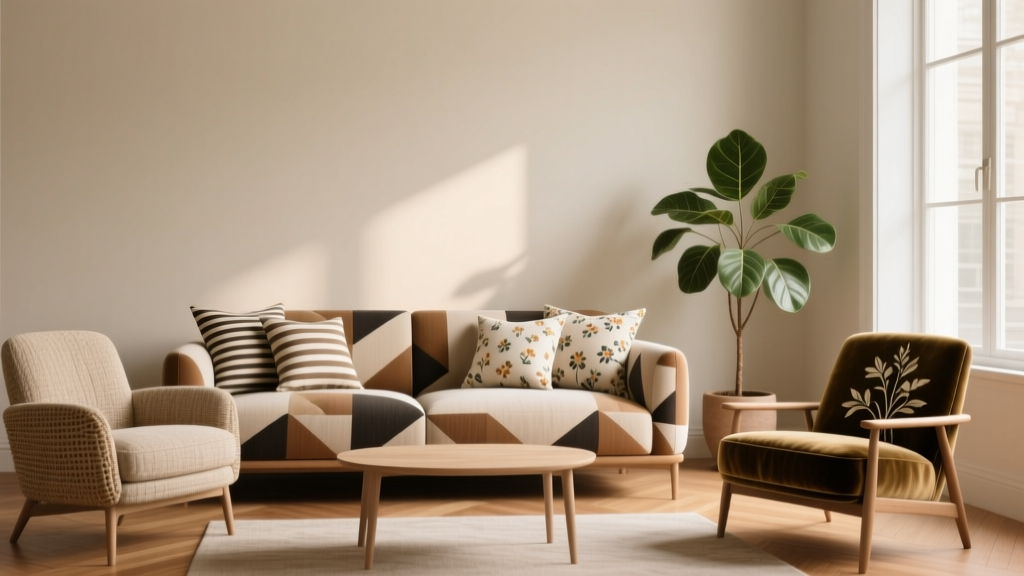 How to Mix Upholstery Patterns Successfully - The Decor Mag
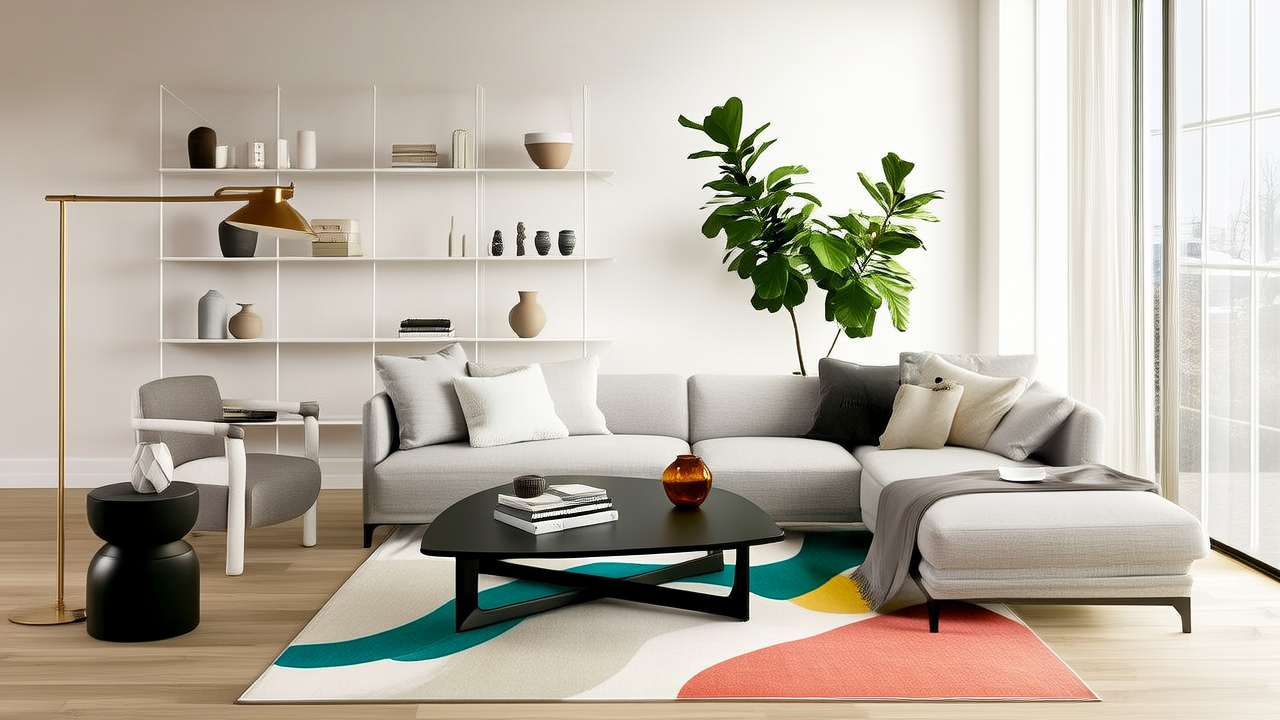 Best Outdoor Furniture for Comfortable Living
 Cocktail Table vs Coffee Table: Key Differences (2026)
 Living Room Monochromatic Design Guide - The Decor Mag
 Patterned Wallpaper Living Room Styling (2026)
 Living Room Color Scheme from Art (2026)
 Curtains for Living Rooms: Best Choices (2026)
 Living Room Design: Functional + Stylish Framework (2026)
 Living Room Built-In Shelving Ideas - The Decor Mag