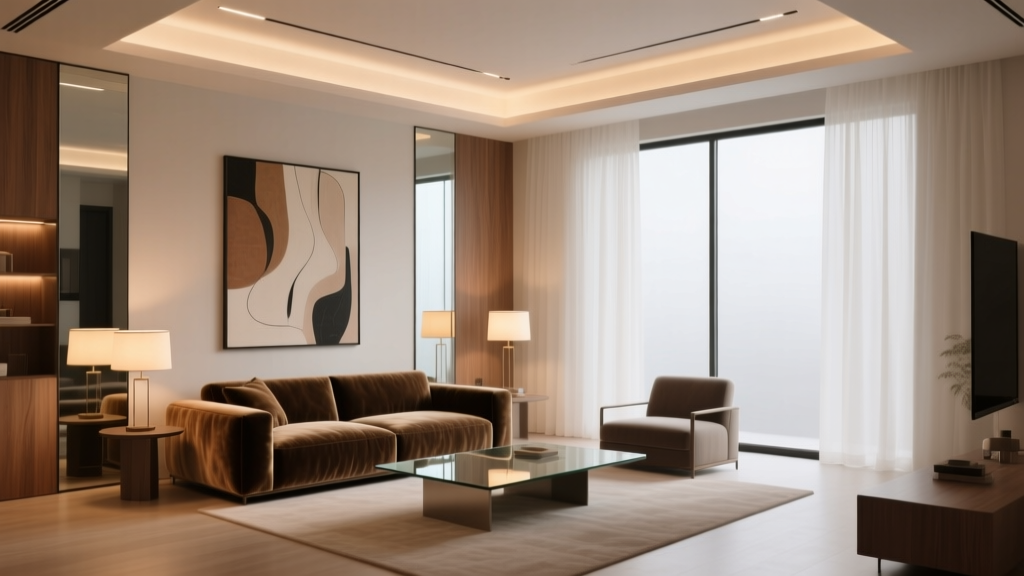
Living Room Decor for Low Natural Light
A living room with limited daylight can feel flat, cramped, or perpetually “unfinished”—even when the furniture is great. Many homes and apartments face this challenge: north-facing windows, deep floor plans, shaded views, small window openings, or buildings close by that block the sun. The good news is that low natural light doesn’t have to mean low style. With the right design choices, you can create a living room that feels bright, welcoming, and intentionally layered.
This guide walks you through practical, design-forward solutions you can use whether you own or rent. You’ll learn how to build a lighting plan, choose paint colors and finishes that reflect light, pick the best curtains and rugs, and use mirrors and layout tricks to make the most of what you have. Along the way, you’ll see real-world scenarios, budget ranges, and common pitfalls to avoid—so your space looks warm and polished, not washed out or cave-like.
Start with a Quick Low-Light Assessment
Before shopping or painting, take ten minutes to understand what kind of “low light” you’re dealing with. This helps you choose the right fixes instead of guessing.
Check the Room’s Light Profile
- Window size and placement: One small window on one wall needs different strategies than two windows across the room.
- Orientation: North-facing rooms tend to have cooler, dimmer light; east-facing rooms have morning light but fade early.
- Obstructions: Trees, balconies, nearby buildings, and overhangs reduce brightness.
- Surface colors: Dark floors, dark furniture, and matte walls absorb light.
Measure the Room (It Matters)
Simple measurements prevent common layout mistakes in small, dim living rooms:
- Walkways: Aim for 30–36 inches of clearance through main paths.
- Coffee table spacing: Keep 14–18 inches between sofa and table.
- Rug sizing: Ideally, the rug is large enough that at least the front legs of seating sit on it (often 8' x 10' for average living rooms).
Create a Layered Lighting Plan (Your New Best Friend)
If your living room lacks sunlight, lighting becomes your “architecture.” A single overhead fixture won’t cut it—especially if it’s a cool LED that makes the room feel sterile. The goal is layered lighting: ambient + task + accent.
Step-by-Step: Build a 3-Layer Lighting Setup
-
Ambient lighting (overall glow):
- Choose a semi-flush mount, chandelier, or a ceiling fixture with multiple bulbs.
- If you rent and can’t swap fixtures, use two floor lamps to mimic ambient light.
-
Task lighting (for reading and activities):
- Add a reading lamp next to the sofa or a swing-arm wall lamp.
- Place a table lamp on a console or side table to brighten face level (more flattering and cozy).
-
Accent lighting (depth and mood):
- Use picture lights, LED strips behind shelves, or a small lamp on a bookcase.
- Highlight one “moment”: art, a plant, or a textured wall.
Bulb Recommendations for Low-Light Living Rooms
- Color temperature: 2700K–3000K for a warm, inviting glow (a top choice for cozy living room lighting).
- Brightness: For a standard living room, aim for a combined total of roughly 2,000–4,000 lumens, depending on room size and wall color.
- CRI (Color Rendering Index): Look for 90+ so colors (skin tones, textiles, art) look rich and true.
- Dimmers: Add dimmable bulbs or plug-in dimmers to fine-tune mood from day to night.
Budget Ranges
- $50–$150: One floor lamp + high-CRI LED bulbs
- $150–$400: Two lamps (floor + table), dimmers, and upgraded shades
- $400–$1,000+: New ceiling fixture, layered lighting set, and art lighting
Choose Paint Colors and Finishes That Reflect Light
Paint color is one of the fastest ways to brighten a low natural light living room, but the secret isn’t just “go white.” Undertones and sheen matter.
Best Paint Strategies for Dim Rooms
- Use warm whites and soft greiges: In low light, cool whites can turn gray or blue. Try creamy whites or warm off-whites.
- Consider light-reflective paint: Many brands offer higher light reflectance value (LRV) options. Higher LRV generally looks brighter.
- Pick the right sheen: Eggshell or satin reflects more light than flat/matte and is still forgiving on walls.
Color Ideas That Work Beautifully
- Warm off-white: Creates an airy base without feeling stark.
- Soft beige or oatmeal: Adds warmth and makes shadows feel intentional.
- Light, warm gray (greige): A modern neutral that doesn’t dull the space.
- Muted blush, clay, or sand: Trend-forward but still timeless, and surprisingly brightening under warm bulbs.
Pro Tip: Paint the Ceiling Slightly Lighter
If your ceiling feels heavy, paint it 10–20% lighter than the walls (or use a crisp white ceiling) to visually lift the room.
Window Treatments That Maximize Light (Without Sacrificing Privacy)
Heavy, dark curtains can swallow the little daylight you have. Instead, aim for softness and lift—both literally and visually.
Low-Light Curtain Rules of Thumb
- Mount curtain rods high and wide: Place the rod 4–6 inches above the window frame (or closer to the ceiling in small rooms), and extend 6–12 inches past each side so fabric doesn’t cover glass when open.
- Choose light-filtering fabrics: Linen-look sheers, cotton voile, or light-filtering roller shades.
- Layer smartly: Sheers for daytime + blackout panels for night (especially helpful if you use warm lighting and want cozy evenings).
Material Recommendations
- Faux linen sheers: Bright, soft, and budget-friendly
- Cotton-linen blends: More structure; looks elevated
- Light-filtering cellular shades: Great for renters; clean look and insulation
Mirrors and Reflective Surfaces: The Brightness Multipliers
Mirrors don’t create light, but they do amplify what exists—daylight and lamp light alike. In low-light living room design, placement is everything.
Where Mirrors Work Best
- Opposite a window: Bounces daylight back into the room.
- Near a lamp or sconce: Doubles the glow and adds sparkle at night.
- Above a console: Creates a focal point and adds perceived depth.
Recommended Sizes
- Over a sofa: Aim for a mirror that’s about 2/3 the width of the sofa.
- Leaning floor mirror: Try 24–36 inches wide and 60–72 inches tall for a dramatic, light-enhancing effect.
Other Reflective Finishes to Consider
- Glass or acrylic coffee tables (lighter visual weight)
- Brass, polished nickel, or chrome accents (trend-friendly and timeless)
- Lacquered or satin-finish side tables
Furniture and Layout Tricks for a Brighter Feel
In dim rooms, bulky silhouettes and dark finishes can feel heavier than they would in a sun-filled space. A few layout changes can make the room feel more open—even before you add lighting.
Choose “Lifted” Pieces
- Sofas and chairs with legs: Showing floor space makes the room feel larger and less dense.
- Open-base media consoles: Airier than solid blocky units.
- Armless or slim-arm chairs: Great for small living rooms with low light.
Float Furniture (When Possible)
If everything is pushed against the walls, the center can feel empty and the perimeter can feel heavy. Try pulling the sofa 3–6 inches off the wall and adding a narrow console table behind it, especially if you can place lamps there for an instant brightness boost.
Real-World Scenario: The “Long, Dark Apartment Living Room”
The challenge: One window at the far end, dark hallway entry, and a TV wall that eats light.
- Solution: Place a large mirror on the wall adjacent to the window, add two matching lamps on a console mid-room, and use a light rug that extends under the seating zone.
- Result: Light is repeated through the space, the room reads as one cohesive zone, and the middle no longer feels like a tunnel.
Textiles and Color: Bright Doesn’t Have to Mean Bland
A low natural light living room can still be rich and cozy. The key is choosing mid-to-light tones and varied texture so the room has depth without going dark.
Rug Tips for Low-Light Rooms
- Go lighter than your sofa: A pale rug lifts the whole room.
- Choose low-contrast patterns: Think subtle stripes, tonal geometrics, or vintage-style prints in softened hues.
- Material suggestions: Wool (warmth), wool-blends (value), or washable rugs for high-traffic rentals.
Pillow and Throw Formula (Easy + Effective)
- 2 light pillows (cream, oatmeal, soft gray)
- 2 medium-tone pillows (camel, clay, olive-gray)
- 1 accent with gentle contrast (rust, navy, deep green) to keep it grounded
- 1 textured throw (chunky knit, bouclé, brushed cotton) to catch lamplight
Add Life with Plants (Even If You Don’t Have Sun)
Greenery makes a low-light living room feel fresher and more dimensional. Choose plants that tolerate low light and place them strategically near your brightest spot.
Low-Light Plant Picks
- ZZ plant
- Snake plant
- Pothos
- Cast iron plant
- Peace lily (prefers low-to-medium light)
Plant Styling Tip
Use a light ceramic pot or a woven basket to keep the visual palette bright. If your living room is very dim, consider a small grow light bulb in a nearby lamp (warm-spectrum options exist) so plants thrive without changing your decor.
Art, Wall Decor, and Styling for Low Natural Light
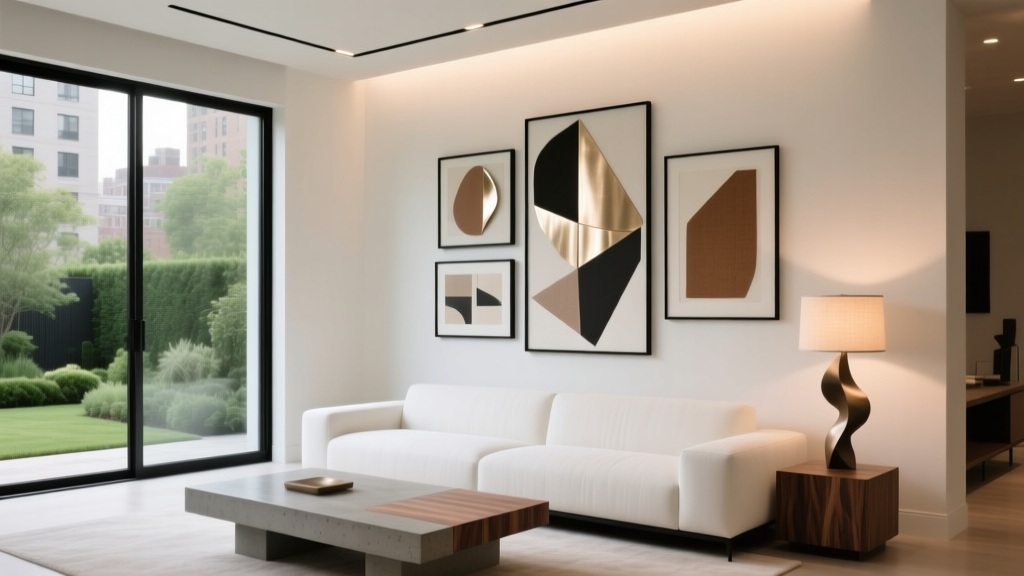
When a room is short on sunlight, wall decor becomes a major tool for adding energy. Current trends lean toward personal, collected spaces—gallery walls, sculptural objects, and warm metals—while timeless principles still apply: balance, scale, and repetition.
What Works Best
- Oversized art: One large piece often looks cleaner than many small ones in a dim room.
- Light-toned mats and frames: Maple, oak, brushed brass, or white frames brighten without glare.
- Gallery wall tip: Keep spacing consistent at 2–3 inches between frames.
- Add a picture light: Battery-powered options are renter-friendly and instantly upscale.
Common Mistakes to Avoid in a Low-Light Living Room
- Relying on one overhead light: It creates harsh shadows and a “dim corner” effect.
- Choosing cool, blue-white bulbs: They can make the space feel clinical and emphasize gray undertones.
- Going too dark everywhere: Dark walls can be beautiful, but pairing them with dark floors, dark sofa, and heavy drapes often reads as gloomy.
- Blocking windows with furniture: Even a few inches can reduce the daylight that reaches the room.
- Too many tiny light sources: Several underpowered lamps can still feel dim. Prioritize brighter bulbs with dimmers.
- Gloss overload: Highly reflective finishes everywhere can feel glaring. Mix satin, matte, and a few polished accents.
FAQ: Styling a Living Room with Low Natural Light
What is the best paint color for a living room with low natural light?
Warm whites, creamy off-whites, and light greiges tend to perform best. In dim rooms, cool whites can skew gray or blue. An eggshell or satin finish will reflect more light than flat paint while still looking sophisticated.
How many lamps do I need in a low-light living room?
Most low-light living rooms feel best with at least 3 light sources: one for ambient glow (ceiling fixture or floor lamp), one task lamp near seating, and one accent light (shelf light, picture light, or a second table lamp). Larger rooms often need 4–5 sources for even coverage.
Do mirrors really help brighten a dark living room?
Yes—when placed correctly. Put a mirror opposite or adjacent to the window, or near a lamp, to bounce and multiply available light. Choose a larger mirror whenever possible for a more noticeable impact.
What kind of curtains are best for low natural light?
Light-filtering sheers or linen-look curtains are ideal. Mount rods high and wide (4–6 inches above the frame, 6–12 inches beyond each side) so the fabric doesn’t cover the glass when open.
Can I use dark colors in a low-light living room?
You can, but use them strategically. Try a darker accent color in pillows, art, or one feature wall balanced with warm lighting, lighter rugs, and reflective accents. The goal is contrast and depth—not a room that absorbs every bit of light.
Actionable Next Steps (So You Can See a Difference This Week)
- Swap bulbs first: Upgrade to 2700K–3000K, CRI 90+ LEDs for a noticeable improvement in warmth and clarity.
- Add one lamp per “zone”: Start with the sofa area, then add an accent light for depth.
- Hang curtains higher and wider: This is one of the fastest ways to maximize daylight without renovations.
- Introduce a large mirror: Place it where it will catch window light or reflect a lamp.
- Rebalance your palette: If the room feels heavy, lighten one major element—rug, curtains, or wall color.
A low natural light living room can be every bit as stylish as a sun-drenched one—often even cozier. With layered lighting, reflective finishes, smart window treatments, and a few layout tweaks, you’ll create a space that feels bright, comfortable, and unmistakably yours.
Want more ideas for living room decor, lighting plans, and renter-friendly upgrades? Explore more living room inspiration at thedecormag.com.
More Articles
 Outdoor Living Spaces: Design Principles That Work
 Living Room Refined Elegance Tips - The Decor Mag
 Travel Souvenirs in Living Room Decor (2026)
 Living Room Window Seat Ideas - The Decor Mag
 Curtains for Living Rooms: Best Choices (2026)
 How to Style Bookshelves in Your Living Room - The Decor Mag
 Best Daybeds for Living Room Guest Space (2026)
 Living Room Contemporary Art Display - The Decor Mag
 The Best Accent Chairs for Living Rooms - The Decor Mag
 Patterned Wallpaper Living Room Styling (2026)