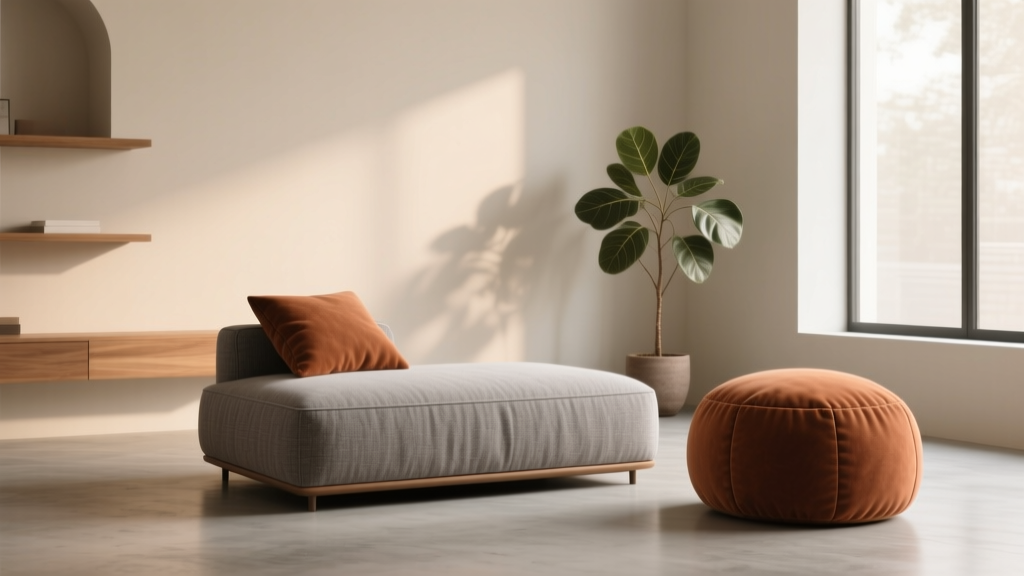
Living Room Ottoman and Pouf Styling Ideas - The Decor Mag
An ottoman or pouf can look like a small detail in the living room, but it often ends up doing the heavy lifting: it’s the footrest after a long day, the extra seat when friends stop by, the coffee table stand-in for movie night, and sometimes the “where do I put this?” landing spot for a tray, book, or throw. When chosen and styled well, an ottoman becomes a design anchor that makes the whole room feel more intentional.
This guide covers practical, real-life ways to style living room ottomans and poufs so they work for your space, your lifestyle, and your budget. You’ll get layout and sizing guidelines, material recommendations, step-by-step styling formulas, trend-forward ideas (that still feel timeless), and common mistakes to avoid—plus a quick FAQ to answer the questions homeowners and renters ask most.
Ottoman vs. Pouf: What’s the Difference (and Why It Matters)?
Both are upholstered pieces designed to be used as a footrest or extra seating, but their structure changes how they function in a living room.
Ottomans
- Structure: Usually firmer with a defined shape (square, rectangle, round) and often a wood frame.
- Best for: Coffee-table replacement, tray styling, storage, and structured seating.
- Common styles: Tufted, tailored, slipcovered, leather, storage ottoman, cocktail ottoman (large central piece).
Poufs
- Structure: Softer, often filled with beads, foam, or natural fibers; more casual and portable.
- Best for: Flexible seating, layering texture, small spaces, kids’ rooms, and informal lounging.
- Common styles: Knitted, woven, leather Moroccan-style, shaggy, floor cushion pouf.
Design shortcut: If you want a stable surface for drinks or decor, choose an ottoman (or use a large tray). If you want something lightweight that can move around easily, choose a pouf.
Choose the Right Size: Measurements That Make Styling Easy
Most “styling problems” with ottomans and poufs come down to scale. These guidelines help you nail proportions from the start.
Height Rules
- Match your sofa seat height: Aim for an ottoman that’s within 1–2 inches of your sofa seat height for comfortable leg support.
- Typical heights: 16–18 inches works for many sofas; 14–16 inches is common for softer poufs.
Spacing Rules
- Sofa to ottoman clearance: Leave 14–18 inches between the sofa edge and the ottoman for easy movement.
- Walkways: Keep main pathways at 30–36 inches when possible (renters and small-space dwellers can sometimes make 24–30 inches work).
Width and Scale
- In front of a sofa: A coffee-table ottoman looks best when it’s about 1/2 to 2/3 the length of the sofa.
- Sectionals: A large square or round ottoman often balances the visual weight better than a small rectangle.
- Small living rooms: Try two smaller poufs (about 16–20 inches wide each) instead of one bulky ottoman.
Material and Fabric Choices That Hold Up in Real Life
Living room furniture takes daily wear, so material matters as much as style. Choose based on your household and how you’ll use the piece.
Best Upholstery Options
- Performance fabric (poly blends, Crypton-style, stain-resistant weaves): Great for kids, pets, and frequent entertaining; typically the easiest to maintain.
- Leather: Timeless, durable, and wipes clean; develops a patina that looks better with age. Great for a tailored, elevated living room design.
- Velvet: Luxurious and trend-forward; choose performance velvet for durability. Works especially well in jewel tones and modern living rooms.
- Bouclé: Popular in current design trends; cozy texture but can snag with pets. Best for lower-traffic rooms.
- Wool/jute/woven poufs: Adds natural texture and warmth; ideal for layered, organic modern or coastal living room decor.
Fill Types for Poufs (Comfort vs. Longevity)
- Dense foam: Holds shape best, more “seat-like.”
- Bead fill: Comfortable but can flatten over time; look for refillable options.
- Natural fiber stuffing: Lightweight and casual; best as a footrest, less ideal as a chair.
Budget Ranges (Realistic Expectations)
- Under $150: Smaller poufs, basic storage ottomans, faux leather; best for light use.
- $150–$400: Many well-made poufs, mid-range upholstered ottomans, better fabrics, more color options.
- $400–$900: Larger cocktail ottomans, performance fabrics, quality leather, stronger frames.
- $900+: Custom upholstery, designer pieces, heirloom-quality leather, premium detailing (tufting, trim, sculptural bases).
Layout Ideas: Where Ottomans and Poufs Work Best
1) Replace a Coffee Table with a “Cocktail Ottoman”
This is a favorite in family-friendly living rooms because it softens sharp corners and adds comfort.
- Best shape: Rectangle for standard sofas; square or round for sectionals.
- How to make it functional: Use a large tray (aim for 18–24 inches wide) to create a stable surface.
- Real-world scenario: A renter with a narrow living room swaps a hard coffee table for a 36" x 24" upholstered ottoman and uses a tray for drinks—instantly more walkable and cozy.
2) Float Two Poufs Under a Console or Media Unit
Two smaller poufs give you flexible seating without permanent visual clutter.
- Size to look for: 16–20 inches wide; low profile so they tuck neatly away.
- Style tip: Choose matching poufs for a tailored look, or mix materials (one leather, one woven) for a collected feel.
3) Create a Conversation Zone with a Round Ottoman
Round shapes soften angular layouts and work beautifully with curved sofas or accent chairs.
- Design win: A round ottoman (about 30–36 inches diameter) can visually “connect” two chairs facing a sofa.
- Good for: Open-plan living rooms where you want the seating group to feel cohesive.
4) Use a Storage Ottoman for Small-Space Living
Storage ottomans are a practical upgrade for renters and anyone who wants a tidier living room.
- Store: Throws, kids’ toys, extra remotes, board games, or seasonal decor.
- Look for: Soft-close hinges, sturdy base, and interior depth of at least 10–12 inches.
- Real-world scenario: A couple in a one-bedroom apartment uses a storage ottoman as a coffee table with a tray on top, keeping blankets hidden but accessible.
Easy Styling Formulas (That Always Look Polished)
If you’ve ever wondered how designers make ottomans look “finished,” it usually comes down to a simple formula: one structure piece (tray), one organic piece (plant/flowers), one textural piece (book/beads), and one personal item (candle, object, or bowl).
Formula A: The Coffee-Table Ottoman Tray Setup
- Add a tray: Rectangular trays look crisp; round trays soften. Choose a tray that covers about 1/3 to 1/2 of the ottoman top.
- Stack 1–2 books: Design or travel books work well; keep the stack low (under 6 inches tall).
- Include something living: A small plant, bud vase, or faux stems for low-light rooms.
- Finish with a “catchall”: A lidded box, small bowl, or sculptural object for remotes and coasters.
Formula B: The Cozy Pouf Moment
- Place pouf near an accent chair: Think of it as an extension of the chair for a reading nook.
- Add a throw nearby: Drape on the chair or keep a basket within 2–3 feet.
- Layer with a rug: Poufs look best when anchored on a rug; if your rug is small, keep at least the front legs of seating on it for a cohesive living room layout.
Formula C: The Minimalist Ottoman (Clean and Modern)
- No tray needed: Choose a tailored ottoman in leather or a tight weave fabric.
- One statement object: A single sculptural bowl or matte ceramic vase keeps the look intentional.
- Keep color calm: Tonal styling (camel leather with warm whites, or charcoal with black accents) fits modern and contemporary living room decor.
Product-Style Recommendations (What to Look For When Shopping)
Rather than chasing one specific item, focus on the details that make an ottoman or pouf work hard in a real living room.
For High-Traffic Living Rooms
- Performance fabric or leather upholstery
- Firm top (especially if it will act as a coffee table)
- Hidden casters or lightweight frame for easy moving
- Medium-to-dark tones, or textured weaves that disguise wear
For Small Living Rooms and Apartments
- Storage ottoman with a flat top
- Nesting ottoman set (two pieces that tuck together)
- Two small poufs that can double as seating
For a More Elevated, Designer Look
- Channel-tufted or tailored seam detailing
- Sculptural legs (wood, metal, or acrylic)
- Unexpected shapes: rounded-square, oval, or pill-shaped ottomans
- Trend-forward textures like bouclé (best if pets aren’t prone to scratching)
Real-World Styling Scenarios (Steal These Setups)
Scenario 1: The Family-Friendly Sectional Living Room
Goal: Comfort, safety, and a surface for snacks.
- Pick: A 36–42 inch square ottoman in performance fabric.
- Style: Add a large, wipeable tray and coasters; keep decor minimal so it’s easy to reset.
- Color idea: Heathered gray, oatmeal, or camel leather for durability and warmth.
Scenario 2: The Renter’s Living Room That Needs Storage
Goal: Reduce clutter without adding furniture.
- Pick: Storage ottoman around 30–40 inches wide, depending on sofa length.
- Style: Tray + one candle + one small plant. Keep the rest open for daily use.
- Bonus: Use matching baskets inside to keep items organized.
Scenario 3: The “Grown-Up” Entertaining Space
Goal: Make the living room feel layered, intentional, and guest-ready.
- Pick: Leather ottoman or velvet cocktail ottoman.
- Style: A curated tray setup, a small bowl for cocktail napkins, and a low arrangement of greenery.
- Layout: Keep 16–18 inches of clearance so guests can move easily with drinks.
Common Mistakes to Avoid
- Choosing the wrong height: A pouf that’s too low can look like it doesn’t belong and won’t feel comfortable as a footrest. Stick close to sofa seat height.
- Going too small: Tiny ottomans in front of large sofas look like an afterthought. Aim for 1/2 to 2/3 of the sofa length.
- Over-styling the top: If you use your ottoman daily, keep decor to a tray (or one object). Otherwise, you’ll constantly move items around.
- Skipping a tray when needed: Drinks on an upholstered surface are risky. A tray instantly makes the ottoman more functional.
- Ignoring material realities: Bouclé in a home with cats, or light linen in a snack-heavy household, can become frustrating fast.
- Blocking the walkway: If your ottoman forces people to squeeze by, the room will feel cramped no matter how pretty it looks.
FAQ: Living Room Ottoman and Pouf Styling
What size ottoman should I get for a standard sofa?
For a typical 72–90 inch sofa, an ottoman in the 36–50 inch width range often looks balanced. Aim for about 1/2 to 2/3 of the sofa length, and keep 14–18 inches of clearance from the sofa.
Can an ottoman replace a coffee table in a living room?
Yes—especially in family rooms and smaller spaces. Choose a firm, structured ottoman and add a tray (around 18–24 inches wide) so you have a stable surface for drinks, decor, and remotes.
Are poufs practical for everyday living rooms?
They can be, as long as you use them for what they do best: flexible seating, footrests, and texture. If you need a steady “table” surface daily, an ottoman is usually the better pick.
What’s the best fabric for an ottoman with kids and pets?
Look for performance fabric (tight weave, stain-resistant) or leather. Mid-tone colors and textured fabrics help hide everyday wear. Avoid delicate weaves that snag easily.
How do I style an ottoman so it doesn’t look cluttered?
Use a tray and stick to 3–4 items max:
- 1–2 books
- a small plant or vase
- a candle or decorative object
- a small bowl/box for remotes
Should my ottoman match my sofa?
Not necessarily. Matching can look seamless, but contrast often looks more designer. Try pairing a fabric sofa with a leather ottoman, or a neutral sofa with a patterned or textured ottoman to add depth to your living room decor.
Next Steps: Make Your Ottoman (or Pouf) Work Harder
Start by measuring your seating height and the clearance in your living room layout—those two numbers solve most styling headaches. Then decide how you really live: do you need storage, a coffee-table surface, extra seating, or simply a cozy place to put your feet? Once the function is clear, the styling becomes simple: a tray for structure, a touch of greenery for life, and one or two personal pieces that make the room feel like home.
For more living room design and decor ideas—from layout solutions to trend updates and timeless styling tips—explore the latest guides on thedecormag.com.
More Articles
 Best Recliner Chairs That Look Stylish - The Decor Mag
 Best Chaise Lounge Placement Ideas - The Decor Mag
 The Living Room Rug Size Guide: Stop Guessing, Start Styling
 Bohemian Living Room Decor Ideas - The Decor Mag
 Reading Nook Ideas for Living Rooms (2026)
 Stylish Nightstands Under $150 – 2026 Picks
 Scandinavian Living Room Design Essentials - The Decor Mag
 Living Room Polished Bohemian Style - The Decor Mag
 How to Style a Round Coffee Table - The Decor Mag
 Island Bedroom Ideas 2026: Coastal Calm & Smart Layouts