Living Room for All Ages: Design Tips (2026)
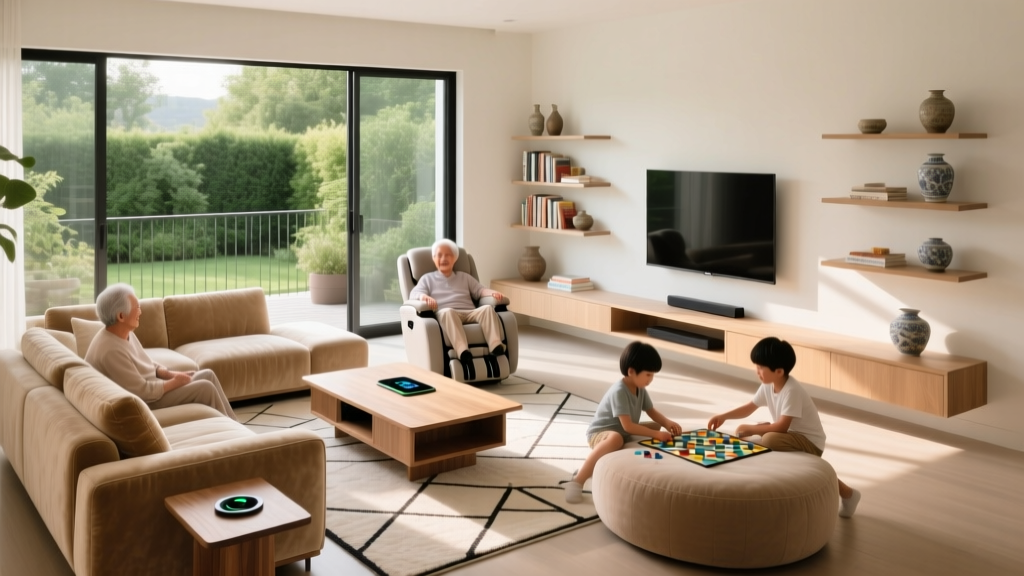
A living room is one of the few places in a home where generations naturally overlap. It’s where toddlers build forts, teens sprawl with friends, adults host movie nights, and grandparents settle in for long conversations. When the space only works for one stage of life—too delicate for kids, too low for aging knees, too trendy to feel comfortable—it stops being the heart of the home and starts feeling like a showroom.
The good news: you don’t need a full renovation to create a living room that’s stylish, functional, and welcoming for everyone. With a few smart layout choices, durable materials, layered lighting, and flexible furniture, you can design a family living room that adapts as people (and routines) change.
This guide walks you through practical, real-world ways to make your living room work for all ages—whether you own or rent. You’ll learn what measurements matter, which materials stand up to real life, how to plan a safe and comfortable layout, and how to tie it all together with timeless decor and current living room design trends.
Start With the People: How Your Living Room Needs to Perform
Before shopping or rearranging, get clear on what “all ages” means in your home. A multigenerational living room might include small children, visiting grandparents, college-age kids returning home, or friends with mobility needs.
A quick needs checklist
- Kids: soft edges, stain resistance, toy storage, space to play
- Teens: charging spots, comfortable lounge seating, a “hangout” vibe
- Adults: versatile seating for hosting, work-from-couch moments, durable surfaces
- Older adults: supportive seating, easy-to-navigate pathways, glare control, stable rugs
- Guests: clear sightlines, enough seating, a place for drinks and bags
Real-world scenario: A couple in a two-bedroom apartment hosts Sunday dinners with family. Their solution wasn’t bigger furniture—it was a slimmer coffee table, a storage ottoman that doubles as extra seating, and a pair of lightweight accent chairs that can be pulled in when needed.
Layout First: The Foundation of an All-Ages Living Room
A great living room layout supports movement, conversation, and comfort. It also reduces falls, bumps, and daily frustration. Start with traffic flow, then build seating around a central “conversation zone.”
Key measurements that make a big difference
- Walkways: Aim for 36 inches wide for main paths. If you’re planning for mobility aids, 42–48 inches is even better.
- Distance from sofa to coffee table: 14–18 inches is the sweet spot—close enough to reach, far enough to pass through.
- Rug sizing: Choose a rug large enough that at least the front legs of your sofa and main chairs sit on it. Common sizes:
- Small rooms: 8' x 10'
- Larger rooms/open plans: 9' x 12' or 10' x 14'
- TV viewing distance: For a 55" TV, plan roughly 7–9 feet. (Adjust based on preference and vision.)
- Seat height: Look for sofas/chairs with a seat height around 17–19 inches for easier sitting and standing.
Layout tips that work in rentals, too
- Float furniture (even a few inches) to improve flow and make the room feel larger.
- Create zones in open layouts: a main seating area + a small reading corner or homework/charging spot.
- Keep “hard corners” out of pathways (especially coffee tables) when kids are small or when older adults visit often.
Choose Seating That Supports Every Body
Seating is the most used (and most felt) part of living room decor. For an all-ages space, prioritize comfort and support over ultra-low profiles. Current trends favor relaxed silhouettes and deep seating—great for lounging—but not always ideal for everyone’s knees and backs. The goal is balanced: inviting, not sink-in-and-struggle.
What to look for in a sofa
- Supportive cushions: High-resiliency foam or foam-wrapped coils hold up over time.
- Medium seat depth: Around 21–23 inches works for many people. If you love a deeper sofa (24–26 inches), add lumbar pillows so shorter family members can sit comfortably.
- Arms with structure: Great for pushing up to stand and for kids to perch safely.
- Performance upholstery: See materials below.
Smart add-ons for flexible seating
- Ottoman with a tray: Acts as a footrest, coffee table, and extra seat.
- Swivel chairs: Easier for older adults to turn toward conversation; great for open-concept rooms.
- One firm accent chair: Keep at least one seat that’s slightly firmer and upright for guests who struggle with low, soft seating.
Budget ranges (typical):
- Sofa: $800–$2,500 (quality “sweet spot” often $1,200–$2,000)
- Accent chair: $200–$900
- Storage ottoman: $120–$500
Durable Materials That Still Look Elevated
A family-friendly living room doesn’t have to look utilitarian. The trick is choosing materials that are forgiving—then layering in texture and warmth so the room feels curated.
Best upholstery for all ages (and real life)
- Performance fabric: Designed to resist stains and wear; ideal for kids and pets. Look for labels like “performance” or “stain-resistant.”
- Crypton-style fabrics: Excellent for spills; great if you host often.
- Leather (top-grain or semi-aniline): Wipes clean and ages well, but can scratch. Choose a slightly distressed finish to hide marks.
- Microfiber: Budget-friendly and durable; choose a higher-quality version to avoid a flat look.
Recommended durability specs
- Fabric rub count (Martindale/Wyzenbeek): Aim for 30,000+ for family use; 50,000+ for heavy use.
- Washable covers: If you can find a sofa with removable, washable covers, it’s a game changer.
Tables and surfaces that can take a hit
- Coffee table: Rounded corners or an upholstered ottoman for toddler years; consider a table with a lower shelf for baskets.
- Materials:
- Solid wood (oak, walnut): durable and repairable
- Engineered quartz (side tables): stain resistant and easy to clean
- Powder-coated metal: tough and modern
- Avoid: High-gloss lacquer (shows every mark) and very soft stones like marble if spills are frequent.
Layered Lighting for Safety, Comfort, and Style
Lighting is one of the most overlooked elements in living room design—yet it’s essential for all ages. Kids need even light for play, adults need task lighting for reading, and older eyes often need more illumination with less glare.
A simple 3-layer lighting plan
- Ambient: Ceiling fixture, flush mount, or well-placed floor lamps for overall light.
- Task: A reading lamp near a chair or sectional corner; consider an adjustable arm.
- Accent: Table lamps, picture lights, or plug-in sconces to create depth and calm.
Practical specs and tips
- Bulb color temperature: 2700K–3000K for warm, welcoming light.
- Dimmers: Add dimmable bulbs or plug-in dimmers for rentals; they’re an instant mood upgrade.
- Reduce glare: Use lamp shades, avoid bare bulbs at eye level, and position TVs away from direct window glare.
- Night-friendly navigation: A subtle plug-in night light near hallways helps kids and older adults move safely.
Rugs, Flooring, and Slip Prevention Without Sacrificing Style
Rugs add softness, define zones, and absorb sound—perfect for a multigenerational living room. But they can also be a tripping hazard if chosen poorly.
Rug rules that help everyone
- Use a rug pad. Choose a high-grip pad; for hard floors, look for non-slip rubber. For carpet, use a pad designed for carpet-on-carpet.
- Low pile is safer. Aim for ¼ inch pile height or lower for easier walking and rolling (strollers, walkers).
- Pattern is your friend. Subtle pattern hides crumbs, lint, and daily life better than a solid light color.
- Washable rugs: Great for families, but choose thicker, better-constructed versions so edges don’t curl.
Storage That Doesn’t Look Like Storage
The biggest difference between a living room that “works” and one that constantly feels messy is closed, convenient storage. A well-styled room can still be functional when everything has a home.
All-ages storage ideas
- Media console with doors: Hides games, toys, and remotes. Look for cord management and adjustable shelves.
- Baskets on lower shelves: Easy for kids to access and simple for adults to reset quickly.
- Storage ottoman: Perfect for blankets, extra pillows, and kid-friendly clutter.
- Entry catch-all zone: A slim console or wall-mounted shelf near the living room for keys, glasses, and chargers.
Real-world scenario: A family with two kids and a visiting grandparent replaced an open-shelf bookcase with a door-front cabinet (around 60" wide). The room instantly felt calmer, and it reduced visual clutter that can be overstimulating for kids and tiring for older adults.
Decor That Bridges Generations: Trend-Aware, Timeless, and Personal
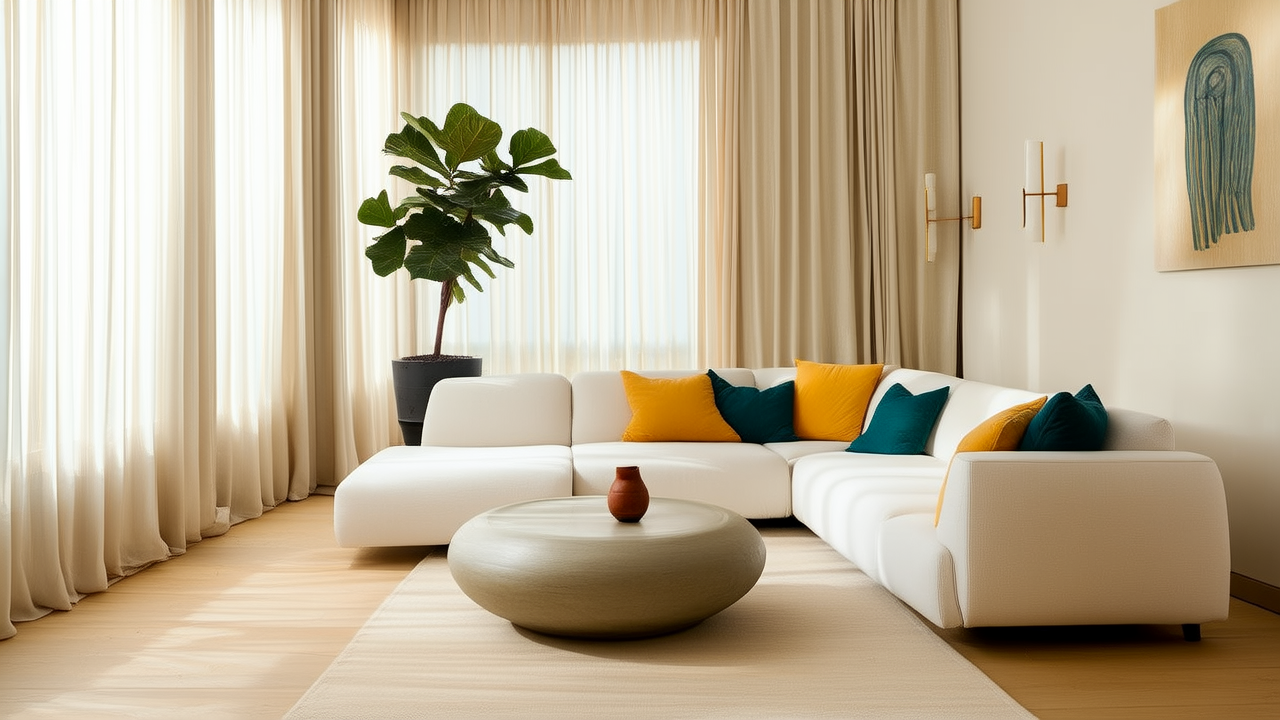
The best all-ages living rooms feel collected, not themed. Current trends like warm neutrals, organic modern textures, curved silhouettes, and biophilic elements (plants, natural materials) pair beautifully with timeless principles: balance, proportion, and comfort.
Easy, high-impact decor moves
- Stick to a grounded palette: Warm whites, soft greige, muted greens, clay tones, and navy are versatile and forgiving.
- Use contrast for accessibility: A sofa in a slightly deeper tone than the walls helps define edges visually.
- Choose art that sparks conversation: Family photos in elevated frames, travel prints, or one large statement piece.
- Layer textures: A woven throw, linen or performance velvet pillows, and a textured rug add warmth without clutter.
- Add greenery: If you have kids/pets, choose safer options or place plants out of reach. High-quality faux trees can look surprisingly real now.
Step-by-Step: A Simple Plan to Upgrade Your Living Room (Without Overhauling It)
- Measure the room and pathways. Sketch your layout and mark 36" walkways where possible.
- Anchor with a properly sized rug. Choose low pile + rug pad for safety and comfort.
- Evaluate seating comfort. Add lumbar pillows, swap one accent chair for a more supportive option, or introduce a swivel chair.
- Fix lighting. Add one floor lamp + one table lamp (both warm bulbs) and a dimmer solution.
- Introduce closed storage. A cabinet or ottoman first—these give immediate daily payoff.
- Finish with durable decor. Washable throws, performance pillows, and a tray for the ottoman/coffee table.
Budget-friendly refresh: $150–$600 (lighting + rug pad + storage baskets + pillows)
Mid-range update: $800–$2,500 (add rug + new seating piece or storage console)
Full-room investment: $3,000–$10,000+ (sofa, rug, lighting plan, storage, occasional tables)
Common Mistakes to Avoid
- Choosing style over sit-ability. A beautiful sofa that’s too low or too deep won’t serve all ages.
- Using a too-small rug. A “floating island” rug makes the room feel disjointed and increases trip risk at the edges.
- Skipping the rug pad. Even heavy rugs can shift—pads add safety and comfort.
- Blocking pathways with sharp corners. Especially around coffee tables and tight seating arrangements.
- Over-relying on overhead lighting. One bright ceiling light creates glare and a flat look; layering is key.
- Too much open shelving. It looks great in photos, but daily life needs places to hide the mess.
FAQ: All-Ages Living Room Design
What’s the best living room furniture layout for a multigenerational family?
Start with a conversation zone: sofa + 1–2 chairs facing in, with a clear 36" walkway around the perimeter. Use a rug to define the area, and keep the most supportive chair in the easiest-to-access spot (closest to the main path).
Which sofa fabric is best for kids, pets, and everyday spills?
Performance fabric is the most versatile choice for a family living room. Look for stain resistance, a tight weave, and 30,000+ rub count. If you love leather, choose a finish that hides scratches and avoid very glossy surfaces.
How do I make my living room safer for older adults without making it look clinical?
Focus on subtle upgrades: a non-slip rug pad, low-pile rug, better lighting with warm bulbs, and at least one seat with a 17–19" seat height and supportive arms. These changes blend in visually but improve comfort and stability immediately.
What coffee table shape is best for a family-friendly living room?
Round or oval tables reduce sharp corners and improve circulation in tighter rooms. If you prefer a rectangle, choose one with rounded edges or consider an upholstered storage ottoman with a tray.
Can renters create an all-ages living room without permanent changes?
Yes. Use plug-in sconces, floor and table lamps, removable cord covers, washable rugs with rug pads, and furniture-based storage like cabinets, consoles, and ottomans. You can dramatically improve function without drilling or rewiring.
Next Steps: Make One Change That Improves Everyday Life
If your living room feels like it’s constantly working against you, start with the highest-impact fix: a safer rug setup (right size + non-slip pad), better lighting, or more supportive seating. Small upgrades compound quickly—especially in a space everyone uses.
For more living room design and decor inspiration—layouts, color ideas, storage solutions, and trend-forward upgrades—explore more guides and room ideas on thedecormag.com.
More Articles
 Best Slipcover Sofa Picks - The Decor Mag
 Living Rooms Layout Checklist: Room-by-Room Guide
 Living Room Warm Minimalist Approach - The Decor Mag
 Best Small Precision Tools for Modern Living Spaces 2026
 Living Room Cozy Reading Corner Inspiration - The Decor Mag
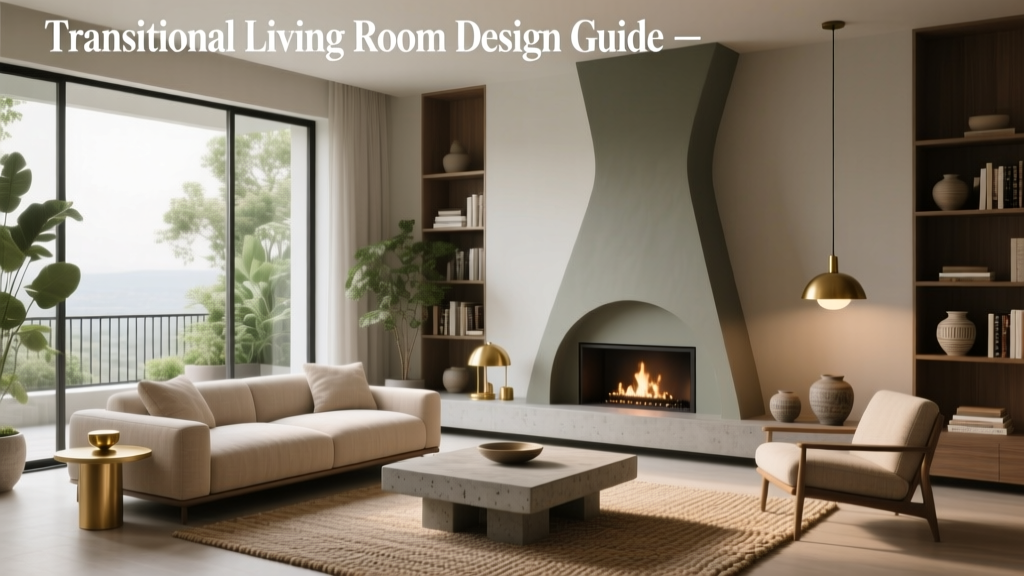 Transitional Living Room Design Guide - The Decor Mag
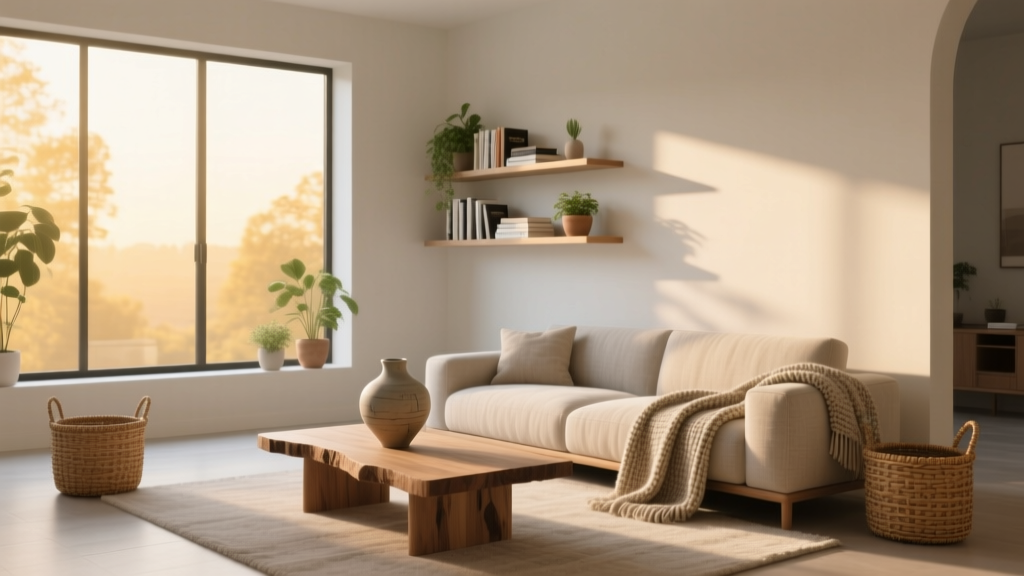 Effortless Living Room Styling: Tips & Ideas
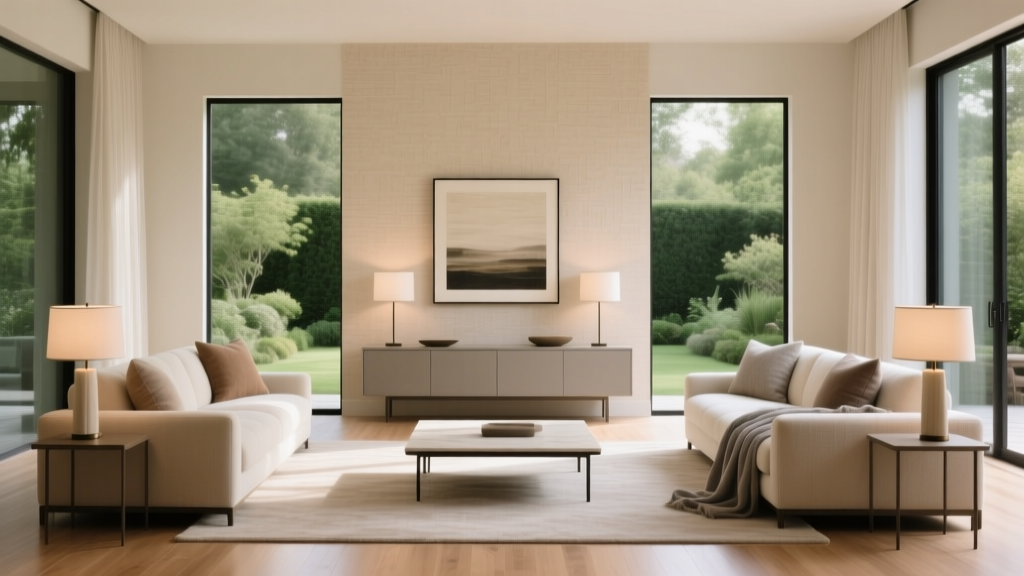 Living Room Symmetrical Design Principles - The Decor Mag
 Island Bedroom Ideas 2026: Coastal Calm & Smart Layouts
 Living Room Design From Life, Not Moodboards