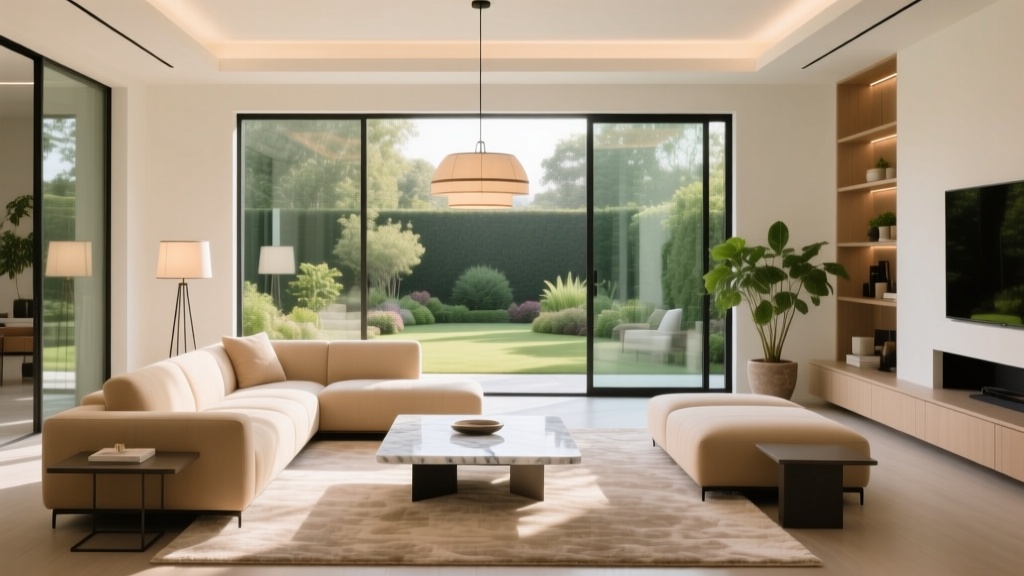
How to Style a Living Room Around a View - The Decor Mag
A great view is one of the few “decor items” you don’t have to shop for—yet it can easily be underused. Maybe your living room has a wall of windows facing trees, water, city lights, or a dreamy backyard. Or maybe it’s a smaller moment: a courtyard, a skyline sliver, or a sunset angle. When you style a living room around a view, you’re not just arranging furniture—you’re shaping how you experience your home every day.
The tricky part is that most rooms weren’t designed with your exact lifestyle in mind. The best seating spot might block a walkway. Glare might hit your TV at the worst time. Your windows may be gorgeous but drafty, or your view may be stunning in daylight and disappear at night. The goal is to make the view the star while keeping the room functional, comfortable, and cohesive.
Here’s what you’ll learn: how to choose a focal point, map out furniture placement, pick the right window treatments, and select materials and colors that complement (not compete with) what’s outside. You’ll also get real-world layout scenarios, budget ranges, and common mistakes to avoid—so your living room design looks intentional from every angle.
Start by Defining the “View Zone” and Your Primary Use
Before you move a single chair, get clear about two things: what exactly the view is, and how you want to use the room.
Step 1: Identify the best sightlines
- Stand in your doorway and note what you naturally look at first.
- Sit where you currently relax most—what can you see without turning your neck?
- Check the view at different times (morning, afternoon, evening). A bright sunrise view needs different solutions than a west-facing sunset with glare.
Step 2: Choose your “primary activity”
This decision drives everything that follows. Most living rooms serve one or more of these:
- Conversation-forward (hosting, family time)
- TV-forward (movies, gaming)
- Reading/quiet-forward (a calmer lounge)
- Multi-use (work-from-home corner, kids’ play, entertaining)
If the view is truly exceptional, it can become the main focal point. If you also need a TV, you’ll create “dual focal points” with a layout that feels balanced—not like furniture is arguing with the windows.
Furniture Layout: Make the View the Anchor (Without Sacrificing Flow)
When homeowners search for “living room layout ideas,” they’re usually wrestling with the same issue: the best window wall is also the wall they want to walk past. Use these guidelines to keep the room feeling open.
Key measurements for a comfortable, view-friendly layout
- Walkways: Keep main pathways 30–36 inches wide. In tighter apartments, 28 inches can work if it’s not a primary route.
- Sofa-to-coffee table: Aim for 14–18 inches between the sofa and table edge.
- Rug sizing: Ideally, the front legs of all seating sit on the rug. A common upgrade is moving from a 5’x8’ to a 8’x10’ rug for better grounding.
- TV distance (if applicable): For a 55" TV, a comfortable range is often 7–9 feet from the main seat (adjust based on preference and resolution).
Best layouts for styling a living room around a view
1) Floating sofa facing the windows (the “hotel lounge” approach)
This is the classic move when you want the view to feel like a destination.
- Float the sofa 3–5 feet from the window wall (or closer if space is tight).
- Add two swivel chairs opposite or at angles so people can face each other and turn toward the view.
- Use a console table behind the sofa (12–16 inches deep) to create a “backbone” and hide cords or lamps.
Best for: scenic views, entertaining, reading, open-plan rooms.
2) L-shaped sectional perpendicular to the windows
If your view is on one side and you need to preserve a walkway, a sectional can frame the view without blocking it.
- Place the longer side along an interior wall.
- Let the chaise face toward the view.
- Keep the sectional’s back low if it’s near the windows (look for a back height under 34 inches when possible).
Best for: family rooms, movie nights, rooms where a floating sofa feels too exposed.
3) Two sofas facing each other, view on the side
This works when conversation is the priority, but you still want the view integrated.
- Set sofas parallel to each other with a coffee table between.
- Use a pair of accent chairs near the window to create a “view nook.”
Best for: traditional layouts, long rooms, social households.
Window Treatments: Frame the View, Control Light, Protect Privacy
Window treatments are where many view-centered living rooms go wrong—either the windows feel bare and cold, or the curtains swallow the glass. Current trends favor a clean, tailored look, but timeless principles still apply: proportion, softness, and functionality.
Go-to options (with materials that work)
- Sheer + drapery combo: Use linen or linen-blend drapes for a relaxed, high-end feel, paired with sheer voile for daytime privacy. Great for coastal, modern, and transitional living room decor.
- Solar shades: Ideal for preserving the view while reducing glare. Choose 3% openness for a good balance; go tighter (1%) for stronger sun control.
- Roman shades: A classic choice for smaller windows or when you want softness without long panels. Look for woven grasscloth-style for texture (just be mindful of humidity).
- Ripple-fold drapery: A trend-forward, tailored look that still feels timeless. Especially good for large sliders and floor-to-ceiling windows.
Hanging guidelines that make the room look taller
- Mount curtain rods 4–8 inches above the window frame (or closer to the ceiling for drama).
- Extend the rod 8–12 inches past each side of the window so curtains stack mostly off the glass.
- Hem panels to “kiss” the floor or hover 1/2 inch above (easier for vacuums and pets).
Budget ranges for window treatments
- Budget: $50–$200 (ready-made panels + basic rod)
- Mid-range: $300–$1,200 (better fabric, lined drapes, upgraded hardware)
- Investment: $1,500–$5,000+ (custom drapery, motorized shades, large spans)
Color Palette and Materials: Let Nature Lead
A view-centric living room feels best when the interior supports what’s outside. That doesn’t mean everything must be beige—it means you borrow cues from the landscape and translate them in a livable way.
How to pull a palette from the view
- Choose one dominant neutral (warm white, greige, sand, soft gray) that matches the light in your room.
- Add a mid-tone from outdoors (sage from trees, clay from rooftops, ocean blue, charcoal from cityscapes).
- Use one accent color sparingly (sunset amber, deep teal, olive, burgundy) in pillows, art, or a single chair.
Materials that complement a view (and feel current)
- Linen and cotton for breathable softness (timeless and trending).
- Wool rugs for durability and warmth (excellent for high-traffic living room design).
- Oak, walnut, or ash for natural grounding—especially in modern organic interiors.
- Matte black or aged brass accents to frame the view like a photograph.
- Stone or stone-look surfaces (travertine, marble, quartz) for a refined, light-catching finish.
Lighting: Keep the View Beautiful After Dark
A common complaint: “The room looks amazing during the day, but at night the windows turn into black mirrors.” The fix is layered lighting that makes the interior glow without overpowering the glass.
A simple layered lighting plan
- Ambient: Overhead fixture or flush mount on dimmer (aim for warm bulbs around 2700K).
- Task: Floor lamp by the sofa or a reading chair (shade height roughly at eye level when seated).
- Accent: Picture light, small table lamp on a console, or LED strips behind shelving to add depth.
Product-style recommendations that work with views
- Low-profile floor lamps with a pivoting arm so they don’t block windows.
- Glass or open-base lamps that visually “disappear” near the view zone.
- Dimmable smart bulbs for quick control at sunset—especially helpful in rentals.
Decor Choices: Keep the Window Wall Calm
If the view is the artwork, your decor should support it. The best living room decor around a view feels edited—still personal, never sparse.
What to place near windows (and what to avoid)
- Great near windows: low plants, a slim bench, a small side table, sculptural objects that don’t exceed the sill height by much.
- Avoid: tall bookcases, busy gallery walls on the window wall, oversized lamps that cut into the glass, and cluttered surfaces that reflect in the window at night.
Rugs and upholstery that won’t fight the scenery
- Rugs: textured solids, subtle patterns, vintage-inspired low-contrast designs. Consider a 0.4–0.6 inch pile for easy chair movement.
- Upholstery: performance fabric for sunny rooms (look for stain-resistant, UV-friendly options). In leather, choose a semi-aniline for durability and patina.
Real-World Layout Scenarios (Steal These Setups)
Scenario 1: Small apartment with a city view and a TV requirement
Challenge: You want to watch TV without blocking the window, and you need the room to feel bigger.
- Use a 72–84 inch sofa floating perpendicular to the windows.
- Mount the TV on the adjacent wall with an articulating arm to reduce glare.
- Add one swivel chair near the window to create a dedicated “view seat.”
- Window treatment: solar shades (3% openness) + simple side panels to soften the edges.
Budget idea: $800–$2,500 for sofa + rug + shades if you choose mid-range ready-to-assemble furniture and off-the-shelf window solutions.
Scenario 2: Suburban living room with backyard greenery and a fireplace
Challenge: Two focal points (fireplace and view) can make the layout feel indecisive.
- Angle two chairs toward the fireplace but keep their line of sight open to the windows.
- Float the sofa facing the fireplace, then add a console table behind it with two lamps to create evening ambiance.
- Choose a rug large enough (often 8’x10’ or 9’x12’) to unify the seating zone.
Style move: Pull greens and warm browns from the yard into pillows and throws—think olive, moss, and camel.
Scenario 3: Coastal or lake view with intense sun exposure
Challenge: Sun bleaching, heat, and glare can make the room uncomfortable.
- Prioritize UV-blocking window film or solar shades before buying new furniture.
- Select performance upholstery and avoid delicate silks near the glass.
- Use light, matte finishes to prevent harsh reflections—oak, linen, honed stone.
Budget idea: $200–$800 for films/shades in a modest room; $1,500+ for motorized solutions on large expanses.
Common Mistakes to Avoid When Decorating Around a View
- Pushing all furniture against the walls: It often creates a “waiting room” feel and wastes the view. Try floating at least one key piece.
- Choosing curtains that block glass: Curtains should frame, not cover. Extend rods beyond the window to keep panels off the view.
- Ignoring glare and reflection: If you have a TV, plan for glare early with shades, angles, or an articulating mount.
- Over-decorating the window wall: Too many plants, frames, or tall decor competes with what’s outside.
- Skipping nighttime planning: Without layered lighting, the view disappears and the room feels flat after sunset.
- Using the wrong scale: A tiny rug or undersized coffee table makes the whole layout feel disconnected—especially in rooms with big windows.
FAQ: Styling a Living Room Around a View
Should the sofa face the window?
If the view is the main focal point and you don’t need the wall for a TV, yes—facing the window is often the most satisfying choice. For multi-use rooms, try a floating sofa that faces partway toward the view with swivel chairs that can rotate.
How do I add privacy without losing the view?
Use sheers for daytime privacy or solar shades that preserve visibility while cutting glare. At night, layer with drapes or privacy-lined shades since interior lighting makes the room visible from outside.
What’s the best curtain color when you have a great view?
Stick to calm, light neutrals (warm white, flax, soft gray) or a tone that matches your wall color for a seamless frame. If you want contrast, use a darker trim or hardware instead of heavy, dark fabric.
Where should I put the TV if the best wall is windows?
Place the TV on a perpendicular wall or use a corner setup. An articulating wall mount helps you angle away from glare. If you must place it near windows, prioritize solar shades and avoid glossy screens.
How can renters style around a view without permanent changes?
Focus on reversible upgrades: tension rods or no-drill curtain rods, peel-and-stick UV film, floor lamps on dimmers, and a floating furniture layout using a large rug to “zone” the space.
What coffee table shape works best near windows?
Round or oval tables improve flow in view-focused seating zones, especially when you’re floating furniture. In tighter rooms, consider a pair of nesting tables you can move as needed.
Actionable Next Steps: Your Weekend Plan
- Stand, sit, and photograph your room from 3 angles to identify the best sightlines.
- Choose your primary use (conversation, TV, reading, or multi-use) and commit to one “hero” seat with the best view.
- Float one key piece (sofa or two chairs) and maintain 30–36 inches for main walkways.
- Upgrade window treatments with a view-friendly solution: sheers, solar shades, or ripple-fold drapery.
- Add layered lighting on dimmers so the room looks as good at night as it does in daylight.
A thoughtfully styled living room around a view feels like a daily getaway—whether you’re looking at treetops, rooftops, or your own backyard. Keep the layout functional, frame the windows with intention, and let the scenery do the heavy lifting.
Want more living room design and decor ideas? Explore inspiration, layouts, and trend-forward tips across the site at thedecormag.com.
More Articles
 Coffee Table Height & Sofa Relationship (2026)
 Best Chaise Lounge Placement Ideas - The Decor Mag
 Smart Function Storage Ideas for Real Living Spaces
 Best Table Lamp Pairings for End Tables - The Decor Mag
 Effortless Living Room Styling: Tips & Ideas
 Living Room Classic Design Principles - The Decor Mag
 Best Console Table Depth for Behind Sofa - The Decor Mag
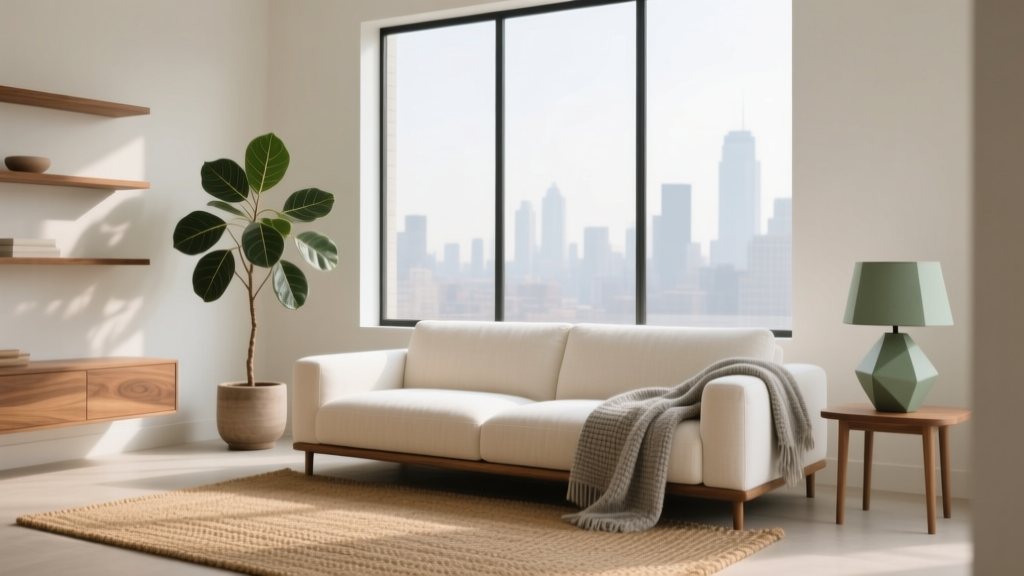 Budget-Friendly Living Room Makeover Ideas - The Decor Mag
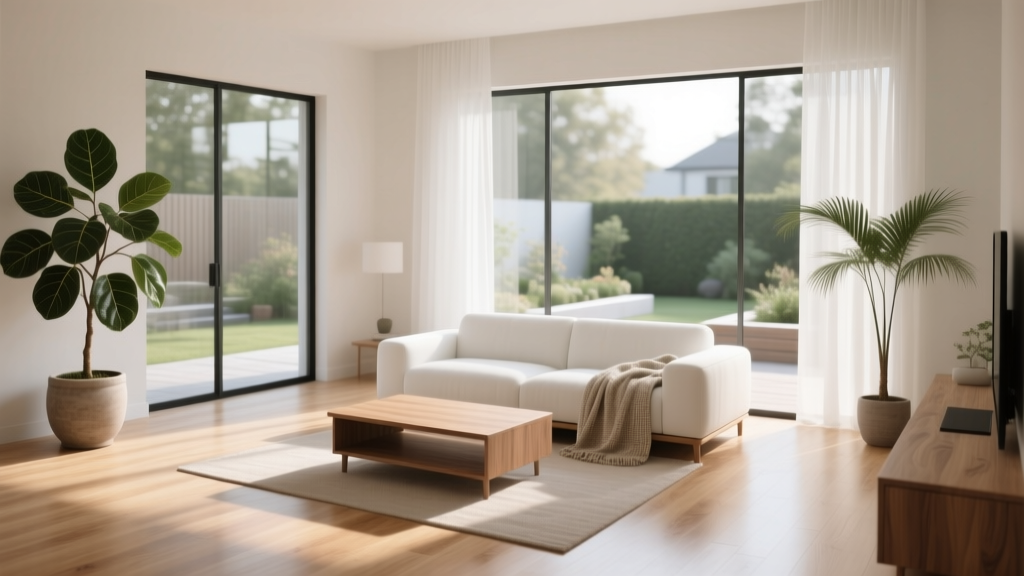 Living Room Bright Airy Design Tips - The Decor Mag
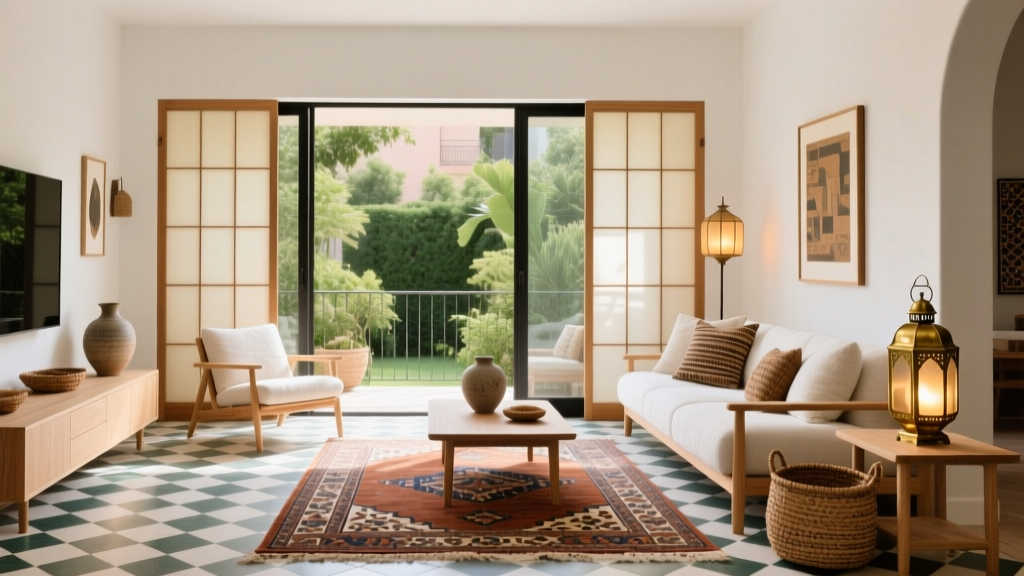 Living Room Global Bazaar Style - The Decor Mag