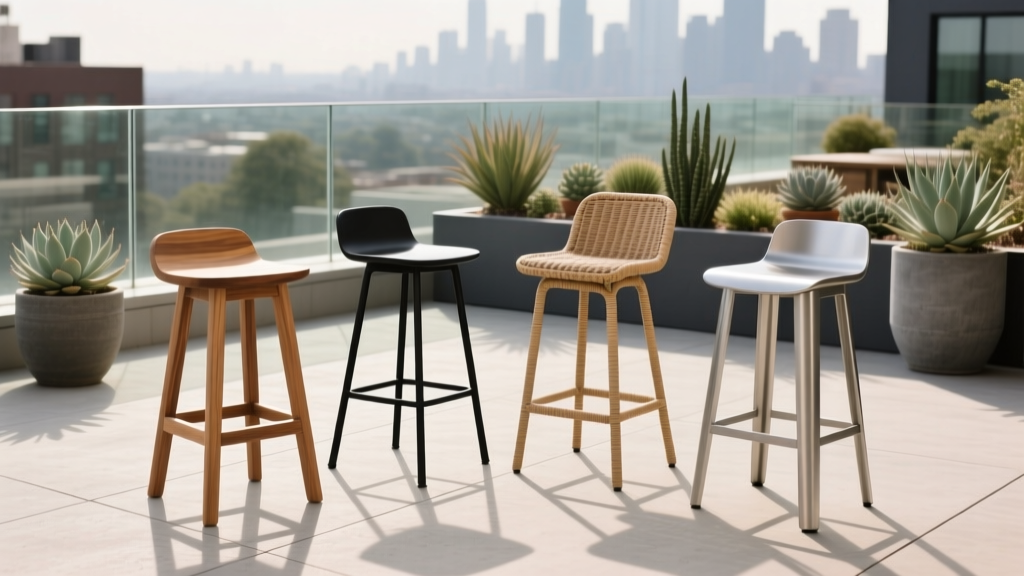
Best Outdoor Bar Stool Choices - The Decor Mag
An outdoor bar setup does something magical for patio living: it turns “outside” into a destination. Whether you’re serving lemonade after yard work, hosting neighbors for sunset cocktails, or setting up a breakfast perch by the garden, the right outdoor bar stools make the space feel intentional—like a true extension of your home’s interior design.
But bar stools aren’t just a style detail. They’re one of the most-used pieces in an outdoor living space, and they take more abuse than most patio furniture—sun, rain, chlorine splash, sweaty summer afternoons, and the occasional dragged-across-the-pavers moment. Choosing the best outdoor bar stool means balancing comfort, durability, maintenance, and the way it fits your patio layout.
This guide breaks down outdoor bar stool heights, materials, styles, and climate considerations, along with design tips, plant pairings, common mistakes to avoid, and budget ranges. If you’re building a backyard bar, upgrading an outdoor kitchen, or refreshing a small balcony, you’ll find practical, expert ideas you can use right away.
Start With the Basics: Outdoor Bar Stool Height, Spacing, and Comfort
Choose the right seat height for your counter
- Bar-height stools: Seat height typically 28–30 inches. Best for bar tops around 40–42 inches high.
- Counter-height stools: Seat height typically 24–26 inches. Best for counters around 34–36 inches high (common in outdoor kitchens).
Comfort rule of thumb: aim for 10–12 inches of space between the seat and the underside of the bar/counter for relaxed legroom.
Plan spacing so your patio doesn’t feel cramped
- Width per stool: Allow 24 inches per stool for everyday comfort; 26–30 inches if you want a more luxurious, lounge-like feel.
- Clearance behind stools: Leave 36 inches for a primary walkway; 30 inches can work in tight patios.
- Armrests: Add comfort, but require more elbow room. If your bar is short, armless stools may seat more people comfortably.
Comfort features worth paying for
- Footrest: Non-negotiable for bar height—especially for longer hangs.
- Backrest: Better for outdoor dining and lingering; backless stools tuck neatly under counters.
- Swivel: Great for conversation zones and tight layouts (less scooting and dragging on decking).
- Seat shape: A subtly contoured seat is more comfortable than a flat plank, especially without cushions.
Best Outdoor Bar Stool Materials (and Where Each Shines)
Outdoor design is always local: your climate, sunlight exposure, and how often you entertain should guide your material choices. Here are the top outdoor bar stool materials that perform well in patios, gardens, and poolside spaces.
Powder-coated aluminum: the best all-around pick
For many homeowners, powder-coated aluminum hits the sweet spot: lightweight, rust-resistant, and easy to maintain.
- Best for: Humid climates, coastal areas, pool decks, year-round outdoor living
- Design vibe: Modern, transitional, coastal
- Maintenance: Rinse and wipe; touch up chips to prevent corrosion at exposed spots
Price range: $120–$450 per stool, depending on brand, swivel, and cushion quality.
Teak: timeless, warm, and weather-smart
Teak is a premium hardwood with natural oils that help it resist moisture and pests. It’s a favorite for high-end patio furniture.
- Best for: Four-season patios, covered or uncovered spaces, homeowners who want long-term value
- Design vibe: Coastal, organic modern, resort-style
- Maintenance: Let it silver naturally or clean + oil 1–2 times/year to preserve honey tone
Price range: $250–$900 per stool.
All-weather wicker (HDPE resin): cozy texture with smart performance
Choose HDPE (high-density polyethylene) resin wicker over cheaper PVC. It holds up better to UV and temperature swings.
- Best for: Covered patios, screened porches, conversational outdoor bars
- Design vibe: Casual, coastal, boho, traditional
- Maintenance: Light brushing + rinse; store cushions in heavy rain
Price range: $140–$600 per stool.
Stainless steel: sleek but climate-dependent
Stainless steel reads crisp and architectural—perfect for a modern outdoor kitchen. It can still tea-stain or pit near salt air if the grade isn’t right.
- Best for: Contemporary patios, covered outdoor kitchens
- Look for: 304 stainless inland; 316 stainless near the coast
- Maintenance: Regular wiping; avoid harsh chlorine contact and abrasive cleaners
Price range: $200–$800 per stool.
Recycled plastic (HDPE lumber): low maintenance, high durability
Often sold as “polywood” style furniture, HDPE lumber is a workhorse that shrugs off rain and sun.
- Best for: Sunny patios, poolside seating, households that want minimal upkeep
- Design vibe: Classic, coastal, family-friendly
- Maintenance: Soap-and-water clean; no sealing required
Price range: $180–$550 per stool.
Outdoor rope + aluminum frames: airy, comfortable, on-trend
Rope-wrapped designs look light and breathable—ideal for hot climates and contemporary landscaping.
- Best for: Covered patios or areas with quick-drying airflow
- Design vibe: Modern coastal, Mediterranean, boutique-hotel
- Maintenance: Occasional gentle scrub; keep cushions dry to avoid mildew
Price range: $160–$700 per stool.
Outdoor Bar Stool Styles That Elevate Patio Design
Backless stools: clean lines and easy traffic flow
Backless outdoor bar stools work beautifully in smaller patios or when you want a streamlined look under a narrow counter. They’re also easier to move for flexible entertaining.
Low-back and mid-back stools: the sweet spot for long hangouts
If your outdoor bar doubles as a dining zone, a supportive back makes the space feel like a true outdoor room.
Swivel stools: best for conversation and outdoor kitchens
Swivels help guests turn toward the grill, the pool, or the fire pit without scraping stool legs across pavers or composite decking. Look for smooth bearings and a sturdy base.
Stools with arms: lounge-level comfort
Armed stools shine in a spacious outdoor kitchen layout. Pair them with fewer seats and more elbow room for a high-end, relaxed feel.
Design Recommendations: Layouts, Color Palettes, and Plant Pairings
Layout ideas that work in real backyards
- L-shaped outdoor kitchen: Place stools on the outer edge so the cook stays engaged with guests. Add a planter screen at the end for privacy.
- Straight bar on a small patio: Use backless stools that tuck in fully. Hang string lights or a slim pergola above to define the zone.
- Poolside bar seating: Choose aluminum or HDPE. Keep a towel hook nearby and select quick-dry sling or mesh seats.
- Garden-view bar: Angle the bar to face your best landscaping feature—flowering border, fountain, or specimen tree—so the view becomes the focal point.
Color and material pairings for a cohesive outdoor look
- Modern patio: Matte black aluminum stools + light concrete counter + grasses (feather reed grass, blue fescue)
- Coastal outdoor living: Teak or white HDPE stools + sandy pavers + hydrangeas and ornamental rosemary
- Mediterranean courtyard: Rope stools + travertine or warm stone + lavender, olive in containers, and thyme edging
- Desert-friendly design: Powder-coated aluminum in warm neutrals + decomposed granite + agave, red yucca, and lantana
Best plants to soften a bar zone (and add privacy)
Bar seating often benefits from a “green backdrop” to make it feel like a destination. Use containers to keep it flexible.
- For privacy screening: Clumping bamboo (non-invasive varieties), podocarpus, dwarf clusia (warm climates), or tall ornamental grasses
- For fragrance near seating: Jasmine (trellis), star jasmine, lavender, rosemary, mint (in a pot to contain it)
- For night-friendly ambience: White flowering plants like moonflower (seasonal), white petunias, or hydrangeas in bright shade
- For pollinator-friendly patios: Salvia, coneflower, lantana, and herbs that bloom
Cushions, Fabrics, and Finishes That Last Outdoors
Choose performance fabrics made for patio living
- Solution-dyed acrylic (e.g., Sunbrella-style fabrics): Excellent fade resistance and durability
- Olefin: Strong value, good mildew resistance, solid for covered patios
- Quick-dry foam: Helps cushions bounce back after summer storms
Finish details to look for when shopping
- Hardware: Stainless or rust-resistant fasteners
- Weld quality: Smooth, consistent joins on metal frames
- Feet/glides: Protective caps help on stone, tile, and composite decking
Climate and Maintenance Considerations (So Stools Look Great Year-Round)
Coastal and salty air
- Favor powder-coated aluminum, HDPE lumber, and marine-grade 316 stainless.
- Rinse furniture occasionally to remove salt residue.
- Avoid cheap steel frames—rust can show up fast.
Hot sun and high UV regions
- Look for UV-stable HDPE, high-quality powder coating, and solution-dyed fabrics.
- Consider lighter frame colors; they stay cooler to the touch.
- Add shade: umbrellas, pergolas, or a sail shade to extend cushion life.
Freeze/thaw and snowy winters
- Teak and aluminum do well, but cushions should be stored dry.
- Use furniture covers that allow some airflow (to reduce condensation).
- On stone patios, avoid dragging stools to prevent scratching and chipping.
Rainy, humid climates
- Choose sling seats, mesh, or quick-dry cushions to reduce mildew risk.
- Keep stools on a surface with good drainage; avoid constant contact with wet grass or soil.
- Use an outdoor storage bench or deck box for cushions during storm season.
Budget Ranges: What to Expect at Every Level
- $80–$150 per stool: Basic powder-coated metal or resin. Best for covered patios and lighter use.
- $150–$350 per stool: Strong mid-range with better finishes, more comfortable ergonomics, and improved weather resistance.
- $350–$700 per stool: Premium materials (teak, rope + aluminum, high-end swivel mechanisms), performance cushions, designer detailing.
- $700–$1,000+ per stool: Luxury outdoor furniture lines, top-tier stainless grades, and statement design pieces built for decades.
Common Mistakes to Avoid When Buying Outdoor Bar Stools
- Getting the height wrong: Measure your counter height before you buy. A mismatch makes stools uncomfortable fast.
- Ignoring weight and wind: Very lightweight stools can tip on breezy decks. Consider heavier bases, especially for backless designs.
- Choosing indoor fabrics outdoors: Indoor cushions fade and mildew. Invest in outdoor-rated textiles.
- Overcrowding the bar: Squeezing in “one more stool” makes the whole patio feel tighter. Prioritize comfort and circulation.
- Buying a trend without considering your landscape: Match the stool style to your patio materials—pavers, stone, wood deck, and planting style—so it looks intentional.
- Skipping maintenance planning: If you won’t oil teak or store cushions, choose lower-maintenance options like aluminum and HDPE.
FAQ: Outdoor Bar Stools for Patios, Decks, and Outdoor Kitchens
What’s the best material for outdoor bar stools?
For most climates, powder-coated aluminum is the best all-around choice because it resists rust, feels light, and fits many outdoor design styles. For a premium natural look, teak is hard to beat.
Are swivel outdoor bar stools worth it?
Yes—especially for outdoor kitchens and conversation-focused patio layouts. Swivels reduce scraping on decking and make it easier for guests to turn toward the grill, pool, or fire feature.
Should outdoor bar stools have cushions?
If your bar doubles as an outdoor dining spot or you entertain often, cushions improve comfort dramatically. Choose solution-dyed acrylic or quality olefin and consider quick-dry foam for rainy climates.
How many stools fit at an outdoor bar?
Plan on 24 inches of counter width per stool (or up to 30 inches for more comfort). Always leave 30–36 inches behind stools for movement through the patio.
How do I keep outdoor bar stools from rusting or fading?
Pick weather-smart materials (aluminum, HDPE, teak), rinse occasionally in coastal areas, touch up frame chips, and use performance fabrics. Adding shade with an umbrella or pergola also extends the life of finishes and cushions.
Can I leave outdoor bar stools outside all winter?
Many can stay out (especially aluminum and HDPE), but cushions should be stored dry. In freeze/thaw regions, use breathable covers and avoid trapping moisture against frames.
Next Steps: Build a Bar Zone You’ll Use Every Season
Start by measuring your counter height, deciding how many seats your layout can comfortably hold, and choosing a material that matches your climate and maintenance style. Then layer in the design details that make outdoor living irresistible: a footrest-friendly stool, a soft cushion in a performance fabric, and a planted backdrop that adds privacy and atmosphere.
- Measure counter height and confirm stool seat height.
- Pick a climate-appropriate frame material (aluminum, teak, HDPE, or rope + aluminum).
- Plan spacing for circulation and comfort.
- Add shade and plants for year-round patio enjoyment.
For more patio living inspiration, outdoor kitchen ideas, landscaping tips, and furniture guides, explore the latest at thedecormag.com.
More Articles
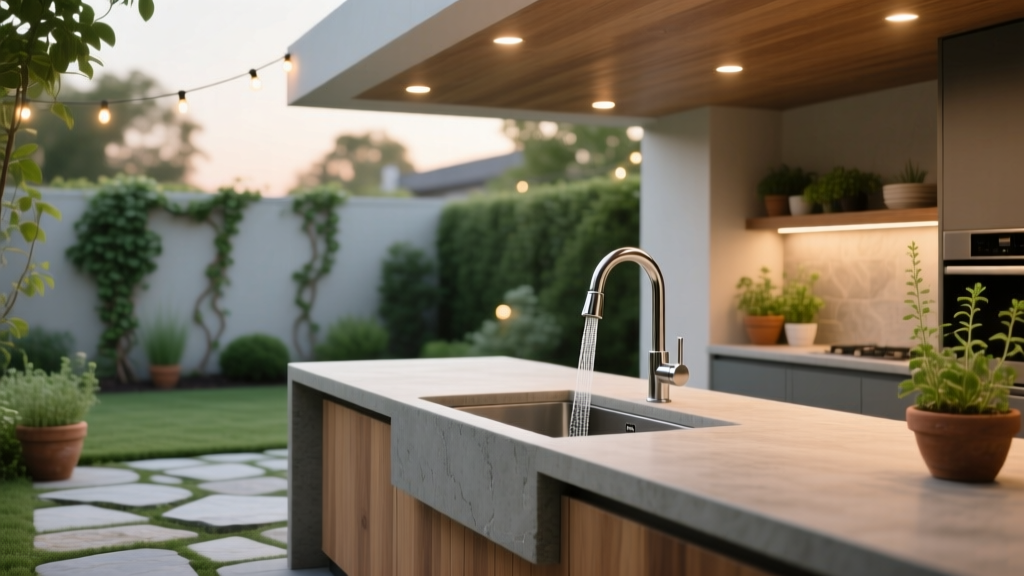 Outdoor Sink and Prep Station Ideas - The Decor Mag
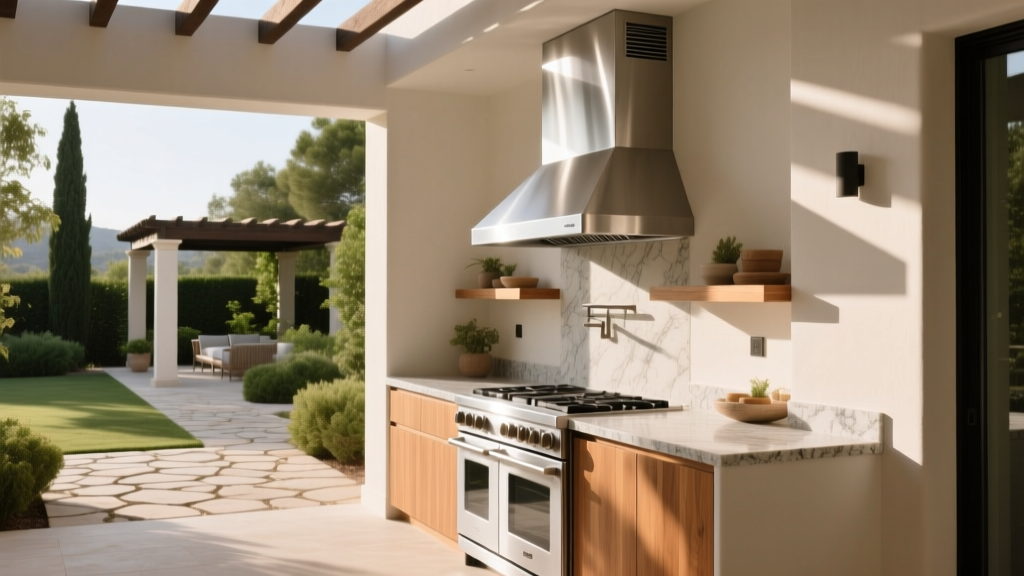 Outdoor Kitchen Ventilation Guide - The Decor Mag
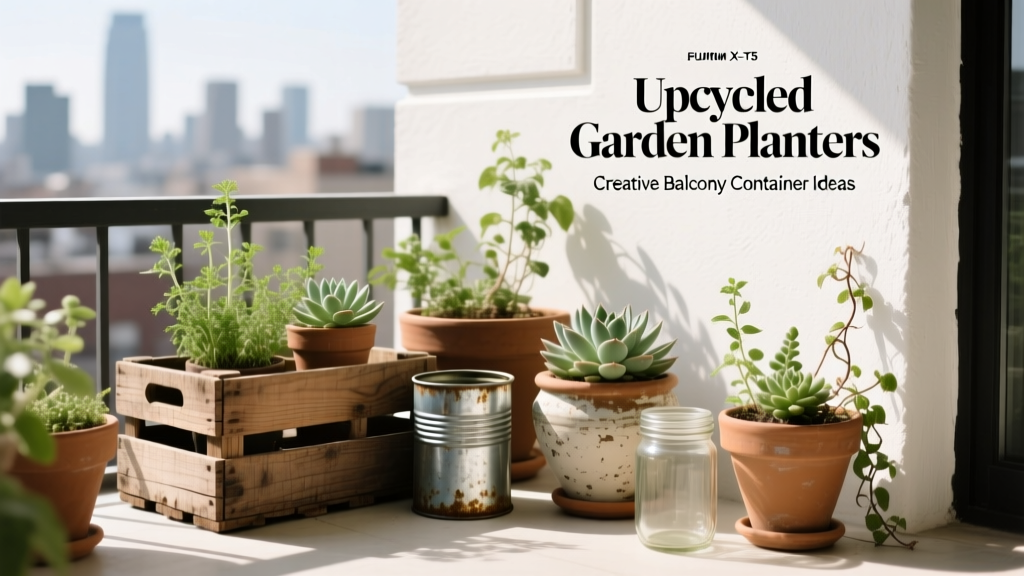 Upcycled Garden Planters: Creative Balcony Container Ideas
 The Outdoor Living Room Tools Checklist: Essential Gear for Designing, Building, and Maintaining Your Backyard Living Space
 Outdoor Refrigerator and Ice Maker Setup - The Decor Mag
 The Ultimate Paint Guide for Outdoor Living Spaces: Durability, Color Science, and Real-World Performance
 Outdoor Kitchen Pizza Stone Installation - The Decor Mag
 How To Clean Living: A Practical Guide to Healthier Outdoor Spaces and Sustainable Habits
 Best Outdoor Rocking Chair Picks - The Decor Mag
 Best Outdoor Heater Options for Cool Nights - The Decor Mag