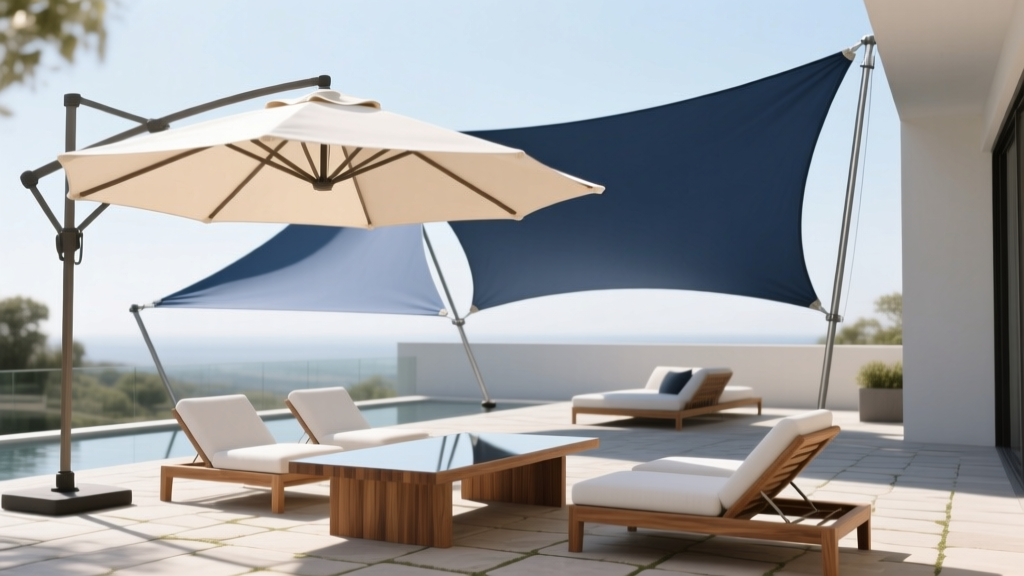
How to Choose Outdoor Umbrella or Sail Shade - The Decor Mag
A well-designed shade solution changes how you use your outdoor space. It turns a sun-baked patio into a comfortable outdoor living room, keeps cushions from fading, makes alfresco meals feel effortless, and creates that inviting “stay awhile” atmosphere that separates a basic backyard from a true retreat.
Choosing between an outdoor umbrella and a sail shade isn’t just about style—it’s about how you live outside. Do you move your seating around often? Do you host dinners that need shade at a certain hour? Is your yard windy, coastal, or snowy? The right option will look intentional, perform in your climate, and feel like it belongs in your landscape design.
Use this guide to match shade to your layout, sun exposure, budget, and maintenance comfort level, with practical recommendations for materials, furniture pairings, plant companions, and common mistakes to avoid.
Start with the “Shade Plan”: Sun, Space, and How You Use the Area
Track sun and shadow before you buy
The best outdoor shade decisions begin with a simple observation: where does the sun actually hit when you want to be outside?
- Morning coffee zone: often benefits from partial shade (east-facing patios can be cooler already).
- Midday lounging: needs stronger overhead coverage and UV protection.
- Late-afternoon dining: west-facing spaces may need larger shade or angled coverage to block low sun.
Quick tip: take three photos of your patio or deck—10 a.m., 1 p.m., and 5 p.m.—and note where glare hits seating and tabletops. That snapshot will guide size, placement, and whether you need adjustable tilt.
Measure the “useable” footprint, not just the patio
Shade isn’t only about the canopy size. You also need clearance for bases, posts, and furniture circulation.
- Leave 30–36 inches for comfortable walkways around dining sets.
- For lounge seating, plan at least 24 inches between the shade edge and high-traffic paths.
- Account for doors and grill lids—shade hardware should never interfere with openings or ventilation.
Outdoor Umbrella vs. Sail Shade: Which Fits Your Outdoor Living Style?
Choose an outdoor umbrella if you want flexibility
Patio umbrellas are ideal when you like to rearrange furniture, need seasonal portability, or want a straightforward installation. They work beautifully for:
- Outdoor dining tables (center-pole umbrellas)
- Small patios and balconies
- Renters or homeowners who don’t want posts/anchors
- Spaces that need shade in different spots throughout the day
Choose a sail shade if you want a sleek, architectural look
Sail shades create a modern canopy effect that can cover larger areas with fewer visual obstructions. They’re great for:
- Open patios without overhead structures
- Pool decks and play areas that need broad coverage
- Contemporary landscape design styles
- Outdoor living spaces where furniture placement stays consistent
How to Choose the Right Outdoor Umbrella
1) Pick the umbrella type: market vs. cantilever
- Market (center pole) umbrella: classic look, budget-friendly, works best with a dining table that has an umbrella hole.
- Cantilever (offset) umbrella: the pole sits to the side, keeping the shade area open—excellent for sectional sofas, chaises, and conversation sets.
2) Size it for your furniture layout
A common outdoor design rule: your umbrella canopy should extend beyond the table edge by 24–30 inches on all sides for comfortable shade.
- 4-person bistro set: 7–9 ft umbrella
- 6-person dining table: 9–11 ft umbrella
- Outdoor sectional or lounge zone: 10–13 ft cantilever (or two smaller umbrellas)
3) Choose canopy fabric that stands up to sun and weather
The canopy fabric is where quality really shows—especially in hot, high-UV climates.
- Solution-dyed acrylic (best overall): look for brands like Sunbrella-style performance acrylic. Excellent fade resistance and color depth.
- Polyester (budget-friendly): choose heavier polyester with UV inhibitors; expect faster fading in full sun.
- Olefin (good value): strong UV resistance and durability, often used in outdoor cushions too.
Color tip: medium neutrals (taupe, sand, stone) hide pollen and dust better than bright white, while still keeping the space light and airy.
4) Don’t underestimate the base and frame
- Frame materials: aluminum (lightweight, rust-resistant), powder-coated steel (strong but can chip), teak or eucalyptus (warm look, needs upkeep).
- Base guidance: for freestanding umbrellas, look for 50–100+ lbs depending on canopy size and wind. Cantilevers often need 200+ lbs of ballast (plates or filled bases).
- Wind vents: a canopy vent reduces lift and helps prevent flipping.
Umbrella styling ideas that look designer (not “temporary”)
- Pair a cantilever umbrella with an L-shaped outdoor sectional and a low fire table for a resort-inspired patio living room.
- Use two matching market umbrellas over a long dining setup to create symmetry and better coverage.
- Anchor the look with an outdoor rug (polypropylene) and coordinated textiles in 2–3 tones.
How to Choose the Right Sail Shade
1) Understand sail shade shapes and placement
Sail shades typically come in triangles, squares, or rectangles. The right shape depends on your patio geometry and where you can attach corners.
- Triangle: dramatic, sculptural, and great for smaller areas or layering multiple sails.
- Rectangle/square: more coverage for dining and lounging zones; often the best for large patios.
2) Choose fabric: HDPE vs. waterproof options
- HDPE (high-density polyethylene) knitted fabric: breathable, blocks significant UV, and lets heat escape—excellent for hot climates and pool areas.
- Waterproof shade sail fabric (coated): provides rain protection but needs a steeper slope and careful installation to avoid water pooling.
If your goal is summer comfort, breathable HDPE often feels cooler than waterproof fabric.
3) Plan for proper tension, slope, and hardware
A sail shade should look crisp and taut—never saggy. That requires solid anchor points and quality hardware.
- Slope: aim for a noticeable pitch (often 15–30 degrees) so rain runs off if you choose waterproof fabric.
- Hardware: choose marine-grade stainless steel (316) in coastal or humid climates to prevent corrosion.
- Posts: powder-coated steel or aluminum posts set in concrete are common; wood posts can work but need sealing and inspection.
4) Design approaches that elevate sail shades
- Layered sails: two triangles at different heights add dimension and handle shifting sun angles.
- Courtyard effect: a rectangle sail over the main seating area plus upright planters at corners creates a “room” feeling outdoors.
- Poolside clean lines: pair a neutral sail (sand, silver gray) with minimalist loungers and large-format pavers for a modern resort look.
Recommendations: Materials, Furniture Pairings, and Plants That Work with Shade
Best patio materials under umbrellas and sails
- Pavers or natural stone: stays cooler than some composites and gives a high-end landscape design feel.
- Stamped concrete: durable and budget-friendly; add an outdoor rug to soften the look.
- Composite decking: low maintenance, but choose lighter tones to reduce heat buildup.
Furniture that performs in shaded outdoor living spaces
- Powder-coated aluminum seating: rust-resistant and easy to move (great with umbrellas).
- All-weather wicker (HDPE resin): warm texture; use quick-dry foam cushions for humid climates.
- Teak: timeless and durable; allow it to weather to silver or maintain with teak oil/cleaner.
Plant suggestions for a lush, “cooled” patio zone
Plants soften the edges of a shade structure and help your patio feel integrated with the garden.
- Heat-tolerant container stars (sun to part sun): lavender, rosemary, salvia, lantana.
- Part-shade performers near covered seating: hydrangea (climate dependent), hosta, heuchera (coral bells), ferns.
- Architectural accents: dwarf olive (warm climates), boxwood (classic structure), ornamental grasses like fountain grass (check invasiveness locally).
- Climbers for nearby trellis privacy: star jasmine (warm climates), clematis (many zones), climbing roses (sun needed).
Design tip: use two large planters (18–24 inches) to “frame” the seating area and make the shade feel purposeful, not plopped in.
Climate, Wind, and Seasonal Considerations for Year-Round Outdoor Living
Windy locations (coastal, open yards, rooftops)
- Prioritize heavy umbrella bases, wind vents, and sturdy frames.
- Consider HDPE sail shades with proper tension and engineered anchors.
- When gusts are strong: close umbrellas whenever unattended—wind damage is fast and expensive.
Rain and storms
- Umbrellas are not true rain shelters; water can drip at seams or edges.
- Waterproof sails can work, but only with adequate slope and secure installation.
- If heavy storms are common, plan a quick-take-down system or seasonal removal.
Hot and high-UV climates
- Choose solution-dyed acrylic umbrella canopies for fade resistance.
- Use lighter canopy colors to reduce heat and glare.
- Complement with cooling landscape elements: a small fountain, shade-tolerant greenery, and breathable outdoor fabrics.
Snow and freezing conditions
- Remove umbrellas and store them dry to prevent fabric mildew and frame stress.
- Take down sail shades in snow regions unless they’re specifically engineered for load (most standard sails are not).
- Winterize hardware: inspect bolts, clean and dry stainless parts, and touch up chipped powder coat.
Maintenance Checklist: Keep Shade Looking Great
- Monthly (in season): rinse canopy with water; brush off pollen and debris.
- Spot clean: mild soap + soft brush; avoid harsh bleach unless manufacturer-approved.
- Hardware check: tighten umbrella screws and sail turnbuckles; inspect for rust or fraying.
- End of season: fully dry fabric before storing; use a breathable cover bag for umbrellas.
Budget Ranges: What to Expect
- Budget patio umbrella: $60–$200 (polyester canopy, lighter frame, basic base)
- Mid-range umbrella setup: $200–$800 (better canopy fabric, sturdier frame, heavier base)
- Premium cantilever umbrella: $800–$2,500+ (large canopy, tilt/rotation features, high-end fabrics)
- DIY sail shade (small area): $100–$400 (sail + basic hardware; existing anchor points help)
- Installed sail shade system: $800–$4,000+ (posts, concrete footings, marine-grade hardware, larger sails)
Value tip: spend more on fabric quality and hardware—those are the components that most directly affect lifespan and day-to-day satisfaction.
Common Mistakes to Avoid
- Buying the wrong size: an undersized canopy leaves you chasing shade; go larger if your space allows.
- Ignoring wind: too-light bases and unattended open umbrellas are a recipe for broken frames and damaged furniture.
- Installing sails without proper tension: sagging sails look sloppy and can collect water.
- Placing shade without a layout plan: align shade with seating zones first, then choose the product.
- Choosing high-maintenance materials for your lifestyle: teak is beautiful, but if you want zero upkeep, powder-coated aluminum may suit you better.
- Forgetting lighting: add outdoor string lights, wall sconces, or solar path lights so the space works after sunset.
FAQ: Outdoor Umbrellas and Sail Shades
What’s better for a small patio: umbrella or sail shade?
An outdoor umbrella is usually best for small patios because it’s flexible and doesn’t require posts or wall anchors. A compact cantilever can also work if you want clear space over a lounge chair or loveseat.
Do sail shades block rain?
Only waterproof sails block rain effectively. Breathable HDPE sails are designed primarily for UV and heat reduction. Even waterproof sails need a steep slope and correct installation to prevent water pooling.
How do I keep my patio umbrella from blowing over?
Use a heavy base matched to the canopy size, choose a vented canopy, and close the umbrella when winds pick up or when you’re not outside. In very windy areas, consider a wind-rated model or switch to a properly anchored sail shade.
What canopy fabric lasts the longest in full sun?
Solution-dyed acrylic typically lasts the longest and resists fading better than basic polyester. It’s a top choice for year-round patio living in high-UV climates.
Can I use a sail shade over a fire pit or grill?
Use caution. Maintain generous clearance from heat and flames, and follow manufacturer guidance. For grilling zones, consider shade placement that covers prep/dining areas rather than directly above high heat.
Next Steps: Choose Shade That Makes You Want to Stay Outside
Start by mapping your sun exposure and furniture layout, then decide whether you need the flexibility of an outdoor umbrella or the architectural coverage of a sail shade. Invest in durable canopy fabric, sturdy hardware, and a design that feels connected to your patio materials and landscaping—then finish the space with lighting, planters, and outdoor textiles that invite you outdoors in every season.
For more patio living ideas, landscape design inspiration, and outdoor styling guides, explore the latest on thedecormag.com.
More Articles
 Best Outdoor Ceiling Fan for Covered Patios - The Decor Mag
 How to Design a Tropical Garden Oasis - The Decor Mag
 How to Design a Drought-Tolerant Landscape - The Decor Mag
 Science vs Summer: How Thermal Physics, Material Science, and Bioclimatic Design Shape Outdoor Living
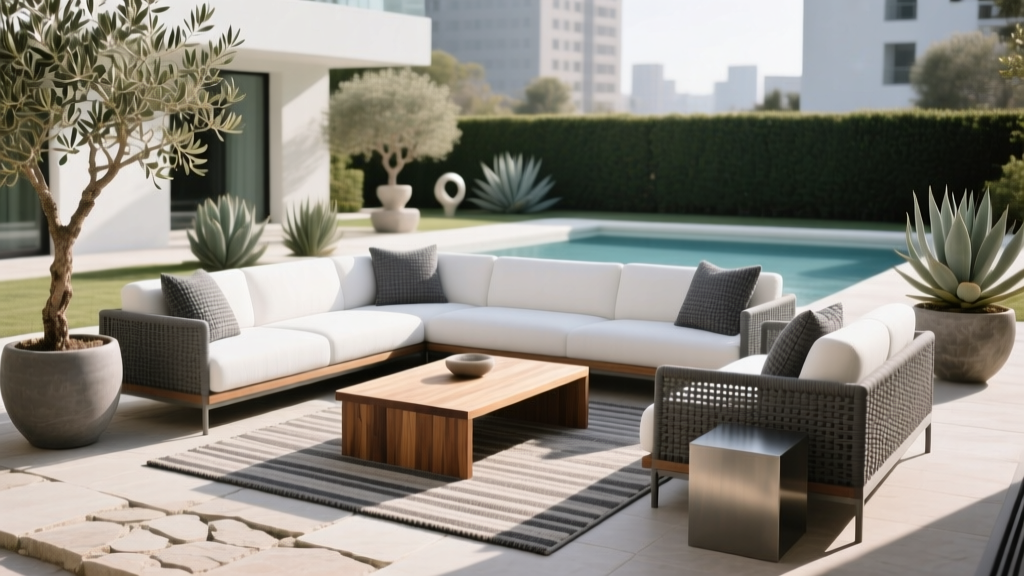 Best Outdoor Lounge Furniture Picks - The Decor Mag
 Garden Room and Greenhouse Design - The Decor Mag
 How to Design a Hummingbird Garden - The Decor Mag
 How to Create a Cut Flower Garden - The Decor Mag
 Outdoor Kitchen Pizza Stone Installation - The Decor Mag
 How to Create a Dye Plant Garden - The Decor Mag