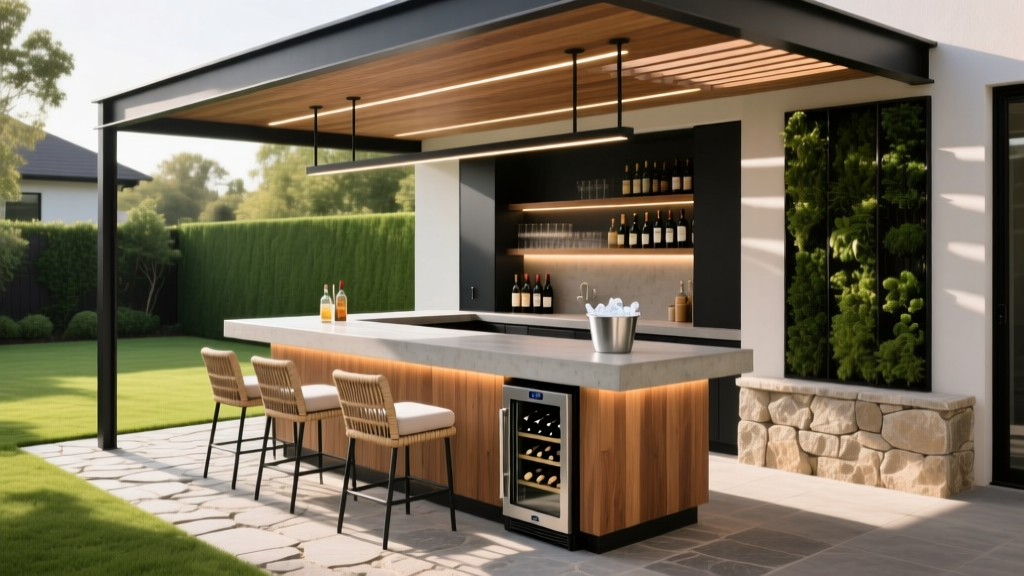
Outdoor Bar and Beverage Station Ideas - The Decor Mag
An outdoor bar or beverage station is one of those upgrades that instantly changes how you use your patio, deck, or backyard. It turns “stepping outside” into “hosting with ease,” whether you’re mixing cocktails for friends, serving lemonade for the kids, or setting up a self-serve coffee corner for crisp fall mornings. It also keeps traffic out of your kitchen—no more constant trips indoors while you’re trying to enjoy your outdoor living space.
Beyond entertaining, a well-designed outdoor beverage station adds structure to your landscape and patio layout. It creates a destination—an anchor point that makes even a small yard feel purposeful. With the right materials and weather-smart planning, it can be a year-round feature that looks as good in summer as it does during cozy shoulder-season gatherings.
Start with the Basics: How You’ll Use Your Outdoor Bar
Before picking a style or shopping for bar stools, decide what the station needs to do. The best outdoor bar ideas are built around real habits and realistic maintenance.
Choose your “bar type”
- Grab-and-go beverage station: A compact setup with a cooler drawer or ice bucket, glass storage, and a small counter for pouring.
- Entertainer’s bar: Larger counter space for mixing, a sink, a mini fridge, and room for serving platters.
- Outdoor kitchen add-on: A bar ledge attached to a grill island for casual seating and drink service.
- Garden bar nook: Tucked into a side yard, pergola corner, or near the fire pit for a “secret lounge” feel.
Plan for the essentials
A functional outdoor beverage station typically needs:
- Counter space: Aim for 24–36 inches wide minimum; 48–72 inches is ideal for hosting.
- Cold storage: Cooler, mini fridge, beverage drawers, or insulated ice bin.
- Shade: Pergola, umbrella, shade sail, or placement on the north/east side of a structure.
- Lighting: Task lighting for mixing + ambient lighting for evening patio living.
- Trash + recycling: A pull-out bin or concealed container keeps the area polished.
Layout Ideas That Work in Real Backyards
1) The Wall-Mounted Beverage Station (Best for small patios)
If you’re short on square footage, go vertical. A wall-mounted counter or fold-down bar top paired with weatherproof shelving makes a tiny patio feel like a boutique hotel terrace.
- Best placement: Against an exterior wall, fence, or the side of a shed.
- Design tip: Add a slim floating shelf for glassware and a hook rail for bar tools.
- Materials: Powder-coated aluminum brackets + composite or sealed hardwood top.
2) The L-Shaped Backyard Bar (Best for frequent hosting)
An L-shape gives you a natural “working zone” and a “serving zone,” reducing bottlenecks during parties.
- Ideal dimensions: 6–8 feet on the long side, 4–6 feet on the short side.
- Pro move: Put the fridge/cooler on the shorter run and keep the longer run open for prep and serving.
- Seating: Leave 24–30 inches per stool and at least 36 inches behind stools for circulation.
3) The Bar Cart + Landing Zone (Best for renters or flexible spaces)
A weather-resistant bar cart paired with a console table or small bistro table creates a surprisingly capable setup—perfect for patios where you don’t want permanent construction.
- Look for: Marine-grade polymer, teak, or powder-coated steel carts with all-weather wheels.
- Upgrade: Add a lidded deck box nearby to store bottles, napkins, and tools.
4) The Swim-Up or Poolside Beverage Station (Best for pool landscapes)
Pool bars aren’t just for resorts. A raised counter with stools on the dry side keeps wet traffic contained and protects your main patio.
- Surface choice: Slip-resistant porcelain pavers or textured concrete around the bar zone.
- Must-have: Shade (umbrella sleeves built into the counter are a smart touch).
Materials That Look Great and Last Outdoors
Your outdoor bar will face sun, moisture, spills, and temperature swings. Choose finishes that can handle patio life with minimal fuss.
Countertop recommendations
- Concrete (sealed): Modern, customizable, heat-resistant. Reseal periodically; avoid harsh acids.
- Porcelain slab: Highly stain-resistant, UV-stable, and sleek. Excellent for hot climates and full sun.
- Granite: Durable and classic; choose a honed finish for fewer glare issues outdoors.
- Stainless steel (304 or 316): Great near pools/coasts; shows fingerprints but cleans easily.
- Butcher block (teak or ipe): Warm, inviting look; requires regular oiling or sealing to prevent graying.
Cabinetry and structure
- Powder-coated aluminum: Lightweight, corrosion-resistant, ideal for coastal climates.
- Stainless steel cabinetry: Best for outdoor kitchens; choose 316 stainless in salty air.
- CMU block + stone veneer: Permanent and high-end; excellent for built-in backyard bars.
- Composite panels: Low-maintenance, good for contemporary patios.
Flooring and surround surfaces
- Porcelain pavers: UV-stable, stain-resistant, and easy to clean—great for beverage spills.
- Stamped or broom-finished concrete: Budget-friendly; add a penetrating sealer for stain protection.
- Natural stone: Beautiful but can be porous; seal and choose slip-resistant finishes.
Furniture Picks: Seating, Shade, and Storage
Outdoor bar stools and seating
Comfort matters—people linger longer when seating is supportive.
- Seat height: Standard bar counters (42") pair with 30" stools; counter-height surfaces (36") pair with 24" stools.
- Best materials: Powder-coated aluminum, HDPE lumber (marine-grade polymer), teak, or all-weather wicker with aluminum frames.
- Cushions: Solution-dyed acrylic fabrics (like Sunbrella-style) resist fading and mildew.
Shade solutions for year-round patio living
- Pergola with slatted roof: Add a shade canopy or climbing vines for seasonal coverage.
- Motorized awning: Excellent for patios that bake in afternoon sun.
- Shade sail: Budget-friendly, modern look; use proper posts and tension hardware.
- Large cantilever umbrella: Flexible placement; choose a weighted base rated for wind.
Storage that stays tidy
- Deck boxes: Store bar tools, extra cups, and cushions.
- Weatherproof cabinet inserts: Keep napkins, openers, and garnish trays organized.
- Built-in niches: Great for displaying bottles (use UV-protected doors if in full sun).
Landscaping and Plant Ideas to Frame Your Outdoor Bar
Smart landscaping makes an outdoor beverage station feel intentional. Plants can provide privacy, soften hard surfaces, and even supply fresh garnishes for cocktails and mocktails.
Best plants for privacy and a “room” feel
- Clumping bamboo (non-invasive varieties): Fast screening in warm climates; choose responsibly and contain roots.
- Podocarpus or wax myrtle: Excellent evergreen screens in milder regions.
- Arborvitae or juniper: Hardy screening options for colder climates.
- Ornamental grasses (miscanthus, fountain grass): Adds movement and softness; cut back seasonally where needed.
Herbs and edible garnishes near the bar
- Rosemary: Hardy, fragrant, great for skewers and infused syrups.
- Mint (in pots): Keeps it contained—perfect for mojitos and iced tea.
- Basil: Summer staple; plant in full sun with regular watering.
- Thyme: Low-growing and drought-tolerant once established.
- Citrus (in containers): Ideal for patios in warm climates or moved indoors in winter.
Design tip: layer the planting
- Back layer: Evergreen screening shrubs for privacy.
- Middle layer: Flowering perennials for seasonal color near seating.
- Front layer: Herbs and low groundcovers to soften edges and reduce splashback.
Climate-Smart Planning and Maintenance
Hot, sunny climates
- Choose UV-stable finishes: Porcelain, powder-coated metals, and solution-dyed fabrics.
- Add shade first: Your cooler and beverages will perform better, and guests stay comfortable.
- Planting: Use drought-tolerant landscaping like lavender, salvia, agave (where appropriate), and ornamental grasses.
Humid or rainy regions
- Prioritize airflow: Avoid tight enclosures that trap moisture; add vented cabinetry.
- Materials: Stainless steel (304/316), sealed stone, and composite cabinets resist swelling and mildew.
- Maintenance: Keep cushions in a deck box; rinse spills quickly to prevent staining.
Cold climates and freeze/thaw cycles
- Countertops: Porcelain and properly sealed concrete perform well; avoid porous stone without diligent sealing.
- Plumbing: If adding a sink, plan for winterization shutoffs and drain lines.
- Year-round use: Add a fire pit or patio heater nearby and consider wind screens (glass panels or slatted wood walls).
Outdoor Bar Budget Ranges (Realistic Cost Expectations)
Costs vary by size, finishes, and whether you’re adding plumbing/electrical. Here are common budget tiers homeowners use when planning an outdoor bar or beverage station:
- Budget-friendly ($150–$800): Bar cart or small console, cooler, outdoor rug, string lights, planters with herbs.
- Mid-range ($1,000–$4,000): Prefab outdoor bar, quality stools, pergola or umbrella upgrade, small outdoor-rated fridge.
- High-end ($5,000–$15,000+): Built-in island with stone veneer, premium countertop (porcelain/granite), sink + plumbing, beverage drawers, integrated lighting.
Common Mistakes to Avoid
- Undersized counter space: You’ll want room for ice, cups, and serving trays—plan wider than you think.
- Ignoring sun exposure: A bar in full afternoon sun becomes unusable; add shade or relocate.
- Choosing indoor materials outdoors: MDF cabinetry, untreated wood, and non-outdoor fabrics won’t last.
- Poor traffic flow: Don’t block patio pathways; keep at least 36 inches clear behind seating.
- No landing spot for trash and recycling: Hidden bins are the difference between “styled” and “messy.”
- Overcomplicating the build: If you won’t maintain a sink or fridge, skip it and do a high-function cooler setup instead.
FAQ: Outdoor Bar and Beverage Station Ideas
What’s the best countertop material for an outdoor bar?
Porcelain slab and sealed concrete are top performers for outdoor living because they handle sun, spills, and temperature changes well. Granite is also excellent, especially in a honed finish for a more relaxed patio look.
Do I need plumbing for an outdoor beverage station?
No. Many homeowners get 80% of the function with an ice bin or cooler and a simple rinse basin (even a removable tub). If you entertain often, a sink is a luxury upgrade—just plan for winterization in cold climates.
How do I make a small patio bar feel intentional?
Create a “zone” with one or two design moves: a wall-mounted shelf system, an outdoor rug, matching planters, and a dedicated light source. Even a bar cart looks built-in when it has a backdrop (fence panel, trellis, or tall plants).
What plants work best around a patio bar?
Use a mix of privacy plants (arborvitae, podocarpus, ornamental grasses) and functional herbs (rosemary, mint in pots, basil). Add seasonal color with container flowers you can swap spring through fall.
How can I keep an outdoor bar low-maintenance?
Choose composite or metal cabinetry, solution-dyed cushions, and stain-resistant surfaces like porcelain or sealed concrete. Store textiles in a deck box and add a fitted cover for built-in components.
Can an outdoor bar be used in winter?
Yes—with planning. Add wind protection, a heat source (fire pit or patio heater), warm lighting, and a covered area. Keep beverages in an insulated cooler and store glassware indoors if freeze conditions are severe.
Next Steps: Build a Beverage Station You’ll Actually Use
Start by choosing the right location—one with easy access to the patio seating area and some natural shade. Then decide whether your setup is best as a bar cart, a compact wall station, or a built-in island. Invest in weatherproof materials, plan smart storage, and frame the zone with landscaping that brings privacy and freshness (especially herbs for garnishes). With a few intentional choices, your outdoor bar can become the most-loved feature of your backyard design.
Ready for more patio living inspiration? Explore more outdoor design, landscaping, and backyard entertaining ideas on thedecormag.com.
More Articles
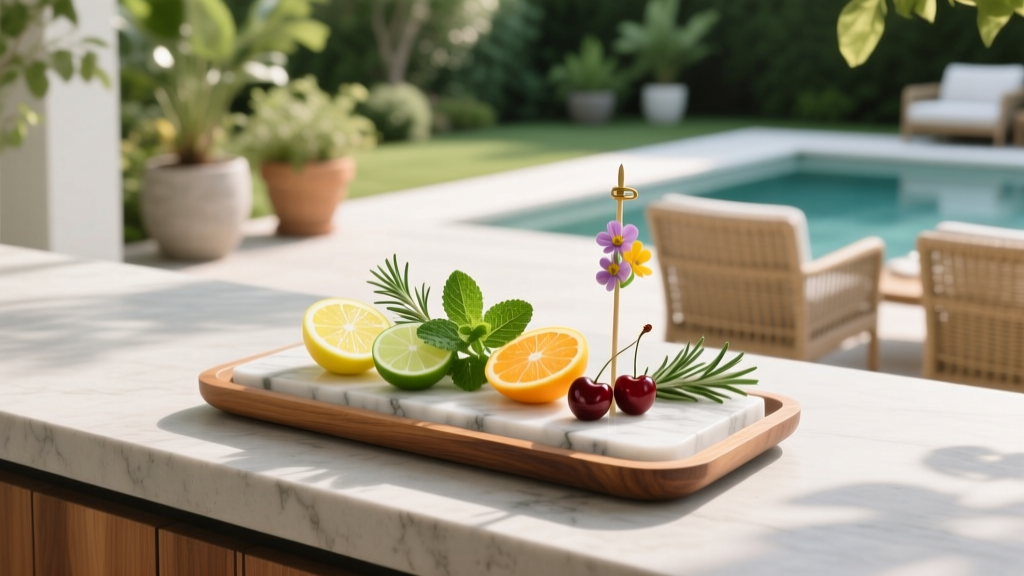 Best Outdoor Bar Garnish Tray Ideas - The Decor Mag
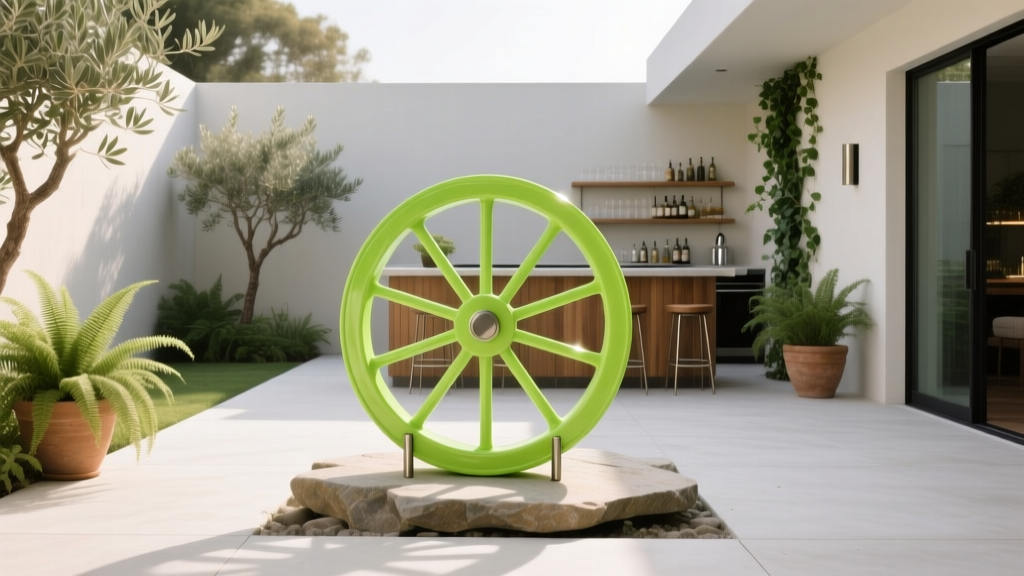 Best Outdoor Bar Lime Wheel Display - The Decor Mag
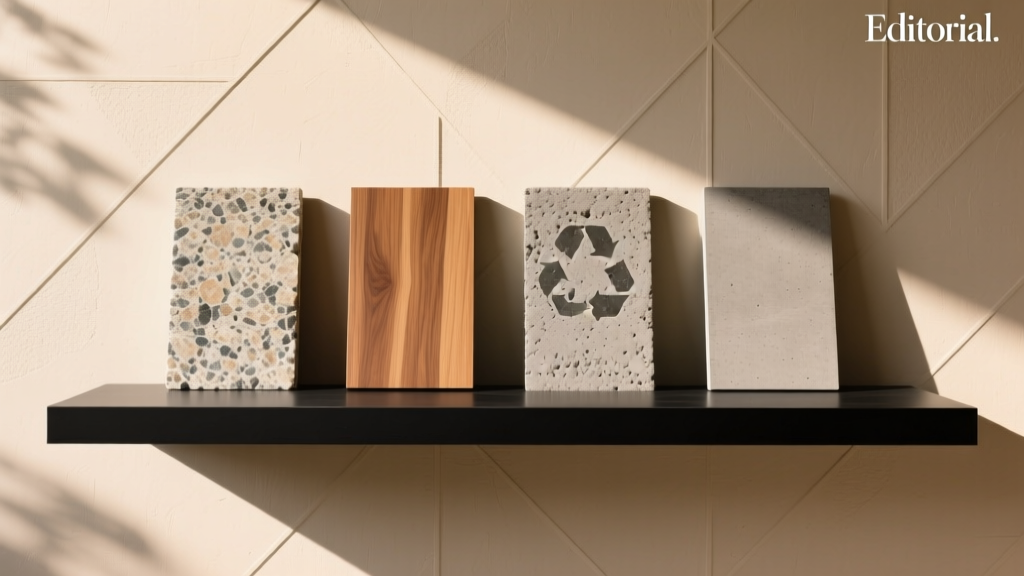 Outdoor Bar Top Material Comparison - The Decor Mag
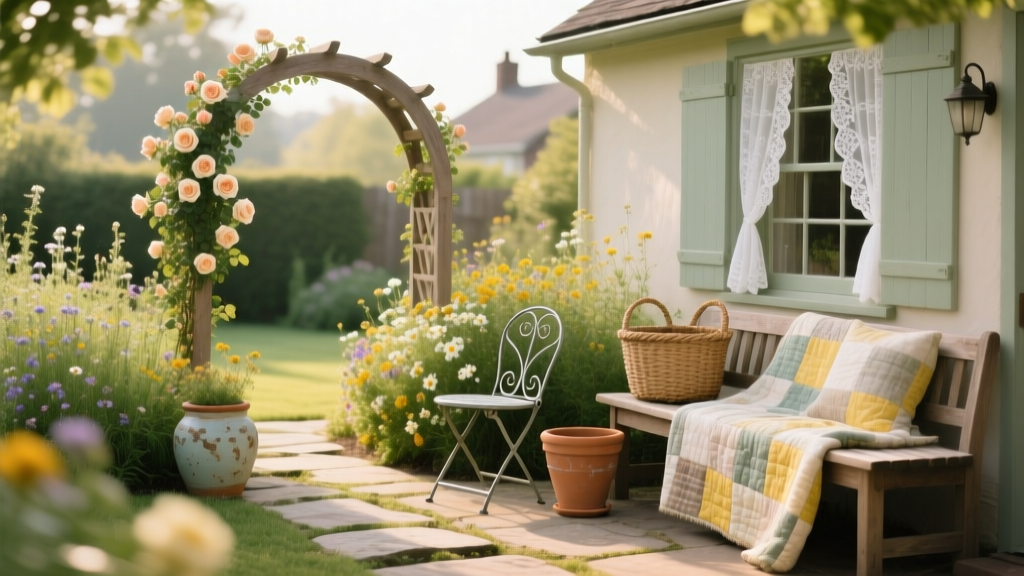 How to Design a Cottage Core Garden - The Decor Mag
 Materials vs Science: How Engineering Precision and Material Innovation Are Redefining Outdoor Living
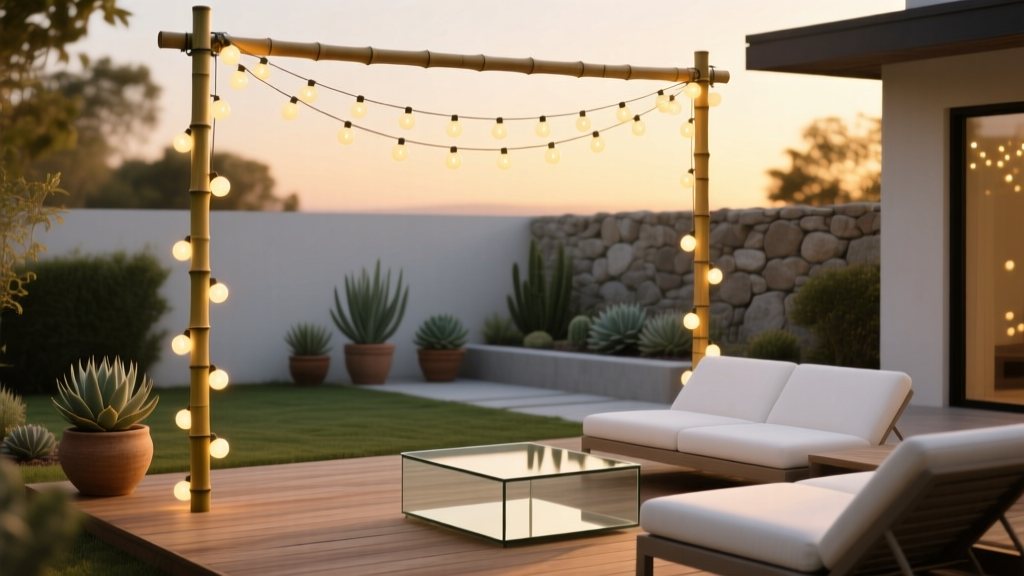 Best Outdoor String Light Arrangements - The Decor Mag
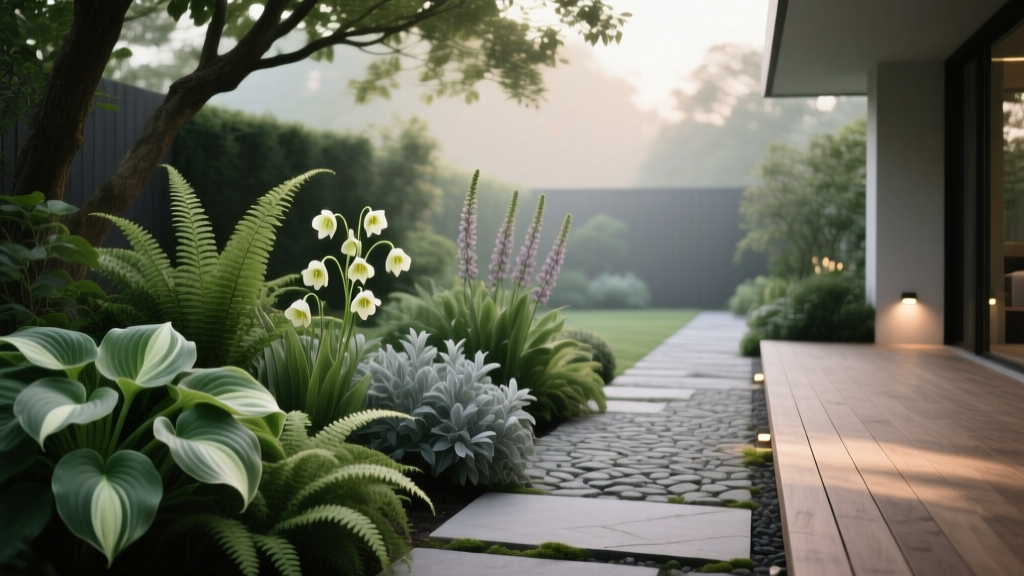 How to Design a Shade Tolerant Border - The Decor Mag
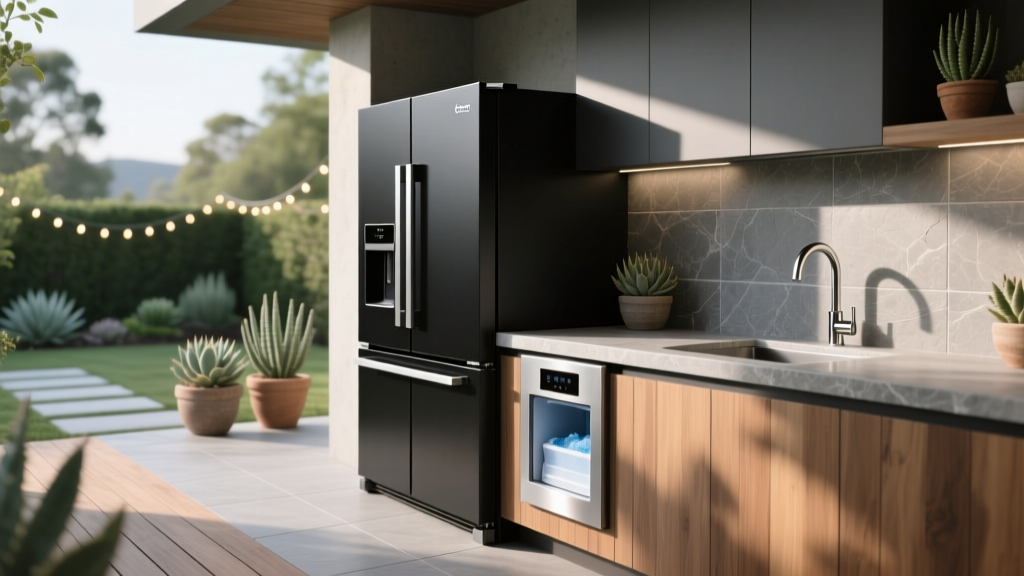 Outdoor Refrigerator and Ice Maker Setup - The Decor Mag
 Best Outdoor Bar Grapefruit Wedge Bowl - The Decor Mag
 How to Create a Succulent Garden - The Decor Mag