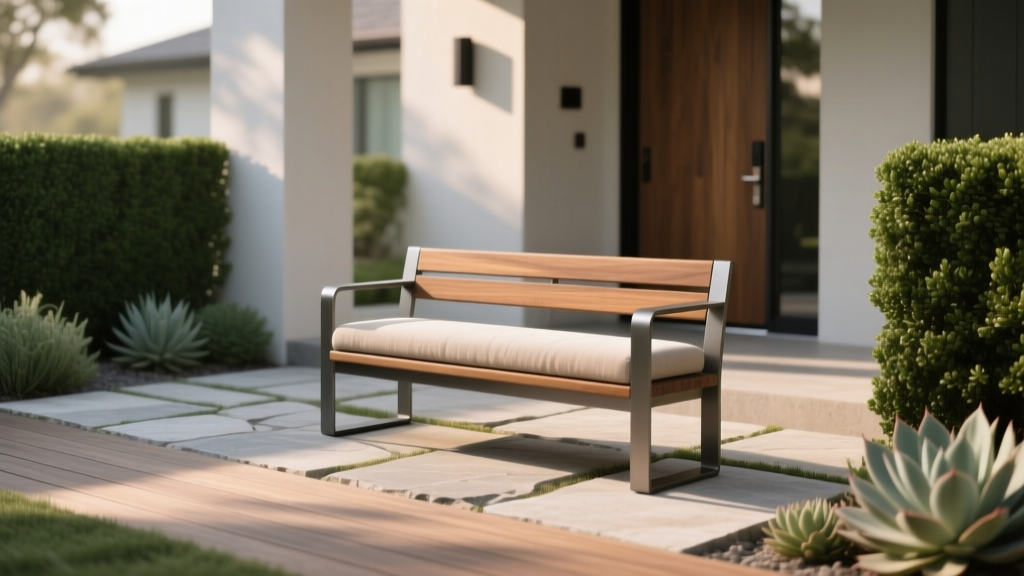
Best Outdoor Bench Options for Entryways - The Decor Mag
Your entryway sets the mood before anyone even steps inside. A well-chosen outdoor bench turns a basic front porch or stoop into a welcoming “pause point”—a place to set down packages, slip on shoes, greet neighbors, or wait comfortably while someone finds their keys. It’s one of the simplest upgrades you can make for outdoor living, and it instantly adds curb appeal.
Beyond looks, an entryway bench is a practical workhorse. It can create order where clutter tends to pile up, define a path to the front door, and make a small outdoor space feel designed rather than accidental. Whether you have a grand front veranda, a compact townhouse landing, or a gravel garden path leading to a side door, the right bench helps the space function beautifully year-round.
This guide breaks down the best outdoor bench options for entryways—materials, sizes, styles, and layouts—plus climate and maintenance tips, plant pairings, budget ranges, and the most common mistakes homeowners make when shopping and styling.
What Makes an Entryway Bench “Right” for Outdoor Living?
An outdoor entry bench needs to do more than look good. It should handle weather, fit the scale of your home, and support daily routines.
Key sizing guidelines
- Length: 42–60 inches works for most porches; 60–72 inches fits larger facades and creates a more “designed” focal point.
- Seat height: 17–19 inches is the comfort sweet spot for putting on shoes.
- Seat depth: 16–20 inches is comfortable without swallowing a narrow walkway.
- Clearance: Keep 36 inches of clear walking path in front of the bench for safe entry and package delivery access.
Functional features worth prioritizing
- Weather resistance: Materials that won’t warp, crack, or rust in your climate.
- Drainage: Slatted seats or breathable materials prevent puddling and mildew.
- Stability: Heavy enough to feel secure, especially on windy porches.
- Easy clean-up: You’ll appreciate hose-friendly finishes during pollen season or winter grime.
Best Outdoor Bench Materials for Entryways (Pros, Cons, and Where They Shine)
Teak: The gold standard for front porches
If you want a long-lasting outdoor bench that looks better with age, teak is a top-tier choice. Its natural oils resist rot and moisture, making it ideal for porches, patios, and exposed entryways.
- Best for: Coastal climates, rainy regions, full sun
- Look: Warm honey tone that weathers to silvery gray
- Maintenance: Leave natural for gray patina or oil 1–2x/year to maintain color
- Budget range: $400–$1,500+ depending on size and quality
Powder-coated aluminum: Lightweight, modern, and rust-resistant
For a clean-lined entry bench that stays low maintenance, powder-coated aluminum is hard to beat. It’s especially practical for homeowners who want a sleek outdoor design without constant upkeep.
- Best for: Humid areas, coastal air, contemporary homes
- Maintenance: Rinse occasionally; touch up chips to prevent corrosion at exposed spots
- Budget range: $250–$900
Steel and wrought iron: Classic curb appeal with a few caveats
Steel and wrought iron benches bring timeless charm—perfect with brick, stone, traditional landscaping, and cottage gardens. Just be realistic about rust management if your entryway sees frequent rain or irrigation overspray.
- Best for: Covered porches, dry climates, traditional facades
- Maintenance: Check annually for chips; sand and repaint to stop rust from spreading
- Budget range: $200–$1,200
Concrete and stone: Sculptural, windproof, and nearly indestructible
Concrete benches are a landscape design favorite for courtyard entryways, modern homes, and pathways framed by planting beds. They don’t blow over, don’t fade much, and can look like outdoor art.
- Best for: Windy sites, modern landscapes, open front yards
- Maintenance: Clean with mild soap; seal periodically to reduce staining
- Comfort tip: Add a quick-dry cushion or use a wood seat topper for warmth
- Budget range: $300–$2,000+
HDPE lumber (poly lumber): The “looks like wood” low-maintenance hero
High-density polyethylene (HDPE) benches mimic painted wood without peeling or rot. Great for busy households and year-round outdoor living in harsh climates.
- Best for: Snowy winters, wet climates, full sun
- Maintenance: Soap and water; no staining or sealing
- Budget range: $300–$1,000
Eucalyptus and acacia: Budget-friendly wood with smart placement
These hardwoods can be beautiful for entryways, but they’re best under cover or with a protective finish. Expect more maintenance than teak.
- Best for: Covered patios/porches, moderate climates
- Maintenance: Oil or seal regularly; store cushions during wet seasons
- Budget range: $150–$600
Best Outdoor Bench Styles for Entryways (Choose Your Function)
1) Backed bench: Everyday comfort and a finished look
A classic backed bench reads welcoming and provides support for putting on shoes or waiting for the door to open. It also visually anchors the entryway, especially when flanked by planters.
- Ideal for: Front porches, covered stoops, family homes
- Design pairing: Add two tall planters with evergreens for symmetry
2) Storage bench: The clutter-control option
If your entry gathers deliveries, dog leashes, kids’ gear, or garden gloves, choose a weather-resistant storage bench. Look for a tight-fitting lid and drainage so moisture doesn’t get trapped.
- Ideal for: Busy households, small porches, townhomes
- Material tip: HDPE or resin storage performs best in wet climates
- Budget range: $150–$800
3) Backless bench: Best for tight spaces and modern lines
Backless benches keep a narrow entryway feeling open and allow flexible seating from either side—especially useful along a garden path or near a side door.
- Ideal for: Narrow walkways, minimalist outdoor design, small patios
- Material tip: Concrete, aluminum, or teak for clean silhouettes
4) Corner or wraparound bench: Max seating on a porch or courtyard
For larger entry patios, a corner bench creates a lounge-like feel without needing full patio furniture. It’s also a smart way to define the entry zone separate from a driveway or walkway.
- Ideal for: Spacious porches, courtyard entryways, covered patios
- Comfort tip: Use quick-dry foam cushions in solution-dyed acrylic fabric
5) Bench with arms: Easier for aging-in-place design
Arms help people sit and stand more comfortably—an underrated feature for multigenerational households and long-term home planning.
- Ideal for: Accessibility-focused entryways, homes with elderly family members
Entryway Bench Layouts That Look Designed (Not Dropped There)
Symmetrical “welcome moment”
Place a bench centered on the porch wall (or under a window) with matching planters on each side.
- Best for: Traditional homes, strong curb appeal
- Plant pairing: Boxwood (or inkberry holly), dwarf spruce, or columnar juniper
Asymmetrical porch styling (more relaxed, more modern)
Offset the bench to one side and balance it with a tall planter or a slim outdoor side table and lantern on the other.
- Best for: Modern farmhouse, contemporary facades
- Plant pairing: Ornamental grasses (pennisetum, panicum), rosemary topiary (mild climates), or a sculptural agave in a pot
Garden path bench (for front yards without porches)
Create a bench nook along the approach to the front door—especially powerful in landscaping where the entry is set back.
- Best for: Cottage gardens, large front yards, side-entry homes
- Design tip: Add a small gravel pad or pavers beneath to prevent mud splash and keep feet clean
Plants That Make an Entry Bench Feel Intentional
Greenery softens hard surfaces and ties your bench into the surrounding landscaping. Use plants with structure so the entryway looks great even in winter.
Evergreen structure (year-round curb appeal)
- Cold climates: Dwarf spruce, mugo pine, arborvitae, inkberry holly
- Moderate climates: Boxwood alternatives like ilex crenata, yew (where appropriate)
- Warm climates: Podocarpus, pittosporum, dwarf olive (where hardy)
Seasonal color in containers
- Spring: Pansies, violas, tulips (in pots), ranunculus (mild winters)
- Summer: Geraniums, lantana, petunias, salvia
- Fall: Mums, ornamental kale, asters
- Winter: Pine boughs, red twig dogwood cuttings, winterberry stems, outdoor-safe string lights
Fragrance near the door
- Sunny entries: Lavender, rosemary, scented geraniums
- Shadier entries: Sweet box (sarcococca), fragrant hellebores (seasonal)
Climate and Maintenance: Choose a Bench That Loves Your Weather
Coastal and salty air
- Choose teak, powder-coated aluminum, or HDPE.
- Avoid unprotected steel; it will rust quickly.
- Rinse surfaces periodically to remove salt residue.
Hot sun and high UV
- Prioritize UV-stable HDPE, aluminum, or teak.
- Use fade-resistant outdoor fabrics (solution-dyed acrylic is a favorite for patio living).
- Choose lighter colors to reduce heat buildup on the seat.
Rain, humidity, and mildew-prone areas
- Look for slatted designs and breathable cushions.
- Keep the bench slightly off walls to promote airflow.
- Use quick-dry cushions and store them during extended storms.
Freeze/thaw winters and snow
- HDPE and teak perform well; some metals can become uncomfortably cold.
- For concrete, ensure it’s rated for freeze/thaw and consider sealing.
- Lift cushions and clear snow from the seat to prevent ice bonding.
Budget Guide: What You Can Expect to Spend
- $150–$300: Basic resin/HDPE entry benches, smaller acacia/eucalyptus, simple metal designs
- $300–$700: Higher-quality HDPE, powder-coated aluminum, mid-range wood benches, some storage benches
- $700–$1,500+: Premium teak, designer aluminum, large-scale concrete/stone, custom or artisan-made benches
Common Mistakes to Avoid
- Buying indoor furniture for outdoor use. Even “covered porch” conditions include humidity and temperature swings that can ruin indoor wood and fabrics.
- Ignoring scale. A tiny bench can look lost against a wide facade; an oversized bench can block the front door swing and traffic flow.
- Placing the bench where sprinklers hit. Irrigation overspray accelerates rust, mildew, and wood wear—adjust your heads or relocate the bench.
- Skipping a ground surface plan. Benches placed on soil or mulch get splashed with mud and rot faster. Use pavers, brick, gravel, or a porch mat.
- Over-accessorizing. One pillow and one lantern (or a small side table) goes a long way. Too many items make the entry feel cluttered and reduce function.
FAQ: Outdoor Entryway Benches
What is the most weather-resistant outdoor bench material?
HDPE lumber and powder-coated aluminum are among the most weather-resistant and lowest maintenance. Teak is also exceptionally durable, especially in wet or coastal climates, but it costs more.
Should an outdoor bench be anchored to the ground?
Most entryway benches don’t need anchoring if they’re heavy and placed on a stable surface. In very windy areas or public-facing front yards, a heavier concrete bench or discreet anchoring hardware can add security.
How do I keep my entry bench cushions from getting ruined?
Choose quick-dry inserts and outdoor fabrics (solution-dyed acrylic is a strong pick), store cushions during extended rain, and use a small deck box or storage bench compartment for daily convenience.
What plants look best next to a front porch bench?
For year-round structure, use evergreens like boxwood alternatives, inkberry holly, or dwarf spruce. Add seasonal color with rotating container flowers, and include fragrant herbs like rosemary or lavender if the spot is sunny.
How far should a bench be from the front door?
Aim for a layout that preserves at least 36 inches of clear walkway and doesn’t interfere with the door swing. On smaller stoops, a backless bench or narrow-profile design often works best.
Is a storage bench safe to use outside year-round?
Yes—if it’s made for outdoor use and includes drainage and a weather-resistant build (HDPE/resin is typically the most reliable). Avoid storing items that can mildew (like textiles) unless the interior stays dry and ventilated.
Your Next Steps: Create a Welcoming Entryway That Works
Start by measuring your entry space and confirming the walking clearance. Then choose a material that matches your climate—teak, HDPE, aluminum, or concrete are the most reliable for year-round outdoor living. Finally, style the bench with one practical accessory (a lantern or small side table) and two planters featuring evergreen structure plus seasonal color. That simple formula delivers a front entry that feels polished in every season—spring blooms, summer gatherings, fall curb appeal, and winter greenery.
For more outdoor design ideas, landscaping inspiration, and patio living upgrades, explore the latest guides on thedecormag.com.
More Articles
 Outdoor Gazebo with Screen Curtains - The Decor Mag
 How To Clean Living: A Practical Guide to Healthier Outdoor Spaces and Sustainable Habits
 Best Outdoor Rug Options for Durability - The Decor Mag
 How to Create a Kitchen Garden - The Decor Mag
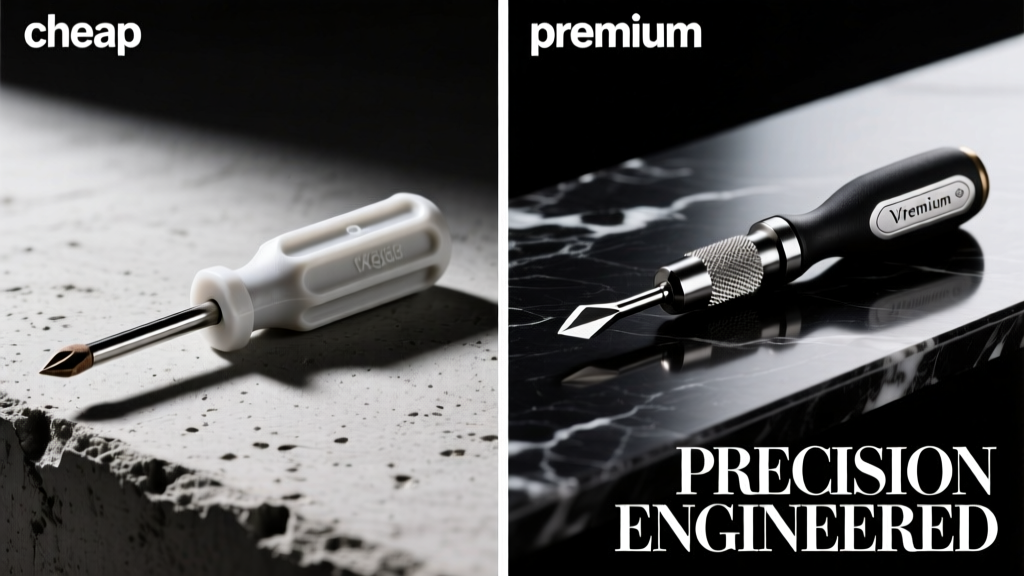 Cheap vs Premium Precision in Outdoor Living: What Really Matters for Durability, Safety, and Long-Term Value
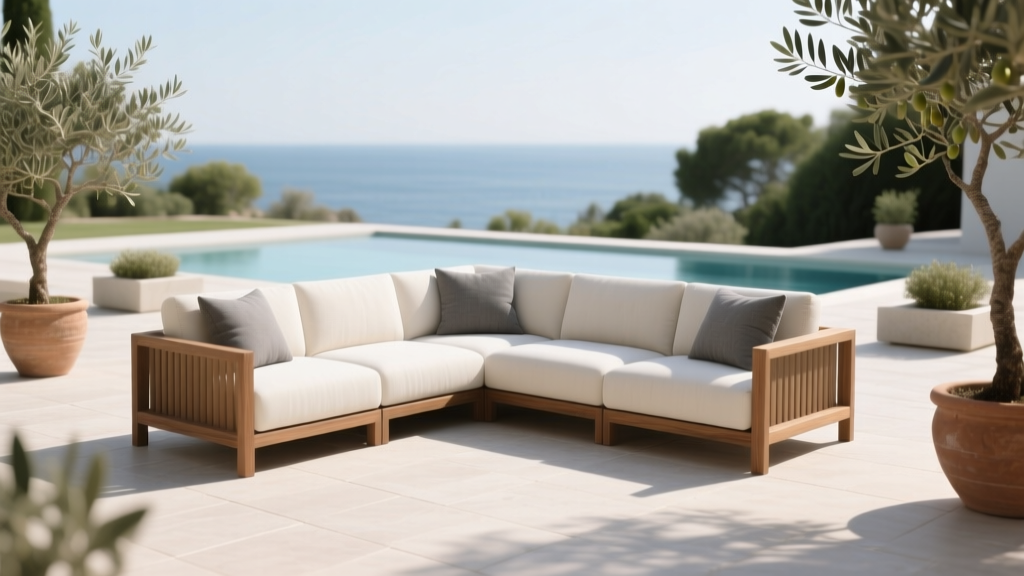 Best Outdoor Sectional Sofa Sets - The Decor Mag
 Best Outdoor Bar Lime Wheel Display - The Decor Mag
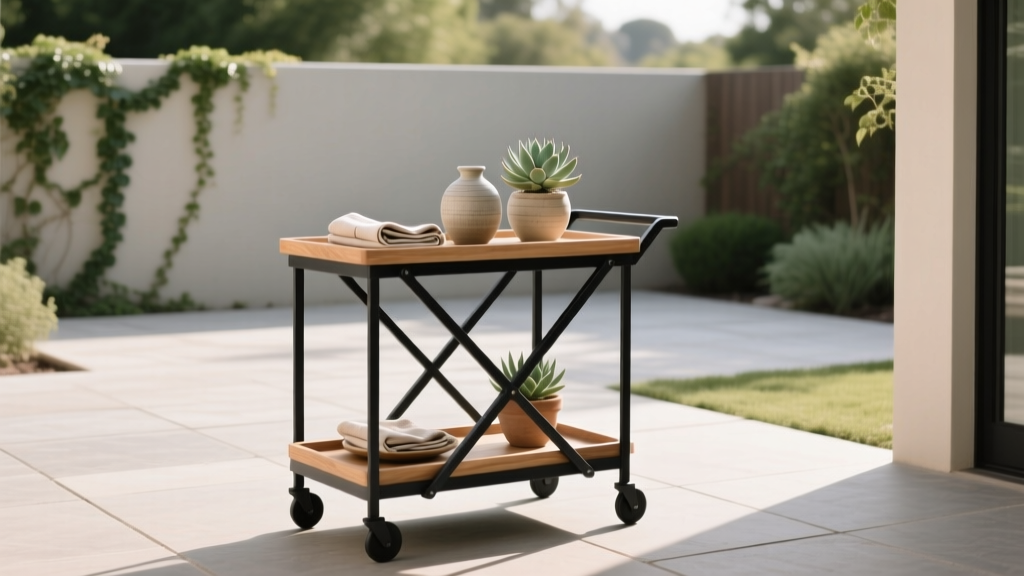 Best Outdoor Serving Cart Options - The Decor Mag
 How To Choose Outdoor Decor: A Practical, Climate-Smart Guide for Patios, Decks, and Gardens
 Outdoor Pergola Motorized Shade System - The Decor Mag