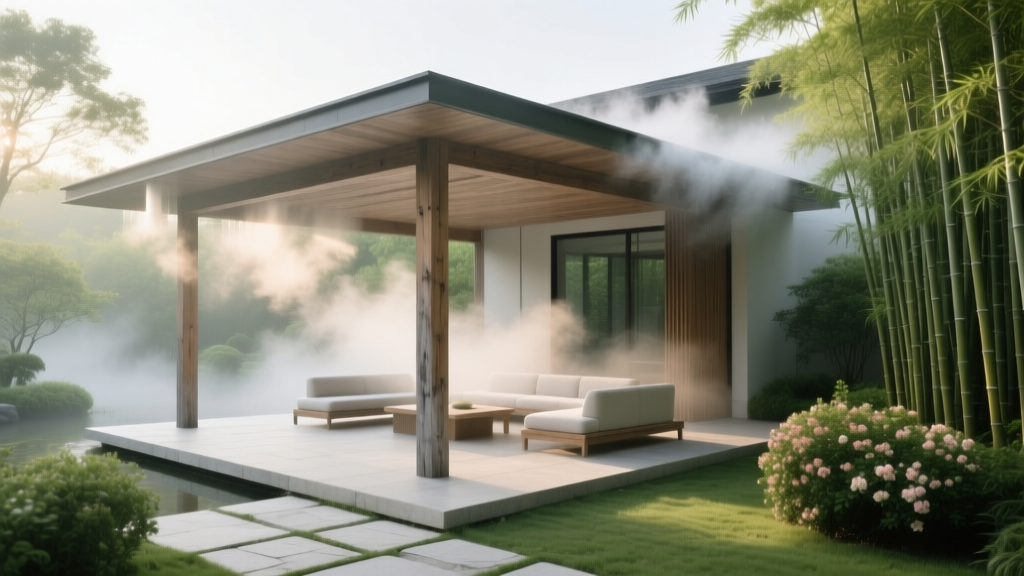
Outdoor Pavilion Mist Cooling System - The Decor Mag
There’s a moment every outdoor-loving homeowner knows: the patio is perfect, the grill is ready, the garden is glowing—then the heat hits and everyone retreats indoors. A well-designed outdoor pavilion extends your living space, but in hot, humid, or sun-baked climates, comfort is the dealbreaker. That’s where an outdoor pavilion mist cooling system earns its spot as one of the smartest upgrades for patio living.
Misting isn’t just for resort pools or restaurant terraces anymore. Today’s systems can be discreet, efficient, and beautifully integrated into your pavilion design—lowering perceived temperature, improving air comfort, and helping you actually use your outdoor room through summer afternoons and early fall evenings. With the right layout, materials, plants, and maintenance plan, a misting system can turn a “too-hot” backyard into a year-round outdoor living destination.
This guide breaks down how mist cooling works, how to choose a system, and how to design a pavilion that feels breezy and intentional—not damp or makeshift. You’ll find practical recommendations for furniture, materials, plant pairings, budget ranges, and the common mistakes that lead to dripping rails and slippery pavers.
How an Outdoor Pavilion Mist Cooling System Works
Misting cools by evaporation. Tiny water droplets disperse into the air and evaporate before they land—pulling heat from the surrounding air and making the space feel significantly cooler. The key is droplet size and pressure: finer mist evaporates faster, creating cooling without wetting your furniture.
Low-Pressure vs. High-Pressure Misting
- Low-pressure systems (standard hose pressure): Budget-friendly and easy to install, but they produce larger droplets. These can leave surfaces damp and may not cool as effectively in very hot conditions.
- High-pressure systems (typically 800–1,000 PSI): Finer mist, better cooling, less wetness when properly designed. Best for pavilions intended as true outdoor rooms.
What Kind of Cooling Can You Expect?
Results vary by climate. In dry climates, misting can feel dramatic—often dropping perceived temperatures by 10–25°F. In humid climates, cooling is still possible, but the design must prioritize airflow, shade, and spacing to avoid a sticky feel.
Designing Your Pavilion for Maximum Comfort
A mist system performs best when it’s part of a complete outdoor living plan. Shade structure, breezes, materials underfoot, and furniture placement all influence how cool—and how dry—your pavilion feels.
Start with Shade: Roof Style and Orientation
- Solid roof (wood, composite, insulated panels): Best for sun protection and midday use. Pair with ceiling fans and perimeter mist lines.
- Pergola-style slatted roof: Beautiful and airy, but it requires thoughtful sun angles and often additional shade panels for peak summer.
- Orientation tip: If possible, position the pavilion to block harsh western sun. Add a privacy screen or outdoor drapery on the west side for late afternoon comfort.
Airflow Matters More Than You Think
Mist needs air movement to evaporate quickly. Design for cross-breezes with at least two open sides, and avoid enclosing the pavilion too tightly.
Comfort-boosting add-ons:
- Outdoor ceiling fans: Look for damp- or wet-rated models, 52–60 inches for most pavilions.
- Retractable screens: Great for bugs, but keep them partially open when misting in humid weather to maintain airflow.
- Outdoor curtains: Use solution-dyed acrylic fabric (like Sunbrella-type performance fabric) to soften the space without trapping humidity.
Layout Tips: Where the Mist Line Should Go
Plan your mist line around how people actually sit and move through the pavilion.
- Perimeter placement: Install mist nozzles along the outer beam line, pointed inward at a slight angle. This creates a cooling “curtain” without soaking seating.
- Keep distance from tables: Place nozzles at least 24–36 inches away from dining tables to reduce water spotting on dishes and glassware.
- Target the air, not people: The best mist systems cool the ambient air. If you feel droplets landing on skin or cushions, the nozzle spacing or pressure likely needs adjustment.
Choosing the Right Misting System (With Budget Ranges)
Your ideal setup depends on pavilion size, climate, and whether you want a discreet built-in feature or a seasonal add-on.
System Options
- DIY low-pressure kit: Good for occasional cooling and smaller patios.
- Mid-tier pump-assisted kit: Better droplet control; often includes timers and filtration.
- Professional high-pressure system: Most effective for outdoor pavilion mist cooling, best aesthetics, and strongest long-term performance.
Typical Costs
- Low-pressure DIY: $50–$250 (basic line + nozzles). Expect more moisture and lighter cooling.
- Mid-tier pump kit: $300–$1,200 (pump, line, nozzles, basic filtration).
- High-pressure professional install: $2,000–$6,500+ depending on pavilion size, plumbing access, pump location, zones, and automation.
Smart Features Worth Paying For
- Zone control: Run mist only where you’re sitting (lounge zone vs. dining zone).
- Timer + cycling: Short bursts (e.g., 30–60 seconds on, several minutes off) reduce wetness and save water.
- Filtration + anti-drip valves: Helps prevent clogged nozzles and dripping after shutoff.
- Integration with outdoor lighting: Plan wiring so the mist line stays visually clean alongside string lights, sconces, or recessed downlights.
Materials That Play Well with Mist (Floors, Furniture, and Finishes)
A mist cooling system changes the microclimate under your pavilion. Choose materials that resist moisture, prevent slipping, and look great even with occasional humidity.
Best Flooring and Hardscape Options
- Textured porcelain pavers: Excellent slip resistance, low maintenance, modern look.
- Natural stone (travertine, limestone): Cooler underfoot; choose a honed or tumbled finish for traction. Seal regularly to prevent staining.
- Stamped concrete with slip additive: Budget-friendly and cohesive; make sure it’s properly sealed and maintained.
Avoid ultra-polished stone or slick sealed surfaces directly under mist zones—comfort should never come with a slip hazard.
Outdoor Furniture Recommendations
- Frames: Powder-coated aluminum (rust-resistant), teak (ages beautifully), or high-quality resin wicker (UV-stable).
- Cushions: Quick-dry foam and solution-dyed acrylic fabric for mildew resistance.
- Tables: Concrete composite, aluminum, or sealed teak. If using glass tops, expect more frequent wiping in misting season.
Metal and Wood Finish Tips
- Stainless steel hardware: Use 316 marine-grade near coastal areas.
- Wood structures: Cedar and redwood perform well; for stained pine or fir, commit to a maintenance schedule so it stays crisp.
- Powder-coated finishes: Choose matte or textured coatings to hide water spotting.
Plant Pairings: Landscaping Around a Mist-Cooled Pavilion
A pavilion should feel rooted in the landscape. The right planting design boosts comfort by adding shade, softening hard lines, and improving privacy—while also tolerating occasional overspray.
Best Plants Near Misting Zones (Humidity-Friendly Choices)
- Ferns (Boston fern, autumn fern): Lush texture and a resort feel; great in shaded edges.
- Ornamental grasses (dwarf fountain grass, lomandra): Movement, low fuss, and they handle fluctuating moisture.
- Evergreen shrubs (boxwood alternatives like dwarf yaupon holly, pittosporum): Structure and year-round form.
- Tropical accents (bird of paradise, cordyline): Great for warm regions; place slightly outside direct mist for best leaf health.
Fragrant, Patio-Friendly Planting (Place Just Outside Mist Reach)
- Rosemary: Heat-tolerant and aromatic.
- Lavender: Prefers drier air—keep it away from consistent mist.
- Jasmine (on a trellis): Evening fragrance; plan airflow so scent drifts into seating areas.
Design Tip: Build a “Cooling Border”
Use tall planters or a planted strip on the hot-sun side of the pavilion to create a microclimate buffer.
- Planters: Fiberstone or glazed ceramic (sealed) for durability; add hidden drip irrigation for consistent growth.
- Layering: Tall evergreen backdrop + mid-height texture + low groundcover for a polished, designer look.
Climate and Seasonal Considerations for Year-Round Outdoor Living
The best outdoor design adapts across seasons. Misting is a summer hero, but your pavilion should remain inviting in spring rains, fall breezes, and even winter chill (where climate allows).
Hot-Dry Climates
- Misting performs exceptionally well; prioritize high-pressure nozzles for true evaporation.
- Add shade sails or side panels for late-day sun angles.
- Consider a fire feature for shoulder seasons to keep the pavilion usable in cool evenings.
Hot-Humid Climates
- Use mist strategically in short cycles; pair with strong ceiling fans.
- Choose mildew-resistant fabrics and quick-dry cushion inserts.
- Keep landscaping airy to discourage mosquitoes and stagnant humidity.
Coastal Environments
- Salt air demands corrosion-resistant components (316 stainless hardware, protected pump placement).
- Rinse exterior surfaces periodically to prevent salt buildup.
Cold Winters
- Plan a shutoff valve and winterization routine (drain lines, protect pump).
- Switch the pavilion vibe with outdoor heaters, layered lighting, and weatherproof curtains.
Maintenance: Keep Your Mist System Crisp, Clean, and Reliable
A mist cooling system is low-maintenance when designed correctly, but it isn’t “set and forget.” The biggest long-term issue is mineral buildup from hard water.
Simple Maintenance Checklist
- Weekly (during peak use): Quick visual check for dripping nozzles, misaligned spray, or damp spots on flooring.
- Monthly: Clean or replace filters; wipe down nearby furniture surfaces if you notice residue.
- Seasonally: Inspect tubing, tighten fittings, and test zone valves/timers.
- Winter (freeze zones): Drain lines, shut off supply, and protect the pump according to manufacturer instructions.
Hard Water Solutions
- Inline filtration: A must for most systems to prevent nozzle clogs.
- Water softener or treatment (when needed): Helps reduce white mineral spotting on dark furniture and stone.
- Nozzle upgrades: Quality anti-drip nozzles reduce post-shutoff dripping that causes puddles and stains.
Common Mistakes to Avoid
- Placing nozzles too close to seating: Leads to wet cushions and unhappy guests. Keep mist at the perimeter and let air movement do the work.
- Skipping airflow planning: A beautiful enclosed pavilion can trap humidity. Balance privacy screens with openings and fans.
- Using slippery flooring finishes: Choose textured or slip-rated surfaces for safety.
- Ignoring water quality: Hard water can clog nozzles and stain stone. Filtration pays for itself.
- Over-misting: More water doesn’t equal more comfort. Use cycling timers and zone controls.
- Forgetting lighting integration: Retrofit lines can look messy. Plan mist tubing routes alongside beams and lighting layouts from the start.
Practical Design Recipe: A Pavilion Setup That Feels Like a Resort
If you want a proven formula for a comfortable, elevated outdoor living space, use this as your blueprint and tailor it to your footprint:
- Structure: Solid-roof pavilion with two open sides and one semi-private side (slatted screen or drapery).
- Cooling: High-pressure mist line on the outer beam + 1–2 wet-rated ceiling fans.
- Flooring: Textured porcelain pavers or honed travertine with proper sealing.
- Seating: Powder-coated aluminum sectional + teak accent chairs + quick-dry cushions.
- Dining: Keep dining zone slightly outside direct mist coverage; add a pergola extension or umbrella for shade if needed.
- Greenery: Ferns and grasses in tall planters on the sun side; fragrant herbs just outside mist reach.
- Lighting: Warm LED downlights + dimmable sconces + a soft string-light layer for evening ambiance.
FAQ: Outdoor Pavilion Mist Cooling Systems
Do mist cooling systems make everything wet?
A well-designed high-pressure mist system should evaporate quickly and cool the air without soaking furniture. Wetness usually comes from low-pressure kits, poor nozzle placement, or running the system continuously instead of cycling.
Is a misting system worth it in humid climates?
Yes, but it needs a smart approach: prioritize shade and fans, use short mist cycles, and keep airflow moving through the pavilion. The goal is comfort—not creating a damp environment.
Can I install a mist system on an existing pavilion?
Most homeowners can add a surface-mounted kit, and professionals can retrofit high-pressure systems with discreet tubing routes. The cleanest result comes from hiding lines along beams and planning a dedicated pump location.
What’s the best flooring under a misted pavilion?
Textured porcelain pavers are one of the best all-around choices for slip resistance and low maintenance. Honed or tumbled natural stone also works beautifully if you seal it and maintain it.
How do I prevent nozzle clogging?
Use proper filtration, especially with hard water. Clean or replace filters on schedule, and choose quality nozzles designed for your system pressure.
Will a misting system attract mosquitoes?
Mist alone isn’t the same as standing water, but excess moisture and poor drainage can increase mosquito activity. Avoid puddling by using anti-drip nozzles, proper cycling, and slip-resistant surfaces with good runoff.
Next Steps: Plan Your Coolest Outdoor Room Yet
Start by measuring your pavilion, noting sun angles (especially late afternoon), and deciding how you use the space—lounging, dining, or both. From there, choose the mist system level that matches your climate and expectations, and build the rest of the design around airflow, durable materials, and a planting plan that thrives near occasional moisture. If you’re already investing in a pavilion, integrating mist cooling and fans from the beginning is one of the most satisfying upgrades you can make for summer comfort and year-round patio living.
For more outdoor living inspiration—pavilion layouts, patio design ideas, landscaping tips, and backyard upgrades—explore more guides at thedecormag.com.
More Articles
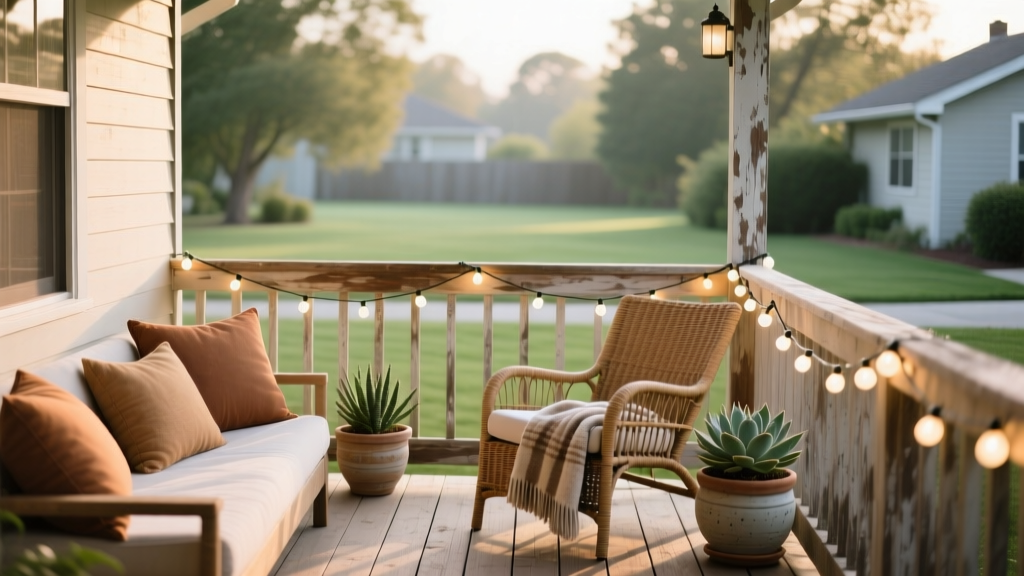 Turn Your Tired Porch into a $100 Summer Oasis (DIY Guide)
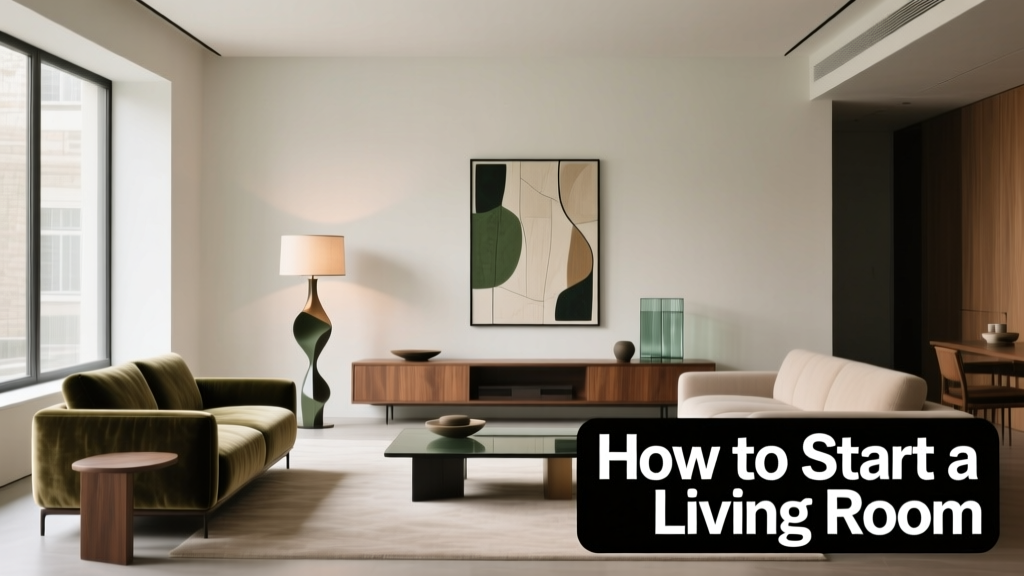 How to Start Living Rooms: Building Functional, Weather-Resilient Outdoor Living Spaces from the Ground Up
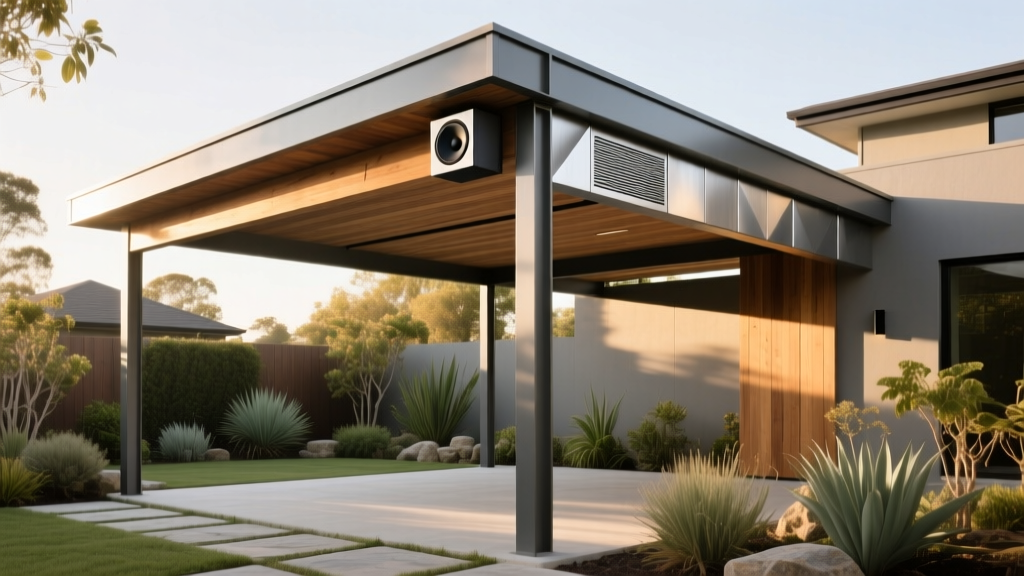 Outdoor Pergola Integrated Speaker System - The Decor Mag
 Outdoor Bar Counter Height Guidelines - The Decor Mag
 Best Outdoor Sectional Sofa Sets - The Decor Mag
 Best Outdoor Bar Olive and Pickle Station - The Decor Mag
 How to Design a Dragonfly Garden - The Decor Mag
 Container Garden Design Inspiration - The Decor Mag
 Trends for Height: Elevating Outdoor Living with Smart Vertical Design
 Outdoor Kitchen Design and Planning Guide - The Decor Mag