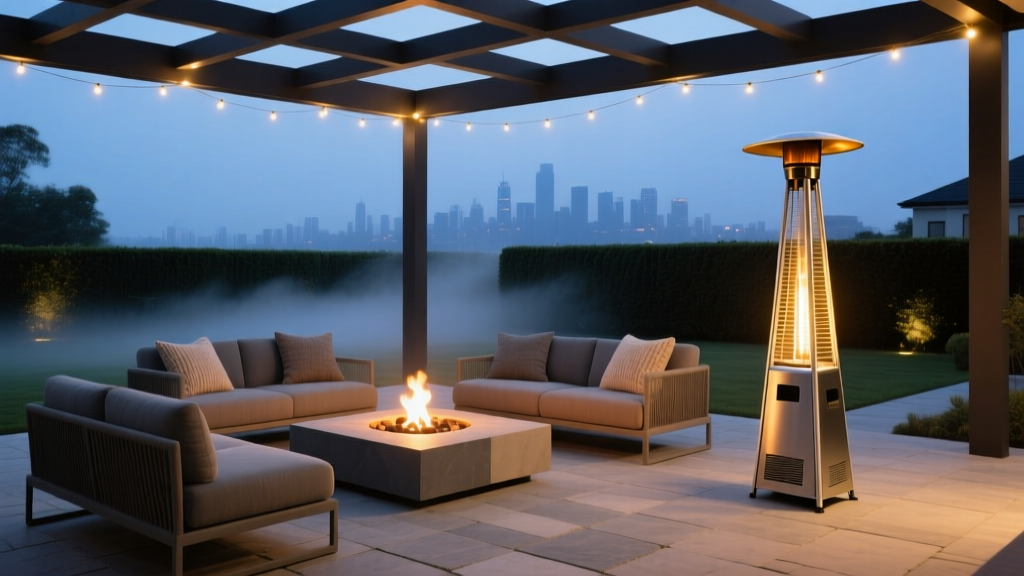
Best Outdoor Heater Options for Cool Nights - The Decor Mag
Cool evenings have a way of cutting a perfect patio moment short—right when the string lights glow, the food is coming off the grill, and the conversation finally slows into that easy, end-of-day rhythm. The right outdoor heater changes everything. It extends your outdoor living season, makes your patio furniture actually usable after sunset, and turns a chilly deck or garden seating area into a cozy destination.
Outdoor heating is also a design decision, not just a practical one. A sleek wall-mounted infrared heater can disappear into your architecture, while a fire pit becomes a sculptural focal point that anchors the entire landscape layout. The best choice depends on your space, climate, safety needs, and how you want your outdoor room to feel—lounge-like and intimate, or open and party-ready.
This guide breaks down the best outdoor heater options for cool nights, with design-forward recommendations, maintenance tips, climate considerations, and common mistakes to avoid—so you can build a year-round outdoor living setup that looks great and feels even better.
Start Here: How to Choose the Right Outdoor Heater
Before you pick a heater, define your goal: are you warming a dining table for two hours, or creating a four-season patio you’ll use weekly? Use these criteria to narrow your options.
Key factors to consider
- Space size & layout: Compact balcony vs. expansive patio with multiple seating zones.
- Wind exposure: Breezy yards need radiant heat (infrared) or wind-blocking design features.
- Fuel source: Propane, natural gas, electric infrared, wood, or pellets.
- Heat style: Radiant (warms people/surfaces) vs. convective (warms air; less effective outdoors).
- Portability: Moveable mushroom heaters vs. built-in gas fire features.
- Safety & codes: Clearance requirements, deck rules, HOA regulations, and local permitting.
- Design aesthetic: Modern minimal, rustic, coastal, or classic courtyard.
Quick budget guide (heater only)
- $100–$300: Tabletop propane heaters, basic electric patio heaters
- $300–$900: Freestanding propane “mushroom” heaters, mid-range infrared, small fire pits
- $900–$2,500: Premium infrared systems, built-in gas fire pit inserts, designer fire tables
- $2,500–$8,000+: Built-in outdoor fireplaces, custom gas lines, masonry work, integrated seating walls
Electric Infrared Heaters: Best for Covered Patios and Everyday Use
If you want dependable warmth with minimal fuss, electric infrared heaters are one of the best outdoor heater options for cool nights—especially for a covered patio, pergola, or outdoor kitchen. Infrared heat warms people and objects directly instead of trying (and failing) to heat the open air.
Where electric infrared shines
- Covered patios and pergolas: Mount to a ceiling beam or wall to keep floor space open.
- Dining areas: Comfortable, steady heat without open flame near table linens.
- Small spaces: Balconies, townhouse decks, screened porches.
Design recommendations
- Mounting strategy: Place heaters slightly in front of seating rather than directly overhead for better body warmth.
- Layered comfort: Combine infrared heat with outdoor-friendly textiles (solution-dyed acrylic cushions, wool-blend throws stored in a deck box).
- Lighting cohesion: Pair with warm-temperature (2700K) landscape lighting and dimmers to avoid a “stadium” feel.
Materials and finishes that pair well
- Powder-coated aluminum pergolas (clean, modern, low-maintenance)
- Cedar or thermally modified wood overhead structures (warmer, natural look)
- Stainless steel fasteners and brackets (better near coastal air)
Maintenance & climate considerations
- Rain and snow: Choose outdoor-rated models and protect outlets with weatherproof covers.
- Coastal climates: Look for corrosion-resistant housing and rinse salt spray from surfaces seasonally.
- Power planning: Many higher-output units require dedicated circuits—plan during patio remodels.
Propane Patio Heaters: Best for Flexibility and Open-Air Patios
Freestanding propane patio heaters are the familiar “mushroom” or pyramid-style towers you see at restaurants—and for good reason. They’re easy to move, provide strong radiant heat, and work well in open-air patio setups where there’s no structure for mounting.
Best uses
- Rental-friendly patios: No gas line or electrical upgrades required.
- Entertaining zones: Position heaters at the edges to warm the area without crowding seating.
- Seasonal setups: Bring out in fall, store in spring.
Layout tips for better heat (and better flow)
- Anchor the seating first: Arrange your outdoor furniture—sectional, lounge chairs, or dining set—then place heaters where people will actually sit.
- Use two smaller heat sources: For a large patio, two heaters on opposite corners usually feel better than one heater in the middle.
- Create a wind buffer: Add a slatted screen, tall planters, or a hedge line to reduce heat loss.
Design-forward pairing ideas
- Modern patio: Black powder-coated heater + concrete fire table + low-profile aluminum seating.
- Cozy garden patio: Bronze heater + teak furniture + oversized terracotta planters.
- Small deck: One slim tower heater + bistro set + vertical herb wall.
Maintenance & safety notes
- Use a high-quality cover to protect ignition components.
- Store propane tanks upright, outdoors, and away from heat sources.
- Check hose connections periodically for leaks (especially after moving).
Natural Gas Heaters and Fire Features: Best for Permanent, High-End Outdoor Living
If you’re planning a serious outdoor living upgrade—think built-in outdoor kitchen, dining terrace, and lounge area—natural gas heat sources are hard to beat. They’re always ready, cleaner-burning than wood, and ideal for homeowners who want a streamlined, “flip a switch” experience.
Top options for a built-in approach
- Natural gas patio heaters: Similar to propane towers but connected to a gas line for convenience.
- Gas fire pit: A classic landscape focal point; great for gathering.
- Fire table: A sleek alternative that doubles as a coffee table for outdoor lounging.
- Linear gas fireplace: Modern, architectural, and excellent for covered patios.
Materials that elevate the design
- Fire pit surround: Cast concrete, natural stone veneer, or modular concrete block with a smooth cap.
- Fire media: Lava rock for a natural look; fire glass for modern sparkle (choose heat-rated, tempered glass).
- Hardscaping: Porcelain pavers for low maintenance; bluestone for timeless character; decomposed granite for casual garden paths leading to the fire zone.
Climate and permitting considerations
- Cold climates: Plan for frost-friendly footings and proper drainage under pavers to prevent heaving.
- Windy areas: Consider a burner with higher BTUs and add a low seating wall to reduce drafts at body level.
- Local codes: Many gas installations require permits and licensed professionals—factor that into budget and timeline.
Budget ranges (installed)
- Gas fire table: $1,500–$4,000
- Built-in gas fire pit: $3,000–$8,000+
- Outdoor gas fireplace: $6,000–$20,000+ (depending on structure and finishes)
Wood-Burning Fire Pits and Outdoor Fireplaces: Best for Ambiance and Rustic Warmth
Nothing matches the sensory appeal of a real wood fire—the crackle, scent, and warm glow that makes your patio feel like a retreat. Wood-burning options are most rewarding for homeowners who enjoy the ritual and have the space to manage smoke and ash.
Best scenarios for wood-burning heat
- Larger yards: Where smoke won’t drift into windows or neighboring patios.
- Nature-forward landscaping: Cottage gardens, woodland edges, mountain properties.
- Occasional entertaining: Weekend gatherings, holiday parties, fall nights.
Design tips for a smoke-smart fire zone
- Placement: Locate the fire pit downwind of your main seating and away from doors, windows, and low-hanging branches.
- Surface choice: Use noncombustible hardscaping—pavers, stone, or gravel—not a wood deck surface unless the unit is explicitly approved and properly protected.
- Seating circle: Aim for a 6–8 foot diameter for intimacy; expand to 10–12 feet for larger groups.
Maintenance considerations
- Plan for ash disposal and a dry firewood storage area (a covered rack or lean-to).
- Expect more cleanup and more smoke sensitivity than gas or electric.
- Follow local burn bans and seasonal restrictions, especially in drought-prone regions.
Smokeless Fire Pits and Pellet Options: Best for Smaller Yards and Cleaner Comfort
If you love the idea of a wood fire but want less smoke, a smokeless fire pit or pellet-style unit is a strong compromise. These designs promote secondary combustion, which reduces visible smoke and can make a patio gathering much more comfortable.
Why homeowners love them
- Less smoke in clothing and hair
- Quick, impressive ambiance for gatherings
- Many models are portable enough to store off-season
Design pairing ideas
- Built-in feel without construction: Place the unit on a gravel pad with a steel edging border and add a semicircle of lounge chairs.
- Soft landscape framing: Use tall planters behind seating to create a cozy “outdoor room” effect.
Make It Feel Warmer: Design Strategies Beyond the Heater
The best patio living spaces don’t rely on heat alone. Combine your heater with smart landscape design and comfort layers, and your outdoor area will feel warmer at lower temperatures.
Wind-blocking landscaping (beautiful and functional)
- Evergreen hedges: Arborvitae ‘Green Giant’ (large screens), boxwood (formal), wax myrtle (warmer zones), yew (cold-hardy).
- Ornamental grasses: Switchgrass (Panicum virgatum) for movement and seasonal texture; feather reed grass (Calamagrostis) for upright screening.
- Trellises with vines: Star jasmine (mild climates), clematis (many zones), climbing hydrangea (shade-tolerant, slower-growing).
Hardscape and layout upgrades that hold heat
- Thermal mass surfaces: Stone and concrete can retain warmth longer than wood decking.
- Zone your patio: Create a “warm core” lounge zone closest to the heater, with dining slightly farther out.
- Add a pergola or partial roof: Even a simple structure reduces heat loss and makes infrared heating more effective.
Outdoor furniture and textiles that extend the season
- Furniture frames: Teak, powder-coated aluminum, or all-weather wicker with aluminum subframes.
- Cushions: Solution-dyed acrylic fabrics (fade-resistant, quick-drying).
- Rugs: Outdoor polypropylene rugs add warmth underfoot and visually “tighten” a seating area.
- Storage: Weatherproof deck boxes keep throws and cushion covers ready for sudden temperature drops.
Common Mistakes to Avoid
- Buying based on BTUs alone: In outdoor spaces, wind and layout matter as much as heat output. A well-placed infrared unit can outperform a higher-BTU heater in a drafty spot.
- Ignoring clearance and safety zones: Overhead mounting height, side clearances, and surface materials are non-negotiable—especially under pergolas and near umbrellas.
- Placing the heater where it looks good, not where it works: Heaters should serve the seating positions, not the empty center of a patio.
- Skipping wind protection: Without a screen, hedge, or wall, you’ll burn fuel faster and feel less warmth.
- Forgetting maintenance access: Built-in fire features need reachable shutoff valves, service panels, and drainage planning.
- Not planning for seasonal storage: Covers, a shed corner, or a concealed storage zone will extend the life of portable heaters.
FAQ: Outdoor Heaters for Patios, Decks, and Gardens
What’s the best outdoor heater for a covered patio?
Electric infrared heaters are typically the best fit for covered patios because they provide targeted radiant warmth, don’t require fuel storage, and can be wall- or ceiling-mounted to keep the space open and clean-looking.
Are propane patio heaters safe on a deck?
Many are safe when used correctly, but you must follow the manufacturer’s clearance requirements and keep the unit stable on a level surface. If your deck is small or partially enclosed, consider electric infrared instead for a lower-risk setup.
Do outdoor heaters work in windy conditions?
They can, but performance drops in wind. Radiant heat (infrared or flame-based) works better than heaters that try to warm the surrounding air. For windy yards, add wind-blocking landscaping (hedges, screens, tall planters) and position seating closer to the heat source.
What’s the most low-maintenance outdoor heating option?
Electric infrared is generally the lowest maintenance—no refilling tanks, minimal cleaning, and easy on/off operation. Built-in natural gas is also low maintenance day-to-day, but it requires professional installation and occasional servicing.
How can I make my patio feel warmer without cranking up the heat?
Use a layered approach: block wind with plants or screens, add an outdoor rug, choose deep lounge seating with thick cushions, and keep throws in a deck box. A pergola or partial roof also helps hold warmth and makes heaters more effective.
Next Steps: Build a Cozy, Year-Round Outdoor Living Space
Pick your heater based on how you live outside: electric infrared for covered patios and frequent use, propane for flexible open-air setups, natural gas fire features for a permanent high-end upgrade, and wood (or smokeless) when ambiance is the main event. Then design around it—shield the wind, tighten your seating layout, choose durable outdoor materials, and add plantings that make your patio feel like a true outdoor room in every season.
Ready to take the next step? Sketch your patio zones (dining, lounging, circulation paths), identify the windiest edge, and choose one comfort upgrade you can tackle this week—whether that’s adding a wind screen with tall planters, installing a mounted infrared heater, or creating a dedicated fire pit corner with gravel and chairs.
For more patio living inspiration, landscaping ideas, and outdoor design upgrades, explore the latest guides at thedecormag.com.
More Articles
 Outdoor Kitchen Pizza Stone Installation - The Decor Mag
 Best Outdoor Conversation Set Choices - The Decor Mag
 Best Outdoor Dining Chair Cushions - The Decor Mag
 Best Outdoor Ice Bucket Station Ideas - The Decor Mag
 Best Color Guides for Summer: Science-Backed Palettes for Outdoor Living Spaces
 How to Create a Keyhole Garden - The Decor Mag
 Outdoor Pizza Oven Installation Guide - The Decor Mag
 How To Choose Outdoor Decor: A Practical, Climate-Smart Guide for Patios, Decks, and Gardens
 How to Create a Vegetable Garden Layout - The Decor Mag
 How to Design a Cottage Core Garden - The Decor Mag