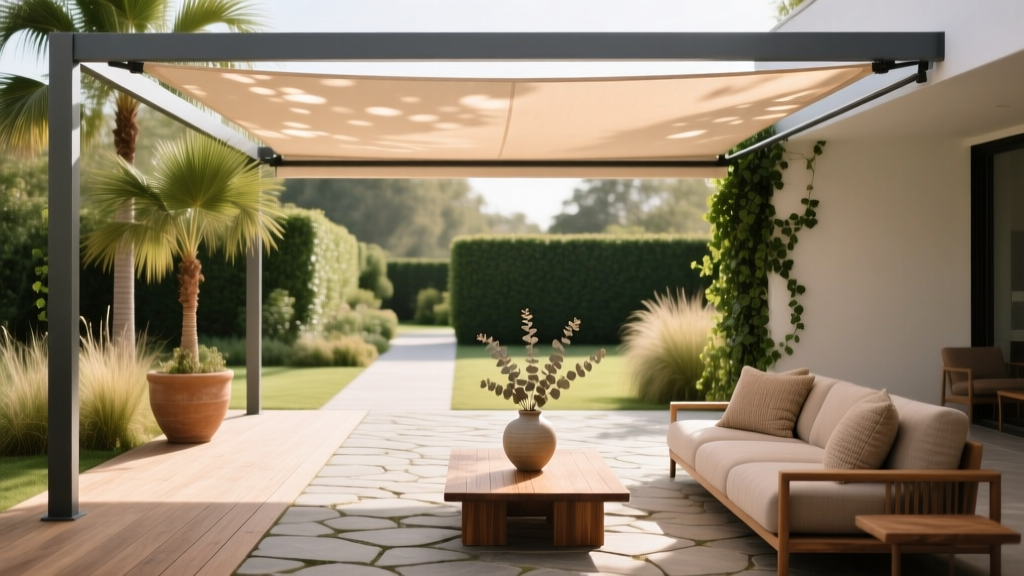
Outdoor Pergola with Retractable Canopy - The Decor Mag
A great outdoor space isn’t just about having a patio—it’s about having a place you actually want to use. A pergola with a retractable canopy turns “pretty but too hot” or “nice but always windy” into a flexible outdoor living room that adapts to real life: morning coffee in soft shade, a sunny lunch when you want warmth, or a cozy dinner protected from light drizzle.
Homeowners love pergolas because they define a destination in the yard without fully enclosing it. Add a retractable canopy and you get control—control of sun, glare, UV exposure, and how long your outdoor furniture, cushions, and rugs last. Whether you’re upgrading a small patio, building a garden seating nook, or creating an outdoor dining space near the grill, this is one of the most practical upgrades for year-round outdoor living.
This guide walks through canopy types, the best pergola materials, furniture and layout ideas, plant pairings, maintenance tips, budget ranges, and the mistakes that derail many backyard pergola projects.
Why a Retractable Canopy Pergola Works So Well
A traditional pergola provides partial shade, but the sun angle changes by season and time of day. A retractable canopy gives you adjustable coverage—more shade when the summer sun is intense, and more light when you want warmth in spring or fall. It also adds visual softness overhead, which makes patio living feel more finished and inviting.
Benefits homeowners notice immediately
- Comfort on demand: Slide shade in when it’s hot, retract it for stargazing or winter sun.
- Better furniture longevity: Less UV on cushions, outdoor rugs, and wood finishes.
- More usable hours: Reduced glare, cooler surface temps, and improved outdoor dining comfort.
- Design flexibility: Canopies come in neutral tones, stripes, and modern textures that complement outdoor decor.
- Defined “room” outdoors: The pergola structure frames seating areas and adds architectural interest.
Retractable Canopy Options (Choose Your Level of Control)
Not all retractable canopies are the same. The right choice depends on how often you’ll adjust it, how windy your yard is, and whether you want a sleek modern look or a breezier, resort-style vibe.
1) Manual slide canopy (most common)
Fabric panels glide along cables or tracks. You pull a handle or strap to open/close.
- Best for: Budget-friendly upgrades, moderate climates, DIY-friendly installations.
- Typical cost: $200–$800 for the canopy system (plus pergola cost).
- Tip: Choose a system with stainless steel hardware if you live in humid or coastal regions.
2) Motorized retractable canopy (premium convenience)
Opens and closes via remote or wall switch; some can integrate with smart home systems.
- Best for: Large pergolas, frequent use, homeowners who want effortless daily control.
- Typical cost: $1,500–$5,000+ depending on size and automation.
- Tip: Add a wind sensor so the canopy retracts automatically during gusts.
3) Retractable shade sails within a pergola frame
A modern look using tensioned fabric that slides or clips into place.
- Best for: Contemporary landscaping, angular architecture, high-UV climates.
- Typical cost: $300–$1,200.
- Tip: Ensure the sail fabric is rated for UV and has reinforced corners.
4) Louvered roof pergola (alternative to fabric)
Technically not a fabric canopy, but adjustable louvers give sun/rain control and a crisp modern profile.
- Best for: Windier zones, homeowners who want a more permanent all-weather solution.
- Typical cost: $6,000–$20,000+ installed.
Best Pergola Materials for a Retractable Canopy
Your pergola frame has to stay rigid for smooth canopy operation. Pick materials based on your climate, maintenance tolerance, and how you want the pergola to look next to your home and landscaping.
Wood pergolas (warm, classic, customizable)
- Top picks: Cedar (naturally rot-resistant), redwood (premium durability), pressure-treated pine (budget-friendly).
- Look: Ideal for cottage gardens, traditional homes, and natural landscape design.
- Maintenance: Seal or stain every 2–4 years depending on sun exposure and moisture.
- Pro tip: For canopy track attachment, ask your builder to reinforce rafters and use corrosion-resistant fasteners.
Aluminum pergolas (sleek, low-maintenance)
- Why it’s popular: Won’t warp, crack, or attract pests; powder-coated finishes hold up well.
- Best for: Modern patio design, coastal climates, and homeowners who want minimal upkeep.
- Pro tip: Choose a matte powder coat in black, bronze, or sand to hide dust and reduce glare.
Vinyl pergolas (clean, affordable, limited flexibility)
- Best for: Suburban backyards where easy cleaning is the priority.
- Watch-outs: Can look less custom; may need internal aluminum reinforcement for larger spans.
Design & Layout Ideas That Feel Like a True Outdoor Room
A pergola with a retractable canopy works best when it’s planned like a room: clear circulation, the right scale of furniture, and layers of lighting and planting around the edges.
Size guidelines that prevent a cramped (or empty) feel
- Dining pergola: Start around 10' x 12' for a 6-seat table; 12' x 16' for 8 seats plus clearance.
- Lounge pergola: 12' x 12' fits a sofa + two lounge chairs comfortably; 12' x 16' fits a full conversation set and side tables.
- Walkways: Keep 36"–48" clear around dining chairs and main paths.
Three proven pergola layouts
- Outdoor dining + grill connection: Pergola covers the table; grill sits just outside the canopy line to reduce smoke buildup. Add a serving cart and a narrow buffet console.
- Living-room lounge: Sofa faces a fire table or coffee table; add an outdoor rug to anchor the seating. Use planters or low hedges to define edges.
- Garden retreat: Two lounge chairs or a daybed under the canopy with a small side table; surround with fragrant plants and a gravel path for a resort feel.
Furniture & Decor Recommendations (What Looks Good Under a Canopy)
Because the canopy creates shade and a ceiling-like effect, you can use softer textures and more layered decor—without worrying as much about scorching sun fading everything instantly.
Best outdoor furniture materials
- Powder-coated aluminum: Lightweight, rust-resistant, great for coastal patio living.
- All-weather wicker (HDPE resin): Cozy look; pair with quick-dry cushions.
- Teak: Premium and weather-tough; develops a silver patina unless sealed.
- Concrete or stone-top tables: Great heft for wind; modern outdoor design vibe.
Cushions, rugs, and textiles that last
- Fabric: Solution-dyed acrylic (like performance outdoor fabric) for fade resistance.
- Cushion fill: Quick-dry foam or reticulated foam for humid climates.
- Outdoor rug: Polypropylene flatweave; choose a darker pattern to hide pollen and dirt.
Lighting ideas for evening patio living
- Pergola-mounted string lights: Warm white for ambience; keep strands tight and symmetrical.
- Wall sconces (near the house): Great for outdoor dining visibility.
- Rechargeable lanterns: Easy, flexible, and perfect for seasonal entertaining.
- Uplighting on nearby trees: Makes the whole landscape design glow after sunset.
Plant Pairings: Soft Shade + Smart Greenery
A pergola structure begs for landscaping around it. The trick is choosing plants that won’t constantly drop debris on your canopy or overwhelm the frame.
Best plants near a pergola (low-litter, high impact)
- Lavender: Drought-tolerant, fragrant, great for sunny patio borders.
- Boxwood or inkberry holly: Clean evergreen structure for year-round outdoor living.
- Ornamental grasses (feather reed grass, blue fescue): Movement and texture with minimal fuss.
- Hydrangeas (where suited): Big seasonal blooms—place where they get morning sun and afternoon shade.
- Herbs in planters: Rosemary, thyme, basil near dining areas for function and scent.
Climbing vines (use carefully)
Vines can be gorgeous on pergola posts, but avoid plants that shed heavily or cling aggressively if you want a clean, low-maintenance canopy system.
- Good choices: Star jasmine (warm climates), clematis (many regions), climbing roses (for a romantic garden look), grape vines (if you’re okay with seasonal leaf drop).
- Avoid if you want minimal cleanup: Wisteria (can be heavy and aggressive), ivy (can damage surfaces and trap moisture).
- Pro tip: Train vines up the posts, not across the canopy tracks. Keep the canopy mechanism clear.
Canopy Fabric & Hardware: What to Buy (and What to Skip)
Fabric recommendations
- Solution-dyed acrylic: Excellent fade resistance and long-term color stability.
- PVC-coated polyester: More water-resistant, easy to clean, slightly more “architectural” look.
- HDPE shade cloth: Breathable and great for heat reduction; not fully rainproof.
Hardware and performance features worth paying for
- Stainless steel or marine-grade fasteners: Especially in humid, rainy, or coastal climates.
- UV-rated thread and reinforced seams: Prevents early seam failure.
- Track systems with smooth glides: Reduces snagging and makes daily use enjoyable.
Budget Ranges: What an Outdoor Pergola with Retractable Canopy Costs
Pricing varies by size, material, foundation work, and whether you hire a pro. These ranges help set expectations for a typical backyard pergola over a patio or paver base.
- Budget DIY: $1,500–$4,000
Pressure-treated wood or entry aluminum kit + manual canopy + basic anchors. - Mid-range upgrade: $4,000–$10,000
Cedar or higher-quality aluminum pergola + better fabric + lighting + some landscaping. - Premium build: $10,000–$25,000+
Custom pergola, motorized canopy, integrated lighting, electrical, and a full patio redesign.
Climate & Maintenance: Keep It Looking Great Year After Year
Hot, sunny climates
- Choose high-UV fabric and lighter canopy colors to reduce heat buildup.
- Plan for airflow: add open sides, ceiling fan rated for outdoors (where appropriate), or nearby shade trees.
- Rinse dust and pollen off the canopy monthly during peak season.
Humid or coastal climates
- Prioritize aluminum frames or well-sealed cedar.
- Use stainless steel hardware to prevent rust stains on fabric.
- Clean mildew early: mild soap + soft brush; avoid harsh bleach that can weaken fibers.
Windy areas
- Retract the canopy when you’re not using it—this is the single best way to extend its life.
- Consider a wind sensor for motorized systems.
- Anchor posts properly (footings matter more than fancy fabric).
Cold winters and shoulder seasons
- Retract and store fabric (if removable) to prevent snow load and ice damage.
- Add a patio heater or fire pit nearby for fall and early spring outdoor entertaining.
- Use evergreen planters and warm lighting to keep the space inviting in darker months.
Common Mistakes to Avoid
- Undersizing the pergola: If dining chairs scrape posts, you’ll stop using the space. Measure with furniture dimensions first.
- Ignoring sun angles: A canopy helps, but orientation still matters. Observe where afternoon sun hits in summer.
- Mounting the canopy where water pools: Fabric needs proper tension and slight pitch/drainage planning if you expect light rain.
- Choosing indoor fabrics outdoors: They fade and mildew fast—stick to performance outdoor materials.
- Letting vines invade the mechanism: Keep tracks and cables clear for smooth operation.
- Skipping lighting and power: Plan outlets for string lights, heaters, speakers, or a motorized canopy before you build.
FAQ: Outdoor Pergola with Retractable Canopy
Does a retractable canopy protect from rain?
Some canopy fabrics are water-resistant and can handle light rain, but most are not designed like a fully waterproof roof. For frequent rain, look for PVC-coated fabric with proper tension and consider adding gutters or choosing a louvered roof pergola.
How long does a retractable canopy last?
With quality fabric and regular care, many canopies last 5–10 years. Longevity depends on UV intensity, wind exposure, and whether you retract it when not in use.
What’s the best pergola material for low maintenance?
Powder-coated aluminum is usually the easiest: it won’t rot, warp, or require staining. It’s a strong match for modern outdoor design and coastal patio living.
Can I add a retractable canopy to an existing pergola?
Often yes, if the structure is square, sturdy, and properly anchored. You’ll need solid mounting surfaces for tracks/cables, and it’s wise to reinforce rafters if the existing pergola is older or lightly built.
Should I choose a light or dark canopy color?
Light colors reflect heat and brighten the seating area, which is ideal for hot climates. Darker colors hide stains better and can look more modern, but they may feel warmer underneath.
How do I clean and store the canopy?
Brush off debris weekly, rinse with water as needed, and spot-clean with mild soap. In snowy climates, retract and remove the canopy if possible, then store it dry to prevent mildew and fabric stress.
Next Steps: Plan Your Pergola Like a Pro
Start with how you want to live outdoors: dining, lounging, entertaining, or a quiet garden escape. Measure your furniture footprint, study where sun and shade fall across your patio, then choose a pergola material and canopy system that fits your climate and maintenance style.
- Pick the purpose: Dining, lounge, or mixed-use.
- Set a budget range: DIY, mid-range, or premium.
- Select materials: Cedar/redwood for warmth, aluminum for low maintenance.
- Choose canopy type: Manual for simplicity, motorized for daily convenience.
- Finish with comfort: Performance cushions, layered lighting, and plants that thrive in your region.
For more pergola ideas, patio design inspiration, and landscaping tips that make outdoor living feel effortless, explore more fresh guides on thedecormag.com.
More Articles
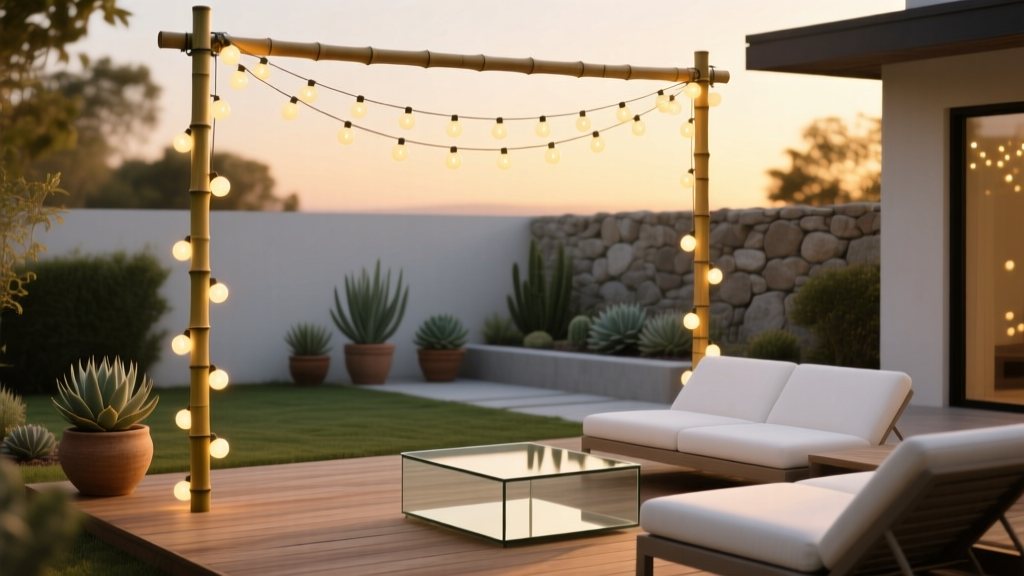 Best Outdoor String Light Arrangements - The Decor Mag
 Outdoor Living Project Checklist: A Practical, Step-by-Step Workflow for Landscape Professionals
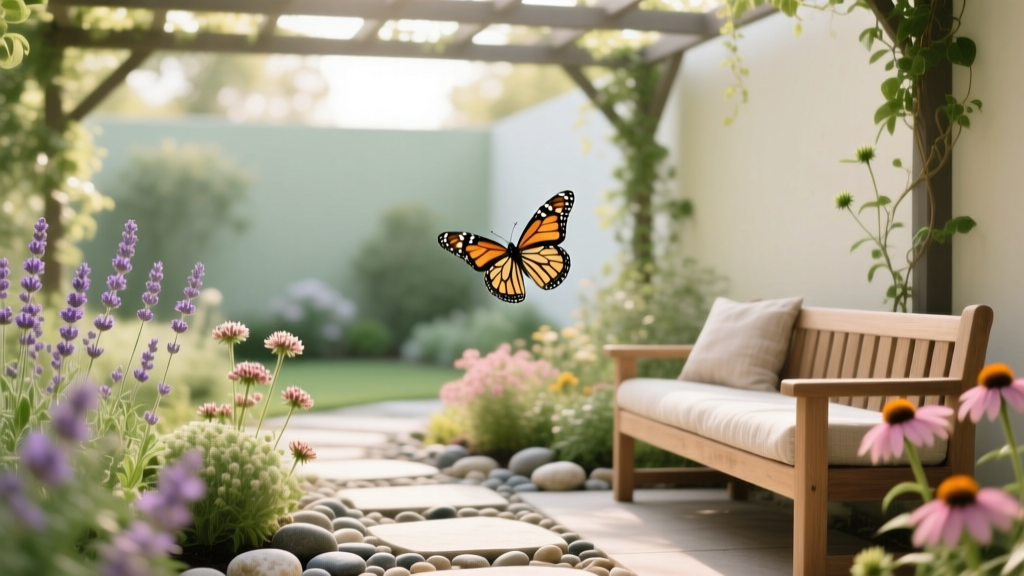 How to Create a Butterfly Garden - The Decor Mag
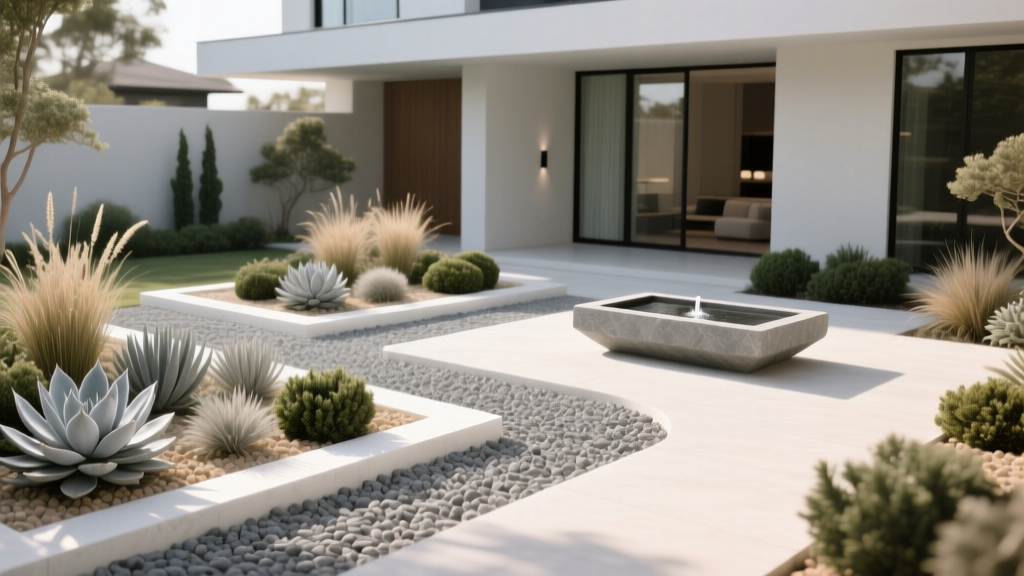 How to Design a Gravel Garden - The Decor Mag
 Performance Alternatives to Styling: Why Functionality Should Anchor Outdoor Living Design
 Best Outdoor Bar Herb Garden Planter - The Decor Mag
 Outdoor Living Budget Checklist: A Practical, Step-by-Step Planning Tool for Homeowners
 Science vs Summer: How Thermal Physics, Material Science, and Bioclimatic Design Shape Outdoor Living
 How to Choose the Best Patio Furniture Set - The Decor Mag
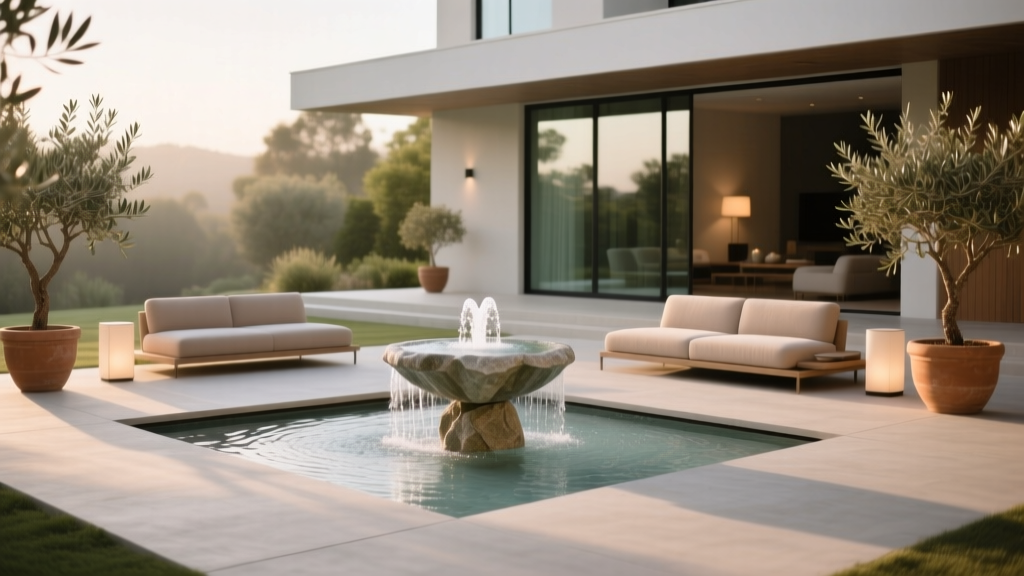 How to Incorporate Water Features Outdoors - The Decor Mag